

Pheidole horribilis
- Scientific Name
- Pheidole horribilis
- Tribe
- Attini
- Subfamily
- Myrmicinae
- Author
- Wilson, 2003
- Distribution
- Found in 1 countries
Pheidole horribilis Overview
Pheidole horribilis is an ant species of the genus Pheidole. It is primarily documented in 1 countries , including Ecuador. Detailed taxonomic data and occurrence records can be further explored via authoritative databases such as AntWeb or the Global Biodiversity Information Facility (GBIF).
Pheidole horribilis
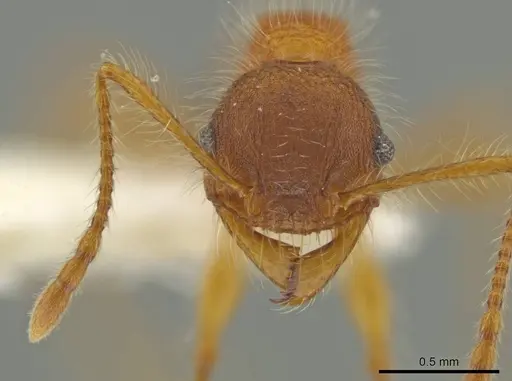
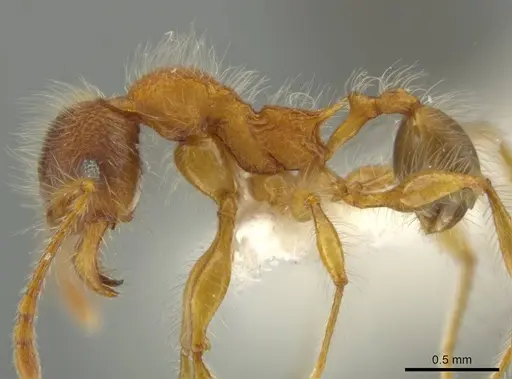
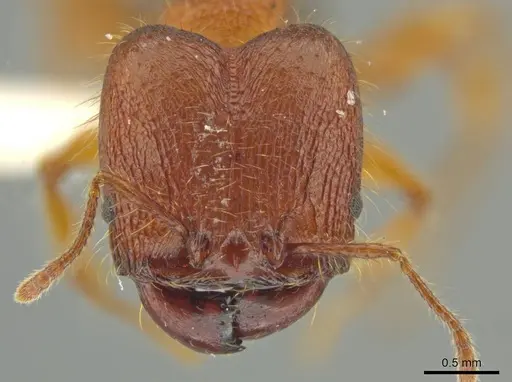
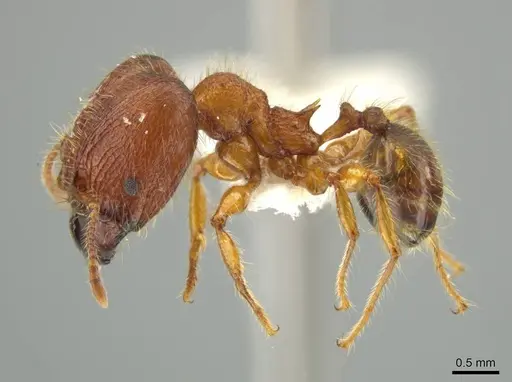
Pheidole horribilis is a striking Amazonian ant known for its dramatic major workers with unusually large heads. Majors measure about 1.9mm in head length with a rich medium reddish-brown color, while minor workers are smaller at around 0.8mm and appear more yellowish with a darker brown gaster. The species earned its name 'horribilis' (meaning dreadful, bristly, rough) from the dense, erect hairs covering its body. These ants inhabit the rainforest floors of the Amazon basin in Ecuador, Peru, and Brazil, where they forage primarily on the ground and along fallen logs. Unlike some Pheidole species that rely heavily on their majors for defense and seed processing, P. horribilis uses its major workers sparingly, less than 1% of foragers at food baits are majors, indicating they remain mostly nest-bound [1].
Quick Summary
- Difficulty: Medium
- Origin & Habitat: Amazonian rainforest in Ecuador, Peru, and Brazil. Found in both várzea (flooded) and terra firme (upland) forest types [2].
- Colony Type: Likely monogyne (single queen) based on typical Pheidole patterns. Colonies contain both major and minor workers.
- Colony: Monogyne
- Founding: Claustral
- Size & Growth:
- Queen: Unconfirmed, likely 8-10mm based on related Amazonian Pheidole
- Worker: Minor: 0.80mm HW, Major: 1.88mm HW
- Colony: Likely several hundred workers based on typical Pheidole colony sizes
- Growth: Moderate, inferred from related species
- Development: Estimated 6-8 weeks at optimal tropical temperatures (25-28°C) based on genus patterns (Development time is estimated from related Pheidole species, specific data for P. horribilis is unavailable)
- Antkeeping:
- Temperature: Keep at 24-28°C. As an Amazonian species, they prefer warm, stable conditions. A heating cable on one side of the nest creates a suitable gradient.
- Humidity: High humidity (70-85%) is essential, these are rainforest ants. Keep the nest substrate consistently moist but not waterlogged. Mist occasionally and provide a water tube.
- Diapause: No true diapause required. Amazonian ants do not experience cold winters, so they remain active year-round if kept warm.
- Nesting: Y-tong (AAC) nests or plaster nests work well. They prefer tight chambers and humid conditions. A naturalistic setup with moist soil and hiding spots also works.
- Behavior: These ants are relatively calm and not particularly aggressive. Major workers remain mostly in the nest and are rarely seen foraging, they likely serve as defenders or food processors rather than regular foragers [1]. Minor workers do most of the foraging, traveling short distances (averaging about 0.5m from the nest) to collect food [1]. They are known to prey on small insects including termites. Escape risk is moderate, minor workers are small but not tiny, and standard escape prevention measures should suffice.
- Common Issues: high humidity needs mean mold can develop if ventilation is poor, low flood tolerance means avoid oversaturating the nest, slow growth compared to temperate species may frustrate beginners, wild-caught colonies may carry parasites that can devastate captive colonies, majors are rarely produced in captivity, don't be alarmed if you see mostly minors
Housing and Nest Setup
Pheidole horribilis does well in Y-tong (acrylic) nests or plaster nests that hold humidity well. Because they come from rainforest environments, the nest needs to stay consistently humid. Use a water tube or moisture reservoir to maintain damp conditions. The chambers should be appropriately sized, these are small ants, so avoid overly large spaces. A test tube setup can work for founding colonies, but transfer to a proper nest once the colony reaches 20-30 workers. Provide an outworld area for foraging that includes some substrate or hiding spots to make them feel secure. [1]
Feeding and Diet
Like most Pheidole species, P. horribilis is omnivorous with a preference for protein. In the wild, they forage for small insects including termites [3]. In captivity, offer protein sources like small crickets, mealworms, fruit flies, and other small insects twice weekly. They will also accept sugar sources like honey water or sugar water, though protein should form the bulk of their diet. Remove uneaten prey after 24-48 hours to prevent mold. Minor workers do most of the foraging, so place food where they can easily access it.
Temperature and Humidity
As an Amazonian species, P. horribilis needs warm and humid conditions. Maintain temperatures between 24-28°C, this is ideal for brood development and colony activity. A slight temperature gradient allows the ants to self-regulate. Humidity should stay high at 70-85%. Use a water tube in the nest and mist occasionally, but ensure adequate ventilation to prevent mold buildup. These ants have low flood tolerance [1], so avoid oversaturating the substrate. Room temperature in most homes may be too cool, consider using a heating cable on one side of the nest during cooler months.
Colony Development and Growth
Pheidole colonies grow through the production of new workers from brood. The colony will initially produce nanitic (first) workers that are smaller than normal. As the colony matures, you should see more majors appearing, though in P. horribilis majors are produced sparingly, less than 1% of foragers are majors [1]. Growth rate is moderate, not as fast as some temperate species but faster than some other tropical Pheidole. Expect the colony to reach 100 workers within the first year under good conditions. The presence of both major and minor workers is a sign of a healthy, maturing colony.
Behavior and Foraging
This species has an interesting foraging pattern, minor workers do almost all the foraging, traveling short distances from the nest (averaging about 0.5 meters) [1]. They are not dominant at food sources and don't recruit heavily, meaning they won't form massive trails like some Pheidole. Major workers remain mostly in the nest, likely serving as defenders or for special tasks like processing large prey. They are not particularly aggressive toward keepers and rarely sting. Their small size and calm nature make them manageable, but use standard escape prevention since minor workers can still slip through small gaps.
Frequently Asked Questions
How long does it take for Pheidole horribilis to produce first workers?
First workers (nanitics) typically appear within 6-8 weeks after the queen lays eggs, assuming temperatures around 25-28°C. This is an estimate based on related Pheidole species, specific development data for P. horribilis is not available.
Do Pheidole horribilis majors forage or stay in the nest?
Majors rarely forage, studies show less than 1% of foragers at baits are majors. They remain mostly nest-bound and likely serve as defenders or for processing large prey items.
What do Pheidole horribilis eat?
They are omnivorous but prefer protein. Feed small insects like fruit flies, small crickets, or mealworms twice weekly. They will also accept sugar water or honey. In the wild, they prey on termites and other small invertebrates.
Are Pheidole horribilis good for beginners?
They are moderate difficulty. Their high humidity requirements and need for warm temperatures make them slightly more challenging than temperate species, but their calm temperament and manageable colony size make them suitable for intermediate antkeepers.
Do Pheidole horribilis need hibernation?
No. As an Amazonian species, they do not require diapause or hibernation. Keep them warm year-round (24-28°C) and they will remain active.
How big do Pheidole horribilis colonies get?
Based on related species, colonies likely reach several hundred workers. They are not among the largest Pheidole species.
Can I keep multiple Pheidole horribilis queens together?
This is not recommended. While colony structure is not fully studied, combining unrelated queens of this species has not been documented and would likely result in fighting.
What humidity level do Pheidole horribilis need?
Keep humidity high at 70-85%. These are rainforest ants that need consistently moist conditions. Use a water tube and mist occasionally, but ensure good ventilation to prevent mold.
When should I move Pheidole horribilis to a formicarium?
Move them when the colony reaches 20-30 workers or when the test tube becomes crowded. A Y-tong or plaster nest works well for this species.
References

This caresheet is licensed under CC BY-SA 4.0 .
CASENT0645799
View on AntWeb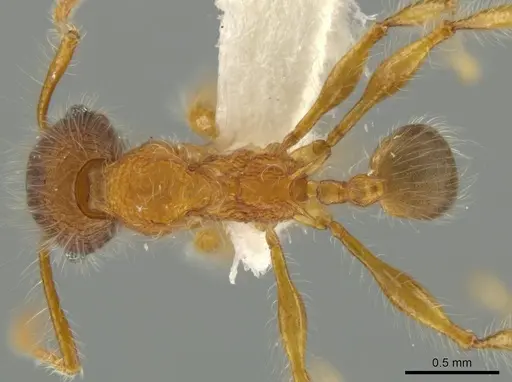
JTLC000016405
View on AntWeb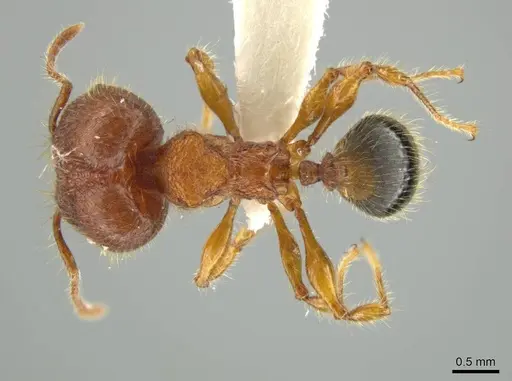
Literature
Loading...Loading products...