

Pheidole hoplitica
- Scientific Name
- Pheidole hoplitica
- Tribe
- Attini
- Subfamily
- Myrmicinae
- Author
- Wilson, 2003
- Distribution
- Found in 1 countries
Pheidole hoplitica Overview
Pheidole hoplitica is an ant species of the genus Pheidole. It is primarily documented in 1 countries , including Mexico. Detailed taxonomic data and occurrence records can be further explored via authoritative databases such as AntWeb or the Global Biodiversity Information Facility (GBIF).
Pheidole hoplitica
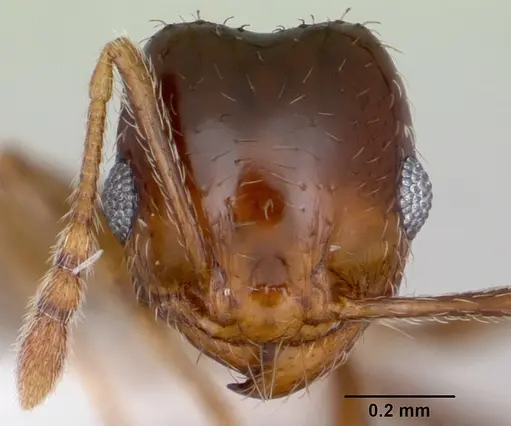
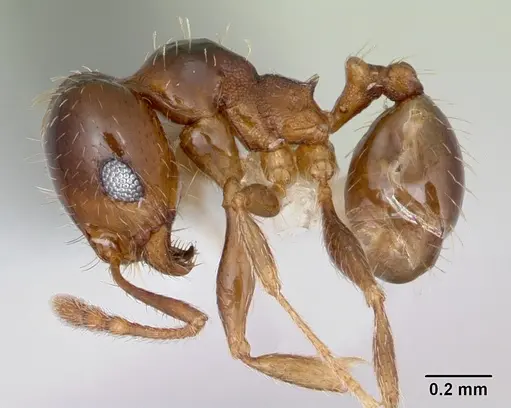
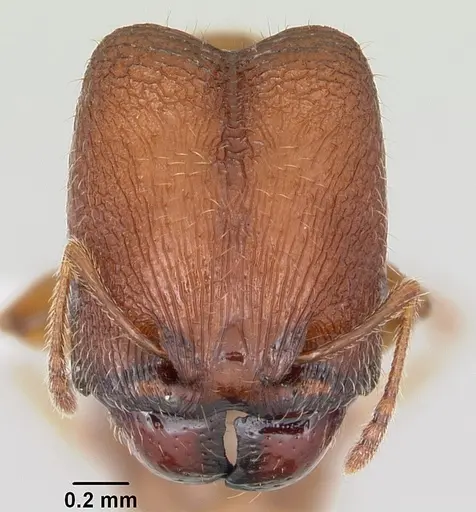
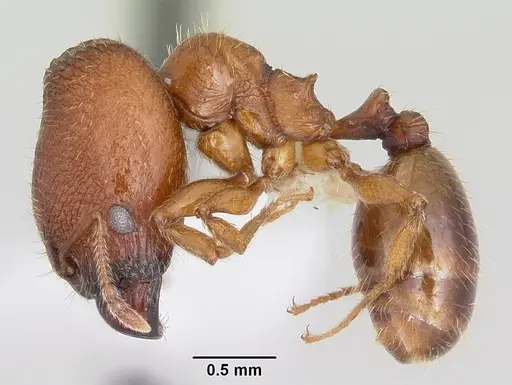
Pheidole hoplitica is a small ant species native to the southern United States and northern Mexico. First described by E.O. Wilson in 2003,these ants belong to the pilifera complex, a group of Pheidole species characterized by their distinctive major workers with heavily sculpted heads. The major workers have a notably concave posterior dorsal profile and reach about 1.24mm in head width, while minor workers are much smaller at around 0.50mm. The majors are light reddish brown, and the minors are brownish yellow. This species was named 'hoplitica' after the heavily armed hoplite soldiers of ancient Greece, referring to the robust appearance of the major workers. In the wild, they nest in bare sandy clay soil in full sun, often near areas with insect remains, suggesting they scavenge and hunt small prey.
Quick Summary
- Difficulty: Easy
- Origin & Habitat: Southern United States (Texas) and northern Mexico. Found in bare sandy clay soil in full sun, often in open areas like cemeteries [1].
- Colony Type: Single-queen colonies (monogyne). Like most Pheidole species, they likely have one queen per colony.
- Colony: Monogyne
- Founding: Claustral
- Size & Growth:
- Queen: Not directly measured, estimated 5-7mm based on genus patterns
- Worker: Major workers: 1.24mm HW. Minor workers: 0.50mm HW.
- Colony: Unknown, typical Pheidole colonies reach several hundred to a few thousand workers
- Growth: Moderate, based on typical Pheidole development
- Development: Estimated 6-8 weeks at optimal temperature based on genus-level data for Pheidole species (Development time is inferred from related Pheidole species, actual timing may vary)
- Antkeeping:
- Temperature: Keep at 22-26°C. Texas and Mexico range suggests they tolerate warmer conditions. A gentle temperature gradient allows workers to self-regulate.
- Humidity: Low to moderate. Found in dry sandy clay soil in full sun, avoid overly damp conditions. Provide a water tube but keep the nest area relatively dry.
- Diapause: Likely, most temperate Pheidole species benefit from a winter rest period. Reduce temperature to 10-15°C for 2-3 months.
- Nesting: Y-tong (AAC) nests work well for this species. The small size of minor workers means escape prevention must be excellent, use fine mesh barriers. Provide a dry to slightly moist nesting environment.
- Behavior: Generally peaceful but major workers will defend the colony aggressively if threatened. Foragers are active and will recruit nestmates to food sources. Minor workers handle most day-to-day tasks while majors defend the nest and process larger food items. They are not known for aggressive swarming but will bite if handled. Escape risk is moderate, their small size means they can slip through small gaps.
- Common Issues: escape prevention is critical due to their very small minor workers, use fine mesh and tight-fitting lids, colonies may grow slowly in the first few months, patience is key during the founding stage, dry soil conditions are important, overhumid nests can lead to mold problems, wild-caught colonies may have parasites, quarantine and observe new colonies, major workers develop later than minors, don't be alarmed if early workers are all minor
Nest Preferences
In the wild, Pheidole hoplitica nests in bare sandy clay soil in full sun [1]. The type specimen was collected from Starr County, Texas, in an open cemetery area with sandy soil. This tells us they prefer well-drained, relatively dry nesting substrates. For captive care, a Y-tong (AAC) nest works well, these provide the dry conditions this species prefers while allowing you to observe colony activity. Avoid overly moist substrates like plaster nests, which can lead to mold issues. A test tube setup can work for founding colonies, but be sure to provide a dry foraging area. The small size of the minor workers (0.50mm) means escape prevention must be excellent, even small gaps in your setup will result in escapes.
Feeding and Diet
Pheidole species are generalist omnivores with a particular fondness for seeds and protein-rich foods. In the wild, the collection note mentioning a pile of insect parts near the nest entrance suggests they scavenge on dead insects and other protein sources. For captive colonies, offer a varied diet: protein sources like small insects (fruit flies, small mealworms, cricket pieces) should be provided regularly, along with sugar sources like honey water or sugar water. Pheidole majors can process larger food items than many other ant species of similar size, so don't be afraid to offer appropriately-sized prey. Seed acceptance varies, some keepers report success with millet or other small seeds, while others find their colonies ignore seeds entirely. When feeding, remove uneaten prey after 24-48 hours to prevent mold. [1]
Temperature and Seasonal Care
As a species from Texas and northern Mexico, P. hoplitica is adapted to warm conditions. Keep the nest area at 22-26°C for optimal brood development. A heating cable on one side of the nest can create a temperature gradient, allowing workers to move between warmer and cooler areas as needed. During winter, most temperate Pheidole species benefit from a diapause period. Reduce temperatures to 10-15°C for 2-3 months, typically from late autumn to early spring. During diapause, reduce feeding to once every two weeks or less, the colony will be much less active. Do not feed during the coldest months of hibernation. Make sure water is always available, even during winter rest.
Behavior and Colony Structure
Pheidole hoplitica has the classic Pheidole dimorphism: small minor workers handle most tasks including foraging, caring for brood, and maintaining the nest, while larger major workers defend the colony and process larger food items. The majors have notably sculptured heads with a concave posterior profile, giving them a distinctive appearance. Colonies are monogyne, meaning they have a single queen. The queen is likely claustral, she seals herself in a chamber and raises the first brood alone without foraging, living off her stored fat reserves until the first workers (nanitics) emerge. This is typical for Pheidole. Major workers develop later in the colony's life cycle, so don't be concerned if your founding colony produces only minor workers initially.
Growth and Development
Pheidole colonies grow through distinct phases. During claustral founding (the first 4-8 weeks), the queen lays eggs and raises the first brood in complete isolation. She produces nanitic (first) workers that are often smaller than normal workers. Once the first workers emerge, the colony enters the growth phase, the queen focuses on egg-laying while workers forage, care for brood, and expand the nest. The timing from egg to first worker is estimated at 6-8 weeks at optimal temperature, based on typical Pheidole development patterns. Major workers appear later in the colony's development, sometimes not until the colony has 50+ workers. A healthy mature colony can reach several hundred to a few thousand workers over several years.
Frequently Asked Questions
How long does it take for Pheidole hoplitica to produce first workers?
From egg to first worker, expect around 6-8 weeks at optimal temperature (22-26°C). This is an estimate based on typical Pheidole development, actual timing may vary slightly.
What do Pheidole hoplitica ants eat?
They are generalist omnivores. Offer protein sources like small insects (fruit flies, small mealworms, cricket pieces) regularly, along with sugar water or honey as an energy source. Some colonies will accept small seeds, but this varies.
What temperature do Pheidole hoplitica need?
Keep them at 22-26°C. They are from Texas and Mexico, so they prefer warm conditions. A temperature gradient allows workers to regulate their own exposure to heat.
Do Pheidole hoplitica need hibernation?
Yes, most likely. Like other temperate Pheidole species, they benefit from a winter rest period. Reduce temperature to 10-15°C for 2-3 months during winter.
Can I keep multiple Pheidole hoplitica queens together?
This species is monogyne, they form single-queen colonies. Combining unrelated queens is not recommended and likely will result in fighting.
How big do Pheidole hoplitica colonies get?
Mature colonies typically reach several hundred to a few thousand workers over 2-4 years. The presence of major workers indicates a well-established colony.
What nest type is best for Pheidole hoplitica?
Y-tong (AAC) nests work well for this species, providing the dry conditions they prefer. Test tubes work for founding colonies. Ensure excellent escape prevention due to their very small minor workers.
Why are my Pheidole hoplitica escaping?
Their minor workers are extremely small (0.50mm). Use fine mesh barriers and check all lid seams and connections regularly. Even tiny gaps will allow escapes.
Are Pheidole hoplitica good for beginners?
Yes, they are considered easy to keep. They are forgiving of minor care mistakes, don't require high humidity, and are generally resilient. The main challenge is escape prevention due to their tiny size.
References

This caresheet is licensed under CC BY-SA 4.0 .
CASENT0103408
View on AntWeb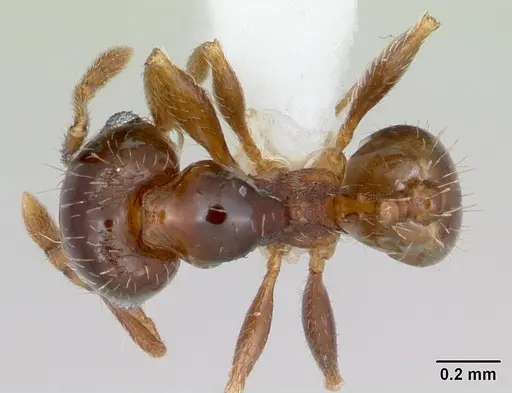
CASENT0104751
View on AntWeb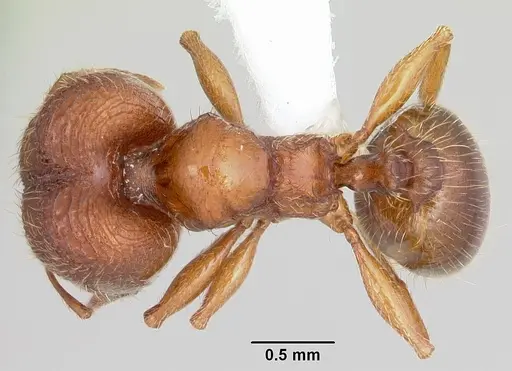
Literature
Loading...Loading products...