

Pheidole hirsuta
- Scientific Name
- Pheidole hirsuta
- Tribe
- Attini
- Subfamily
- Myrmicinae
- Author
- Emery, 1896
- Distribution
- Found in 3 countries
Pheidole hirsuta Overview
Pheidole hirsuta is an ant species of the genus Pheidole. It is primarily documented in 3 countries , including Costa Rica, Mexico, Panama. Detailed taxonomic data and occurrence records can be further explored via authoritative databases such as AntWeb or the Global Biodiversity Information Facility (GBIF).
Pheidole hirsuta
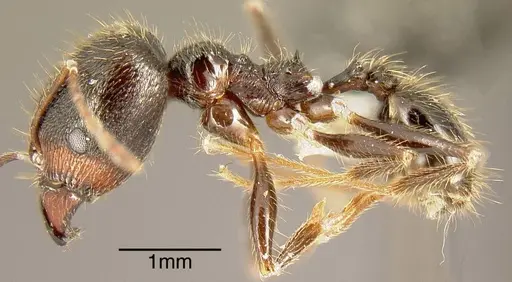
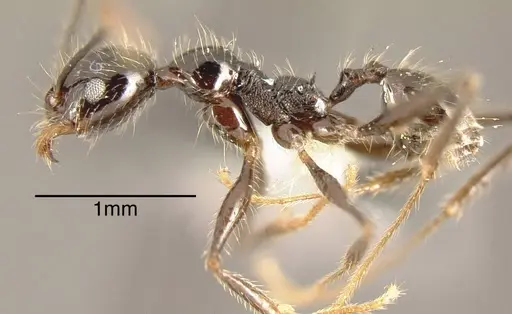
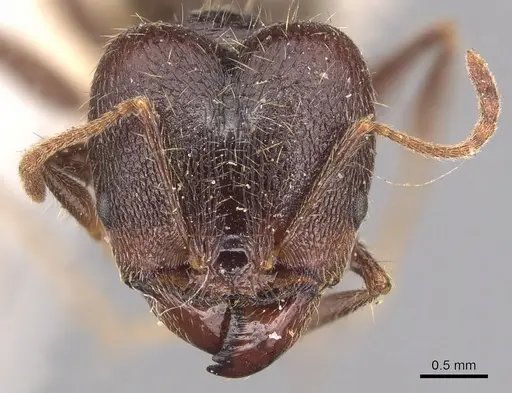
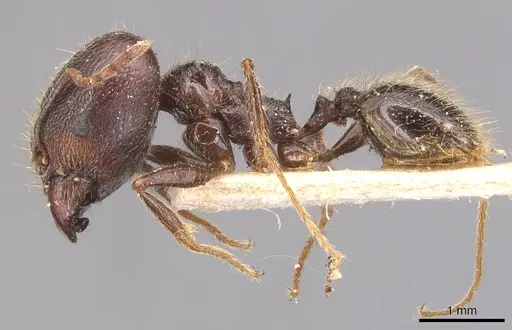
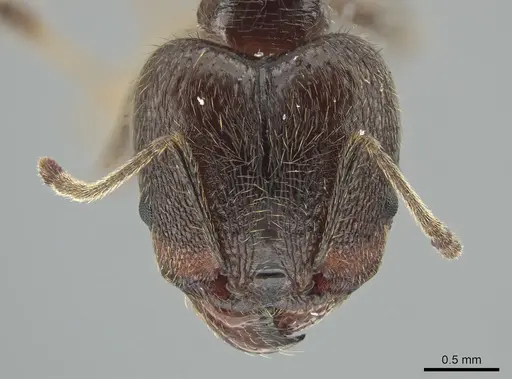
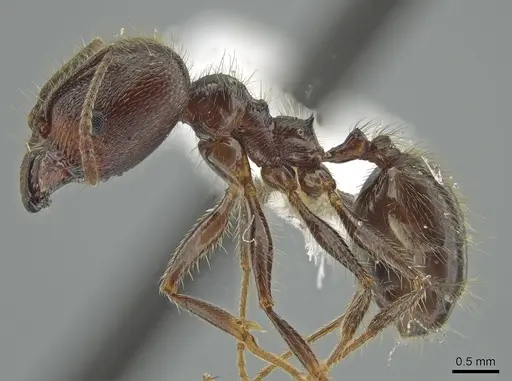
Pheidole hirsuta is a large Neotropical ant species native to the lowlands of Costa Rica, Guatemala, and Panama. This species belongs to the fallax group and is known for its pronounced size difference between castes, majors (soldiers) have a massive head measuring nearly 2mm wide with distinctive rugoreticulation patterns, while minors are much smaller at around 0.6mm head width and appear smooth and shiny. The majors are dark brown with a bicolorous head, while minors are blackish brown with contrasting yellow on the clypeus, mandibles, and antennal club. The species name 'hirsuta' means hairy, referring to the distinctive texture of the major workers[1].
In the wild, these ants nest in the ground in lowland tropical forests. They are typical Pheidole in behavior, colonies contain many minor workers and a smaller number of large major workers that serve as soldiers and help process food. This species is part of a genus known for their seed-eating habits, though they also forage for protein and sugars like most opportunistic ants.
Quick Summary
- Difficulty: Medium
- Origin & Habitat: Lowland tropical forests of Costa Rica, Guatemala, and Panama (Atlantic and Pacific lowlands). They are ground-nesting ants found in lowland areas[1].
- Colony Type: Likely monogyne (single queen) based on typical Pheidole patterns. Pheidole colonies typically have one founding queen that establishes the colony, then produces workers and majors over time.
- Colony: Monogyne
- Founding: Claustral
- Size & Growth:
- Queen: Not specifically documented for this species, but Pheidole queens are typically 7-10mm. Estimated 8-10mm based on genus patterns.
- Worker: Minors: 0.64mm HW (head width),0.82mm HL. Majors: 1.96mm HW,2.00mm HL.
- Colony: Not specifically documented. Pheidole colonies can reach several thousand workers. Estimated moderate-to-large colony size based on genus.
- Growth: Moderate, typical for tropical Pheidole
- Development: Estimated 6-8 weeks at tropical temperatures (25-28°C) based on typical Pheidole development. (Development is likely faster than temperate species due to tropical origin. First workers (nanitics) typically appear within 1-2 months in warm conditions.)
- Antkeeping:
- Temperature: Keep at 24-28°C. Being a lowland tropical species, they prefer warm, stable conditions. A heating cable on one side of the nest can create a gentle gradient.
- Humidity: Moderate to high humidity (60-80%). Lowland tropical environments are humid but not waterlogged. Keep the nest substrate moist but allow some drying between waterings. Provide a water tube for drinking.
- Diapause: No, being a tropical species from Costa Rica, they do not require hibernation or winter dormancy. Keep them warm year-round.
- Nesting: Ground-nesting species. In captivity, they do well in Y-tong (AAC) nests, plaster nests, or naturalistic setups with soil. Provide a nest chamber sized appropriately for the colony. They will likely accept test tube setups for founding, then move to a larger formicarium as the colony grows.
- Behavior: Generally calm and non-aggressive. Like most Pheidole, they are not particularly defensive and major workers are more for show than actual combat. They are active foragers that search for seeds, protein, and sugar sources. Escape prevention should be moderate, while not the smallest ants, they can still squeeze through small gaps, so standard barriers apply. They are daytime active in the wild but will adjust to captive light cycles.
- Common Issues: tropical species needs warmth, cold temperatures will slow or stop brood development, colonies can grow large quickly, start planning for a spacious formicarium early, ground-nesting means they need appropriate substrate depth for nesting, major workers are impressive but not aggressive, don't rely on them for defense, tropical species may be sensitive to temperature drops, avoid air conditioning drafts
Housing and Nest Setup
Pheidole hirsuta is a ground-nesting species that does well in several captive setups. For founding colonies, a simple test tube setup works well, fill a test tube with water, plug the wet end with cotton, and place the queen in a dark container with the tube. Once workers arrive (after 1-2 months), you can transfer to a proper nest.
For established colonies, Y-tong (AAC) nests are excellent, the acrylic chambers allow you to observe the colony and the connecting tubes let you attach an outworld. Plaster nests also work well, providing moisture retention that mimics their natural ground nests. A naturalistic setup with a soil-filled container gives them more space to behave naturally and allows you to watch tunnel-building behavior.
Whatever nest type you choose, ensure the chambers are appropriately sized. Pheidole hirsuta has large majors (2mm body length), so they need passages wide enough for them to move through comfortably. Always provide an outworld (foraging area) connected to the nest with sugar water and protein sources.
Feeding and Diet
Pheidole ants are classically granivorous, they collect and process seeds, but they are opportunistic omnivores that readily accept other food sources. In captivity, offer a varied diet:
For carbohydrates: Sugar water, honey, or ripe fruit. Change these every few days as they can ferment. A constant sugar source in the outworld is recommended.
For protein: Small insects work best. Fruit flies, small crickets, mealworms, and other small arthropods are ideal. Crush larger prey so majors can help process it. Feed protein 2-3 times per week depending on colony size.
Seeds: Many Pheidole species will collect and eat seeds, especially small grass seeds. You can offer this as enrichment, though it's not required if you're providing other protein and sugar sources.
Remove uneaten food promptly to prevent mold. Pheidole colonies can be messy eaters, so clean the outworld regularly.
Temperature and Humidity
As a lowland tropical species from Costa Rica, Pheidole hirsuta needs warm, humid conditions year-round. Keep the nest area at 24-28°C (75-82°F). Temperatures below 22°C will slow brood development, and prolonged cold can be fatal.
Use a heating cable or heating mat on one side of the nest to create a temperature gradient. Place the heat source on top of the nest (not underneath, which can dry out the substrate). This lets the ants choose their preferred temperature.
For humidity, aim for 60-80% in the nest. The substrate should feel moist but not waterlogged. A water tube attached to the nest helps maintain humidity and provides drinking water. Mist the outworld occasionally, but avoid excess moisture that promotes mold.
Being tropical, they do not need a winter diapause. Keep them warm and active year-round. Avoid placing the colony near air conditioning vents or cold windows.
Colony Development
Pheidole hirsuta colonies grow through the typical founding sequence. After mating (nuptial flight), a single claustral queen seals herself in a small chamber and lays eggs. She lives off stored fat reserves while raising the first brood, this is called claustral founding and is typical of Pheidole.
First workers (nanitics) typically appear after 6-8 weeks at optimal temperature (25-28°C). These initial workers are smaller than normal workers. Once they emerge, the queen resumes normal egg-laying and the colony grows more rapidly.
The major workers (soldiers) appear later in the colony cycle. Pheidole produce majors once the colony reaches a certain size threshold, this is triggered by colony population and resources, not by time. Majors help process food, defend the colony, and assist with nest maintenance.
Colonies can eventually reach several thousand workers. Growth rate is moderate, expect 1-2 years to reach a moderately sized colony of several hundred workers.
Behavior and Temperament
Pheidole hirsuta is a calm, non-aggressive species that is well-suited to antkeeping. Majors appear intimidating due to their large heads, but they are not particularly defensive. When disturbed, the colony will typically retreat rather than attack.
Workers are active foragers that search the outworld for food. They communicate through chemical trails, once a worker finds a good food source, others will follow the trail. This makes them entertaining to watch during feeding time.
The caste system is fascinating to observe. Minor workers handle most tasks, foraging, caring for brood, cleaning the nest. Major workers specialize in food processing (their large heads can crush seeds and insect exoskeletons) and colony defense, though they rarely need to defend against anything in captivity.
Escape risk is moderate. They are not tiny ants, but they are still small enough to exploit loose lids or gaps. Use standard barrier techniques (Fluon on test tube rims, tight-fitting lids) and you should be fine.
Frequently Asked Questions
How long does it take for Pheidole hirsuta to get their first workers?
At optimal temperature (25-28°C), expect first workers in 6-8 weeks after the queen lays eggs. This is typical for Pheidole species. If kept cooler, development will take longer.
What do Pheidole hirsuta ants eat?
They are omnivorous. Offer sugar water or honey for carbohydrates, small insects (fruit flies, mealworms, small crickets) for protein, and optionally small seeds. Vary the diet for best health.
Are Pheidole hirsuta good for beginners?
They are a medium-difficulty species. They need warm, humid tropical conditions year-round, which can be more demanding than temperate species. If you can maintain stable warmth, they are rewarding and relatively easy to care for.
How big do Pheidole hirsuta colonies get?
Pheidole colonies can reach several thousand workers. Expect moderate-to-large colony sizes over 1-2 years. Start planning for a spacious formicarium once the colony reaches a few hundred workers.
Do Pheidole hirsuta need hibernation?
No. Being a tropical species from Costa Rica, they do not require hibernation. Keep them warm year-round at 24-28°C.
When should I move Pheidole hirsuta from a test tube to a formicarium?
Move them once the colony has 50-100 workers and the test tube is becoming crowded. Pheidole prefer to move themselves if given the opportunity, connect a formicarium to the test tube and let them relocate naturally.
Can I keep multiple Pheidole hirsuta queens together?
Pheidole are typically monogyne (single queen). Combining unrelated queens is not recommended and likely will result in fighting. One queen per colony is standard.
What temperature is best for Pheidole hirsuta?
Keep them at 24-28°C (75-82°F). This tropical species needs warmth year-round. A heating cable on one side of the nest creates a nice gradient.
Why aren't my Pheidole hirsuta making majors?
Majors appear later in colony development, typically once the colony reaches several hundred workers. Their production is triggered by colony size and resources, not age. Be patient, majors come with a mature colony.
References

This caresheet is licensed under CC BY-SA 4.0 .
CASENT0635474
View on AntWeb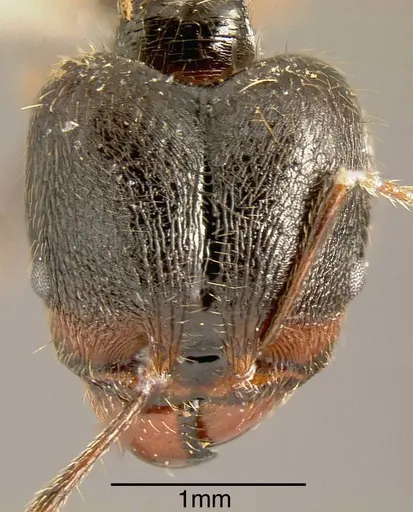
CASENT0635475
View on AntWeb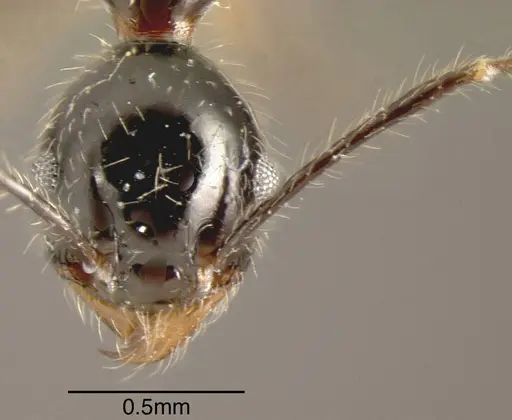
CASENT0904357
View on AntWeb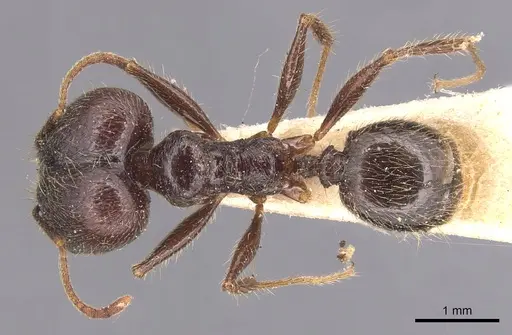
JTLC000006250
View on AntWeb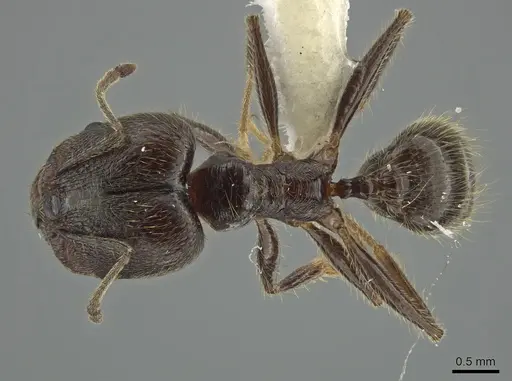
Literature
Loading...Loading products...