

Pheidole hetschkoi
- Scientific Name
- Pheidole hetschkoi
- Tribe
- Attini
- Subfamily
- Myrmicinae
- Author
- Emery, 1896
- Distribution
- Found in 1 countries
Pheidole hetschkoi Overview
Pheidole hetschkoi is an ant species of the genus Pheidole. It is primarily documented in 1 countries , including Brazil. Detailed taxonomic data and occurrence records can be further explored via authoritative databases such as AntWeb or the Global Biodiversity Information Facility (GBIF).
Pheidole hetschkoi
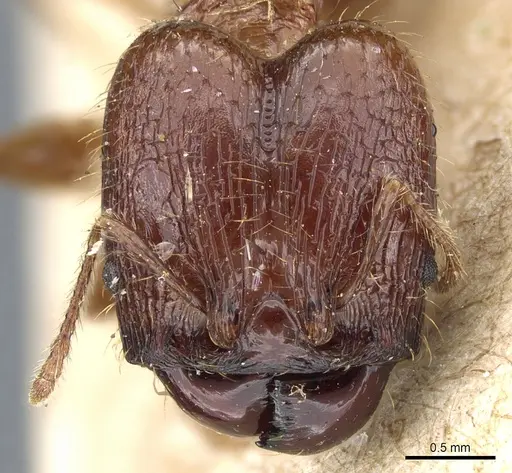
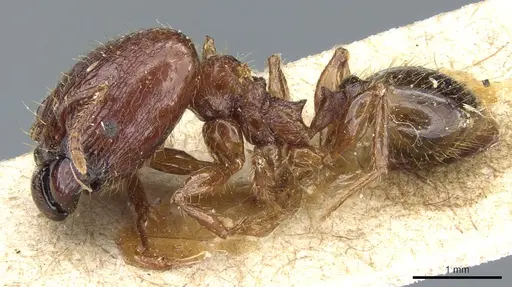
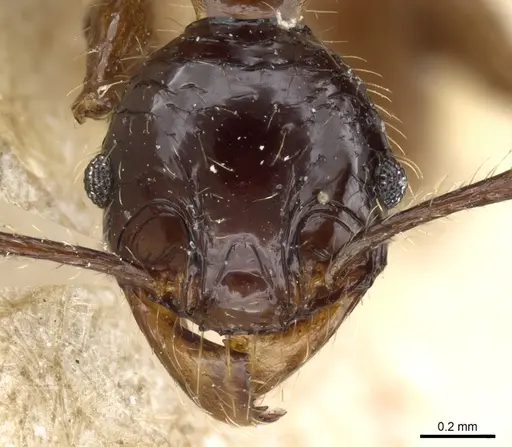
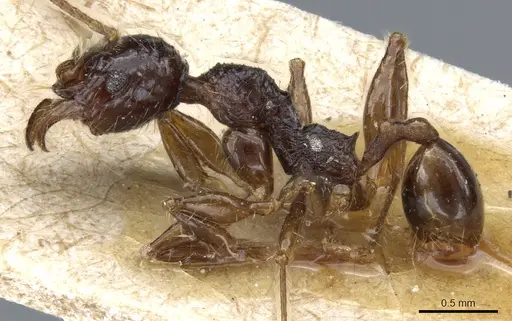
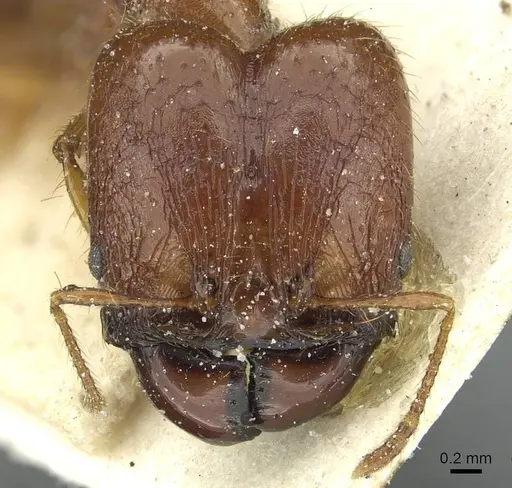
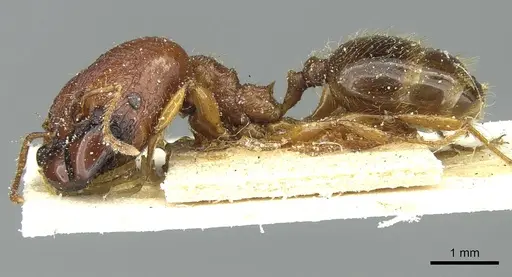
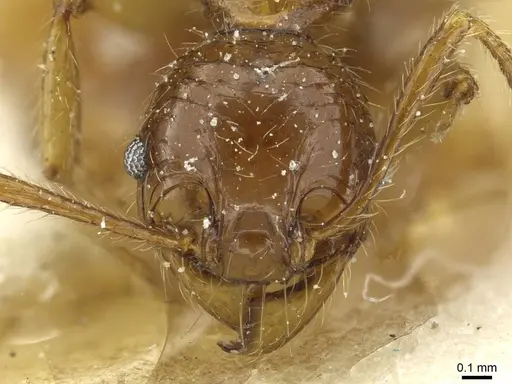
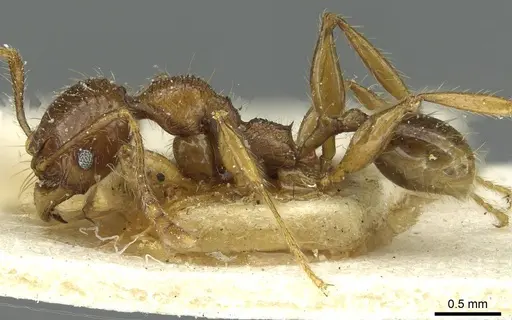
Pheidole hetschkoi is a seed-harvesting ant from the mountains of Brazil, recognizable by the dramatic size difference between its major and minor workers. Majors have large, powerful heads around 1.8-2.0mm wide with strong mandibles built for crushing seeds, while minors are slender with heads only 0.76-0.80mm wide [1][2]. They live in montane rainforests at elevations of 750-800 meters in the states of Santa Catarina, Espírito Santo, and São Paulo [2]. Unlike some close relatives, they actively collect and store seeds in their nests, a behavior documented at the Boraceia Biological Station where researchers found seed caches inside nests [2][1].
In captivity, these ants offer a fascinating look at caste specialization, with majors acting as living nutcrackers to process hard seeds that minors cannot open. However, their montane origins and tiny minor workers present specific challenges for keepers. They require moderate temperatures and excellent escape prevention to thrive.
Quick Summary
- Difficulty: Medium
- Origin & Habitat: Montane rainforest in southeastern Brazil (Santa Catarina, Espírito Santo, São Paulo states) at 750-800m elevation [2].
- Colony Type: Likely single-queen (monogyne) based on typical Pheidole patterns, though not directly confirmed in field studies.
- Colony: Monogyne
- Size & Growth:
- Queen: Unknown, likely 5-7mm based on typical Pheidole proportions (estimated).
- Worker: Major workers: head width 1.84-2.00mm [1][2], Minor workers: head width 0.76-0.80mm [1][2].
- Colony: Unknown, likely reaches hundreds to thousands of workers based on genus patterns (estimated).
- Growth: Moderate to fast (estimated based on tropical Pheidole patterns).
- Development: 6-10 weeks at 24°C (estimated based on related Pheidole species, not directly measured). (First workers (nanitics) may arrive slightly faster but will be smaller than subsequent workers.)
- Antkeeping:
- Temperature: Keep at 20-24°C with a gentle gradient [2]. Montane rainforest origin means they prefer moderate temperatures, avoid sustained heat above 26°C.
- Humidity: High humidity 60-80%, keep nest substrate moist but not waterlogged to mimic rainforest floor conditions [2].
- Diapause: Not required. As a tropical montane species, they do not need true hibernation, though colony activity may slow during cooler months (15-18°C) [2].
- Nesting: Use Y-tong (AAC) or plaster nests with multiple chambers. Provide a depth gradient from moist to slightly dry areas so ants can self-regulate [2].
- Behavior: Seed-harvesting specialists with distinct division of labor. Majors use powerful pressure bites to crack hard seeds, while minors forage and tend brood [1]. Minors are extremely small (under 1mm head width) and can escape through the tiniest gaps. Colonies show moderate aggression and will defend seed stores.
- Common Issues: minors are tiny (0.76mm head width) and escape through gaps that larger ants cannot, requiring excellent mesh and barriers., colonies may fail to produce major workers if protein intake is insufficient, majors require abundant food to develop., montane origin makes them sensitive to overheating, sustained temperatures above 26°C can stress or kill the colony., seed stores in the nest can mold if humidity is too high or ventilation is poor., slow initial growth can lead to overfeeding by impatient keepers, causing mold outbreaks.
Natural History and Habitat
Pheidole hetschkoi inhabits montane rainforests in southeastern Brazil, specifically in the states of Santa Catarina, Espírito Santo, and São Paulo at elevations between 750-800 meters [2]. This mountain habitat experiences cooler, more stable temperatures than lowland tropical forests. The species nests in the forest floor litter and soil, where they create seed caches, stored food reserves collected from the surrounding vegetation [2][1].
The montane environment means these ants experience consistent moisture and moderate temperatures year-round, without the extreme heat of lowland tropics. Keepers should replicate these stable, moderate conditions rather than assuming they want hot temperatures typical of lowland tropical ants.
Housing and Escape Prevention
Start founding queens in standard test tubes with water reservoirs. Once the first workers arrive, move them to a small formicarium, Y-tong (aerated concrete) or plaster nests work well and help maintain humidity [2].
Escape prevention is critical. Minor workers have heads only 0.76-0.80mm wide and can squeeze through incredibly small gaps [1][2]. Use fine mesh (under 0.5mm) for ventilation ports, and apply Fluon or PTFE barrier on all outworld walls. Check lid seals carefully, if a gap looks too small for an ant, it probably is not. Even standard formicarium joints may need sealing with petroleum jelly or additional caulking for this species.
Feeding and Diet
These ants are seed harvesters. In nature, they collect and store seeds in their nests, and majors use their powerful mandibles to crack hard seed coats [1][2]. In captivity, offer small seeds like millet, chia, amaranth, or grass seeds. Majors specifically need hard seeds to justify their existence, without seeds to crack, they may wander aimlessly or die off.
Supplement seeds with protein sources. Feed small live insects like fruit flies, springtails, or tiny crickets for the brood and developing majors. Majors require substantial protein during their pupal stage to develop their large heads and muscles. Provide sugar sources like honey water or sugar water in test tubes, though these are secondary to seeds and protein. Remove uneaten protein within 24-48 hours to prevent mold in the humid conditions they prefer.
Caste System and Major Worker Development
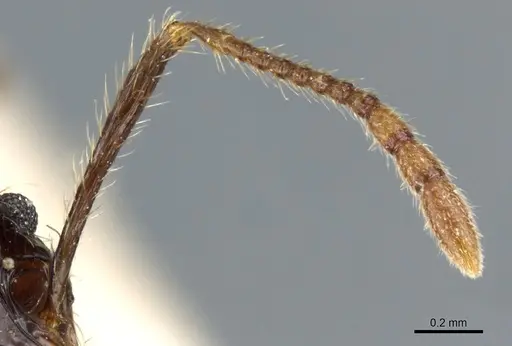
Pheidole hetschkoi shows extreme physical differences between castes. Major workers have heads 1.84-2.00mm wide with mandibles 1.10mm long, built for generating high pressure bites to crack seeds [1][2]. Minors have heads only 0.76-0.80mm wide with mandibles 0.65mm long, equipped with teeth for gripping and carrying [1].
Colonies typically start producing major workers once they reach 30-50 workers, though this varies by nutrition. To encourage major development, ensure the colony has abundant protein and seeds when they reach this size threshold. Do not be alarmed if your colony has only minors for the first few months, this is normal for young colonies. However, if no majors appear by 100 workers, increase protein feeding.
Temperature and Seasonal Care
Maintain temperatures between 20-24°C [2]. Use a heating cable or mat on one side of the nest to create a gentle gradient, but avoid overheating. Unlike lowland tropical ants that might prefer 26-28°C, this montane species thrives in the low-to-mid 20s.
Do not hibernate this species. As a tropical ant, they remain active year-round, though you may notice slowed brood development and reduced foraging if temperatures drop below 18°C. If your home gets cold in winter (below 18°C), provide gentle supplemental heat to maintain at least 20°C in the nest area.
Frequently Asked Questions
Can I keep Pheidole hetschkoi in a test tube?
Yes, start your queen in a standard test tube setup with a water reservoir. Move them to a small formicarium when they have 20-30 workers.
How long until Pheidole hetschkoi get their first workers?
Expect first workers in approximately 6-10 weeks at 24°C. This is an estimate based on related Pheidole species, as exact development time has not been documented for this species.
Do Pheidole hetschkoi need major workers to survive?
Yes, majors are essential for processing hard seeds, which form a significant part of their natural diet. Colonies without majors may struggle with food processing as they grow.
What seeds do Pheidole hetschkoi eat?
Offer small seeds like millet, chia, amaranth, or fine grass seeds. They naturally harvest and cache seeds in their nests, and their majors specialize in cracking hard seed coats.
Can I keep multiple Pheidole hetschkoi queens together?
Not recommended. Pheidole hetschkoi likely forms single-queen colonies (monogyne), and combining unrelated queens usually leads to fighting and death.
When should I move my Pheidole hetschkoi to a formicarium?
Move them when the colony reaches 20-50 workers. They will outgrow a test tube quickly, and the majors need space to maneuver with their large heads.
Do Pheidole hetschkoi need hibernation?
No, they do not need hibernation. Keep them active year-round at 20-24°C. They may slow down slightly in winter but do not require a cold period.
Why isn't my colony producing major workers?
Young colonies often have only minors for the first few months. Ensure you are feeding enough protein (insects) and seeds. Majors require significant resources to develop their large heads and muscles.
Are Pheidole hetschkoi good for beginners?
They are medium difficulty. While Pheidole are generally hardy, this species requires careful escape prevention due to tiny minors and specific temperature needs due to their montane origin. They are better for keepers with some experience.
References

This caresheet is licensed under CC BY-SA 4.0 .
CASENT0904372
View on AntWeb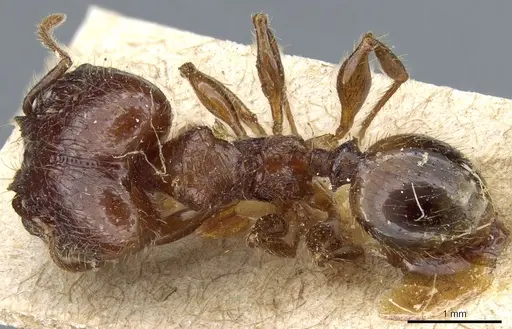
CASENT0904373
View on AntWeb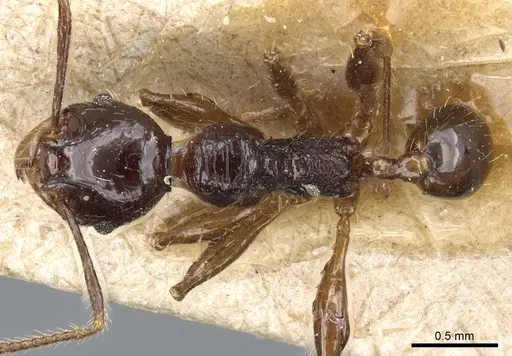
CASENT0913334
View on AntWeb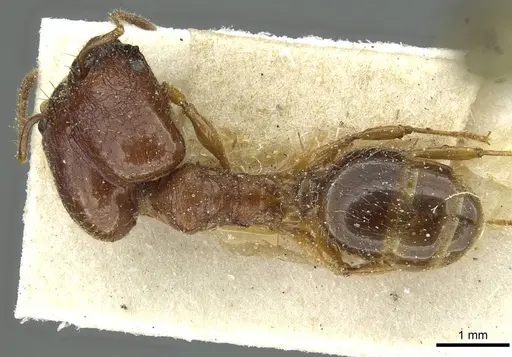
CASENT0913335
View on AntWeb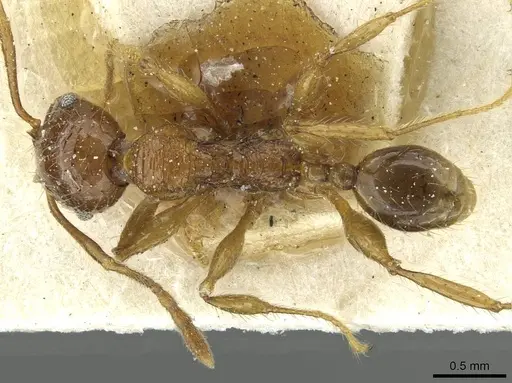
Literature
Loading...Loading products...