

Pheidole hercules
- Scientific Name
- Pheidole hercules
- Tribe
- Attini
- Subfamily
- Myrmicinae
- Author
- Donisthorpe, 1941
- Distribution
- Found in 2 countries
Pheidole hercules Overview
Pheidole hercules is an ant species of the genus Pheidole. It is primarily documented in 2 countries , including Indonesia, Papua New Guinea. Detailed taxonomic data and occurrence records can be further explored via authoritative databases such as AntWeb or the Global Biodiversity Information Facility (GBIF).
Pheidole hercules
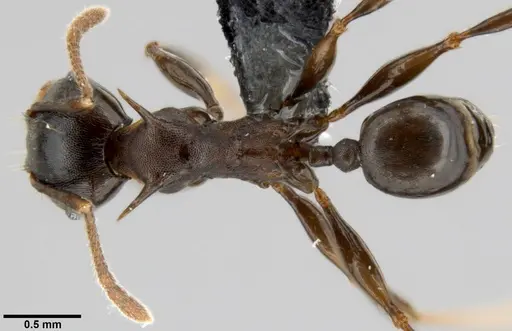
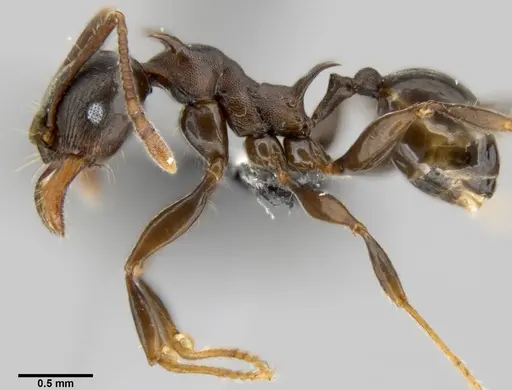
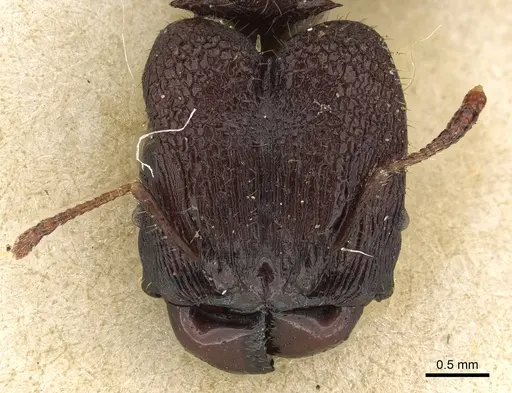
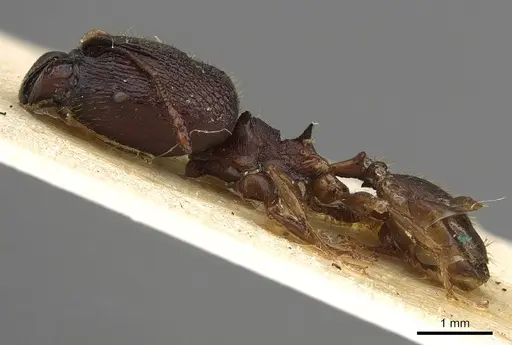
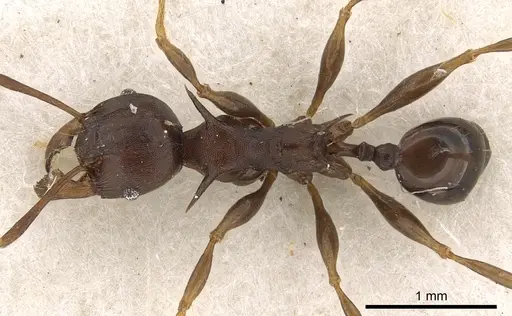
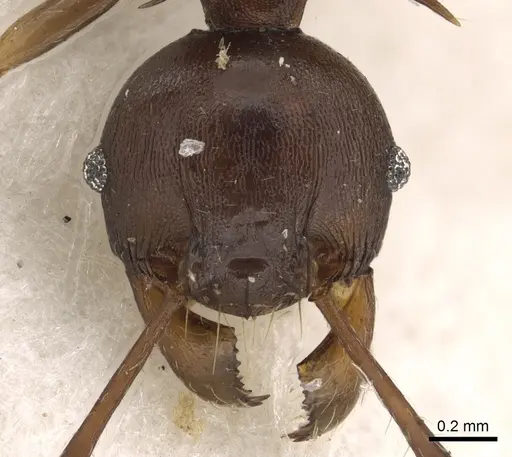
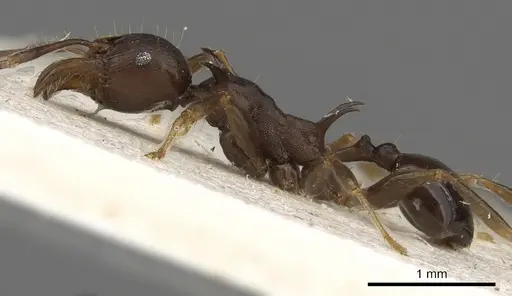
Pheidole hercules is a striking big-headed ant species native to New Guinea. Like all Pheidole species, they have two distinct worker castes: minor workers are small and slender, while major workers (soldiers) have dramatically enlarged heads that give them their common name. The genus Pheidole belongs to the tribe Attini, meaning they are fungus-growing ants, though they don't cultivate fungus like leaf-cutter ants, instead they maintain underground fungus gardens from collected organic matter. This species was described by Donisthorpe in 1941 from specimens collected in New Guinea [1].
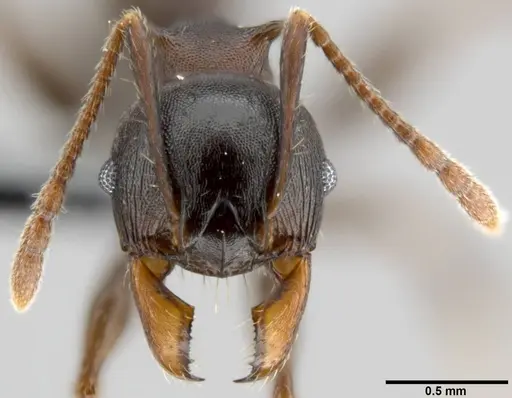
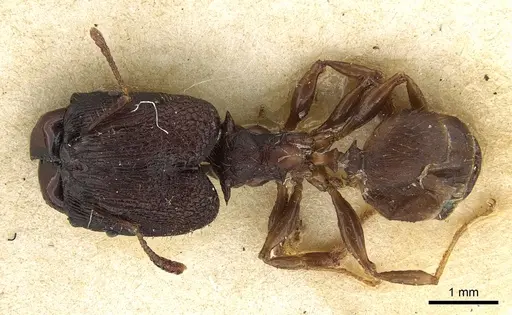
The major workers of P. hercules are particularly impressive, with large heads that house powerful mandibular muscles for seed-processing and defense. Research on their head morphology shows the wide head shape helps dissipate stress along the posterior margin, making their bite mechanically efficient [2]. These ants are ground-nesting and form moderate-sized colonies with distinct major and minor worker castes.
Quick Summary
- Difficulty: Medium
- Origin & Habitat: New Guinea (Papua New Guinea and Indonesian Papua), tropical rainforest and surrounding areas [1]
- Colony Type: Likely monogyne (single queen) based on typical Pheidole genus patterns. Pheidole colonies typically have one founding queen that establishes the colony alone.
- Colony: Monogyne
- Founding: Claustral
- Size & Growth:
- Queen: Estimated 8-10mm based on genus Pheidole queen size ranges
- Worker: Minor workers: 3-4mm, Major workers: 5-8mm with enlarged heads [2]
- Colony: Estimated 500-2000 workers based on typical Pheidole colony sizes
- Growth: Moderate, Pheidole colonies typically grow steadily over 1-3 years to reach full size
- Development: Estimated 6-8 weeks at tropical temperatures (25-28°C) based on typical Pheidole development (Development time is inferred from genus-level data, as species-specific timing has not been documented)
- Antkeeping:
- Temperature: Keep at 24-28°C (tropical species). A slight temperature gradient allows ants to regulate. Room temperature within this range works well, or use a heating cable on one side of the nest for cooler environments.
- Humidity: Moderate to high humidity (60-80%). Keep the nest substrate consistently moist but not waterlogged. These are forest-floor ants that prefer stable moisture conditions.
- Diapause: No, as a tropical species from New Guinea, they do not require hibernation. Maintain consistent temperatures year-round.
- Nesting: Pheidole hercules is a ground-nesting species. In captivity, they do well in Y-tong (AAC) nests, plaster nests, or naturalistic setups with soil substrate. They prefer dark, humid nest chambers. Given the large major workers, ensure chambers are appropriately sized.
- Behavior: Pheidole hercules has typical Pheidole temperament, generally peaceful but majors will defend the colony aggressively if threatened. Workers are active foragers that search for seeds, dead insects, and other organic matter. They have a strong recruitment system where minor workers lead majors to food discoveries. Escape risk is moderate, they are not particularly agile climbers but can squeeze through small gaps. Use standard escape prevention (Fluon on container edges).
- Common Issues: mold from excessive moisture, ensure ventilation prevents stagnant, overly damp conditions, colonies may stagnate if temperatures drop below 22°C, maintain warmth, major workers can get stuck in narrow tubing if passages are too small, overfeeding leads to mold problems, remove uneaten food promptly, wild-caught colonies may have parasites, quarantine and monitor new colonies
Housing and Nest Setup
Pheidole hercules does well in various captive setups. Y-tong (acrylic) nests work excellently, they provide the dark, humid environment these ants prefer while allowing you to observe colony development. Plaster nests with water reservoirs maintain humidity well, though you'll need to monitor for mold. For naturalistic setups, use a soil-filled container with hiding spots like cork bark or flat stones. The major workers are substantially larger than minors, so ensure any connecting tubes and chambers are wide enough to prevent majors getting stuck. A foraging area should be provided where you can offer food, connected to the nest via tubing. [1]
Feeding and Diet
As omnivorous fungus-growing ants, Pheidole hercules accepts a varied diet. Offer protein sources like small insects (fruit flies, small crickets, mealworms) 2-3 times per week. They also collect seeds, cracked seeds like millets are particularly popular and provide both food and entertainment as majors process them with their powerful jaws. Sugar sources like honey water or sugar water are readily accepted. Fresh water should always be available. Remove uneaten food within 24-48 hours to prevent mold. The colony will establish and maintain a small fungus garden from organic debris, which is normal behavior for Attini tribe members.
Temperature and Seasonal Care
Being a tropical species from New Guinea, Pheidole hercules requires warm conditions year-round. Maintain temperatures between 24-28°C. Below 22°C, colony activity decreases significantly and growth may stagnate. A heating cable placed on part of the nest can create a gradient if your room temperature is lower. They do not require any diapause or hibernation period, in fact, cold exposure can be harmful. Keep them away from drafts, air conditioning vents, and windows with direct sunlight that could cause temperature fluctuations. Consistent warmth is key to maintaining an active, growing colony.
Colony Development and Growth
Pheidole colonies grow through a predictable series of stages. After the claustral queen seals herself in, she lays eggs and raises the first brood entirely on her metabolic reserves. The first workers (nanitics) are typically smaller than normal minors. Once the first workers emerge, the queen stops foraging and devotes herself to egg-laying while workers handle all colony tasks. The colony will then grow steadily, producing more minors and eventually majors as the colony reaches several hundred workers. The ratio of majors to minors varies by colony size and species, but majors typically make up 10-30% of the worker population. A healthy colony can reach 1000+ workers over 2-3 years under optimal conditions.
Behavior and Defense
The most distinctive behavioral trait of Pheidole species is the division of labor between worker castes. Minor workers handle most tasks: foraging, caring for brood, maintaining the nest, and tending the fungus garden. Major workers (soldiers) specialize in defense and seed processing, their large heads contain massive mandibular muscles capable of generating powerful bites. When the colony is threatened, majors will rush to defend the nest entrance or attack the threat. They are not aggressive toward humans but will bite if handled. Workers communicate through chemical trails and will recruit nestmates to food discoveries using tandem-running or chemical signaling.
Frequently Asked Questions
How long does it take for Pheidole hercules to get their first workers?
Expect first workers (nanitics) approximately 6-8 weeks after the queen lays eggs, assuming temperatures are maintained at 25-28°C. This timeline is based on typical Pheidole development patterns, as species-specific timing has not been documented.
Can I keep multiple Pheidole hercules queens together?
Not recommended. Pheidole species are typically monogyne, meaning one queen per colony. Combining unrelated queens typically results in fighting. If you obtain a wild colony, it will likely have only one reproductive queen.
What do Pheidole hercules ants eat?
They are omnivorous. Offer small insects (fruit flies, pinhead crickets, mealworms) as protein 2-3 times weekly, cracked seeds or grains, and sugar water or honey as a constant carbohydrate source. They will also collect organic debris for their fungus garden.
Are Pheidole hercules good for beginners?
They are rated as medium difficulty. They require warm, humid conditions typical of tropical ants, and their colony growth is moderate. They are more demanding than beginner species like Lasius but less challenging than some exotic ants. They are rewarding to watch due to the dramatic size difference between major and minor workers.
When should I move Pheidole hercules to a formicarium?
Keep newly caught or newly founded colonies in a test tube setup until they have 20-30 workers. Once the test tube becomes crowded or you see workers spending more time in the foraging area, you can transfer them to a formicarium. For Pheidole, this is typically when the colony is 6-12 months old.
Do Pheidole hercules need hibernation?
No. As a tropical species from New Guinea, they do not require hibernation or winter cooling. Maintain consistent temperatures of 24-28°C year-round. Cold exposure can stress or kill the colony.
How big do Pheidole hercules colonies get?
Based on typical Pheidole colony sizes, expect 500-2000 workers at full maturity. The colony will develop over 2-3 years under optimal conditions, with majors appearing once the colony reaches several hundred workers.
Why are my Pheidole hercules dying?
Common causes include: temperatures below 22°C causing stagnation, excessive moisture leading to mold, poor ventilation, or stress from disturbance. Check that temperatures are in the 24-28°C range, humidity is moderate (not waterlogged), and the colony is in a quiet location. Wild-caught colonies may also carry parasites.
References

This caresheet is licensed under CC BY-SA 4.0 .
Literature
Loading...Loading products...