

Pheidole haywardi
- Scientific Name
- Pheidole haywardi
- Tribe
- Attini
- Subfamily
- Myrmicinae
- Author
- Kusnezov, 1952
- Distribution
- Found in 1 countries
Pheidole haywardi Overview
Pheidole haywardi is an ant species of the genus Pheidole. It is primarily documented in 1 countries , including Paraguay. Detailed taxonomic data and occurrence records can be further explored via authoritative databases such as AntWeb or the Global Biodiversity Information Facility (GBIF).
Pheidole haywardi
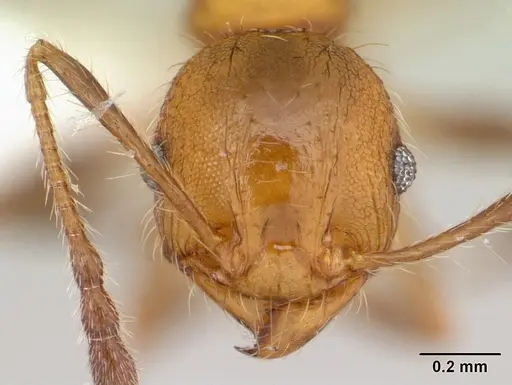
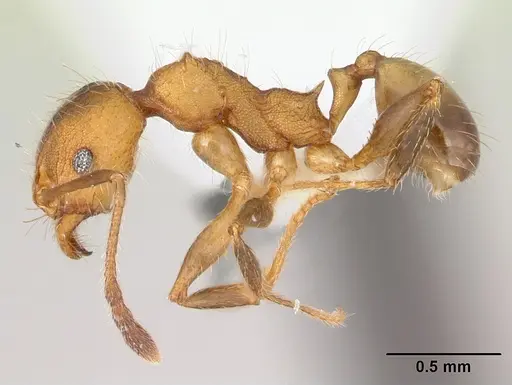
Pheidole haywardi is a Pheidole ant species originally described from Argentina in 1952. Workers are typical of the genus Pheidole, characterized by a marked size polymorphism with soldiers having enlarged, rectangular heads. The species is found in the Mesopotamian region of Argentina (particularly Misiones province) and Paraguay [1]. The taxonomic status of this species is considered uncertain, placed as incertae sedis within the genus, meaning its precise identification within the genus is not fully resolved [2].
As a member of the Generalized Myrmicinae functional group [1], this species likely shares typical Pheidole behaviors, they are omnivorous ants that seed-spread and form colonies with a single queen. The genus Pheidole is known for its 'big-headed' soldiers that specialize in seed-cracking and colony defense.
Quick Summary
- Difficulty: Medium
- Origin & Habitat: Native to the Mesopotamian region of Argentina (Misiones province) and Paraguay in the Neotropical region. Found in subtropical forest habitats typical of the area [1][2].
- Colony Type: Single-queen (monogyne) colonies typical of most Pheidole species, though this specific species has not been extensively studied.
- Colony: Monogyne
- Founding: Claustral
- Size & Growth:
- Queen: Estimated 6-8mm based on typical Pheidole genus patterns
- Worker: 3-5mm minor workers, soldiers significantly larger with enlarged heads
- Colony: Likely reaches several thousand workers typical of Pheidole genus
- Growth: Moderate
- Development: Estimated 6-8 weeks based on typical Pheidole development at warm temperatures (Development time inferred from genus patterns, this species has not been directly studied)
- Antkeeping:
- Temperature: Keep at 22-26°C, subtropical species requiring warm conditions. A heating cable on one side of the nest creates a suitable gradient.
- Humidity: Moderate humidity around 50-60%. Keep nest substrate slightly moist but allow some drying areas.
- Diapause: Likely reduced activity during cooler months but full hibernation is not typical for this subtropical species.
- Nesting: Y-tong (AAC) nests or plaster nests work well. They adapt to various nest types but prefer enclosed spaces with narrow chambers.
- Behavior: Typical Pheidole temperament, not particularly aggressive but soldiers will defend the colony. Workers are active foragers that search for seeds and protein. Escape risk is moderate due to their small size, use standard barrier methods. They are primarily ground-nesting and may accept protein foods readily.
- Common Issues: limited species-specific data makes precise care recommendations uncertain, subtropical temperature requirements mean colonies may struggle in cool rooms, small colony size initially means careful feeding to prevent spoilage, test tube setups work for founding but may need transitioning to larger setups as colony grows
Nest Preferences
Pheidole haywardi is a ground-nesting ant that in the wild would nest in soil under stones or in rotting wood in the forest floor of the Mesopotamian region. For captive care, Y-tong (AAC) nests or plaster nests work well. They do well in test tubes during the founding stage, simply place the queen in a humid test tube with a water reservoir and darken the setup. As the colony grows to 50+ workers, consider transitioning to a formicarium with multiple chambers. The nest should have chambers scaled to their size, not too large or the colony may feel exposed. [1]
Feeding and Diet
Like most Pheidole species, these ants are omnivorous and will accept a variety of foods. Their diet in nature consists of seeds, dead insects, and honeydew from aphids. In captivity, offer protein sources like small crickets, mealworms, or other small insects twice weekly. They also readily accept sugar sources such as honey water or sugar water. Seeds can be offered as enrichment, soldiers have specialized head muscles for cracking seeds. Remove uneaten protein after 24-48 hours to prevent mold. A constant supply of sugar water is recommended once workers are active.
Temperature and Care
Being a subtropical species from Argentina and Paraguay, Pheidole haywardi requires warm temperatures. Keep the nest area at 22-26°C for optimal brood development. A heating cable placed on top of the nest (never underneath to avoid drying) can create a gentle temperature gradient allowing the ants to self-regulate. Avoid temperatures below 18°C for extended periods. Room temperature may suffice in warm climates but monitor colony activity, if workers cluster together excessively, they may need additional warmth. Maintain moderate humidity of 50-60% in the nest area.
Behavior and Temperament
Pheidole haywardi displays typical Pheidole genus behavior. Colonies are not particularly aggressive but will deploy soldiers (major workers) when the nest is disturbed. Soldiers have characteristic enlarged heads used for cracking seeds and colony defense. Workers are active foragers that readily search for food throughout the outworld. The colony will establish clear foraging trails once established. Escape prevention is important, while not extreme escape artists, use standard barrier methods like fluon on test tube rims. They are diurnal and most active during daylight hours.
Frequently Asked Questions
How long does it take for Pheidole haywardi to raise first workers?
Based on typical Pheidole genus patterns, expect first workers (nanitics) in approximately 6-8 weeks after the queen lays eggs, assuming temperatures around 24°C. The queen will remain sealed in her founding chamber until the first workers emerge.
Can I keep multiple Pheidole haywardi queens together?
Not recommended. Like most Pheidole species, they are likely monogyne (single-queen colonies). Combining unrelated queens typically results in fighting and colony failure. Only attempt pleometrosis (multiple queen founding) with careful monitoring and be prepared to separate if aggression occurs.
What do Pheidole haywardi ants eat?
They are omnivorous. Offer small insects (crickets, mealworms, fruit flies) as protein twice weekly, and provide a constant sugar source (honey water or sugar water). They will also collect seeds, which soldiers can crack open using their specialized head muscles.
Are Pheidole haywardi good for beginners?
They are moderate difficulty, more challenging than beginner species like Lasius but easier than some exotic tropical ants. The main considerations are maintaining warm temperatures and providing appropriate protein foods. Their moderate growth rate and manageable colony size make them suitable for intermediate antkeepers.
Do Pheidole haywardi need hibernation?
Full hibernation is not required for this subtropical species. However, they may experience reduced activity during cooler months. If room temperature drops significantly in winter, you may reduce feeding and allow a cool period of 15-18°C for a few months, but this is not mandatory.
When should I move Pheidole haywardi from a test tube to a formicarium?
Transition when the colony reaches 30-50 workers and the test tube shows signs of stress (workers avoiding the water end, excessive condensation, or the queen moving away from the humid area). A Y-tong or plaster nest works well for the transition.
How big do Pheidole haywardi colonies get?
Based on typical Pheidole genus patterns, colonies can reach several thousand workers at maturity. The presence of distinct soldier castes helps with colony organization and resource processing.
Why is Pheidole haywardi considered taxonomically uncertain?
The species was described in 1952 but subsequent taxonomic review has placed it as incertae sedis (uncertain placement) within the genus Pheidole. This means the species identity cannot be definitively confirmed, likely due to incomplete original description or confusion with similar species.
What temperature is ideal for Pheidole haywardi?
Keep nest temperatures between 22-26°C. This subtropical species requires warmth for proper brood development. A heating cable on top of the nest can maintain stable temperatures, or ensure room temperature stays within this range.
References

This caresheet is licensed under CC BY-SA 4.0 .
CASENT0178030
View on AntWeb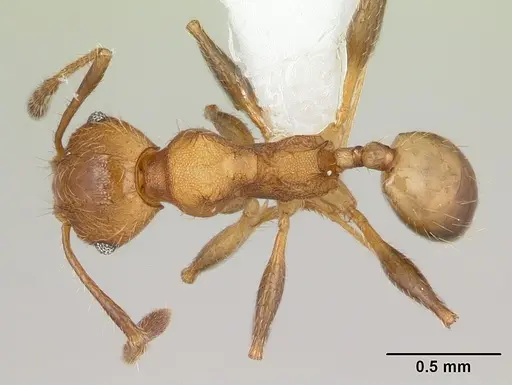
Literature
Loading...Loading products...