

Pheidole havilandi
- Scientific Name
- Pheidole havilandi
- Tribe
- Attini
- Subfamily
- Myrmicinae
- Author
- Forel, 1911
- Distribution
- Found in 3 countries
Pheidole havilandi Overview
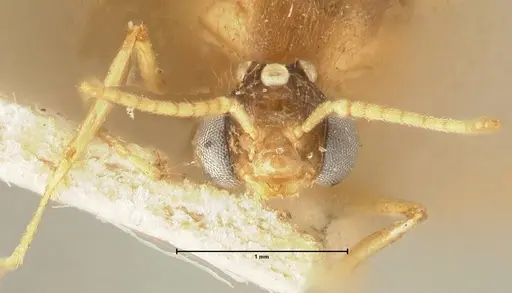
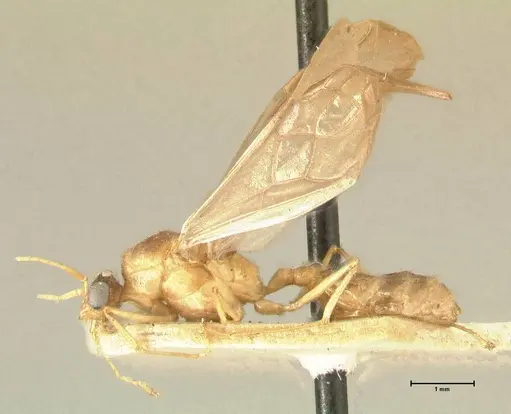
Pheidole havilandi is an ant species of the genus Pheidole. It is primarily documented in 3 countries , including Costa Rica, Indonesia, Malaysia. Detailed taxonomic data and occurrence records can be further explored via authoritative databases such as AntWeb or the Global Biodiversity Information Facility (GBIF).
Pheidole havilandi
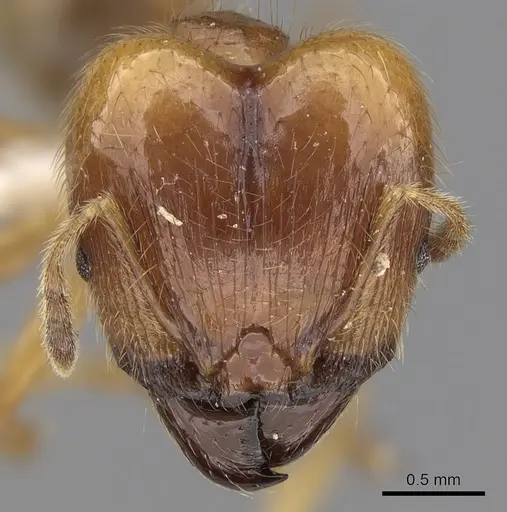
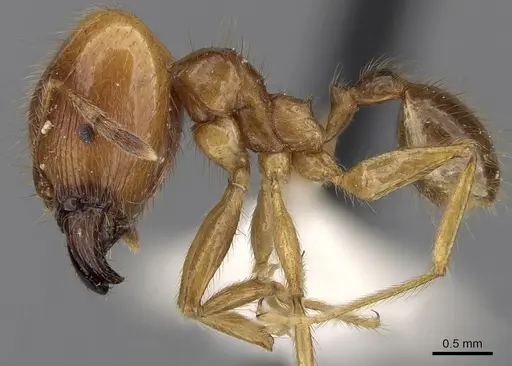
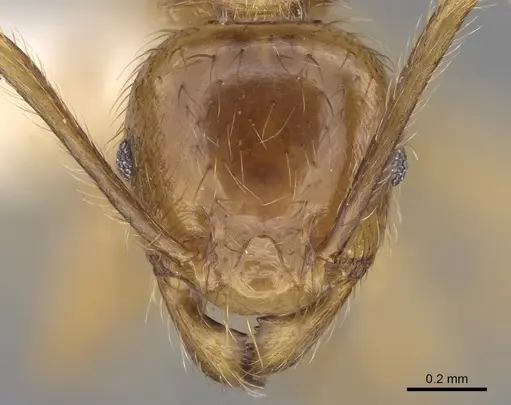
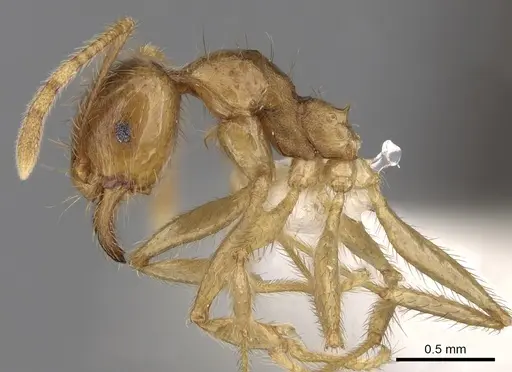
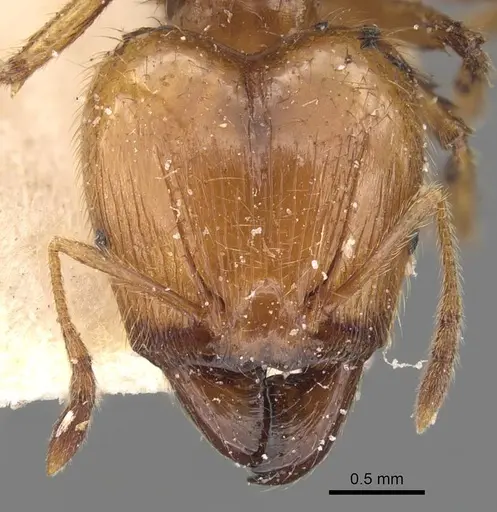
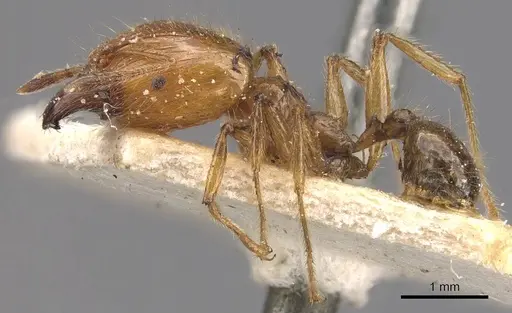
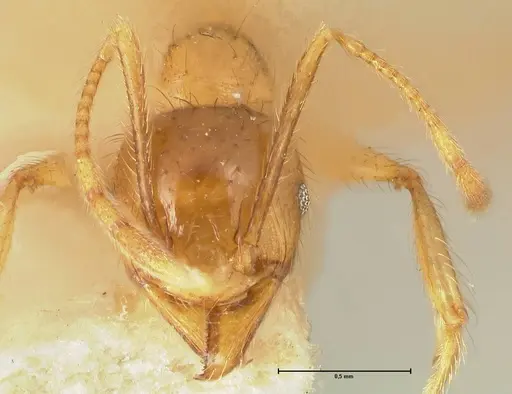
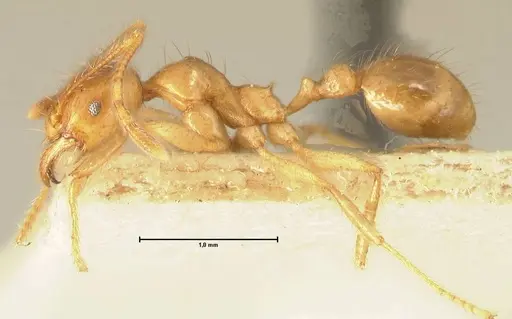
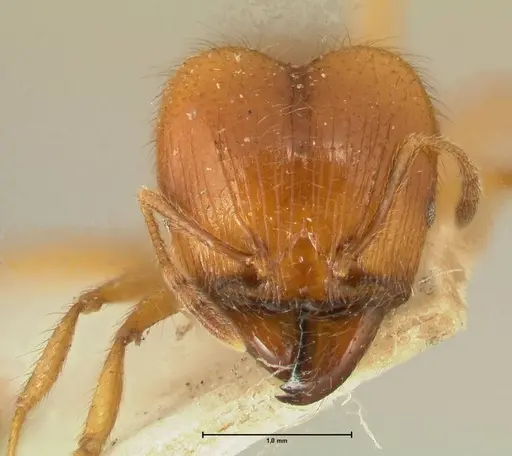
Pheidole havilandi is a relatively large Pheidole species native to Southeast Asia, found across southern Malay Peninsula, Borneo, Sumatra, and the Mentawai Islands. These ants inhabit well-developed forests from lowlands to hill areas up to around 1000m altitude. The species is easily recognized by the major workers' large, distinctive heads and the minor workers' smooth, shiny bodies. Colonies nest in spaces under bark of buttress roots and in shelters made of soil and wood particles on roots. This species has an interesting relationship with a true bug (Neuroctenus sp.) that lives among them, the bugs are likely mycophagous, feeding on fungi rather than producing honeydew, though the ants may prey on them during food shortages. Workers are 2.5-2.9mm (minors) and 3.5-4.7mm (majors) [1][2].
Quick Summary
- Difficulty: Medium
- Origin & Habitat: Southern Malay Peninsula, Borneo, Sumatra, and Mentawai Islands. Inhabits well-developed tropical forests from lowlands to hill areas up to approximately 1000m altitude [1].
- Colony Type: Single-queen colonies are typical for this genus. Colony size likely reaches several hundred workers based on related Pheidole species [1].
- Colony: Monogyne
- Founding: Claustral
- Size & Growth:
- Queen: Unconfirmed, likely 7-9mm based on genus patterns
- Worker: Minors 2.5-2.9mm, majors 3.5-4.7mm [1]
- Colony: Likely several hundred workers based on related species
- Growth: Moderate, typical for tropical Pheidole
- Development: Estimated 6-8 weeks at tropical temperatures based on genus patterns (Development time inferred from related tropical Pheidole species)
- Antkeeping:
- Temperature: Keep at 24-28°C. These are tropical forest ants requiring warm, stable conditions. A heating cable on one side of the nest creates an appropriate gradient [1].
- Humidity: Keep moderately to high humidity (60-80%). Their natural habitat is damp forest floor with rotting wood. The nest substrate should remain moist but not waterlogged. Provide a water tube for drinking water [1].
- Diapause: No, as a tropical species, they do not require hibernation. Maintain warm temperatures year-round [1].
- Nesting: In captivity, they do well in Y-tong (AAC) nests, plaster nests, or naturalistic setups with rotting wood and soil. They prefer nesting in dark, humid spaces with some wood material. Avoid dry, airy conditions [1].
- Behavior: These ants are active foragers with typical Pheidole behavior, majors defend the nest and help process large prey while minors handle most foraging and brood care. They are not particularly aggressive toward keepers but will defend their nest if threatened. Minor workers are small enough to pose some escape risk, use fine mesh barriers. They are primarily predatory, hunting small invertebrates [2].
- Common Issues: tropical humidity requirements mean colonies can suffer in dry rooms, monitor moisture levels closely, small minor workers can escape through standard test tube cotton, use fine mesh barriers, predatory diet means they need regular protein input, sugar alone will not sustain the colony, slow founding phase typical of Pheidole, new keepers may lose patience during claustral period, wild-caught colonies may contain the associated Aradidae bugs which are harmless but may startle keepers
Housing and Nest Setup
Pheidole havilandi does well in several nest types. Y-tong (AAC) nests work excellently because they provide the dark, humid environment these ants prefer. Plaster nests are also suitable, just keep them moist but not saturated. For a naturalistic approach, use a setup with rotting wood pieces and a soil layer that stays damp. The key is providing humid, enclosed spaces where the colony can nest away from light. An outworld for foraging is essential, these ants are active hunters and need space to search for prey. Use a test tube setup for founding colonies, then move to a proper nest once the colony reaches 20-30 workers. Escape prevention is important because minor workers are small, apply Fluon or use tight-fitting lids with fine mesh [1].
Feeding and Diet
Based on stable isotope studies showing δ15Ncor=4.70,P. havilandi is predatory and feeds at a higher trophic level [2]. Offer small live prey like fruit flies, pinhead crickets, small mealworms, and other tiny arthropods. They will also accept protein-rich foods like boiled egg, chicken, or fish, crush these into small pieces. Sugar sources are accepted, offer honey water or sugar water occasionally, but protein should be the primary food. Feed every 2-3 days, removing uneaten prey after 24 hours. The major workers will help process larger prey items while minors do most of the foraging and brood care, typical of Pheidole behavior [2].
Temperature and Seasonal Care
As a tropical forest species from Southeast Asia, P. havilandi requires warm temperatures year-round. Keep the nest area at 24-28°C. A heating cable placed on one side of the nest creates a gentle temperature gradient that allows the ants to regulate their own exposure. Room temperature may be sufficient if your home stays in this range, otherwise use a small heat mat or cable. These ants do not require hibernation or cooling periods, maintaining consistent warmth is more important than any seasonal changes. Avoid temperature drops below 22°C as this can slow brood development and reduce colony activity [1].
Colony Development and Growth
Pheidole colonies typically grow moderately fast once the first workers (nanitics) emerge. A claustral queen seals herself in a chamber and raises the first brood alone on stored fat reserves, do not disturb a founding colony during this phase. After nanitics emerge (likely around 6-8 weeks at tropical temperatures), the queen resumes egg-laying and the colony begins growing. Expect the colony to reach 50-100 workers within the first year under good conditions. Major workers (soldiers) appear once the colony is established enough to support them, these large-headed workers help process prey and defend the nest. Growth rate depends on feeding quality and temperature consistency [1].
Behavior and Observation
Watching Pheidole havilandi reveals fascinating division of labor. Minor workers handle most tasks: foraging, caring for brood, and tending the queen. Major workers have enlarged heads filled with muscles for crushing and processing large prey items, they typically stay near the nest but will emerge to help with substantial food finds. The ants are not particularly aggressive but will bite if their nest is threatened. In the wild, this species nests under bark and in soil shelters on buttress roots, often hosting symbiotic bugs (Neuroctenus sp.) that feed on fungi. In captivity, they will explore their outworld actively, hunting down prey items systematically. Their small size and fast movement make them entertaining to watch [1].
Frequently Asked Questions
How long does it take for Pheidole havilandi to raise first workers?
Expect 6-8 weeks from egg to first worker at optimal tropical temperatures (24-28°C). This is typical for Pheidole species. Do not disturb the founding queen during this claustral period, she seals herself in and raises the first brood alone.
What do Pheidole havilandi ants eat?
They are primarily predatory. Feed small live prey like fruit flies, pinhead crickets, and small mealworms. They also accept protein sources like crushed boiled egg or chicken. Offer sugar water or honey water occasionally, but protein should be the main diet.
Do Pheidole havilandi ants need hibernation?
No. As a tropical species from Southeast Asia, they do not hibernate. Keep them warm year-round at 24-28°C. Cold temperatures will slow their development and may harm the colony.
How big do Pheidole havilandi colonies get?
Based on related species, colonies likely reach several hundred workers. Major (soldier) workers appear once the colony is established, distinguished by their large heads.
What size are Pheidole havilandi workers?
Minor workers are 2.5-2.9mm and major workers are 3.5-4.7mm. The majors have notably large heads with powerful mandibles for processing prey.
Can I keep multiple Pheidole havilandi queens together?
No. This species is monogyne, single-queen colonies are typical. Combining unrelated queens is not recommended and would likely result in fighting.
What nest type is best for Pheidole havilandi?
Y-tong (AAC) nests or moist plaster nests work well. They prefer dark, humid enclosed spaces. A naturalistic setup with rotting wood and damp soil is also suitable. Avoid dry, airy conditions.
Where is Pheidole havilandi found in the wild?
This species lives in Southern Malay Peninsula, Borneo, Sumatra, and the Mentawai Islands. They inhabit well-developed tropical forests from lowlands to hills up to about 1000m altitude, typically nesting under bark and in soil shelters on buttress roots.
Are Pheidole havilandi good for beginners?
They are medium difficulty. The main challenges are maintaining tropical humidity, providing regular protein prey, and preventing escapes due to their small size. Experienced antkeepers will have better success with this species.
References

This caresheet is licensed under CC BY-SA 4.0 .
CASENT0281718
View on AntWeb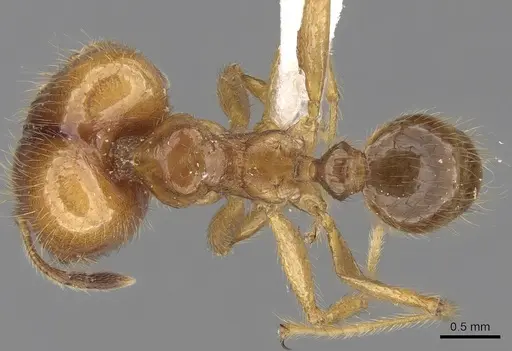
CASENT0281719
View on AntWeb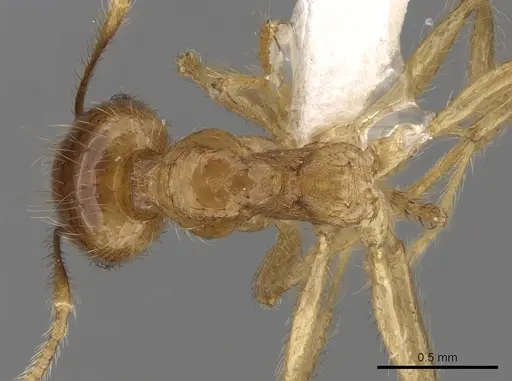
CASENT0907883
View on AntWeb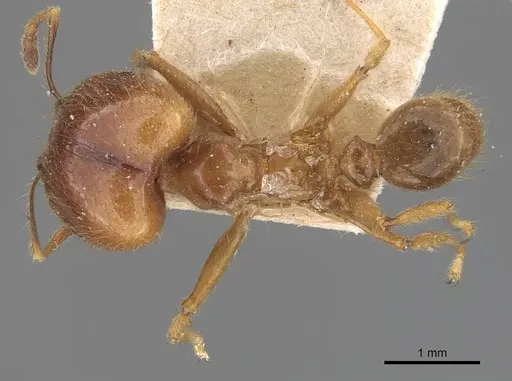
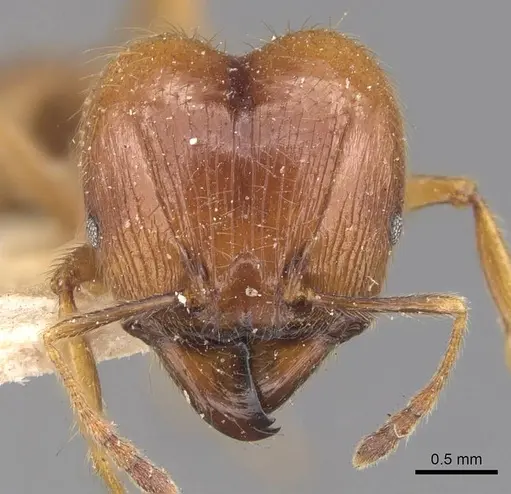
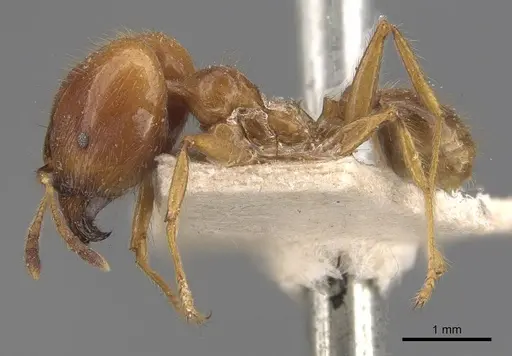
CASENT0907884
View on AntWeb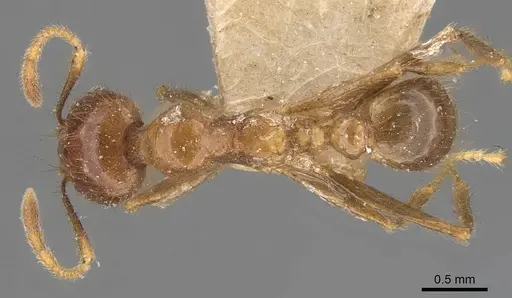
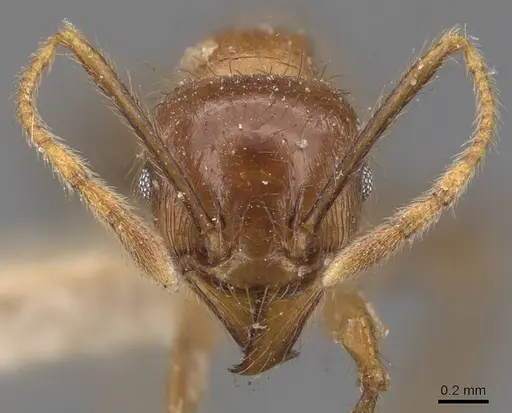
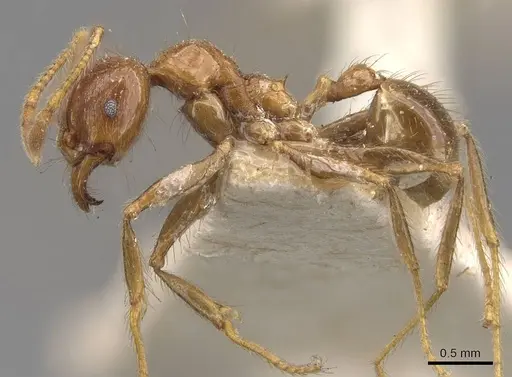
CASENT0907885
View on AntWeb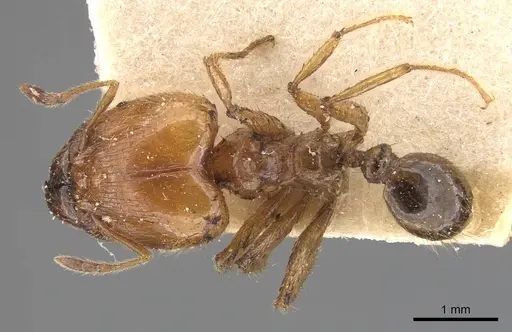
CASENT0907886
View on AntWeb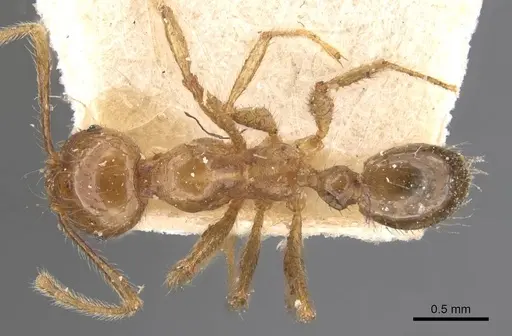
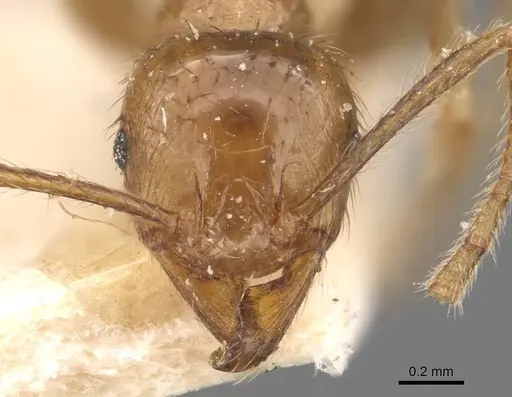
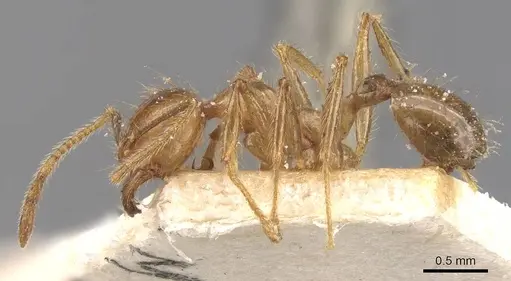
CASENT0907887
View on AntWeb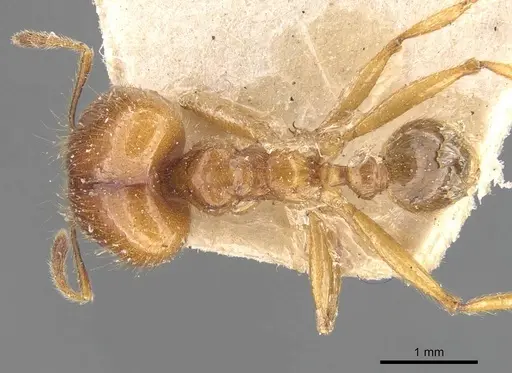
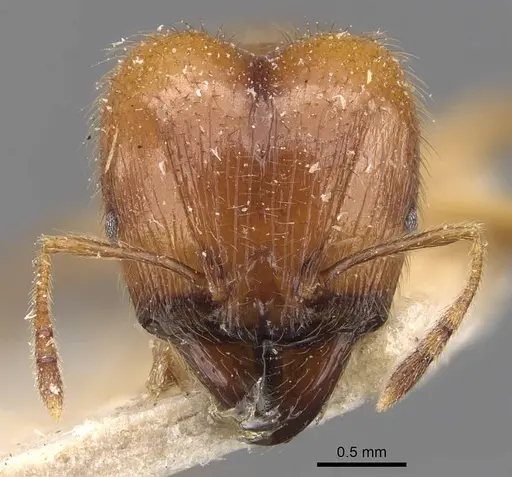
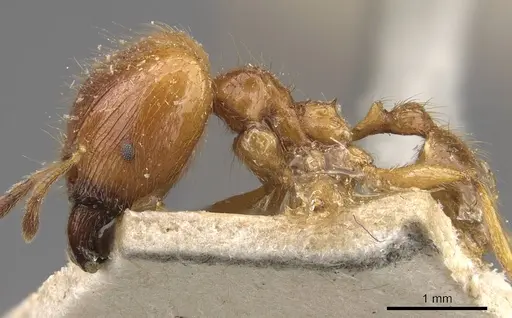
CASENT0907888
View on AntWeb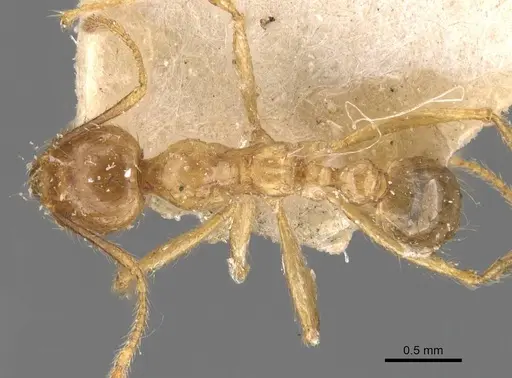
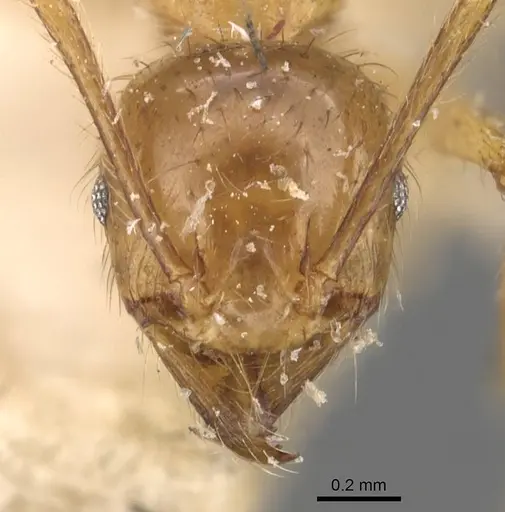
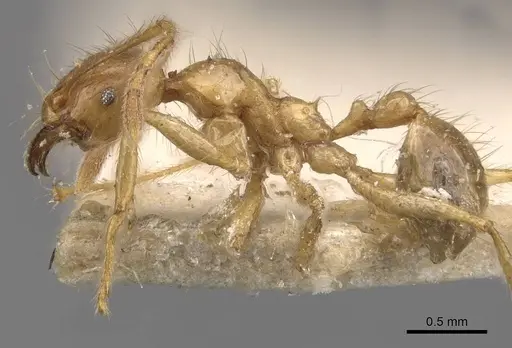
FOCOL1402
View on AntWeb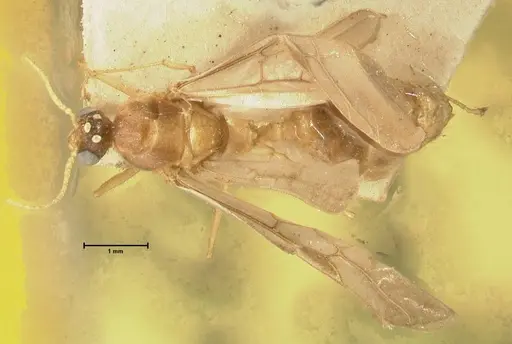
FOCOL1403
View on AntWeb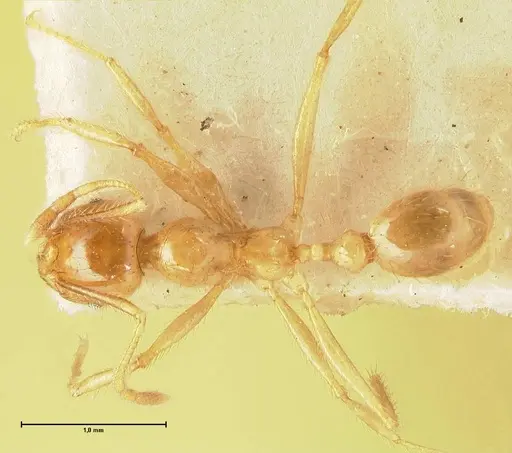
FOCOL1404
View on AntWeb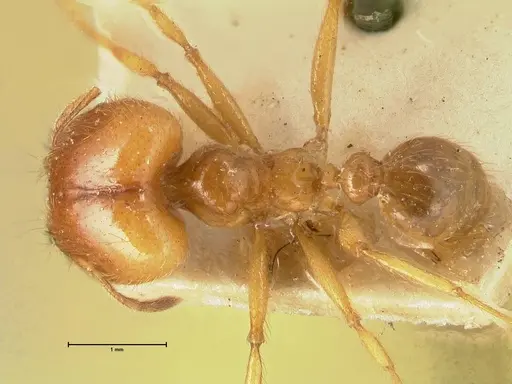
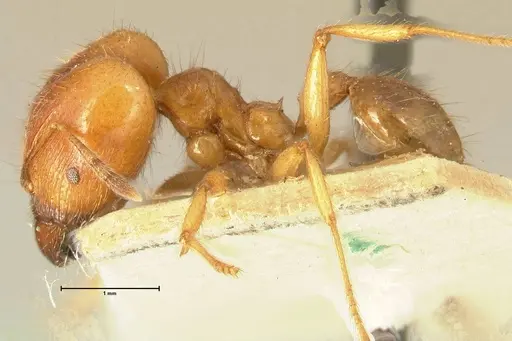
FOCOL1405
View on AntWeb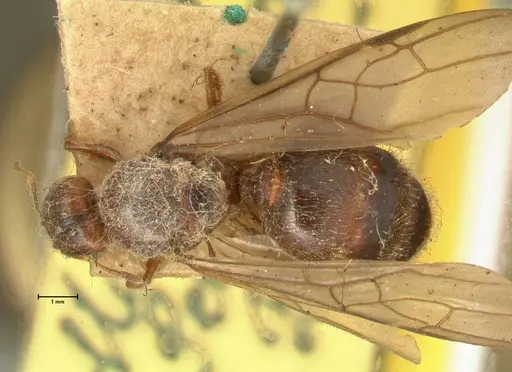
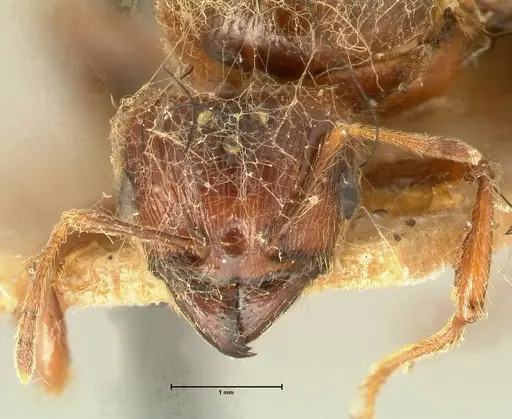
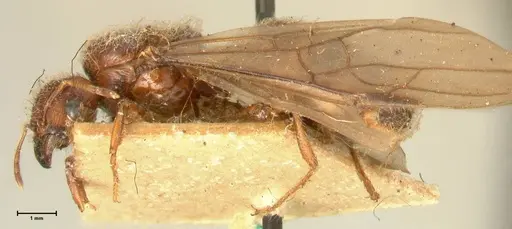
Literature
Loading...Loading products...