

Pheidole guerrerana
- Scientific Name
- Pheidole guerrerana
- Tribe
- Attini
- Subfamily
- Myrmicinae
- Author
- Wilson, 2003
- Distribution
- Found in 4 countries
Pheidole guerrerana Overview
Pheidole guerrerana is an ant species of the genus Pheidole. It is primarily documented in 4 countries , including Guatemala, Honduras, Mexico. Detailed taxonomic data and occurrence records can be further explored via authoritative databases such as AntWeb or the Global Biodiversity Information Facility (GBIF).
Pheidole guerrerana - "Guerrero Big-Headed Ant"
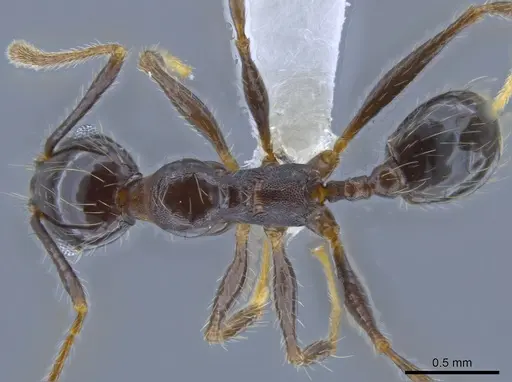
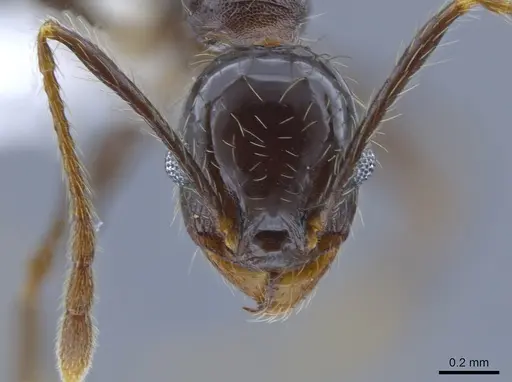
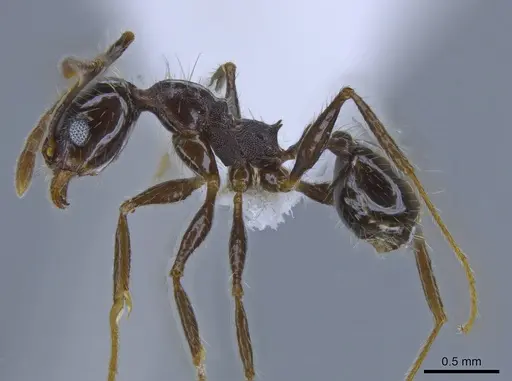
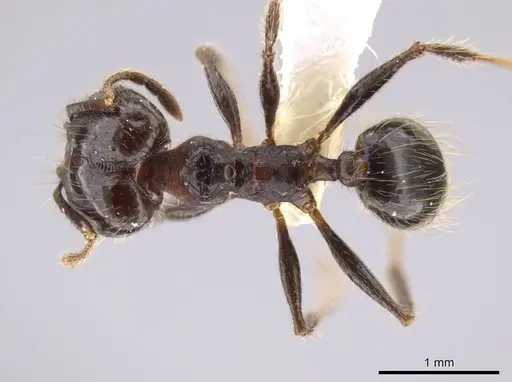
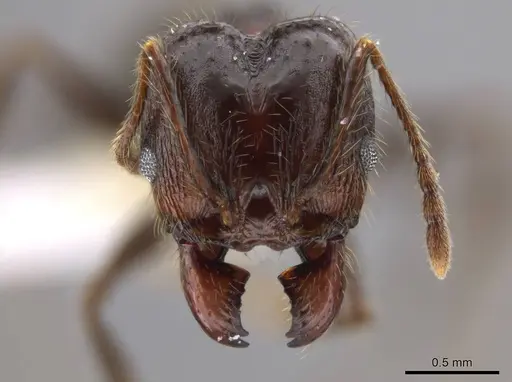
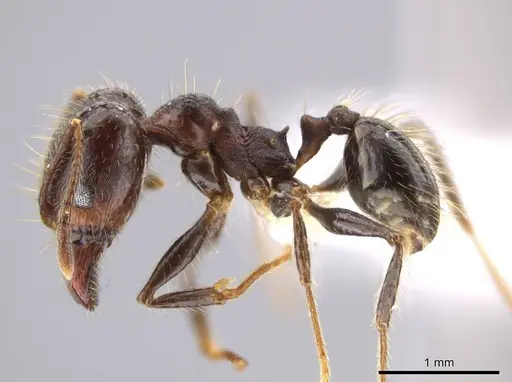
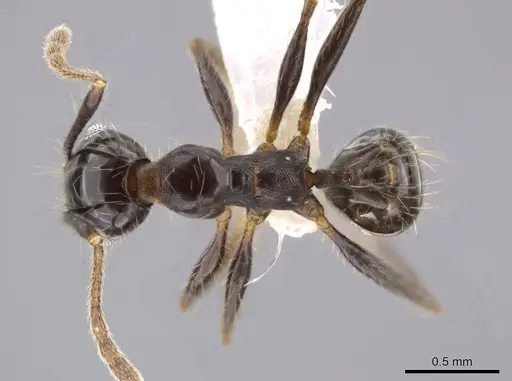
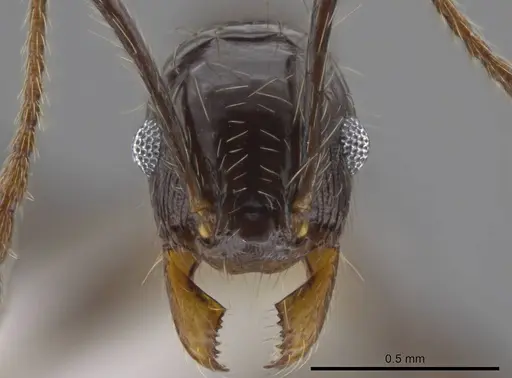
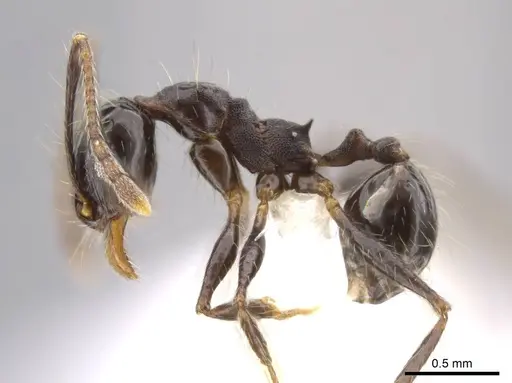
Pheidole guerrerana is a distinctive ant species from the diverse Pheidole genus, often called 'big-headed ants' due to their characteristic major workers. This species exhibits dimorphism, meaning the worker caste is divided into two distinct subcastes: smaller minor workers and larger major workers (also known as soldiers) with significantly enlarged heads and mandibles. Minor workers of P. guerrerana are noted for their extremely long pilosity (hairs) over most of their body. Major workers have a very extensive rugoreticulum (a network of wrinkles or ridges) on their heads, dense and long pilosity, and a diamond-shaped postpetiole when viewed from above. Their heads can be indistinctly bicolorous, with yellow and yellowish-brown sections, while the mesosoma and appendages are yellowish-brown, and the waist and gaster are plain light brown. This species was originally found nesting beneath a rock in a forest clearing.
- Difficulty: Medium
- Origin & Habitat: Neotropical Region (Guatemala, Honduras, Mexico, Nicaragua), with the type locality in Guerrero, Mexico. in Forest clearings, typically found nesting under rocks..
- Colony Type: Monogyne, claustral founding.
- Size & Growth:
- Queen: Not specified
- Worker: 0.58-1.28mm
- Colony: Large (tens of thousands). Medium growth.
- Antkeeping:
- Temperature: Ideally, maintain a temperature range between 24-28°C for optimal brood development and colony activity. While they can tolerate room temperature, providing a slight heat gradient can accelerate their metabolism and growth..
- Humidity: Pheidole guerrerana thrives in high humidity, preferring levels between 60-70%, though they can tolerate up to 80%. Maintaining consistent moisture in the nest is crucial for the health of their brood..
- Diapause: Not required. Not specified at Not specified.
- Nesting: Given their tendency to be escape artists, an acrylic nest with tightly fitted layers is highly recommended to prevent escapes. Naturalistic setups with soil or sand substrates are also suitable as long as escape prevention measures are in place..
- Behavior: Medium (towards handler, food or other ants) aggressiveness.
- Common Issues: Humidity fluctuations, Colony stalling, Escape artists (minor workers).
Pheidole ants, including Pheidole guerrerana, are renowned for their distinct dimorphic worker castes: the smaller minor workers and the larger, big-headed major workers (soldiers). This unique caste system means you'll observe different roles within your colony. Minor workers are typically responsible for foraging and brood care, while the majors, with their powerful jaws, are often tasked with defense, processing larger food items like seeds or insect exoskeletons, and even blocking nest entrances during threats.
Providing a varied diet is crucial for a thriving Pheidole guerrerana colony. Like most ants, they require both sugary foods for energy for the workers and protein for the queen and developing brood. A good regimen includes sugar water or honey mixed with water, alongside protein sources such as mealworms, crickets, or other small insects. Some Pheidole species also benefit from small seeds, which their major workers are perfectly adapted to crack open.
Humidity management is key for this species. Pheidole guerrerana prefers higher humidity levels, which are vital for the proper development of their eggs and larvae. If your nest dries out too quickly, consider adding moisture-retaining materials or adjusting your setup to better maintain consistent humidity. Regularly checking and replenishing the water source will help ensure a stable environment.
Pheidole species are generally known for their fast growth rates once established, and Pheidole guerrerana is no exception. Starting with a founding queen, you can expect significant colony growth, potentially reaching thousands of workers. Be prepared to upgrade their formicarium as the colony expands to prevent overcrowding and stress, which can lead to common issues like colony stalling.
Escape prevention is paramount when keeping Pheidole guerrerana. Their minor workers are small and incredibly agile, capable of finding even the tiniest gaps in a formicarium. Using acrylic nests with tight seals and applying a barrier such as talcum powder or Fluon to the outworld edges are effective strategies to keep your colony contained and prevent escapes.
Frequently Asked Questions
What makes Pheidole guerrerana special?
Pheidole guerrerana stands out with its distinct worker castes: tiny, agile minor workers and larger, 'big-headed' major workers or soldiers. These majors have incredibly powerful jaws, making them fascinating to observe as they break down food or defend the colony.
How big do Pheidole guerrerana colonies get?
These colonies can grow quite large, potentially reaching tens of thousands of individuals. With good care, you'll see rapid growth, so plan for a spacious formicarium as your colony matures.
What's the best setup for a Pheidole guerrerana colony?
Due to their minor workers being expert escape artists, an acrylic nest with very tight seals is highly recommended. A naturalistic setup with sand or loam substrate in a secure outworld also works well, just ensure you have a reliable escape barrier like talcum powder or Fluon.
What do Pheidole guerrerana ants eat?
They're omnivores! Your colony will thrive on a diet of sugary liquids like sugar water or honey for energy, and protein sources such as small insects (mealworms, crickets). Some Pheidole also enjoy small seeds, which their major workers can easily process.
Do Pheidole guerrerana need hibernation?
No, Pheidole guerrerana typically does not require a hibernation period. They originate from warmer, Neotropical regions, so maintaining a consistent warm temperature year-round is generally best for their health and activity.
What temperature and humidity do they prefer?
For optimal growth, aim for a nest temperature between 24-28°C and maintain humidity levels in the 60-70% range. Consistent humidity is especially important for the development of their brood.
How fast do Pheidole guerrerana grow from egg to worker?
Given the right conditions, you can expect the journey from egg to adult worker to take approximately 4-6 weeks. Providing a steady warmth will help accelerate this development time.
Are Pheidole guerrerana aggressive?
They can exhibit medium aggression, particularly when defending their colony or food sources. Their major workers are well-equipped for defense with their large heads and strong mandibles.
Can Pheidole guerrerana sting?
Yes, like many Myrmicinae ants, Pheidole guerrerana can sting. While often minor, it's always wise to handle them with care and avoid direct contact.
What are some common challenges when keeping this species?
The main challenges include preventing escapes due to their small, agile minor workers, managing humidity fluctuations to ensure brood health, and sometimes a colony might stall in growth if conditions aren't ideal or they experience stress.
Do Pheidole guerrerana queens accept other queens (pleometrosis)?
Generally, Pheidole guerrerana queens are monogyne, meaning a single queen typically founds and leads the colony. While some Pheidole species can be polygynous, it's safer to assume a single queen setup for this particular species unless otherwise specified by a reliable source.
Are the major workers truly 'soldiers'?
Yes, the major workers are often referred to as soldiers, and for good reason! Their massive heads and powerful mandibles are primarily used for defense, crushing hard food items like seeds, and even acting as living plugs to block nest entrances against intruders.

This caresheet is licensed under CC BY-SA 4.0 .
Literature
Loading...Loading products...