

Pheidole grayi
- Scientific Name
- Pheidole grayi
- Tribe
- Attini
- Subfamily
- Myrmicinae
- Author
- Forel, 1902
- Distribution
- Found in 1 countries
Pheidole grayi Overview
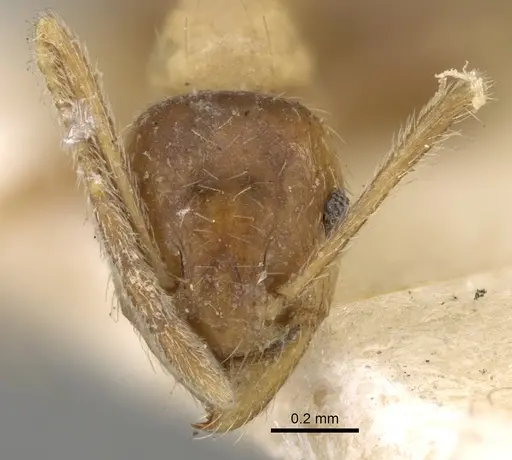
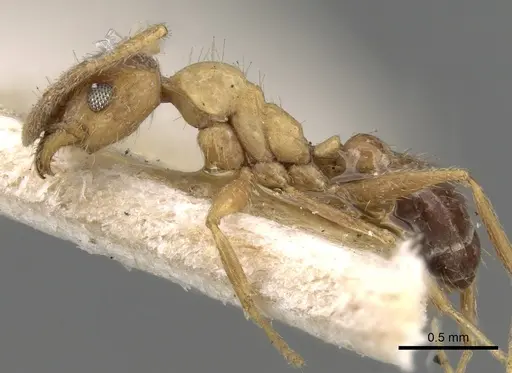
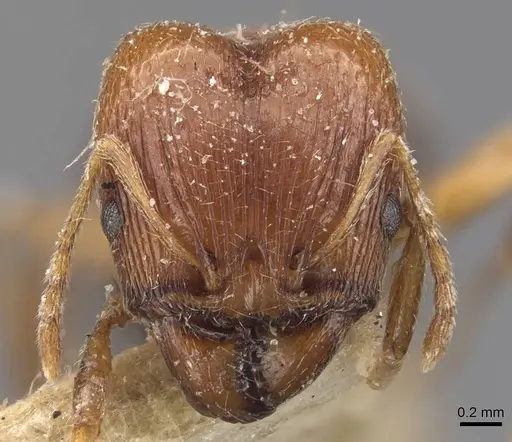
Pheidole grayi is an ant species of the genus Pheidole. It is primarily documented in 1 countries , including India. Detailed taxonomic data and occurrence records can be further explored via authoritative databases such as AntWeb or the Global Biodiversity Information Facility (GBIF).
Pheidole grayi
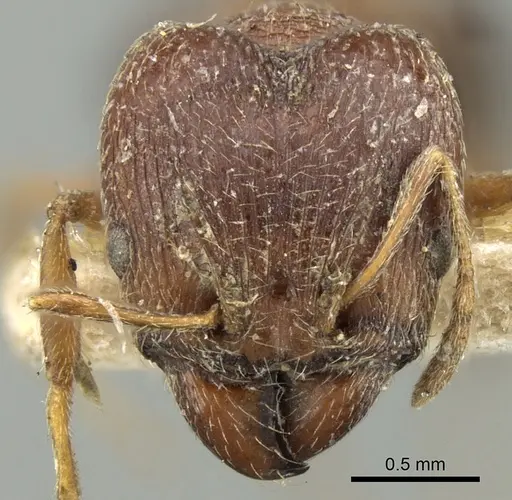
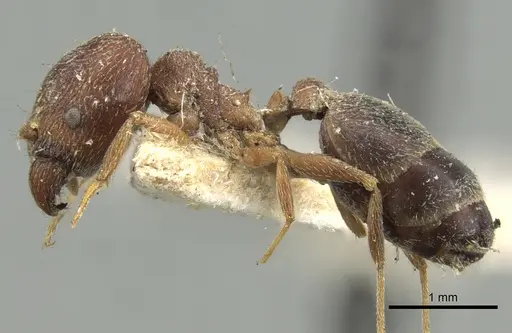
Pheidole grayi is a small ant species native to India, where it is endemic to the country's western coastal regions. Workers are tiny at 2-4mm, with the characteristic Pheidole feature of major workers (soldiers) that have enlarged heads for seed-crushing. The queen is larger at 6-8mm. This species belongs to the tribe Attini, which includes seed-eating ants, and they nest in the ground as omnivorous foragers. They were first described by Forel in 1902 from India and are found at elevations around 1500 meters above sea level in the Himalayan regions [1][2].
These ants are granivorous ground nesters, meaning they collect seeds and also supplement their diet with small insects. As with other Pheidole species, colonies produce both minor workers and major soldiers with oversized heads. This species is known from Goa and Maharashtra states in India, making it a rare find for antkeepers interested in Indian endemics [3][4].
Quick Summary
- Difficulty: Medium
- Origin & Habitat: India, endemic to the western coastal regions (Goa, Maharashtra) at approximately 1500 meters elevation in Himalayan areas [1][3]. They are ground-nesting ants preferring moist, shaded forest floor habitats.
- Colony Type: Likely single-queen (monogyne) colonies based on typical Pheidole genus patterns. Colonies produce minor workers and major soldiers with specialized seed-crushing heads.
- Colony: Monogyne
- Founding: Claustral
- Size & Growth:
- Queen: 6-8mm estimated based on genus typical size
- Worker: 2-4mm (minor workers), major soldiers have enlarged heads
- Colony: Unknown for this specific species, typical Pheidole colonies reach several hundred to a few thousand workers
- Growth: Moderate, estimated based on related species
- Development: 6-10 weeks estimated at optimal temperature based on related Pheidole species (Development time is estimated from typical Pheidole genus patterns. Actual timing may vary based on temperature and conditions.)
- Antkeeping:
- Temperature: Keep around 22-26°C. The Himalayan elevation suggests they can tolerate cooler conditions than tropical species, so aim for the lower end of this range. A gentle temperature gradient allows workers to self-regulate.
- Humidity: Moderate to high humidity, around 60-80%. These are forest-floor ants from a relatively moist region. Keep the nest substrate damp but not waterlogged, with some drier areas available for the ants to choose.
- Diapause: Likely yes, the Himalayan elevation and India location suggest they experience cooler winters and would benefit from a winter rest period. Reduce temperature to around 15-18°C for 2-3 months during winter.
- Nesting: Ground-nesting species. In captivity, a Y-tong (AAC) nest or plaster nest works well. Provide a moist substrate that holds humidity but drains well. They prefer dark, enclosed spaces, avoid overly bright lighting on the nest.
- Behavior: Generally peaceful and not aggressive. Like other Pheidole species, they are active foragers that search for seeds and small insects. Minor workers handle most tasks outside the nest, while major soldiers use their large heads to crush seeds and defend the colony. They are not known for stinging and pose no danger to keepers. Escape risk is moderate, their small size means they can slip through small gaps, so use standard barrier precautions.
- Common Issues: colonies may grow slowly, patience is required as they establish, small size means escape prevention should be taken seriously despite their peaceful nature, humidity control is important, too dry and brood will fail, too wet and mold becomes a problem, winter dormancy is likely required, failing to provide a rest period may weaken colonies, wild-caught colonies may have parasites that can devastate captive populations
Nest Preferences and Housing
Pheidole grayi is a ground-nesting species that prefers dark, enclosed spaces with stable humidity. In captivity, Y-tong (acrylic) nests or plaster nests work well for this species. The nest chambers should be appropriately sized, not too large, as these ants prefer cozy spaces. Provide a water reservoir or moisture system to maintain substrate dampness. For the outworld, a simple setup with a foraging area is sufficient. Avoid placing the nest in direct bright light, these ants prefer dim conditions. A test tube setup can work for founding colonies, but be prepared to move them to a proper nest once the colony reaches 20-30 workers. The key is maintaining a balance between moisture and ventilation, stale, overly wet conditions cause mold, while too-dry conditions kill brood.
Feeding and Diet
As a member of the tribe Attini, Pheidole grayi is granivorous, meaning they collect and eat seeds. In captivity, offer a variety of small seeds such as sesame, millet, or grass seeds. They will also readily accept protein sources like small insects (fruit flies, pinhead crickets, mealworms). Offer seeds constantly as a base diet, with protein prey 2-3 times per week. Sugar water or honey can be offered occasionally, though they are less dependent on sugar than some other ants. Remove uneaten seeds and prey after 2-3 days to prevent mold. For founding colonies, the queen does not forage, she seals herself in and raises the first workers on her stored fat reserves. Once workers emerge, they will begin foraging outside the nest[4].
Temperature and Seasonal Care
Keep Pheidole grayi at 22-26°C, with the lower end of this range being more appropriate given their Himalayan origin at 1500m elevation. A temperature gradient allows ants to regulate their own conditions, place a heating cable on one side of the nest set to around 28°C, creating a warm side and cooler side. During winter, they likely require a dormancy period. Reduce temperatures to 15-18°C for 2-3 months (roughly November through February in the Northern Hemisphere). This winter rest helps synchronize their biology and promotes healthy colony development. Do not feed during deep hibernation, but ensure the nest remains slightly moist. Resume normal feeding and warming when spring arrives. [1]
Colony Development and Growth
Pheidole colonies develop through three stages: egg, larva, and pupa before emerging as workers. The queen lays eggs after mating during nuptial flights. Once the first workers (nanitics) emerge, they are smaller than normal workers but immediately begin foraging and caring for the colony. The colony will grow gradually at first, then accelerate as the worker population increases. Major soldiers (majors) typically appear once the colony reaches a certain size threshold, usually when there are 50-100 workers. The majors have specialized enlarged heads for crushing seeds and provide colony defense. A healthy colony of Pheidole grayi can eventually reach several hundred to a few thousand workers over several years. Growth rate is moderate, expect 6-10 weeks from egg to first worker at optimal temperature, then several months to reach 50 workers.
Behavior and Temperament
Pheidole grayi is a peaceful species that focuses on foraging and seed collection rather than aggression. Workers are active andersistent foragers, searching the outworld for seeds and small insects. They are not territorial or aggressive toward keepers, you can observe them without concern for stings. The main defensive behavior comes from major soldiers if the nest is threatened, but even these are not particularly aggressive. They communicate through chemical trails, so when you place food in the outworld, workers will lay pheromone trails to guide nestmates to the food source. This species is not known for escape artistry, standard barrier methods (Fluon on glass, tight-fitting lids) are sufficient. Their small size (2-4mm for workers) means they can slip through tiny gaps, so check for gaps in your setup regularly.
Frequently Asked Questions
How long does it take for Pheidole grayi to produce first workers?
From egg to first worker, expect approximately 6-10 weeks at optimal temperature (around 24°C). This is an estimate based on related Pheidole species, as specific development data for P. grayi is not available. The first workers (nanitics) will be smaller than normal workers but immediately begin helping the colony.
What do Pheidole grayi ants eat?
They are granivorous omnivores. Offer small seeds (sesame, millet, grass seeds) as a staple diet, supplemented with small insects (fruit flies, pinhead crickets, mealworms) 2-3 times per week. They may occasionally accept sugar water or honey. Remove uneaten food after 2-3 days to prevent mold.
Do Pheidole grayi ants need hibernation?
Yes, likely required. Given their origin in the Himalayan regions of India at 1500m elevation, they experience seasonal temperature changes. Provide a winter rest period of 2-3 months at 15-18°C during winter months. Reduce feeding and maintain light moisture during this time.
Are Pheidole grayi good for beginners?
They are moderate difficulty. They are not aggressive and don't require specialized care beyond proper humidity and temperature control. However, their specific requirements aren't well-documented, so some trial and error may be needed. Their small size and potential hibernation requirements add some complexity.
Can I keep multiple Pheidole grayi queens together?
Not recommended. Like most Pheidole species, they are likely monogyne (single-queen colonies). Combining unrelated queens typically results in fighting. If you catch a founding queen, house her alone until her colony is established.
What temperature range is best for Pheidole grayi?
Keep them at 22-26°C, leaning toward the lower end (around 22-24°C) given their Himalayan origin. A gentle temperature gradient allows workers to choose their preferred zone. Avoid temperatures above 30°C or below 18°C for extended periods.
How big do Pheidole grayi colonies get?
Colony size is not documented specifically, but based on typical Pheidole patterns, expect several hundred to a few thousand workers over 2-4 years. Colonies produce major soldiers (workers with enlarged heads) once the colony reaches around 50-100 workers.
When should I move my Pheidole grayi colony to a formicarium?
Move them when they outgrow their founding setup (test tube) or when the colony reaches 20-30 workers. A Y-tong or plaster nest with moisture provision works well. Make sure the chambers are appropriately sized, not too large for the colony.
Why is my Pheidole grayi colony declining?
Common causes include: too dry conditions (check substrate moisture), temperature stress (too hot or too cold), mold from overwatering, parasites from wild-caught colonies, or lack of proper winter dormancy. Review your temperature, humidity, and seasonal care. If the colony was wild-caught, parasites are a common issue.
References

This caresheet is licensed under CC BY-SA 4.0 .
CASENT0281636
View on AntWeb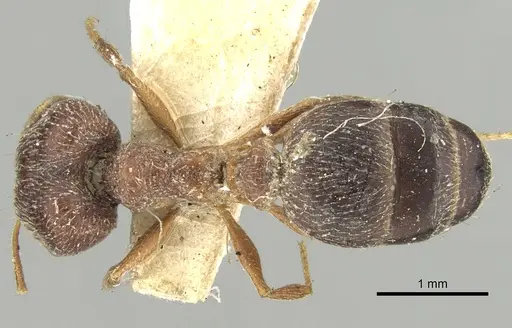
CASENT0281637
View on AntWeb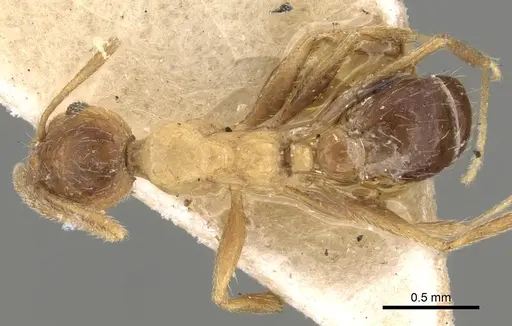
CASENT0907881
View on AntWeb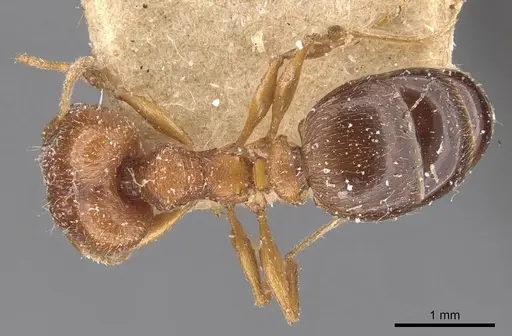
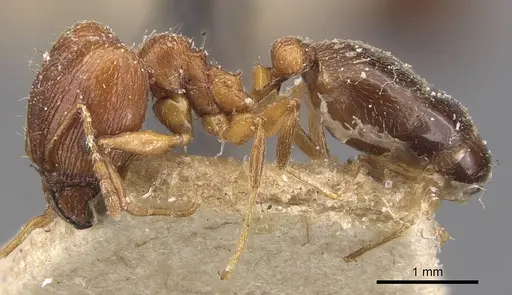
CASENT0907882
View on AntWeb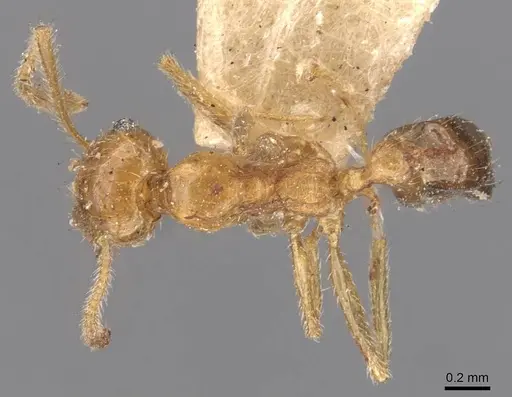
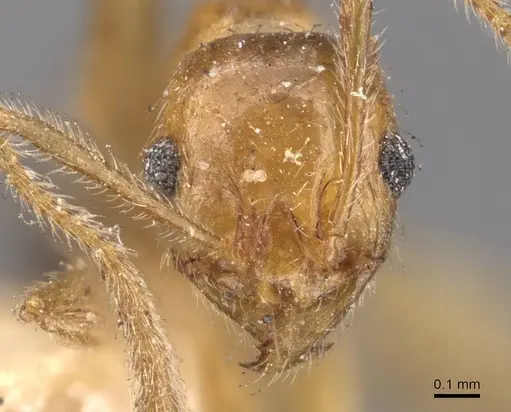
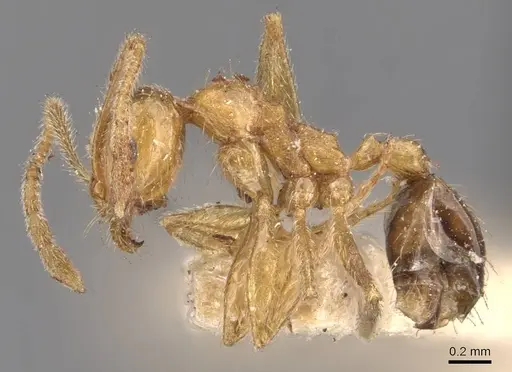
Literature
Loading...Loading products...