

Pheidole grallatrix
- Scientific Name
- Pheidole grallatrix
- Tribe
- Attini
- Subfamily
- Myrmicinae
- Author
- Emery, 1899
- Distribution
- Found in 1 countries
Pheidole grallatrix Overview
Pheidole grallatrix is an ant species of the genus Pheidole. It is primarily documented in 1 countries , including Madagascar. Detailed taxonomic data and occurrence records can be further explored via authoritative databases such as AntWeb or the Global Biodiversity Information Facility (GBIF).
Pheidole grallatrix
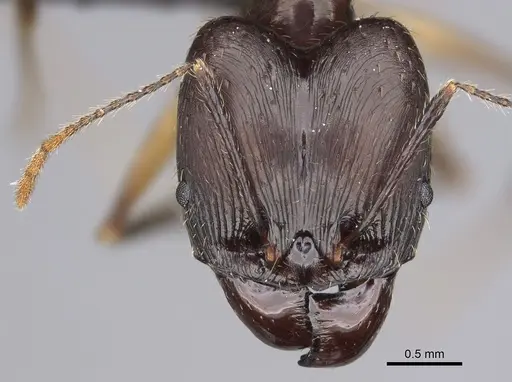
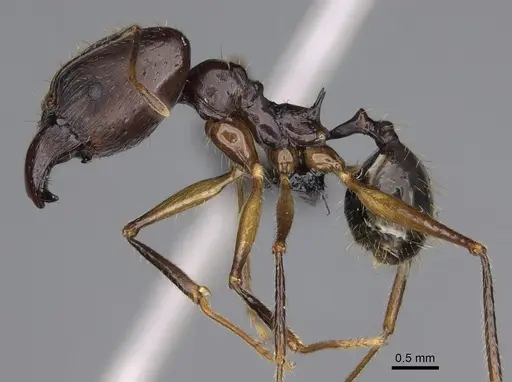
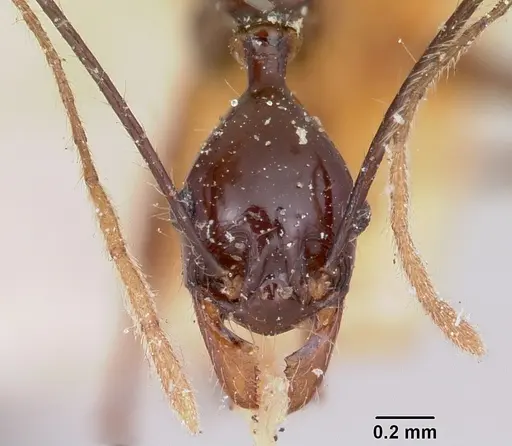
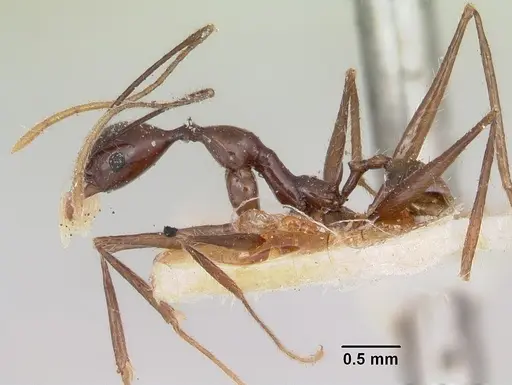
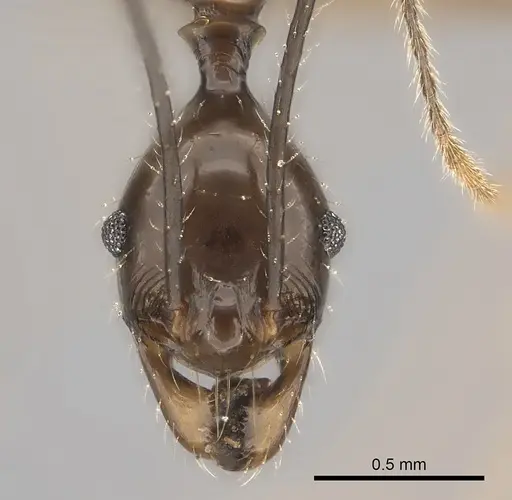
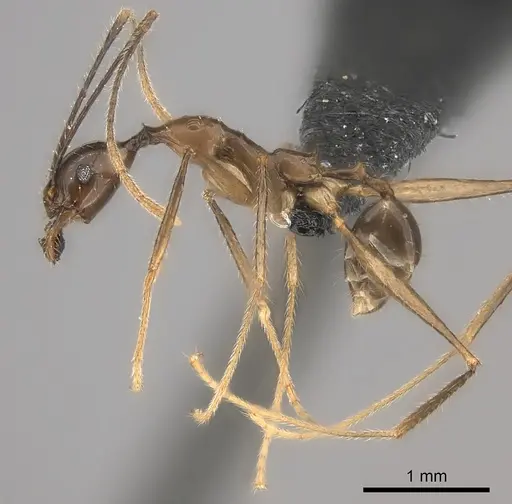
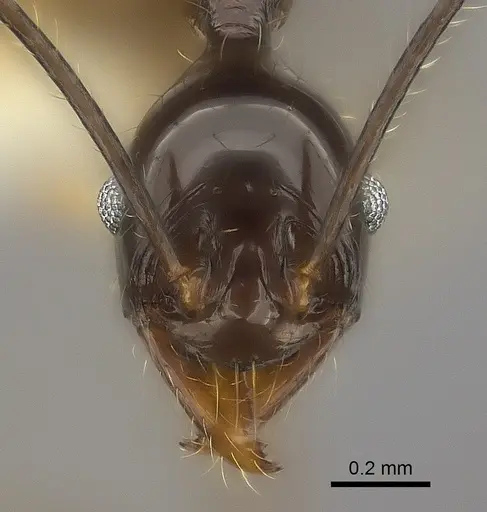
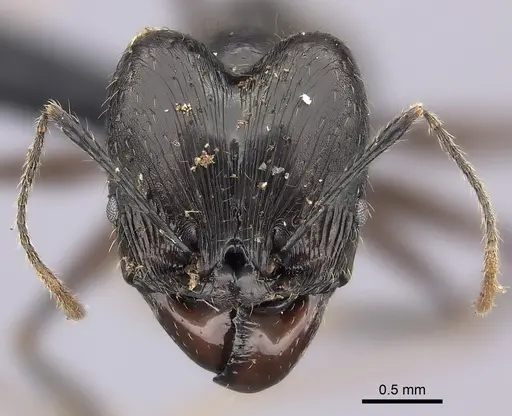
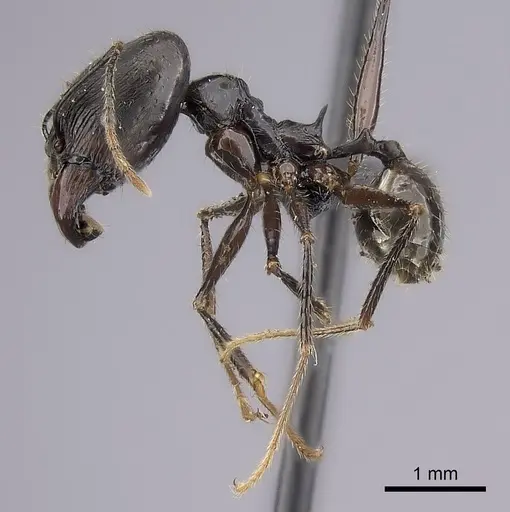
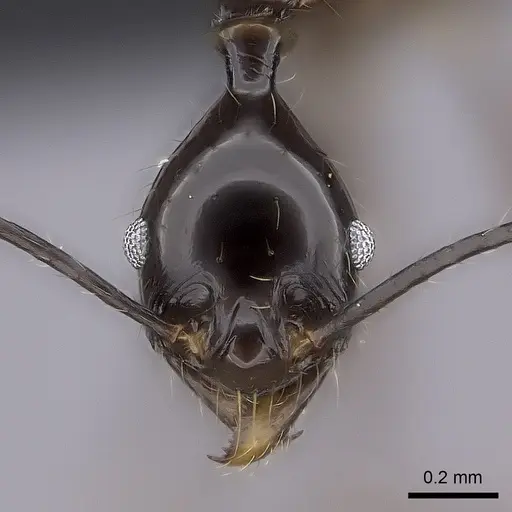
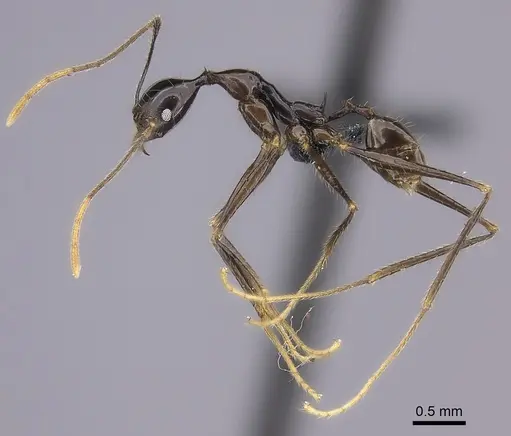
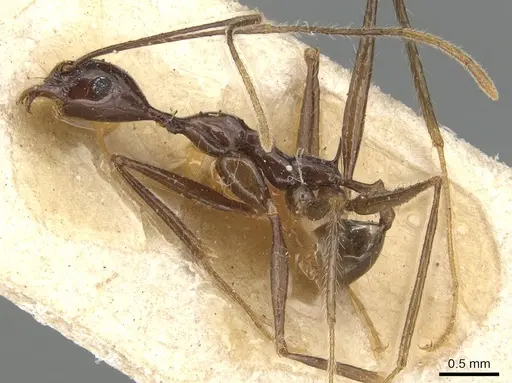
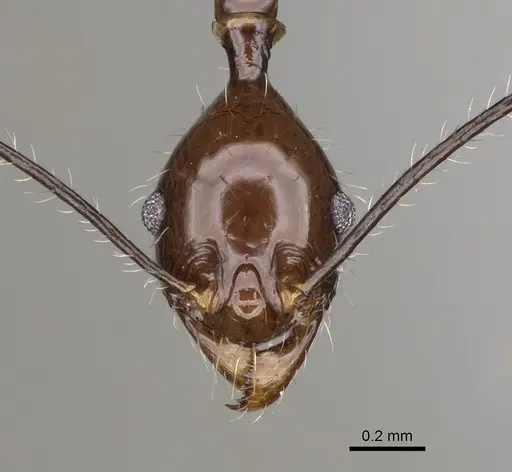
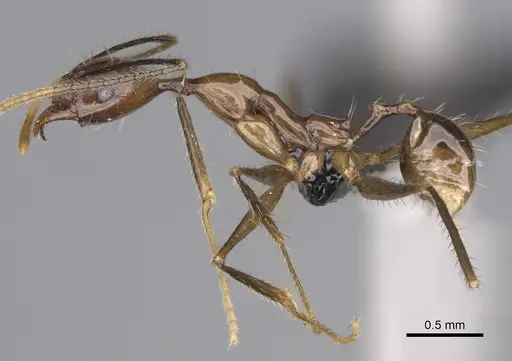
Pheidole grallatrix is a small ant species native to Madagascar, where it lives across a wide range of elevations from coastal areas up to 1130 meters. Workers are tiny, with minor workers measuring just a few millimeters. This species is part of the hyperdiverse Pheidole genus, known for their distinctive two-worker caste system with larger soldier majors. The species nests in diverse locations including rotten logs, soil, root mats, and under stones, reflecting its adaptability to different microhabitats within Madagascar's forests [1].
What makes P. grallatrix interesting is its Malagasy endemism, this is one of many Pheidole species found only on Madagascar, an island known for its unique ant fauna. Like other Pheidole species, they have major workers (soldiers) that defend the colony and help process food, though these are relatively small compared to some other Pheidole species. Their small size and nesting habits suggest they prefer humid, shaded environments with access to decaying wood [1].
Quick Summary
- Difficulty: Medium
- Origin & Habitat: Native to Madagascar, found in rainforest, littoral forest, montane rainforest, tropical dry forest, and mixed tropical forest from 3-1130m elevation. Nests in rotten logs, soil, root mats, and under stones [1].
- Colony Type: Colony structure is unconfirmed, Pheidole species typically have single-queen colonies (monogyne), but this hasn't been specifically documented for P. grallatrix.
- Size & Growth:
- Queen: Estimated 7-9mm based on genus patterns for Malagasy species
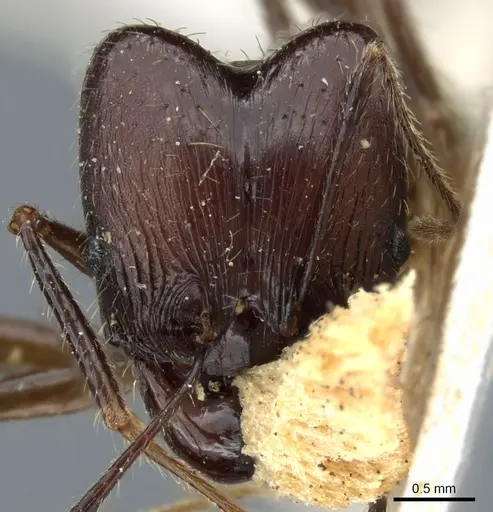
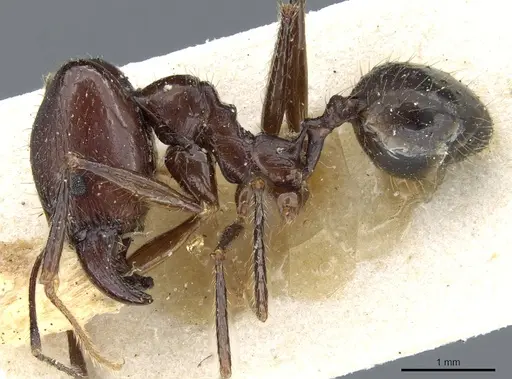
- Worker: Minor workers ~3-4mm, majors larger but smaller than some Pheidole (WL=1.67mm from specimen data) [2]
- Colony: Unknown for this specific species, typical Pheidole colonies reach hundreds to low thousands of workers
- Growth: Moderate, based on typical Pheidole development patterns
- Development: Estimated 6-8 weeks at optimal temperature based on genus-level data for tropical Pheidole species (Development time is inferred from related species, actual timeline for this specific species is unconfirmed)
- Antkeeping:
- Temperature: Keep around 22-26°C, Madagascar is tropical, so they prefer warm conditions. A gentle gradient allows workers to self-regulate.
- Humidity: High humidity preferred (60-80%), they naturally live in damp forest environments. Keep nest substrate consistently moist but not waterlogged.
- Diapause: Likely minimal or no true diapause, Madagascar is tropical year-round. However, a slight cool period during cooler months may be beneficial.
- Nesting: Provide humid nesting options, rotten wood, soil-filled setups, or plaster nests work well. They nest under stones in the wild, so a naturalistic setup with damp substrate is ideal.
- Behavior: These ants are generally peaceful but will defend their nest vigorously. Like other Pheidole, they have major workers (soldiers) that help with food processing and colony defense. Workers forage for small prey and tend honeydew-producing insects. Their small size means escape prevention must be excellent, they can squeeze through tiny gaps. They are not aggressive toward humans and rarely sting.
- Common Issues: escape prevention is critical due to their tiny size, use fine mesh and tight-fitting lids, humidity management is tricky, too dry causes brood death, too wet causes mold, wild-caught colonies may have parasites that are difficult to detect, slow initial colony growth can lead to overfeeding and mold problems, they need small prey items due to their tiny mouthparts
Housing and Nest Setup
Pheidole grallatrix does well in test tube setups for founding colonies, then can be moved to more elaborate setups as the colony grows. For established colonies, a Y-tong (AAC) nest, plaster nest, or naturalistic setup with damp substrate works well. Since they naturally nest in rotten logs, soil, and under stones, providing humid conditions is essential. Avoid dry setups, these ants come from Madagascar's humid forests and need moisture to survive. A water reservoir connected to the nest helps maintain humidity. Because of their tiny size, ensure all connections and barriers are secure with fine mesh [1].
Feeding and Diet
Like other Pheidole species, P. grallatrix is omnivorous with a preference for protein. Feed small live prey like fruit flies, pinhead crickets, and small mealworms. They also accept honey water or sugar water as an energy source. In the wild, workers forage for small insects and tend honeydew-producing insects (aphids, scale insects). Offer protein 2-3 times per week and keep sugar water available at all times. Remove uneaten prey after 24-48 hours to prevent mold. Their small size means prey items should be appropriately sized, too large and they can't process it [1].
Temperature and Seasonal Care
Maintain temperatures between 22-26°C for optimal colony health and growth. Madagascar is tropical, so these ants don't experience harsh winters. Room temperature within this range is usually sufficient, but a heating cable on one side of the nest can create a beneficial gradient. Avoid temperatures below 18°C or above 30°C. Since they come from elevations up to 1130m, they may tolerate slightly cooler conditions than pure lowland tropical species. There's no documented need for hibernation or diapause, they can be kept at stable temperatures year-round. Monitor colony activity to gauge comfort levels [1].
Colony Growth and Development
Pheidole colonies start slowly but can grow substantial over time. The queen lays eggs that develop through larval and pupal stages before emerging as workers. First workers (nanitics) are typically smaller than mature workers. As the colony grows, larger major workers (soldiers) begin to appear, these are distinctive of Pheidole and help with food processing and defense. A healthy colony should show steady growth over months. The transition from founding colony to established colony takes several months to over a year depending on feeding and conditions. Patience is key, Pheidole are not fast growers compared to some genera like Lasius or Camponotus [1].
Behavior and Defense
Pheidole grallatrix has the characteristic two-worker caste system of Pheidole: small minor workers handle most tasks including foraging, nursing, and brood care, while larger major workers (soldiers) assist with cutting and processing large prey items and colony defense. When threatened, majors will emerge to defend the nest. Despite their small size, they can deliver a mild sting if handled roughly, though this is not dangerous to humans. Workers are active foragers and will explore their outworld thoroughly. Their small size also means they're good climbers, ensure your setup has proper barriers. They generally coexist peacefully with other ant species if given adequate space [1].
Frequently Asked Questions
How long does it take for Pheidole grallatrix to have first workers?
Expect first workers (nanitics) around 6-8 weeks after the queen lays eggs, assuming optimal temperatures around 24°C. This is based on typical Pheidole development patterns, the exact timeline for this specific species is unconfirmed but should fall within this range.
Can I keep multiple Pheidole grallatrix queens together?
Not recommended, combining unrelated queens of this species has not been documented. Pheidole species are typically single-queen (monogyne) colonies, and introducing multiple queens often results in fighting. Start with one queen per colony.
What do Pheidole grallatrix ants eat?
They need a balanced diet of protein and sugar. Offer small live prey like fruit flies, tiny crickets, or small mealworms 2-3 times per week. Keep sugar water or honey water available constantly. Remove uneaten prey after a day or two to prevent mold.
Are Pheidole grallatrix good for beginners?
They are moderate difficulty, not the easiest but not among the hardest. Their small size requires good escape prevention, and they need proper humidity. If you have experience with other small Myrmicinae like Tetramorium, this species should be manageable.
What temperature do Pheidole grallatrix need?
Keep them warm, around 22-26°C. This matches their native Madagascar habitat. Room temperature in this range works well, or use a heating cable on one side of the nest to create a gentle gradient.
How big do Pheidole grallatrix colonies get?
Colony size is unconfirmed for this specific species, but typical Pheidole colonies reach hundreds to a few thousand workers. Major workers (soldiers) appear as the colony grows and helps with food processing and defense.
Do Pheidole grallatrix need hibernation?
No, they come from tropical Madagascar and don't require hibernation. Keep them at stable warm temperatures year-round. A slight cool period during winter months may be natural but is not required.
When should I move my colony to a formicarium?
Move from test tube to a larger setup once the colony reaches 30-50 workers or the test tube becomes crowded. A Y-tong or plaster nest with humidity control works well. Make sure the new setup has appropriate chamber sizes for their small workers.
Why are my Pheidole grallatrix dying?
Common causes include: too low humidity (they need damp conditions), improper feeding (too large prey or not enough protein), escape deaths due to inadequate barriers, or stress from temperature extremes. Check these parameters first. Wild-caught colonies may also carry parasites.
References

This caresheet is licensed under CC BY-SA 4.0 .
CASENT0067235
View on AntWeb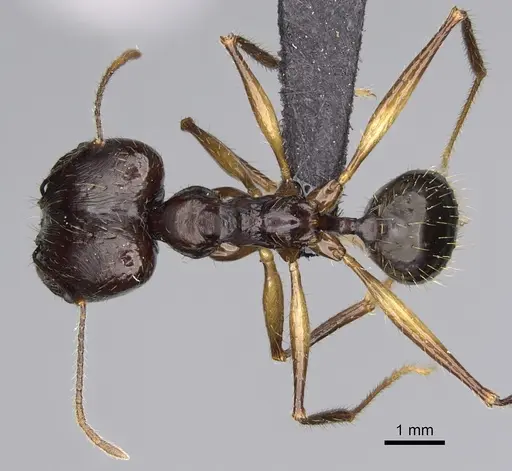
CASENT0101943
View on AntWeb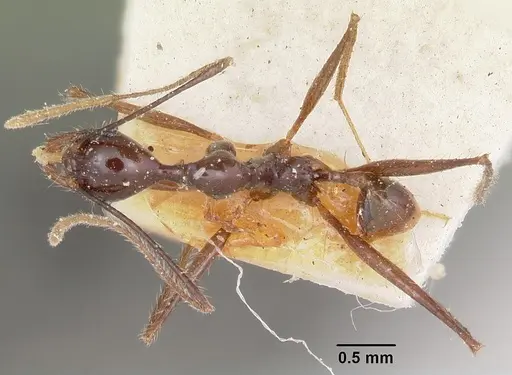
CASENT0152313
View on AntWeb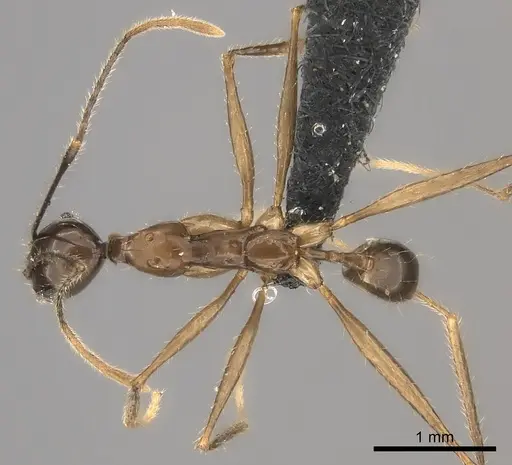
CASENT0198367
View on AntWeb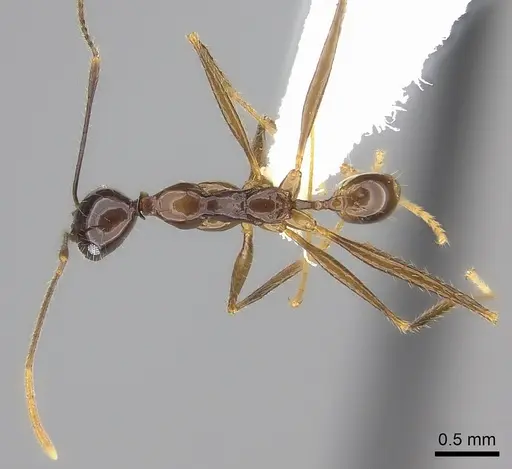
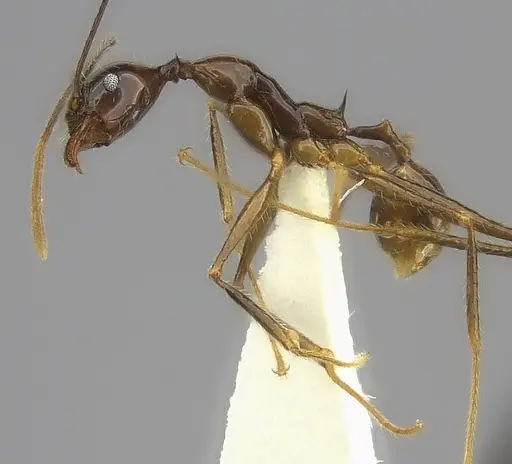
CASENT0235112
View on AntWeb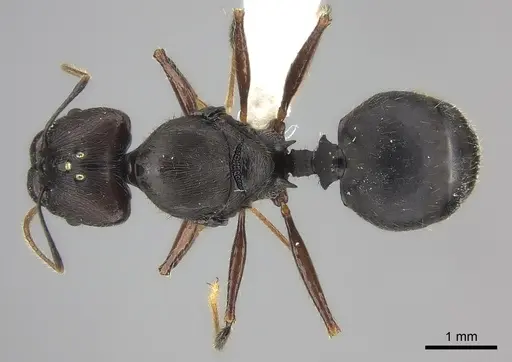
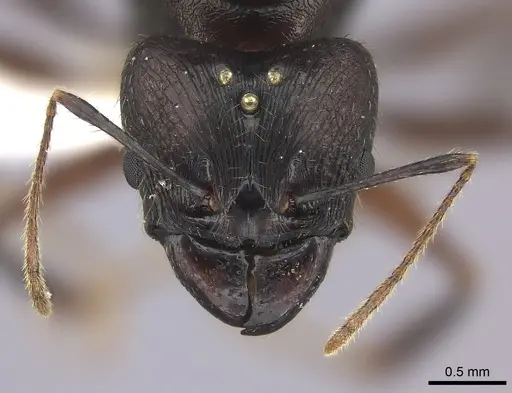
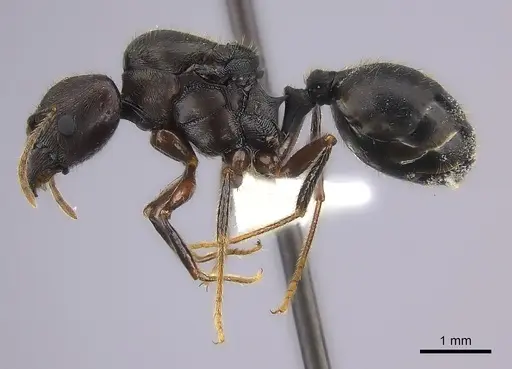
CASENT0495226
View on AntWeb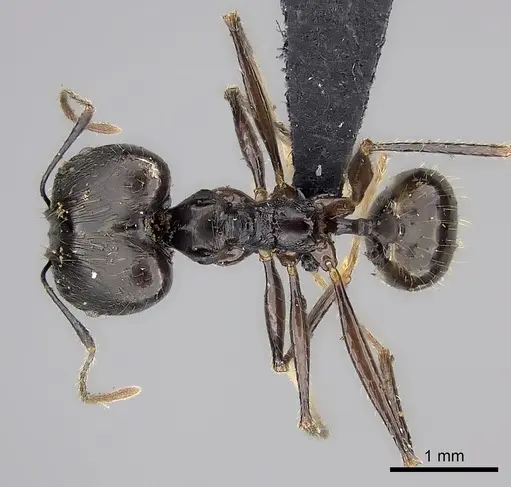
CASENT0495227
View on AntWeb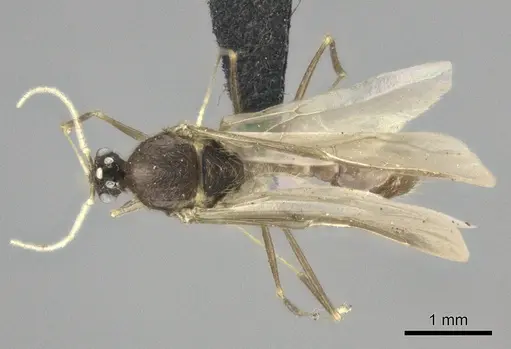
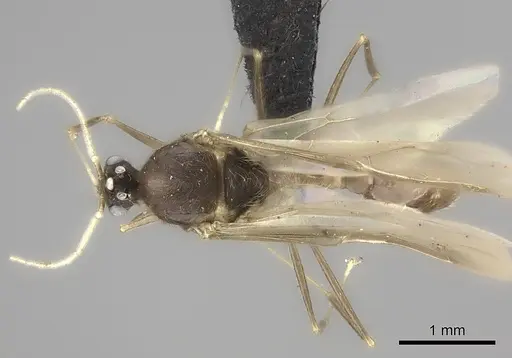
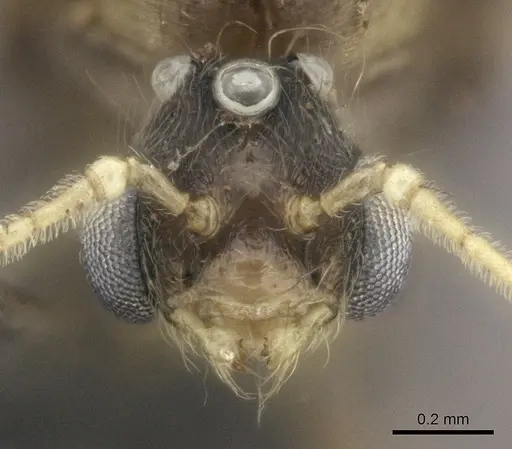
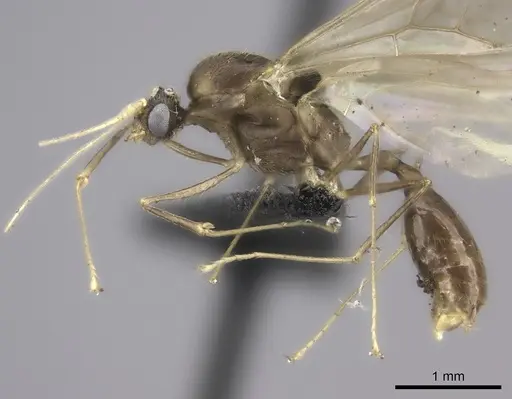
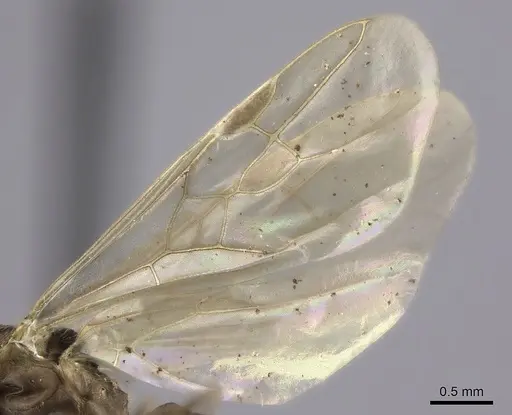
CASENT0495228
View on AntWeb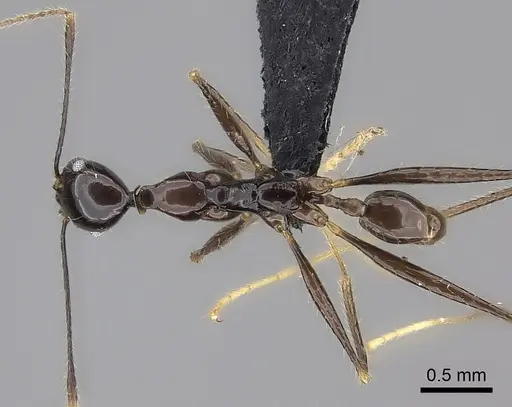
CASENT0904224
View on AntWeb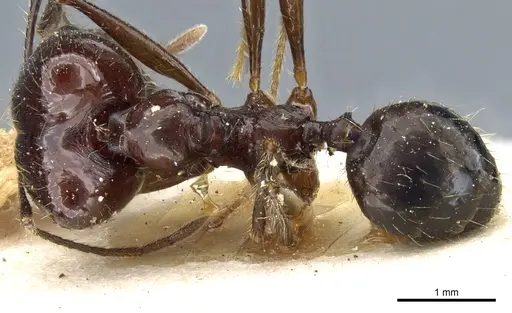
CASENT0904225
View on AntWeb
CASENT0923248
View on AntWeb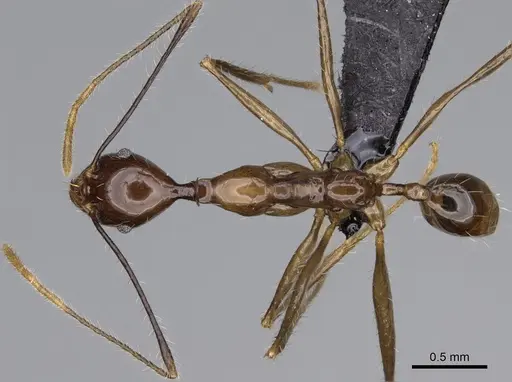
Literature
Loading...Loading products...