

Pheidole gouldi
- Scientific Name
- Pheidole gouldi
- Tribe
- Attini
- Subfamily
- Myrmicinae
- Author
- Forel, 1886
- Distribution
- Found in 6 countries
Pheidole gouldi Overview
Pheidole gouldi is an ant species of the genus Pheidole. It is primarily documented in 6 countries , including Costa Rica, Guatemala, Honduras. Detailed taxonomic data and occurrence records can be further explored via authoritative databases such as AntWeb or the Global Biodiversity Information Facility (GBIF).
Pheidole gouldi
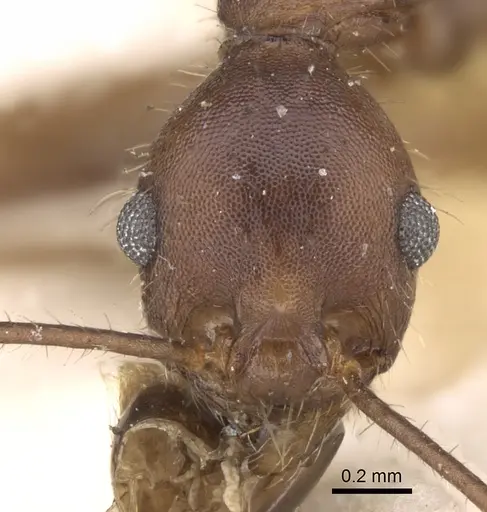
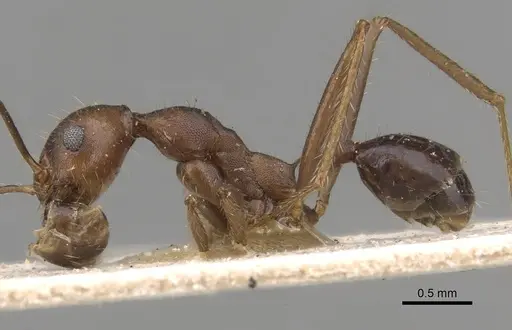
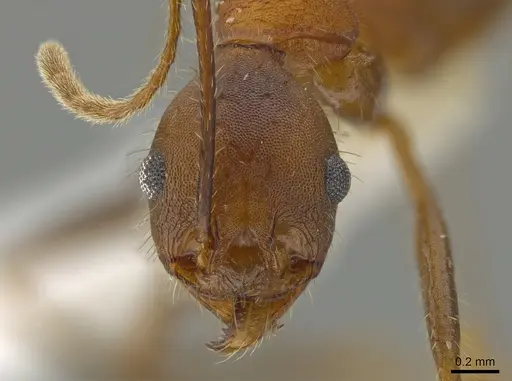
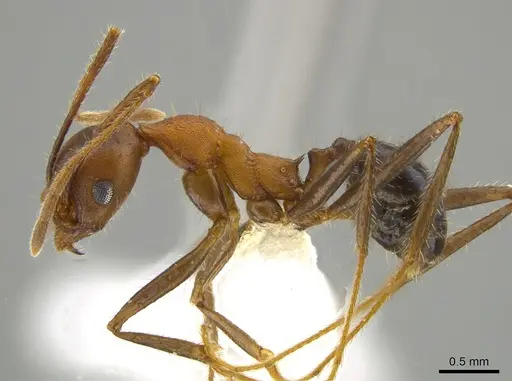
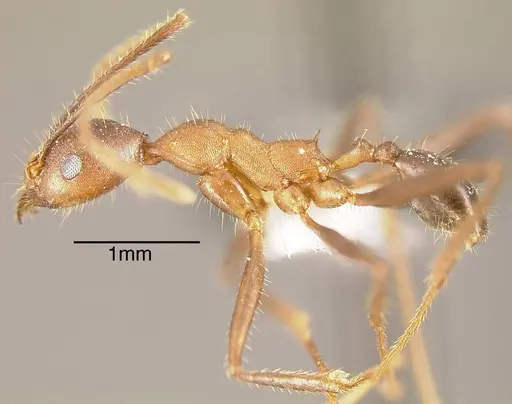
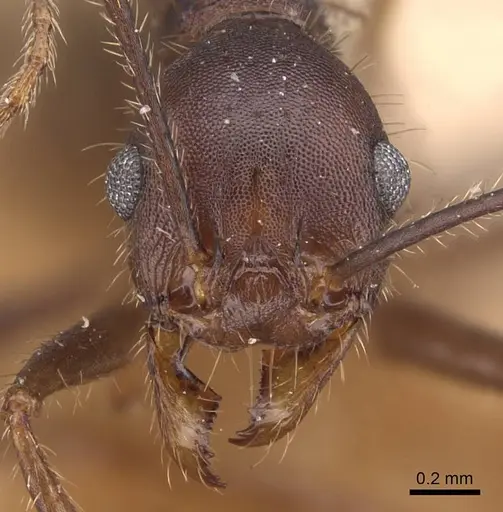
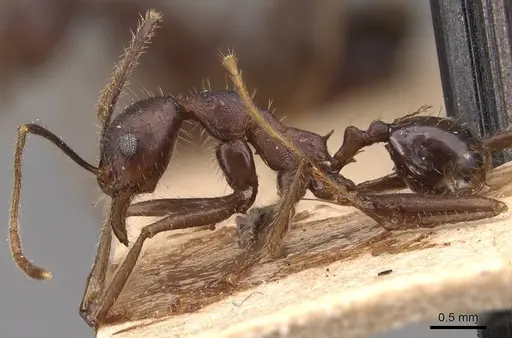
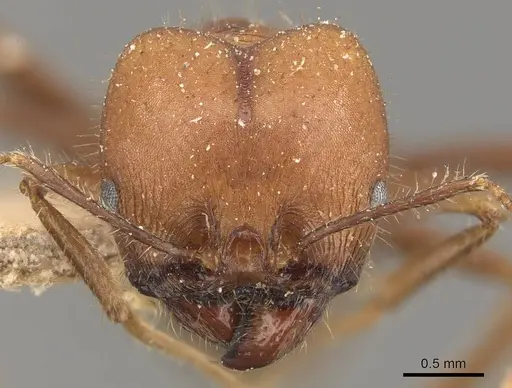
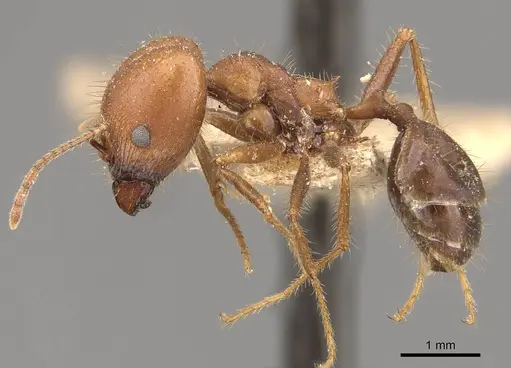
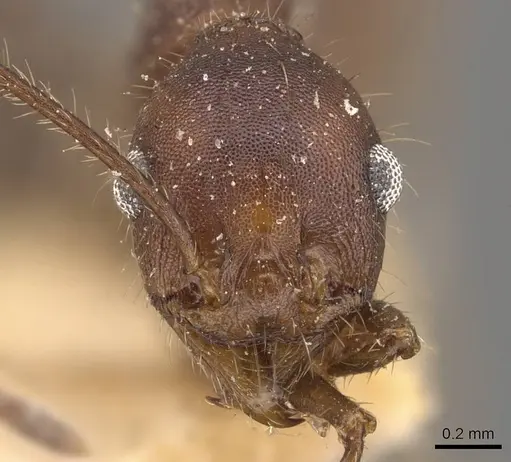
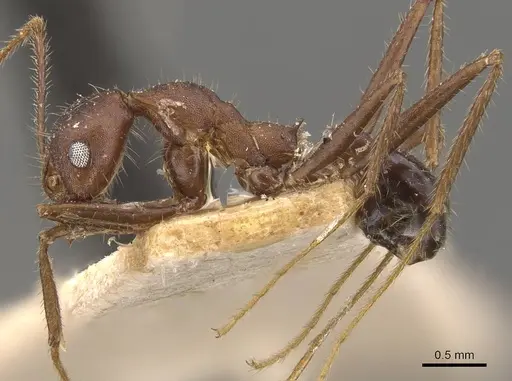
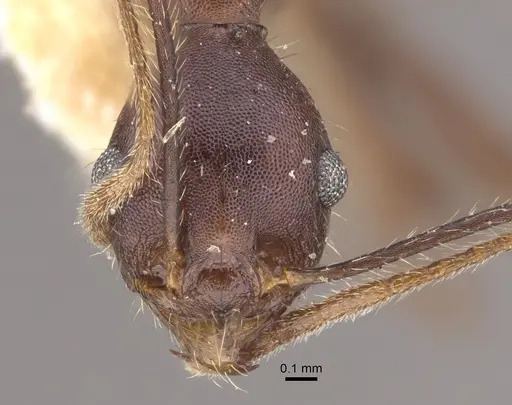
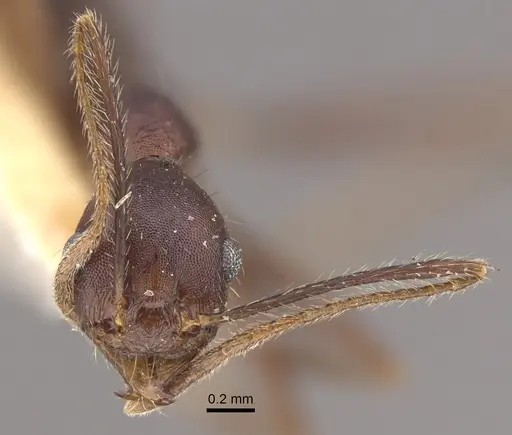
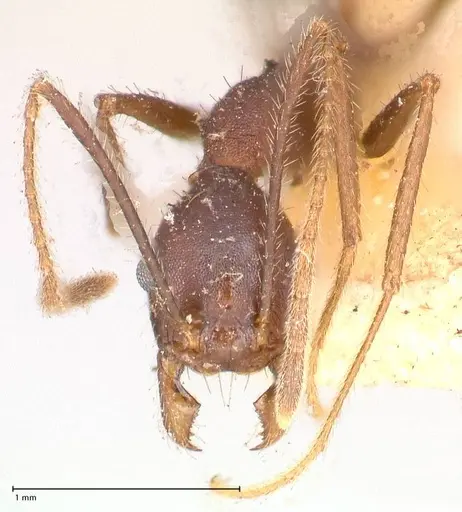
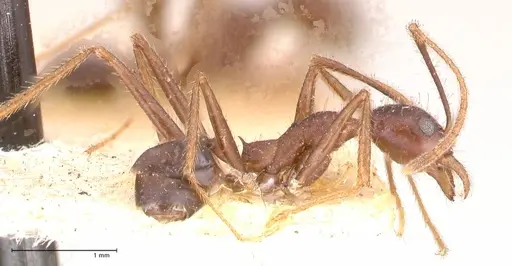
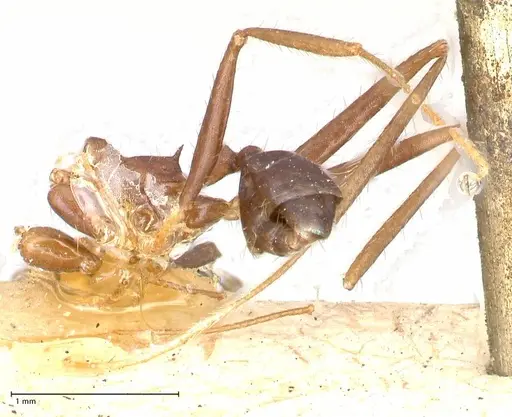
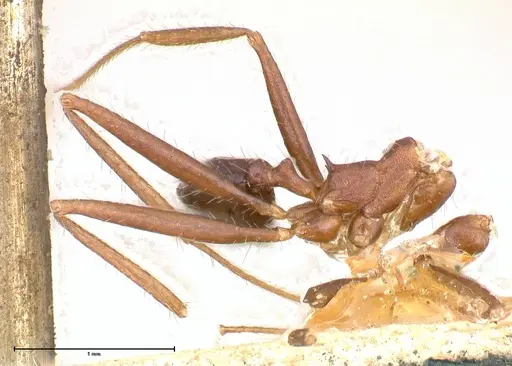
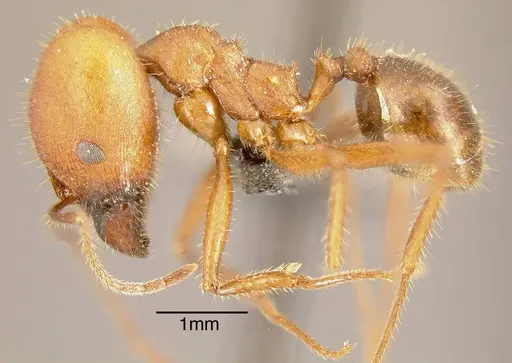
Pheidole gouldi is a dimorphic ant species native to Central America, found across Mexico, Guatemala, Honduras, and the northwestern lowlands of Costa Rica. This species belongs to the fallax group and features two distinct worker castes: larger major workers (soldiers) and smaller minor workers. Major workers measure around 1.66mm in head width with a distinctive reddish-yellow body and bluish reflections on the gaster, while minor workers are smaller at 0.78mm head width with a medium yellowish-brown coloration. Both castes are covered in short, erect hairs and have a matte, finely reticulate surface texture. In the wild, they inhabit seasonally dry environments including xeric scrub, roadsides, and moist thorn woodland.
Quick Summary
- Difficulty: Medium
- Origin & Habitat: Native to Central America, found in Mexico (Campeche, Yucatán), Guatemala, Honduras, and northwestern Costa Rica. Inhabits seasonally dry habitats including xeric scrub, roadsides, and moist thorn woodland [1].
- Colony Type: Single-queen colonies (monogyne). Pheidole species typically have colonies with one founding queen that establishes a colony alone.
- Colony: Monogyne
- Founding: Claustral
- Size & Growth:
- Queen: Approximately 7mm [2], from original description
- Worker: Major workers: 4.8-5.2mm (soldiers) [2], Minor workers: 3-4mm [2]
- Colony: Unknown for this specific species, but typical Pheidole colonies reach several hundred to a few thousand workers
- Growth: Moderate, typical for tropical Pheidole species
- Development: 6-8 weeks, estimated based on typical Pheidole development at tropical temperatures (Development time is estimated from related Pheidole species. Warm temperatures (24-28°C) will accelerate development.)
- Antkeeping:
- Temperature: Keep at 24-28°C (75-82°F). As a tropical species from Central America, they need warm conditions. A heating cable on one side of the nest creates a temperature gradient [3].
- Humidity: Low to moderate. This species naturally inhabits seasonally dry habitats. Keep the nest substrate moderately dry with occasional moisture zones. Avoid overly damp conditions.
- Diapause: No, as a tropical species, they do not require hibernation. Keep temperatures stable year-round.
- Nesting: Pheidole gouldi nests in soil and rotting wood in the wild. In captivity, a Y-tong (AAC) nest, plaster nest, or naturalistic setup with soil works well. They prefer干燥 conditions but need some moisture for brood development.
- Behavior: Pheidole gouldi is a dimorphic species with major and minor workers. Major workers (soldiers) specialize in seed processing and colony defense, while minor workers handle brood care and foraging. They are not particularly aggressive toward keepers but will defend their nest. As escape artists, they can squeeze through small gaps, use fine mesh barriers and Fluon on test tube rims. They are primarily seed-harvesters but also hunt small insects.
- Common Issues: escape prevention is critical, small workers can slip through tiny gaps, overheating can kill colonies, avoid temperatures above 32°C, too much humidity causes mold and colony stress, keep nest relatively dry, colonies may reject artificial nests if conditions don't match their preferences, major workers (soldiers) are impressive but not needed for basic care, focus on minor workers for observation
Housing and Nest Setup
Pheidole gouldi does well in a variety of nest types. A Y-tong (acrylic) nest works excellently for observation, while plaster nests or naturalistic setups with soil and rotting wood mimic their natural conditions. For the outworld, use a standard foraging area with a barrier like Fluon to prevent escapes. Since they are seed-harvesters, provide a small sand area for seed storage behavior. Test tube setups work for founding colonies, use a water reservoir with cotton but avoid flooding. Once the colony reaches 20-30 workers, consider moving to a formicarium. [3][1]
Feeding and Diet
As members of the tribe Attini, Pheidole gouldi are primarily seed-harvesters. Offer a variety of seeds including millet, chia, and grass seeds. They also need protein, offer small insects like fruit flies, pinhead crickets, or mealworms. Sugar water or honey can be offered occasionally but is not a primary food source. Feed seeds constantly and protein 2-3 times per week. Remove uneaten seeds to prevent mold. Major workers specialize in processing hard seeds, so provide some larger seeds to observe this behavior. [1]
Temperature and Seasonal Care
This is a tropical species requiring warm temperatures year-round. Maintain nest temperatures between 24-28°C (75-82°F). A heating cable placed on top of the nest (never under, as it causes excessive drying) can create a gentle gradient. Avoid temperatures above 32°C as this can be fatal. Room temperature around 24°C is acceptable without additional heating. No hibernation or diapause is required, keep conditions stable throughout the year. Monitor colony activity: workers should be actively foraging, if they cluster away from heat sources, the nest may be too warm. [3]
Colony Development
A newly mated queen will seal herself in a claustral chamber and lay eggs without foraging. She survives on stored fat reserves while raising the first brood. Expect the first nanitic (first-generation) workers to emerge in 6-8 weeks under optimal warm conditions. Initially, only minor workers will appear, major workers (soldiers) develop later as the colony grows and typically appear when the colony reaches 50-100 workers. Colony growth is moderate, expect several years to reach several hundred workers. The queen has a long lifespan and can live for 15-20 years. [2]
Behavior and Observation
One of the most fascinating aspects of Pheidole gouldi is their dimorphic caste system. Minor workers handle most tasks: foraging, brood care, and nest maintenance. Major workers (soldiers) specialize in seed processing, defending the colony, and cracking hard food items. Watch for major workers taking seeds back to the nest and using their powerful mandibles to crack them open. They communicate using chemical trails, you'll see foragers following established paths to food sources. Minor workers are active foragers and will quickly discover new food. The colony maintains clear division of labor. [1]
Frequently Asked Questions
How long does it take for Pheidole gouldi to produce first workers?
Expect first workers (nanitics) in 6-8 weeks under optimal warm conditions (24-28°C). The claustral queen seals herself in and raises the first brood alone using stored fat reserves.
What do Pheidole gouldi ants eat?
They are seed-harvesters (Attini) so offer various seeds like millet, chia, and grass seeds. They also need protein from small insects like fruit flies, mealworms, or pinhead crickets. Sugar water or honey can be offered occasionally.
Do Pheidole gouldi ants need hibernation?
No, they do not require hibernation. As a tropical species from Central America, they need warm temperatures year-round (24-28°C). Keep conditions stable.
How big do Pheidole gouldi colonies get?
While exact numbers are unknown for this species, typical Pheidole colonies reach several hundred to a few thousand workers over several years.
Are Pheidole gouldi good for beginners?
They are rated Medium difficulty. They are more challenging than simple species because they need warm temperatures, proper escape prevention, and a varied diet including seeds and protein. However, they are rewarding to watch with their dimorphic castes.
When should I move my colony to a formicarium?
Move from test tube to formicarium once the colony reaches 20-30 workers. A Y-tong nest, plaster nest, or naturalistic setup works well for this species.
Why are my major workers not appearing yet?
Major workers (soldiers) typically appear later in colony development, usually when the colony reaches 50-100 workers. They develop as the colony grows and requires more seed-processing and defense capacity.
Can I keep multiple Pheidole gouldi queens together?
No, this species is monogyne (single-queen). Only keep one queen per colony. Introducing additional queens will result in fighting.
What temperature range is best for Pheidole gouldi?
Keep nest temperatures between 24-28°C (75-82°F). This tropical species needs warmth year-round. Avoid temperatures above 32°C as they can be fatal.
References

This caresheet is licensed under CC BY-SA 4.0 .
CASENT0281751
View on AntWeb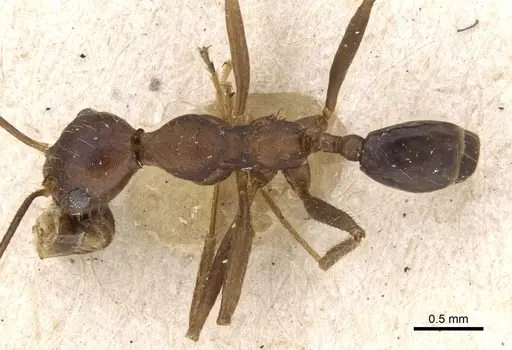
CASENT0612766
View on AntWeb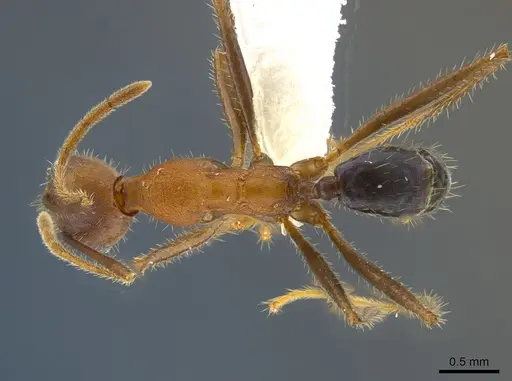
CASENT0635469
View on AntWeb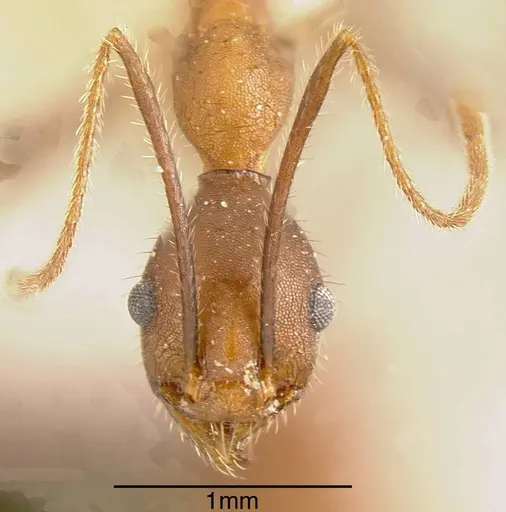
CASENT0905770
View on AntWeb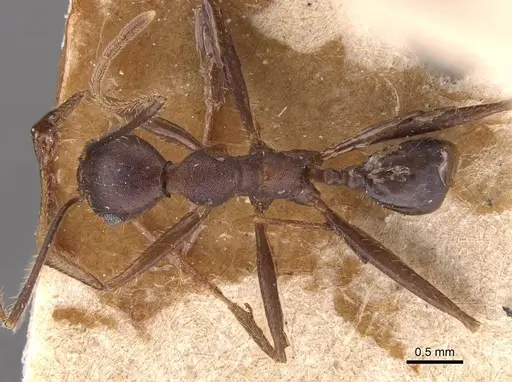
CASENT0908097
View on AntWeb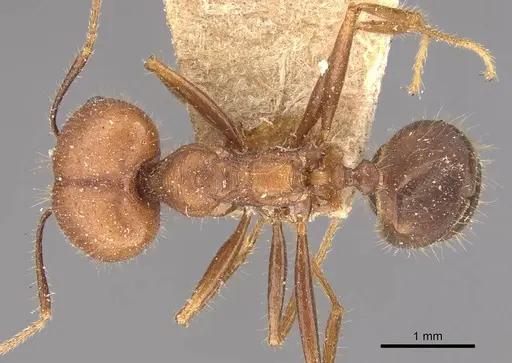
CASENT0908098
View on AntWeb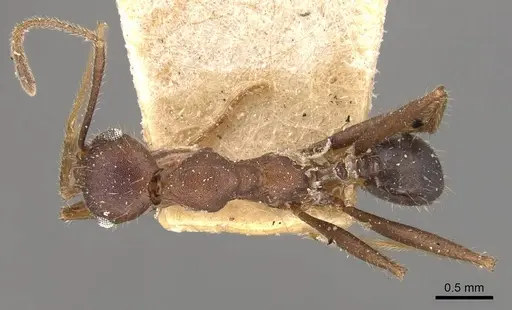
CASENT0917773
View on AntWeb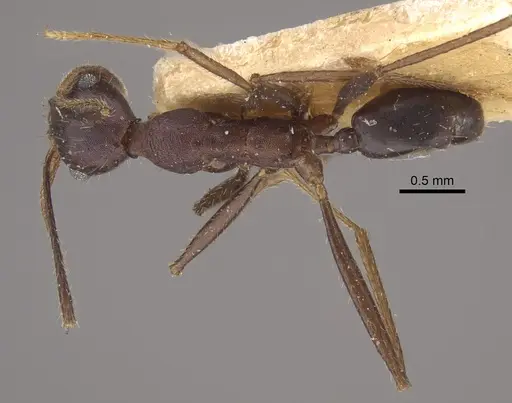
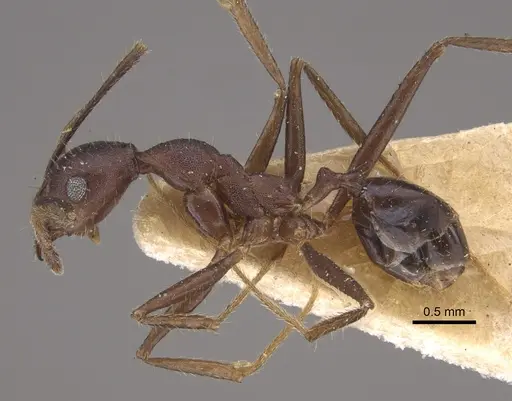
FOCOL0628-1
View on AntWeb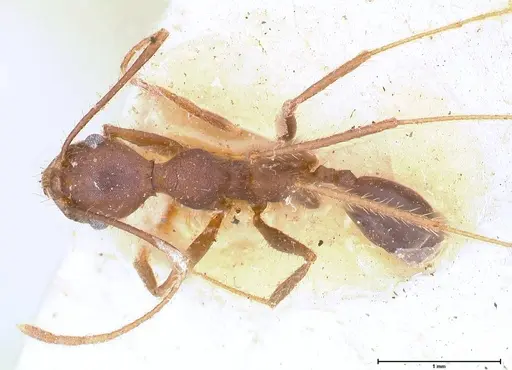
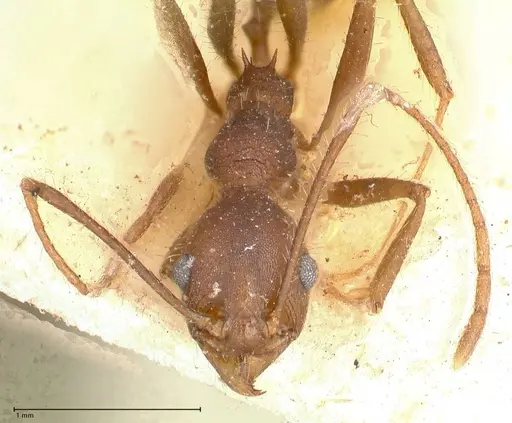
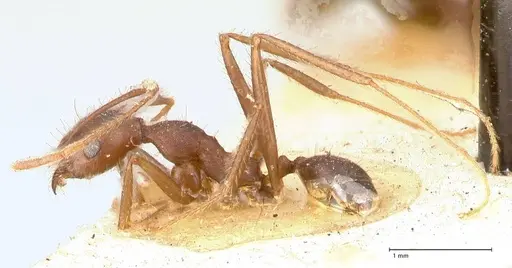
FOCOL0628-2
View on AntWeb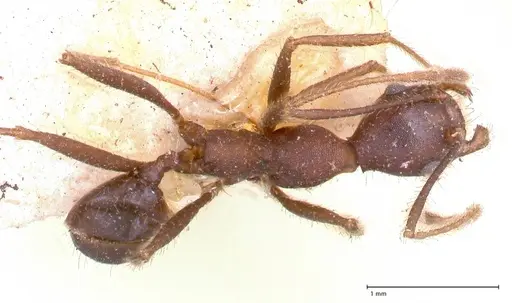
FOCOL0629
View on AntWeb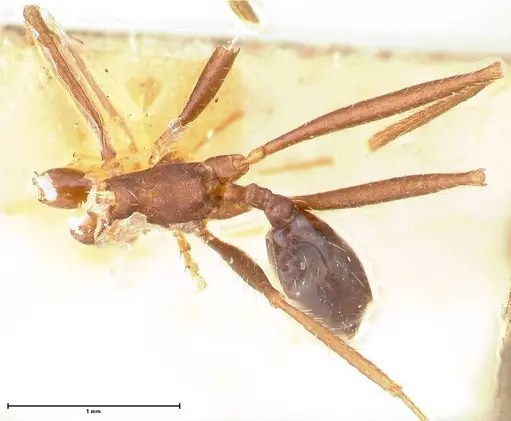
INBIOCRI002279354
View on AntWeb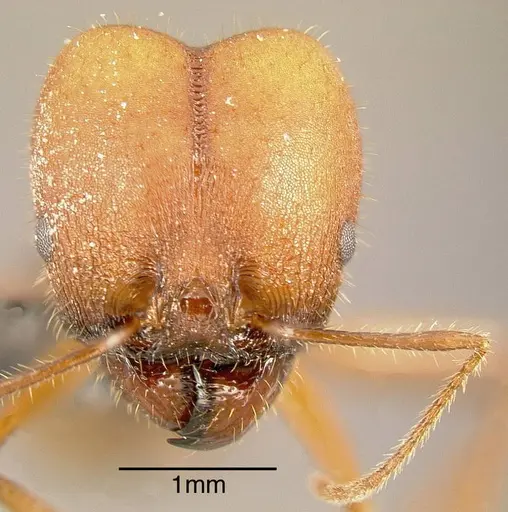
Literature
Loading...Loading products...