

Pheidole glomericeps
- Scientific Name
- Pheidole glomericeps
- Tribe
- Attini
- Subfamily
- Myrmicinae
- Author
- Wilson, 2003
- Distribution
- Found in 7 countries
Pheidole glomericeps Overview
Pheidole glomericeps is an ant species of the genus Pheidole. It is primarily documented in 7 countries , including Costa Rica, Ecuador, Guatemala. Detailed taxonomic data and occurrence records can be further explored via authoritative databases such as AntWeb or the Global Biodiversity Information Facility (GBIF).
Pheidole glomericeps
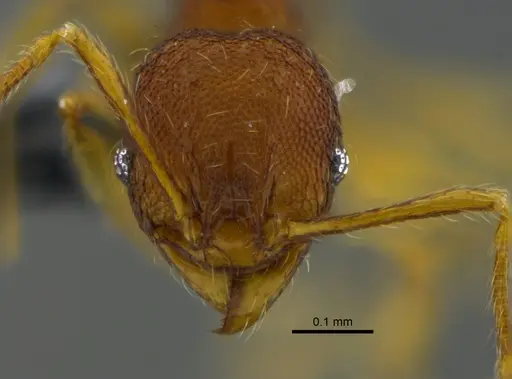
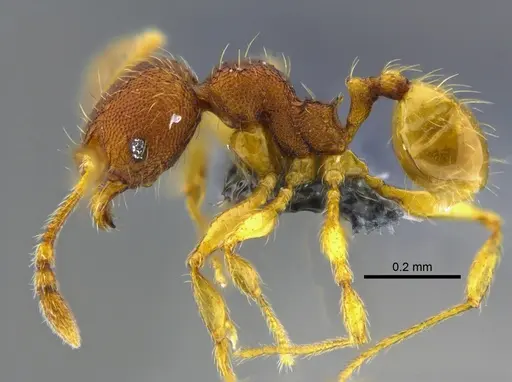
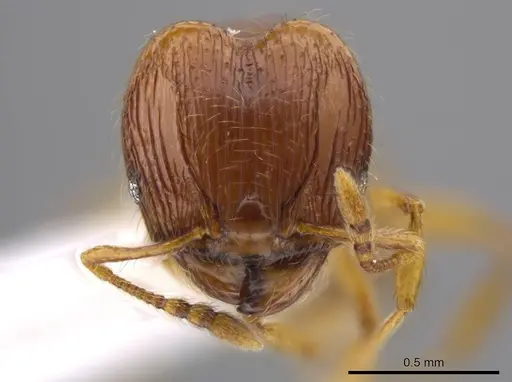
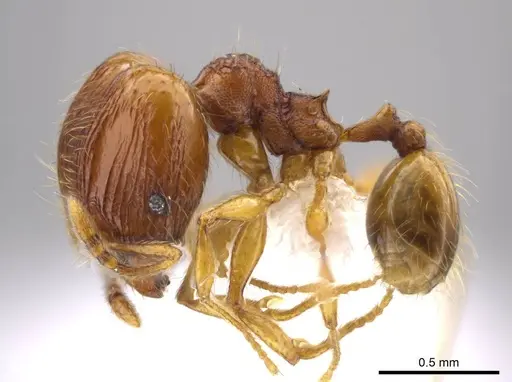
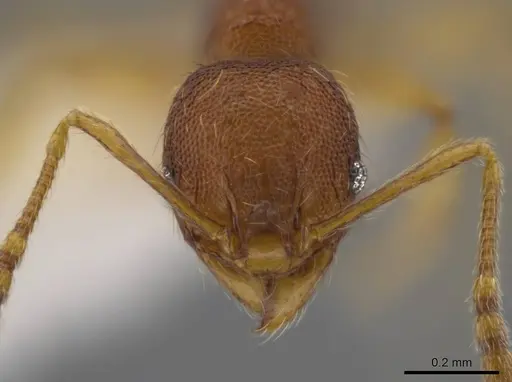
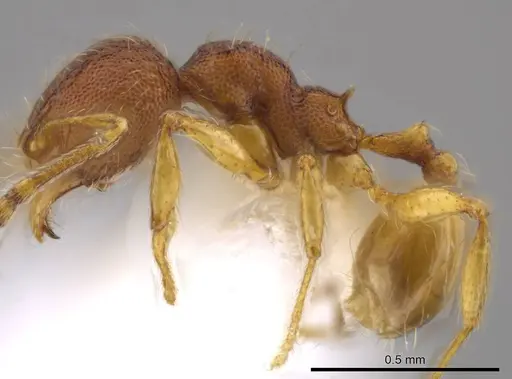
Pheidole glomericeps is a small, dimorphic ant species native to the Neotropical region, ranging from southern Mexico through Central America to Costa Rica [1]. The species was described by E.O. Wilson in 2003 and is known primarily from type specimens collected in tropical rainforest habitats below 930 meters elevation [1]. Major workers have a distinctive circular head shape with longitudinal carinae and antennal scrobes, while minor workers feature reduced elliptical eyes and a completely foveolate body [1]. Both castes are concolorous yellow, with majors measuring around 0.80mm head width and minors around 0.40mm [2]. This species is part of the tribe Attini, which includes fungus-growing ants, though P. glomericeps itself is a predator of oribatid mites rather than a cultivator [3].
Quick Summary
- Difficulty: Medium
- Origin & Habitat: Native to the Neotropical region from southern Mexico through Guatemala, Honduras, Nicaragua, Panama to Costa Rica. Inhabits tropical rainforest below 930m elevation [1]. Type specimens collected from 10km south of Palenque, Chiapas, Mexico and near Turrialba, Costa Rica at 550m [2].
- Colony Type: Colony structure is unconfirmed. Pheidole species are typically monogyne (single queen) but some can be polygyne. This species' queen number has not been documented.
- Founding: Claustral
- Size & Growth:
- Queen: Undocumented for this species. Based on related Pheidole, likely 4-6mm.
- Worker: Major workers: 0.80mm HW. Minor workers: 0.40mm HW [2].
- Colony: Unknown. Typical Pheidole colonies reach several hundred to a few thousand workers.
- Growth: Moderate, based on typical Pheidole development patterns.
- Development: Estimated 6-8 weeks based on typical Pheidole genus patterns at tropical temperatures (24-28°C). (Direct development data unavailable for this species. Timing is inferred from related species in the genus.)
- Antkeeping:
- Temperature: Keep at 24-28°C. This species inhabits tropical rainforest below 930m, so it prefers warm, stable conditions [1]. A slight gradient allowing cooler areas is beneficial.
- Humidity: Maintain moderate to high humidity (60-80%). Tropical rainforest species require consistent moisture. Keep nest substrate moist but not waterlogged.
- Diapause: Likely minimal or none. As a tropical species, they probably do not require true hibernation but may slow down during cooler periods.
- Nesting: In captivity, standard test tube setups work well for founding colonies. Once established, they do well in Y-tong nests, acrylic formicaria, or plaster nests that retain moisture. Provide a dark nesting area as they prefer sheltered conditions.
- Behavior: Pheidole glomericeps is a dimorphic species with distinct major and minor worker castes. Majors have enlarged heads for seed-crushing and colony defense, while minors handle most forager tasks. Based on related species, they are likely active foragers that hunt small prey, particularly oribatid mites [3]. They are not aggressive toward keepers but majors can deliver mild bites. Their small size (minors ~2mm, majors ~4mm) means escape prevention should be moderate, they are not tiny enough to require extreme measures but standard barriers are recommended.
- Common Issues: limited data means care requirements are estimates based on genus patterns rather than species-specific studies, tropical humidity needs can lead to mold problems if ventilation is inadequate, small colony size initially makes them vulnerable to stress, avoid disturbing founding queens, minor workers are small and can dry out quickly if humidity drops, as a poorly known species, wild-caught colonies may have unknown parasites or diseases
Nest Preferences
In the wild, Pheidole glomericeps has been collected from tropical rainforest leaf litter at elevations below 930m [1]. The type specimens were collected using subterranean bait traps, suggesting they may nest in soil or decaying wood near the forest floor. For captive care, a test tube setup works well for founding colonies, the queen will seal herself into a chamber and raise her first workers there. Once the colony reaches 20-30 workers, you can move them to a more elaborate setup. Y-tong nests, acrylic formicaria, or plaster nests all work well for Pheidole because they retain moisture and provide dark, enclosed chambers. Avoid very dry setups, this tropical species needs consistent substrate moisture. A small outworld for foraging allows workers to hunt and dispose of waste.
Feeding and Diet
Pheidole glomericeps is a predator that feeds on small invertebrates, particularly oribatid mites [3]. This places them in the tribe Attini, though unlike their fungus-farming relatives, they are predators rather than cultivators. In captivity, offer small live prey such as fruit flies, pinhead crickets, and small mealworms. They will likely accept protein-rich foods readily. Sugar sources like honey water or sugar water are typically accepted by Pheidole species, though protein should form the bulk of their diet. Feed small prey items every 2-3 days, removing any uneaten food to prevent mold. Colonies with majors can handle slightly larger prey items thanks to their enlarged head muscles for crushing.
Temperature and Care
As a tropical species from lowland rainforest habitats in Central America, Pheidole glomericeps requires warm conditions. Keep the nest area at 24-28°C for optimal brood development [1]. Temperatures below 20°C may slow their metabolism and development significantly. A heating cable on one side of the nest creates a gentle gradient, allowing workers to self-regulate their temperature preference. Avoid temperature fluctuations and drafts. Room temperature in most homes (20-24°C) is acceptable but may result in slower growth. If your room is cooler, use a low-level heat mat under or beside the nest. Monitor colony behavior, workers that consistently cluster near the heat source indicate they want it warmer.
Behavior and Temperament
This species shows the classic Pheidole dimorphism with major and minor workers. Minor workers (around 2mm) handle most daily tasks including foraging, brood care, and nest maintenance. Major workers (around 4mm) have enlarged heads with powerful mandibles used for seed processing, colony defense, and cracking hard prey. They are not particularly aggressive toward keepers and rarely sting. The majors can deliver a mild bite if handled roughly, but this is not dangerous. Workers are active foragers that will hunt small prey in the outworld. They establish defined foraging trails once the colony is established. Their small size means they can squeeze through small gaps, use standard ant farm barriers but extreme measures like fine mesh are unnecessary for this species. [2]
Frequently Asked Questions
How long does it take for Pheidole glomericeps to produce first workers?
Based on typical Pheidole development, expect first workers (nanitics) around 6-8 weeks after the queen lays eggs, at tropical temperatures of 24-28°C. Development may be slower at cooler temperatures.
Can I keep multiple Pheidole glomericeps queens together?
Not recommended. While Pheidole colony structure varies by species, combining unrelated queens has not been documented for this species and typically leads to fighting. Start with a single queen for best success.
What do Pheidole glomericeps eat?
They are predators of small invertebrates, particularly oribatid mites in the wild. In captivity, feed small live prey like fruit flies, pinhead crickets, and small mealworms. They will likely accept sugar water or honey as well.
What temperature is best for Pheidole glomericeps?
Keep them at 24-28°C. This tropical rainforest species prefers warm, stable conditions. A slight temperature gradient allowing cooler areas is beneficial.
How big do Pheidole glomericeps colonies get?
Colony size is not documented for this specific species, but typical Pheidole colonies reach several hundred to a few thousand workers. Growth is moderate.
Is Pheidole glomericeps good for beginners?
This species is rated Medium difficulty. While basic Pheidole care is straightforward, the limited species-specific information means you may need to adjust care based on colony behavior. They are not the easiest choice for complete beginners but manageable with ant-keeping experience.
Do Pheidole glomericeps need hibernation?
Probably not. As a tropical species from lowland Central American rainforests, they likely do not require true hibernation. They may slow down slightly during cooler periods but a full diapause is not necessary.
When should I move Pheidole glomericeps to a formicarium?
Keep them in a test tube setup until the colony reaches at least 20-30 workers and the test tube shows signs of degradation. Pheidole do well in Y-tong nests, acrylic formicaria, or plaster nests once established.
Why are my Pheidole glomericeps dying?
Common causes include: low humidity (they need 60-80%), temperatures below 20°C, mold from overwatering or poor ventilation, stress from disturbing the nest too often, or inadequate prey. Check these parameters first. As a poorly known species, wild-caught colonies may also have unknown parasites.
References

This caresheet is licensed under CC BY-SA 4.0 .
CASENT0624073
View on AntWeb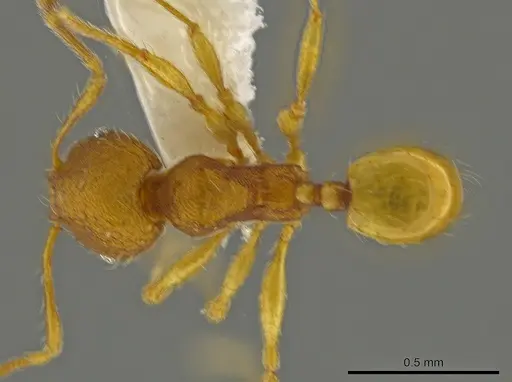
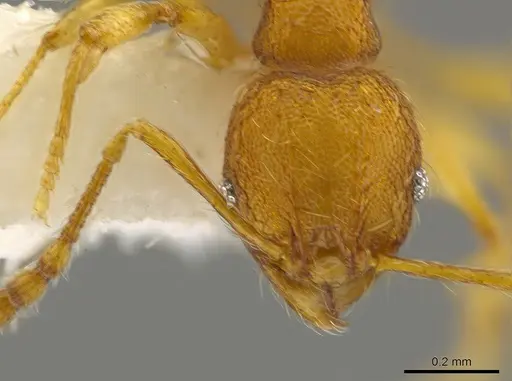
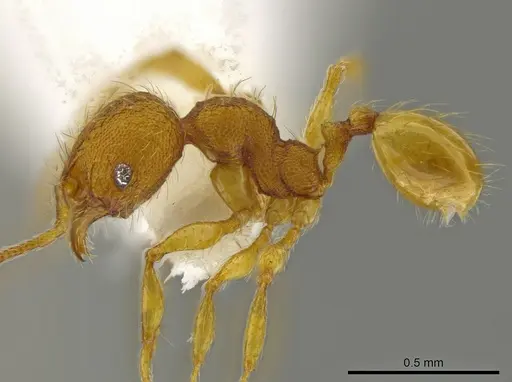
CBUMAGENT42026
View on AntWeb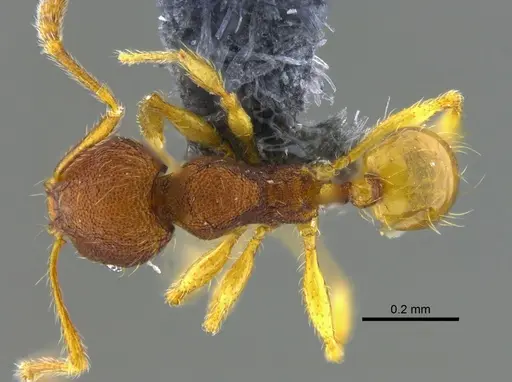
JTLC000014002
View on AntWeb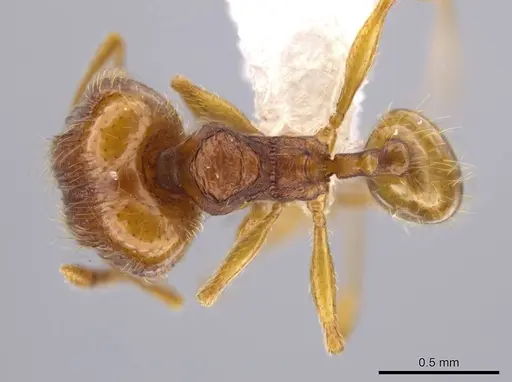
JTLC000014003
View on AntWeb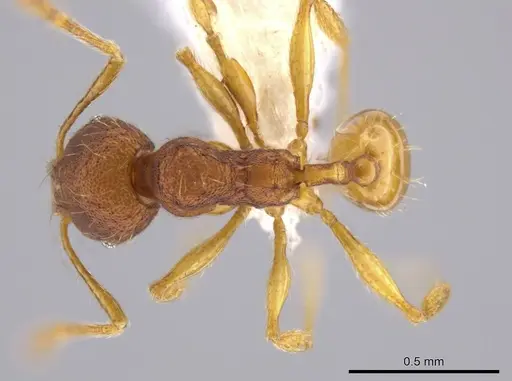
Literature
Loading...Loading products...