

Pheidole gilva
- Scientific Name
- Pheidole gilva
- Tribe
- Attini
- Subfamily
- Myrmicinae
- Author
- Wilson, 2003
- Distribution
- Found in 1 countries
Pheidole gilva Overview
Pheidole gilva is an ant species of the genus Pheidole. It is primarily documented in 1 countries , including Peru. Detailed taxonomic data and occurrence records can be further explored via authoritative databases such as AntWeb or the Global Biodiversity Information Facility (GBIF).
Pheidole gilva
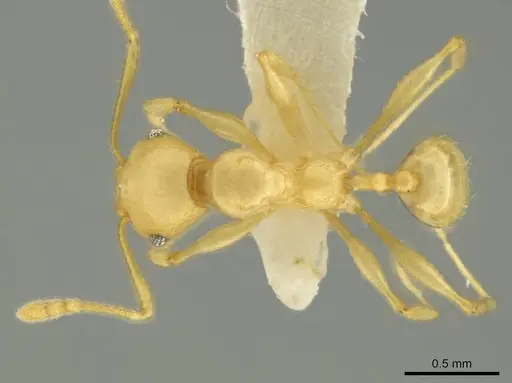
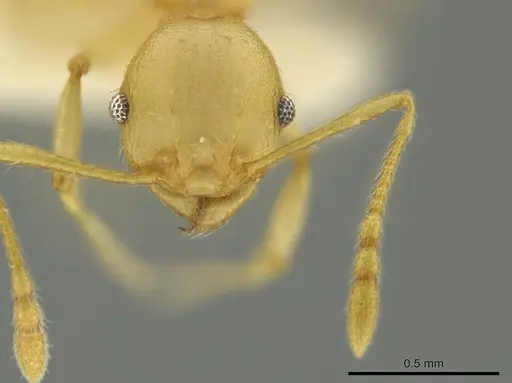
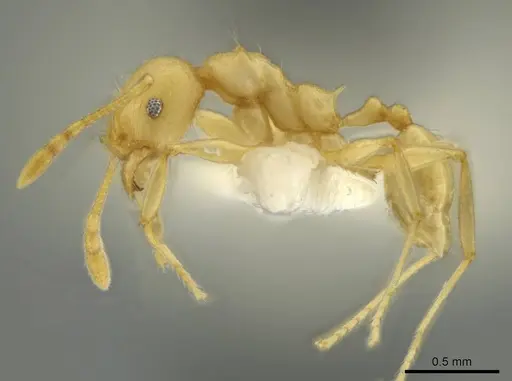
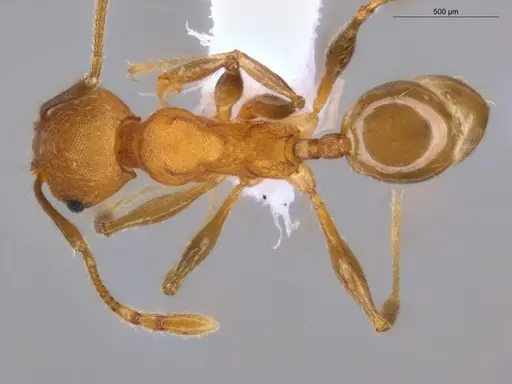
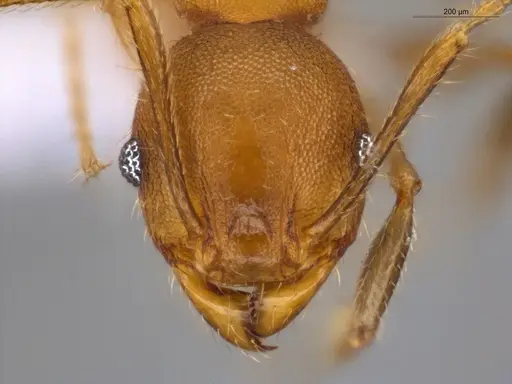
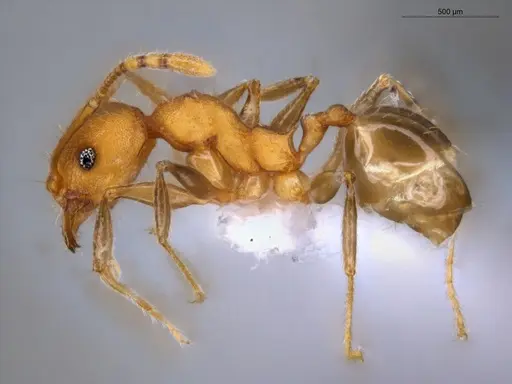
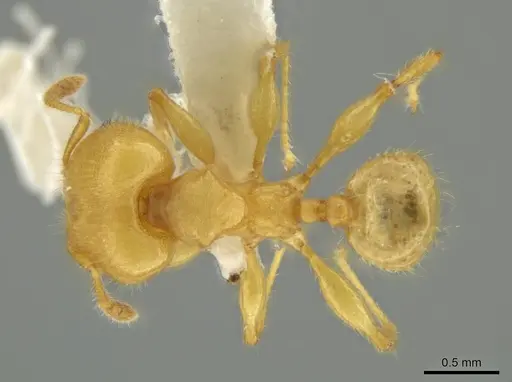
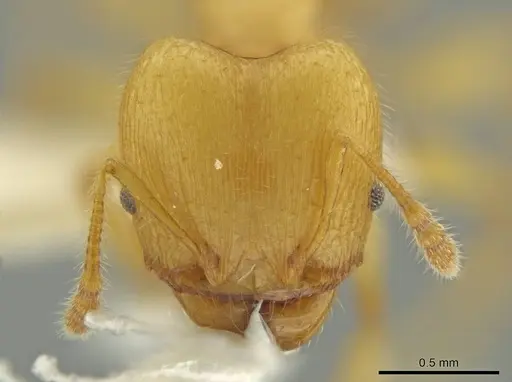
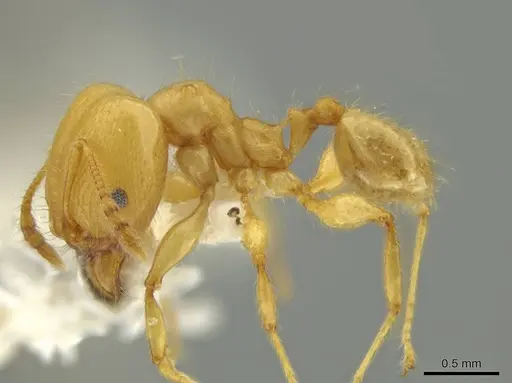
Pheidole gilva is a small tropical ant belonging to the genus Pheidole, known for its distinctive yellow coloration. The major workers measure around 1.12mm in head width, while the minor workers are much smaller at around 0.56mm. This species was first described from Peru and is known from only a handful of records across the Amazon basin in South America. The major workers have a unique 'sharkfin' shaped hump on their shoulders, and both castes are a uniform yellow color, the species name 'gilva' literally means pale yellow in Latin. In their natural habitat of mature terra firme rainforest, these ants nest in dead branches several meters above the ground, suggesting they are canopy-dwelling rather than ground-nesting. This arboreal lifestyle sets them apart from many other Pheidole species that forage on the forest floor.
Quick Summary
- Difficulty: Unknown, Limited Data
- Origin & Habitat: Amazon basin in South America (Peru, Brazil, Ecuador, French Guiana). Found in mature terra firme rainforest, nesting in dead branches 3 meters above ground.
- Colony Type: Unconfirmed, likely single queen based on typical Pheidole patterns
- Size & Growth:
- Queen: Unknown, not described in original description
- Worker: Major: 1.12mm HW, Minor: 0.56mm HW
- Colony: Unknown, no colony size data available
- Growth: Unknown, no development data available
- Development: Unknown, no direct data, likely 4-8 weeks based on typical tropical Pheidole (Development timeline has not been studied. Tropical Pheidole species typically develop faster than temperate species.)
- Antkeeping:
- Temperature: Aim for 24-28°C, based on tropical rainforest origin. Use a heating cable on one side of the nest to create a gradient
- Humidity: Keep moderately humid (60-80%). Their natural canopy habitat suggests they prefer stable humidity without being waterlogged
- Diapause: No, tropical species do not require hibernation. Keep at stable temperatures year-round
- Nesting: Based on their natural nesting in dead branches 3m up, they likely prefer arboreal setups. Y-tong nests or acrylic nests with narrow chambers work well. Avoid very wet substrates, they prefer drier nest conditions than ground-nesting Pheidole
- Behavior: Behavior is poorly documented. The species has been collected via canopy fogging, suggesting they forage in the upper levels of the rainforest rather than on the ground. Like other Pheidole, they likely have major workers specialized for seed-cracking and defense. Exercise caution with escape prevention, minor workers are small and can squeeze through standard barriers. No documented sting potency, but Pheidole majors can deliver painful bites.
- Common Issues: limited data makes care recommendations uncertain, much is inferred from genus patterns, no confirmed diet preferences, assume typical Pheidole diet of seeds and protein, colony size unknown, start small and expand as colony grows, escape prevention important given small minor worker size, no information on founding behavior, queen may be claustral like most Pheidole
Nest Preferences and Housing
Pheidole gilva nests naturally in dead branches in the rainforest canopy, about 3 meters above ground. This arboreal lifestyle suggests they prefer drier nest conditions than ground-nesting Pheidole species. For captivity, Y-tong (acrylic) nests work well, they provide the dry, stable conditions this species likely needs. Avoid overly wet substrates or test tube setups that accumulate condensation. The nest chambers should be appropriately scaled to their small size, with minor workers being only about 0.5mm. Given their small size, ensure your formicarium has tight-fitting connections and consider using fluon on rim edges to prevent escapes. [1]
Feeding and Diet
As members of the tribe Attini, Pheidole species are typically seed-harvesters that also supplement their diet with protein from insects. However, this species has been found in canopy fogging samples rather than ground foraging surveys [1], which may indicate different foraging behavior than typical ground-dwelling Pheidole. They may forage more in the upper canopy for honeydew and small arthropods. For captivity, offer a varied diet: seeds (millet, chia, or cracked sunflower seeds) for the majors to crack open, protein sources like small mealworms or fruit flies, and occasional sugar water or honey. Start with small offerings and observe what they accept. Remove uneaten food after 48 hours to prevent mold.
Temperature and Humidity
Being a tropical Amazonian species, Pheidole gilva requires warm, stable temperatures. Aim for 24-28°C in the nest area, with a slight gradient allowing workers to self-regulate. A heating cable placed on top of the nest (never underneath to avoid drying) can help maintain optimal temperatures. For humidity, keep the nest moderately humid (around 60-70%) but avoid the saturated conditions that work for ground-nesting species. The canopy origin suggests they prefer drier conditions. Provide a water tube for drinking access. Unlike temperate species, no diapause or winter cooling is needed, maintain consistent temperatures year-round.
Behavior and Colony Dynamics
Pheidole species are known for their polymorphism, large major workers with specialized heads for seed-cracking coexist with smaller minor workers that handle most foraging and nursing tasks. The major workers of P. gilva have distinctive 'sharkfin' shaped humeri and can grow quite large relative to the minors. Colonies likely develop slowly at first as the queen raises her first brood alone, then accelerate once the first workers (nanitics) emerge. Major workers appear later in the colony cycle and take over specialized tasks. No specific aggression data exists for this species, but Pheidole majors can deliver bites if threatened. The small minor size means escape prevention must be excellent, they can slip through surprisingly small gaps. [1]
Frequently Asked Questions
How long does it take for Pheidole gilva to produce first workers?
The exact development timeline is unknown, this species has not been studied in captivity. Based on typical tropical Pheidole development, expect first workers (nanitics) in approximately 4-8 weeks at optimal temperature (around 26°C). The queen will remain sealed in her founding chamber until her first brood emerges.
What do Pheidole gilva ants eat?
While not directly studied, assume a typical Pheidole diet. Offer seeds (millet, chia, cracked sunflower seeds) that majors can crack, protein sources like small insects or mealworms, and occasional sugar water or honey. The canopy collection data suggests they may favor honeydew and small arthropods over ground seeds.
Can I keep Pheidole gilva in a test tube setup?
A test tube setup may work for founding, but their canopy origin suggests they prefer drier conditions than typical test tube setups provide. Consider transitioning to a Y-tong or acrylic nest once the colony reaches 20-30 workers. The small minor size means ensure excellent escape prevention regardless of nest type.
Are Pheidole gilva good for beginners?
This species is not recommended for beginners due to the limited data available. Care must be largely inferred from genus patterns rather than species-specific research. If you're experienced with Pheidole or tropical ants, this can be an interesting species to keep, but be prepared to adapt care based on colony behavior.
Do Pheidole gilva need hibernation?
No, as a tropical Amazonian species, they do not require hibernation. Keep temperatures stable year-round in the 24-28°C range. Sudden temperature drops or cooling periods can be harmful.
How big do Pheidole gilva colonies get?
Colony size is unknown, no data exists on maximum colony size for this species. Most Pheidole colonies reach several hundred to a few thousand workers. Start small and expand housing as the colony grows.
References

This caresheet is licensed under CC BY-SA 4.0 .
Literature
Loading...Loading products...