

Pheidole ghatica
- Scientific Name
- Pheidole ghatica
- Tribe
- Attini
- Subfamily
- Myrmicinae
- Author
- Forel, 1902
- Distribution
- Found in 1 countries
Pheidole ghatica Overview
Pheidole ghatica is an ant species of the genus Pheidole. It is primarily documented in 1 countries , including India. Detailed taxonomic data and occurrence records can be further explored via authoritative databases such as AntWeb or the Global Biodiversity Information Facility (GBIF).
Pheidole ghatica
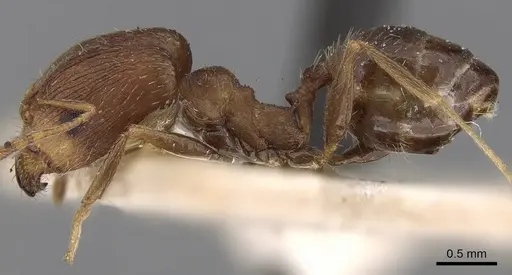
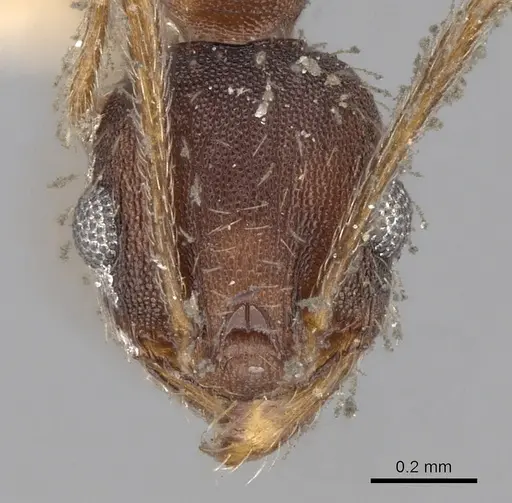
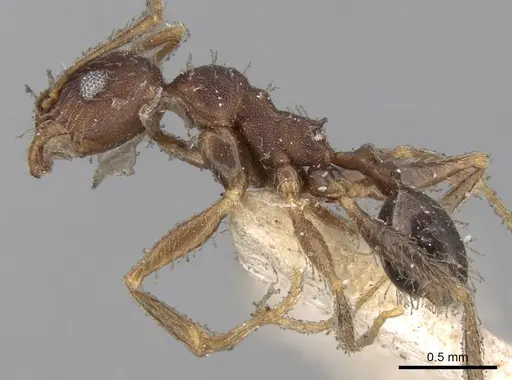
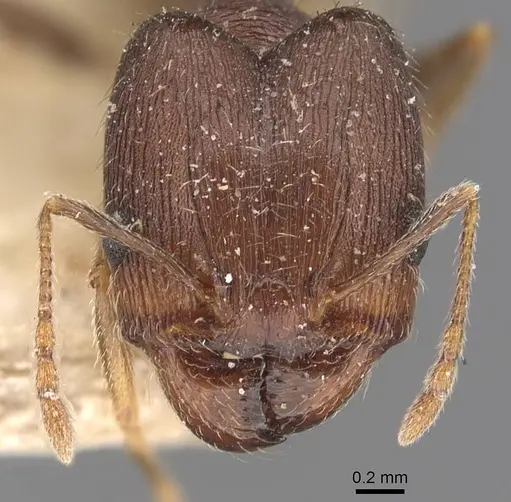
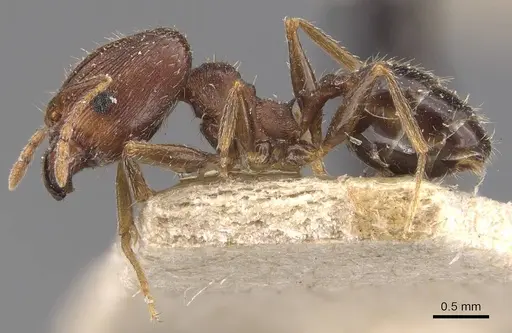
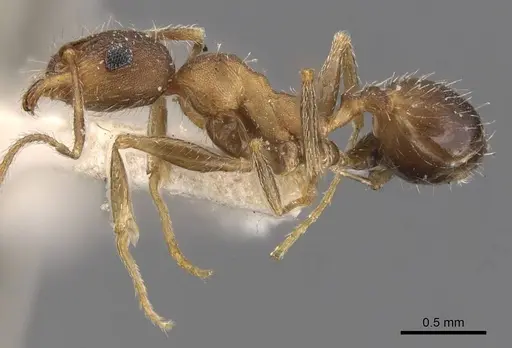
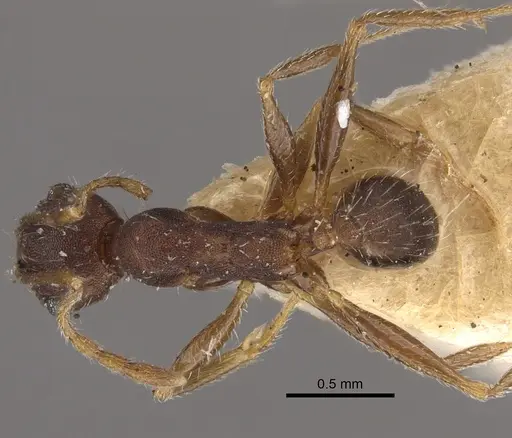
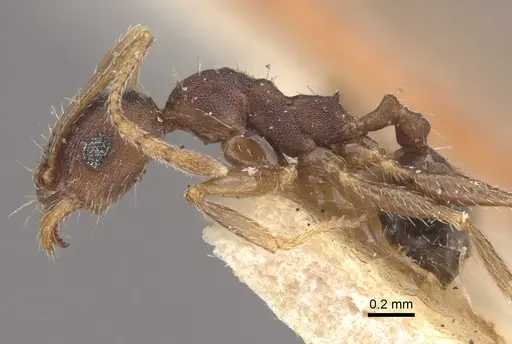
Pheidole ghatica is a small ant species endemic to India, belonging to the tribe Attini (leafcutter and fungus-growing ant relatives). Major workers measure around 1.2mm in head width with a distinctive dark brown to black gaster, while minor workers are much smaller at around 0.5mm head width with a yellowish-brown coloration. The species was first described by Forel in 1902 and is found primarily in the western and southern regions of India, particularly Kerala and Maharashtra states. These ants nest in soil and are known hosts for the myrmecophilous beetle Coluocera beloni.
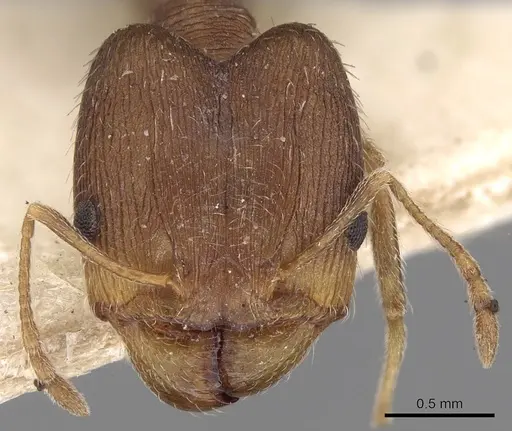
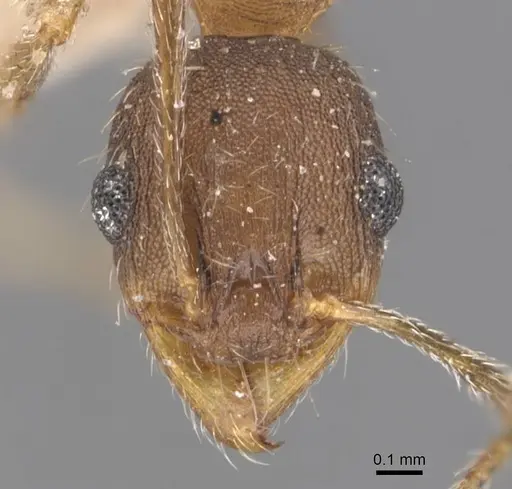
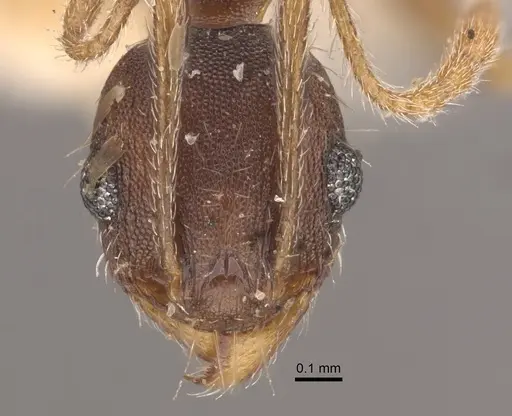
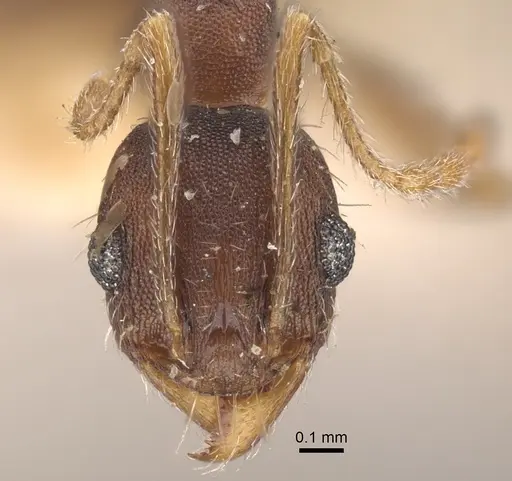
This species displays the typical Pheidole dimorphism with major and minor workers. The major workers have a deep occipital emargination (a notch at the back of the head), short antennae that don't reach far beyond the head, and a massive triangular head used for seed processing and defense. Minor workers are more slender with longer antennae relative to their body size. As with other Pheidole species, colonies likely develop relatively quickly once established, with major workers appearing once the colony reaches a moderate size.
Quick Summary
- Difficulty: Medium
- Origin & Habitat: Endemic to India, specifically found in Kerala and Maharashtra states. Nests in soil in tropical and subtropical habitats [1][2].
- Colony Type: Likely single-queen colonies (monogyne) based on typical Pheidole genus patterns, though colony structure has not been specifically documented for this species.
- Founding: Claustral
- Size & Growth:
- Queen: Estimated 6-8mm based on genus typical size, not directly measured for this species
- Worker: Major workers: 1.225mm head width (HW), minor workers: 0.494mm head width (HW) [1]
- Colony: Likely reaches several thousand workers based on typical Pheidole colony sizes, not directly documented
- Growth: Moderate, based on typical Pheidole development patterns
- Development: Estimated 6-8 weeks at optimal temperature based on genus patterns for tropical species (Development time inferred from related tropical Pheidole species, actual timeline may vary)
- Antkeeping:
- Temperature: Keep at 24-28°C (warm tropical conditions). India species requires warmth year-round
- Humidity: Moderate to high humidity (60-80%). Soil-nesting species prefers moist substrate but not waterlogged [1]
- Diapause: Likely minimal or no true diapause given tropical origin, may have slight slow-down in cooler months
- Nesting: Soil-nesting species. Will adapt to test tube setups, Y-tong nests, or naturalistic setups with soil substrate. Provide moist substrate for brood chambers
- Behavior: Generally peaceful temperament typical of Pheidole. Major workers serve as defenders and seed processors while minors handle foraging and brood care. Foraging activity likely peaks during warmer hours. Minor workers are very small (under 1mm) so escape prevention requires fine mesh barriers. Colonies may show increased aggression if nest is disturbed.
- Common Issues: very small minor workers require fine mesh barriers to prevent escapes, soil-nesting species needs appropriate humidity maintenance in captive setups, tropical origin means they need consistent warmth, cold kills colonies, colonies may be slow to establish initially, patience needed during founding phase, major workers develop later in colony lifecycle, don't be concerned if only minors initially
Housing and Nest Setup
Pheidole ghatica is a soil-nesting species that adapts well to various captive setups. Test tube setups work well for founding colonies, use a water reservoir connected to a cotton plug, keeping the substrate moist but not flooded. For established colonies, Y-tong (acrylic) nests with soil chambers or naturalistic setups with dirt substrate work well. The key is maintaining consistent moisture in the nesting area while allowing some drier areas for the ants to regulate their own humidity. Because minor workers are very small (under 1mm), ensure your setup has no gaps larger than 0.5mm, even tiny gaps can lead to escapes. Use fine mesh on any ventilation holes. [1]
Feeding and Diet
Pheidole species are typically omnivorous with a preference for seeds and protein. In captivity, offer a varied diet including: small seeds (millet, sesame, chia), protein sources like small insects (fruit flies, small mealworms, crickets), and occasional sugar sources (honey water, sugar water). Pheidole ghatica likely follows the typical genus diet, they are known seed harvesters in the wild, using their major workers to process hard seeds. Feed protein 2-3 times per week and ensure sugar water or honey is available at all times. Remove uneaten food after 24 hours to prevent mold. Given their small size, food items should be appropriately sized, very small insects or crushed seeds work best.
Temperature and Seasonal Care
As a tropical species from India, Pheidole ghatica requires warm conditions year-round. Keep the nest area at 24-28°C for optimal brood development. Temperatures below 20°C can slow colony growth significantly, and prolonged cold exposure can be fatal. A small heating cable or mat on one side of the nest creates a temperature gradient allowing ants to self-regulate. Place the heating on top of the nest to avoid drying out the substrate. Unlike temperate species, this ant likely does not require a true winter diapause, maintain warm conditions year-round. If your room temperature is in the low 20s°C, that may be sufficient, but monitor colony activity for signs of cold stress.
Colony Development and Growth
Pheidole colonies follow a predictable growth pattern. After the claustral queen seals herself in, she lays eggs and raises the first brood entirely from her own fat reserves. The first workers (nanitics) are typically smaller than normal workers and emerge within 6-8 weeks under optimal conditions. Once nanitics emerge, the queen stops foraging entirely and focuses on egg-laying while workers take over all colony tasks. Major workers typically appear once the colony reaches several hundred workers. Growth rate is moderate, expect 6-12 months to reach 100 workers, with faster growth at warmer temperatures. Colonies can eventually reach several thousand workers. Be patient during the founding phase as it's the most vulnerable time for the colony.
Behavior and Defense
This species displays typical Pheidole behavior, relatively peaceful unless their nest is directly threatened. Major workers serve as the colony's defenders and are equipped with powerful mandibles for seed processing and defense. When disturbed, majors may rush to the nest entrance while minors retreat deeper into the nest. The minor workers are very small and can squeeze through tiny gaps, making escape prevention critical. Unlike some aggressive ant species, Pheidole ghatica is not particularly territorial and typically focuses on foraging rather than raiding. Workers likely forage individually or in small groups rather than forming large raiding parties. They are not known to sting, though their bite can be noticeable due to their powerful mandibles.
Frequently Asked Questions
How long does it take for Pheidole ghatica to produce first workers?
First workers (nanitics) typically emerge in 6-8 weeks under optimal warm conditions (24-28°C). This timeline is based on typical Pheidole genus development patterns for tropical species.
What do Pheidole ghatica ants eat?
They are omnivorous but prefer seeds and protein. Offer small seeds, small insects like fruit flies or tiny mealworms, and sugar water or honey. Remove uneaten food after 24 hours.
What temperature do Pheidole ghatica colonies need?
Keep them warm at 24-28°C year-round. This tropical species does not tolerate cold well, maintain warm conditions and avoid temperatures below 20°C.
Are Pheidole ghatica good for beginners?
They are moderate difficulty. The main challenges are maintaining proper warmth and humidity, plus preventing escapes due to their very small minor workers. They are more challenging than simple species but manageable for intermediate antkeepers.
How big do Pheidole ghatica colonies get?
Based on typical Pheidole patterns, colonies likely reach several thousand workers at maturity. Major workers appear once the colony is well-established.
Can I keep multiple Pheidole ghatica queens together?
Pheidole species are typically monogyne (single queen). Combining unrelated queens is not recommended as they likely will fight. Only keep one queen per colony.
Why are my Pheidole ghatica escaping?
Their minor workers are very small (under 1mm). Check for any gaps larger than 0.5mm in your setup. Use fine mesh on ventilation holes and ensure lids fit tightly.
Do Pheidole ghatica need hibernation?
No, as a tropical species from India, they do not require hibernation. Keep them warm year-round at 24-28°C.
When should I move my colony to a formicarium?
Wait until the colony has at least 50-100 workers and is actively using a test tube setup. A Y-tong or naturalistic setup with soil works well for this soil-nesting species.
References

This caresheet is licensed under CC BY-SA 4.0 .
CASENT0281660
View on AntWeb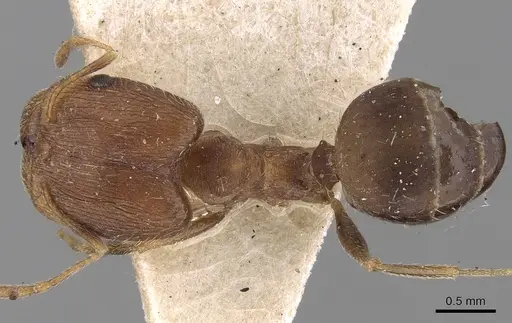
CASENT0281661
View on AntWeb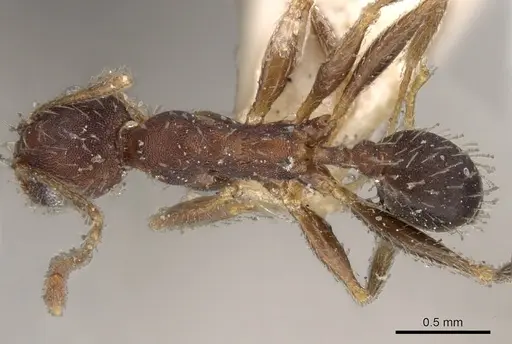
CASENT0907879
View on AntWeb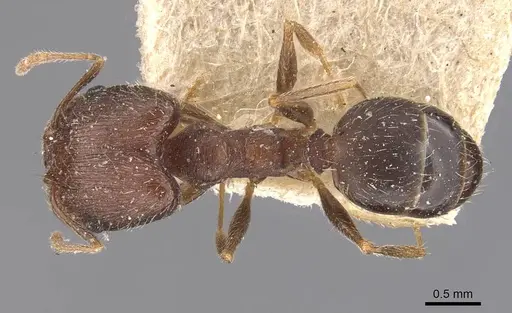
CASENT0907880
View on AntWeb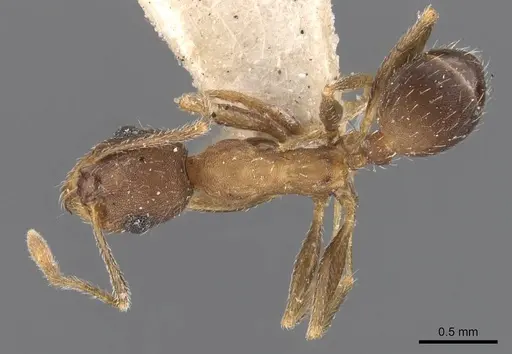
CASENT0917772
View on AntWeb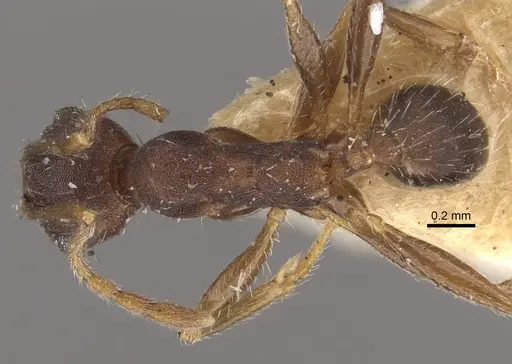
Literature
Loading...Loading products...