

Pheidole gertrudae
- Scientific Name
- Pheidole gertrudae
- Tribe
- Attini
- Subfamily
- Myrmicinae
- Author
- Forel, 1886
- Distribution
- Found in 5 countries
Pheidole gertrudae Overview
Pheidole gertrudae is an ant species of the genus Pheidole. It is primarily documented in 5 countries , including Argentina, Brazil, Colombia. Detailed taxonomic data and occurrence records can be further explored via authoritative databases such as AntWeb or the Global Biodiversity Information Facility (GBIF).
Pheidole gertrudae
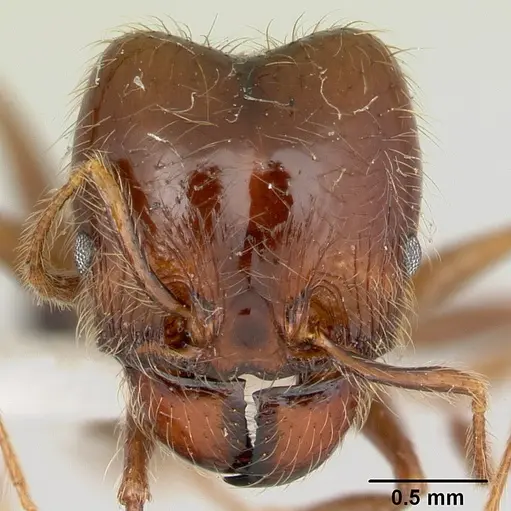
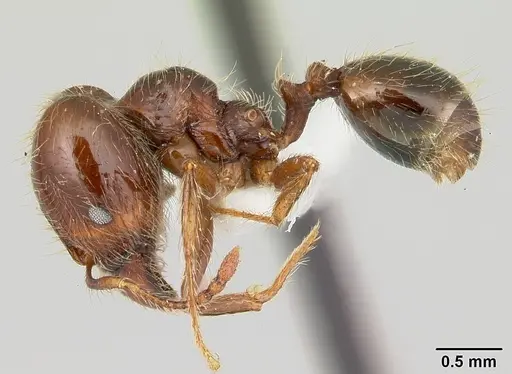
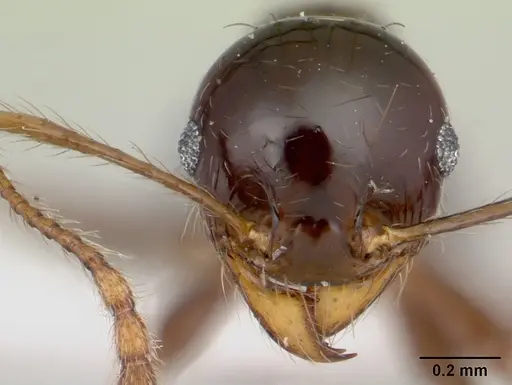
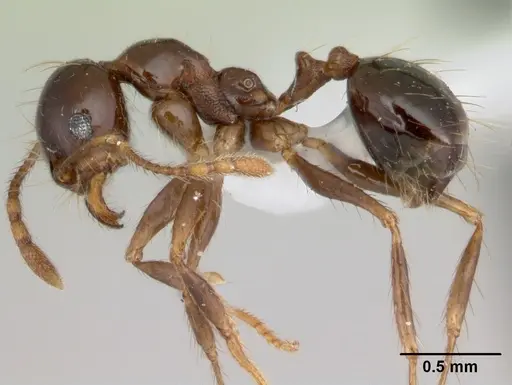
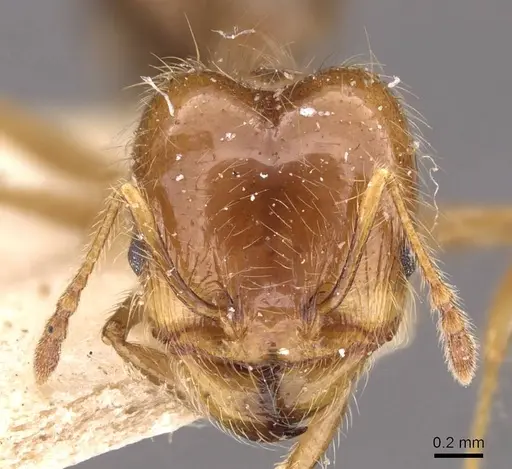
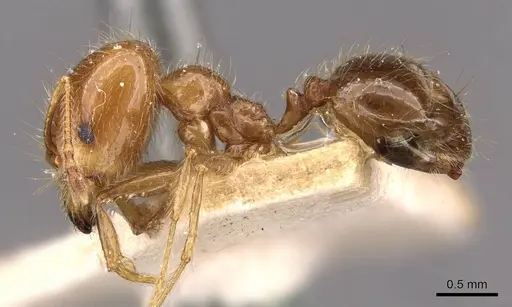
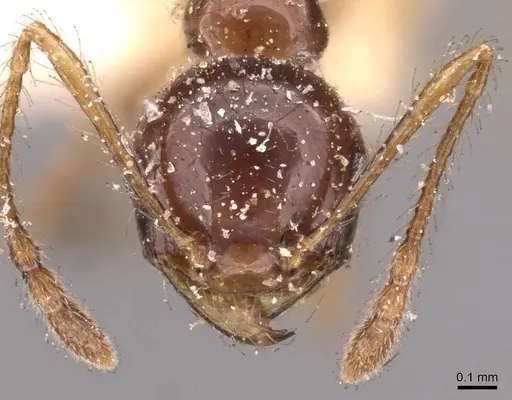
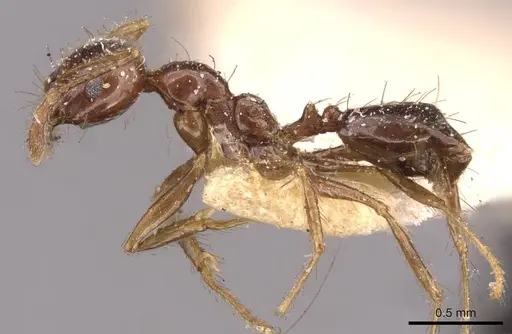
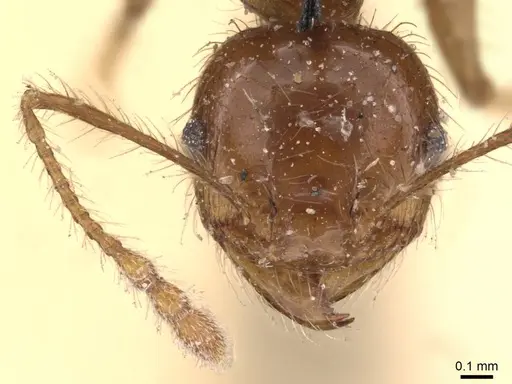
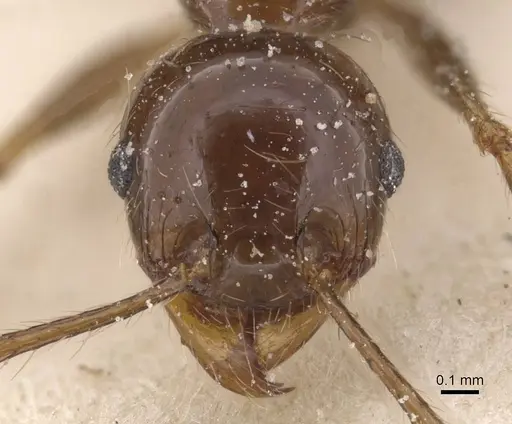
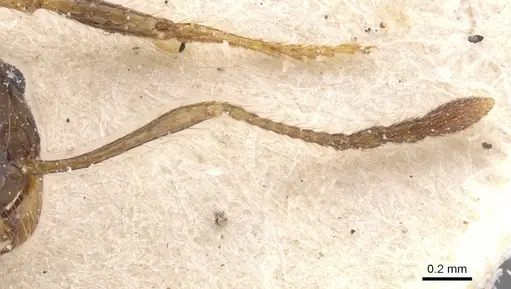
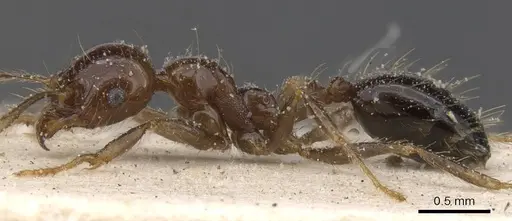
Pheidole gertrudae is a small Neotropical ant belonging to the Myrmicinae subfamily and the gertrudae species group. Majors have a head width of about 1.30mm with the entire body mostly smooth and shiny, and a distinctive feature of greatly reduced or absent propodeal spines. Minors are much smaller at around 0.64mm head width. The species shows typical Pheidole polymorphism with distinct major and minor worker castes. Colors range from light reddish yellow in majors to light brownish yellow in minors. This ant is widespread across the Neotropics, found from the Amazon region through central Brazil into Argentina and Paraguay [1][2].
What makes this species interesting is its ecological flexibility, it's been documented across diverse habitats from primary Atlantic Forest fragments to agricultural landscapes like cacao plantations and Eucalyptus stands. Research shows it can function as an indicator species for primary forest environments, suggesting it has specific habitat requirements that make it sensitive to environmental changes [3]. The species is also known to interact with plants, including removing seeds from Ricinus communis and dispersing them [4].
Quick Summary
- Difficulty: Medium
- Origin & Habitat: Neotropical region, Brazil (Amazonas to Santa Catarina), Bolivia, Paraguay, Colombia, Peru, and northern Argentina. Found in diverse habitats including Atlantic Forest fragments, Cerrado savanna, cacao plantations, Eucalyptus plantations, and Pantanal floodplains [1][2][5].
- Colony Type: Likely monogyne (single queen) based on typical Pheidole patterns. Colony size appears moderate, typical for the genus.
- Size & Growth:
- Queen: Unconfirmed, likely 5-7mm based on genus patterns
- Worker: Minor: 0.64mm head width [1], Major: 1.30mm head width [1]
- Colony: Likely moderate, hundreds of workers typical for Pheidole species
- Growth: Moderate, inferred from genus patterns
- Development: Estimated 6-8 weeks at warm temperatures based on typical Pheidole development (Development time is unconfirmed for this specific species)
- Antkeeping:
- Temperature: Keep at 22-26°C. This is a Neotropical species from warm regions, so aim for room temperature in the low-to-mid 20s. A gentle heat gradient allows ants to regulate their temperature.
- Humidity: Moderate to high, found in forest fragments and agricultural areas with some moisture. Keep nest substrate slightly moist but not waterlogged. Provide a water tube for drinking access.
- Diapause: Likely minimal or none, being a Neotropical species from regions without harsh winters. However, a slight cool period during winter months may be beneficial.
- Nesting: No specific nesting data exists for this species. Based on habitat associations (forest floor, leaf litter), a naturalistic setup with soil or a Y-tong/plaster nest with moisture retention would work well. Avoid overly dry conditions.
- Behavior: Pheidole gertrudae shows typical Pheidole behavior, they are generalist foragers and have been observed recruiting to food baits. The genus is described as highly abundant, aggressive, and able to actively patrol substrate in search of food [6]. They likely have major workers for seed processing and defense. Escape prevention is important given their small size, use tight-fitting barriers. They are not known to be particularly aggressive toward keepers but majors can deliver minor bites.
- Common Issues: no specific biology documented, care is largely inferred from genus patterns, small minor workers mean escape prevention must be excellent, wild-caught colonies may have parasites or diseases, slow founding phase common in Pheidole, patience needed, habitat flexibility means conditions may need adjustment based on colony behavior
Natural History and Distribution
Pheidole gertrudae has a broad Neotropical distribution spanning from the Amazon basin in Brazil and Colombia through central Brazil into northern Argentina and Paraguay. The species was originally described by Forel in 1886 and has several synonyms including Pheidole gertrudae and Pheidole gertrudae, which were later recognized as the same species [1].
This ant shows remarkable ecological flexibility. Research documents it across diverse habitats: primary Atlantic Forest fragments in Paraná and Santa Catarina, Cerrado savanna areas in Mato Grosso do Sul, cacao plantations in Bahia, Eucalyptus plantations in Minas Gerais, and even Pantanal floodplain areas. It's been recorded as an indicator species for primary forest environments, meaning it tends to disappear from disturbed or modified habitats [3].
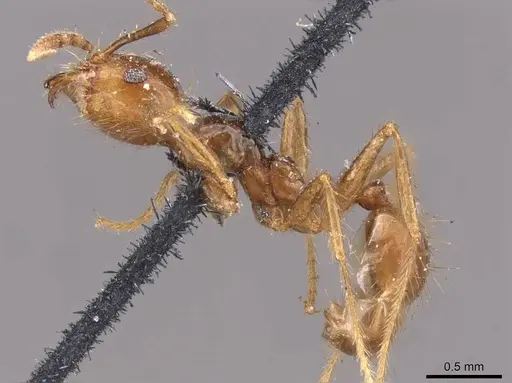
The species belongs to the gertrudae group within Pheidole, characterized by greatly reduced or absent propodeal spines in majors and an extremely large propodeal spiracle. The entire body is mostly smooth and shiny, which helps distinguish it from other Pheidole species [1].
Housing and Nesting
Since no specific nesting data exists for P. gertrudae, we can make informed recommendations based on its habitat associations. The species is commonly found in leaf litter and soil samples from forest fragments, suggesting it nests in soil or decaying wood on the forest floor.
For captive care, a naturalistic setup with a soil-filled container works well, this allows for natural tunneling behavior and maintains humidity. Alternatively, a Y-tong (acrylic) nest or plaster nest with moisture chambers provides good visibility and easier maintenance. Because they're small ants, ensure chambers aren't too large or they may feel exposed.
Keep the nest moderately humid, the substrate should feel damp but not soggy. A water tube attached to the outworld provides drinking access. Since they're found in forest environments, avoid completely dry conditions.
Feeding and Diet
Pheidole species are generalist feeders, and P. gertrudae is no exception. Research shows they visit protein baits and have been observed interacting with seeds, specifically removing seeds with elaiosomes from Ricinus communis plants and discarding them in pile mounds, a form of seed dispersal [4].
In captivity, offer a varied diet: protein sources like small insects (fruit flies, small mealworms, crickets), and sugar sources like honey water or sugar water. Since they're small ants, prey items should be appropriately sized. The minor workers will take liquid foods back to the colony to share.
Feed protein 2-3 times per week and keep sugar water available constantly. Remove uneaten prey after 24-48 hours to prevent mold. The presence of major workers means they can handle larger prey items than similarly-sized ants without majors.
Temperature and Seasonal Care
As a Neotropical species from Brazil and surrounding countries, P. gertrudae prefers warm conditions. Keep the nest area at 22-26°C, room temperature in most homes should work well. If your room runs cooler, a heating cable on one side of the nest creates a temperature gradient.
Regarding diapause (winter rest), Neotropical ants typically don't require a true hibernation period. However, slight temperature reductions during winter months (dropping a few degrees) may mimic natural seasonal changes. Monitor colony activity, if they become less active, reduce feeding frequency.
Avoid temperatures above 30°C or sudden temperature swings. Stable, warm conditions best support colony growth and brood development.
Colony Structure and Development
Pheidole gertrudae exhibits the genus's characteristic polymorphism with two distinct worker castes: minor workers (around 0.64mm head width) and major soldiers (around 1.30mm head width). The majors have enlarged heads for seed processing and colony defense.
Based on typical Pheidole patterns, founding is likely claustral, the queen seals herself in a chamber and raises the first brood alone using stored fat reserves. The first workers (nanitics) will be smaller than normal workers.
Colony growth is moderate, expect several months before seeing significant numbers. Pheidole colonies often grow steadily rather than explosively. A mature colony likely reaches several hundred workers. [1]
Frequently Asked Questions
How long does it take for Pheidole gertrudae to produce first workers?
Exact timing is unconfirmed for this species, but based on typical Pheidole development, expect 6-8 weeks from egg to first worker at warm temperatures (24-26°C). The founding queen will stay sealed in her chamber until nanitics emerge.
Can I keep Pheidole gertrudae in a test tube setup?
Yes, test tubes work well for founding colonies. Use a water tube with a cotton plug, the cotton provides humidity and the ants can drink from it. Once the colony grows beyond 30-50 workers, consider moving to a formicarium with more space.
What do Pheidole gertrudae eat?
They accept a variety of foods: small insects like fruit flies, small mealworms, or crickets for protein, and sugar sources like honey water or sugar water. They're generalist feeders typical of the genus.
Are Pheidole gertrudae good for beginners?
They are moderately difficulty. The main challenge is that their specific biology isn't documented, care is inferred from genus patterns. They're not as forgiving as some common species but not difficult either. Expect a learning curve while you dial in the right conditions.
How big do Pheidole gertrudae colonies get?
Exact colony size is unconfirmed, but based on typical Pheidole patterns, expect several hundred workers at maturity. The presence of major soldiers helps with seed processing and defense.
Do Pheidole gertrudae need hibernation?
Probably not, being a Neotropical species from regions without harsh winters, they don't require true hibernation. A slight temperature reduction during winter months may be beneficial but is not mandatory.
Why are my Pheidole gertrudae dying?
Common causes include: too dry conditions (keep substrate moist), temperature stress (avoid extremes), mold from overfeeding or poor ventilation, or parasites from wild-caught colonies. Small ants are also prone to escapes, check your barriers. Review each of these factors and adjust accordingly.
When should I move my colony to a formicarium?
Move from test tube to a larger nest when the colony reaches 30-50 workers or the water tube runs dry frequently. A formicarium with a moisture chamber helps maintain proper humidity for this forest-dwelling species.
Can I keep multiple Pheidole gertrudae queens together?
This hasn't been studied for this species. Based on typical Pheidole behavior, single-queen colonies are most common. Combining unrelated foundress queens is not recommended as they may fight.
References

This caresheet is licensed under CC BY-SA 4.0 .
CASENT0178028
View on AntWeb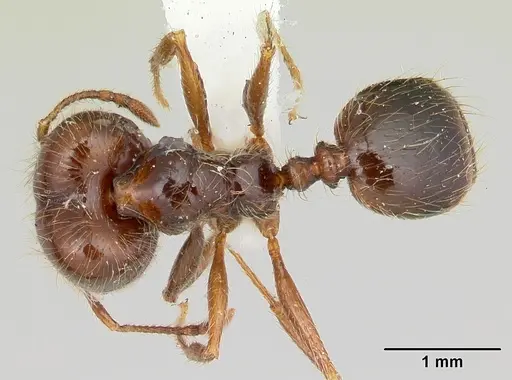
CASENT0178029
View on AntWeb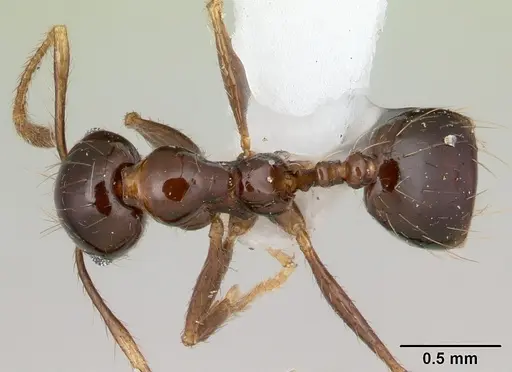
CASENT0908143
View on AntWeb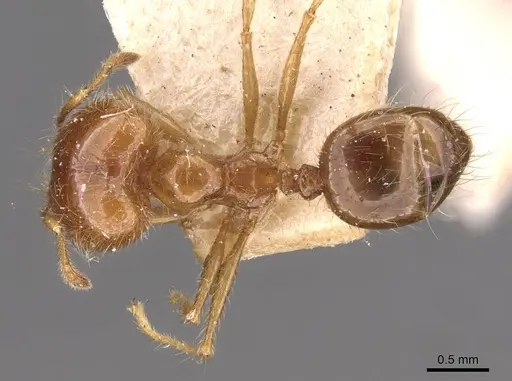
CASENT0908144
View on AntWeb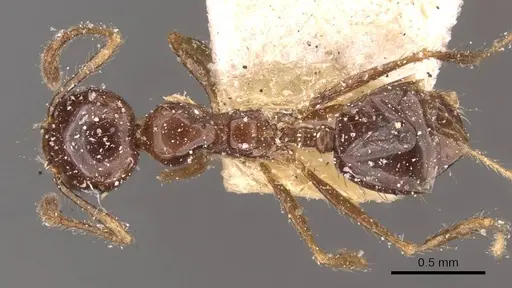
CASENT0908145
View on AntWeb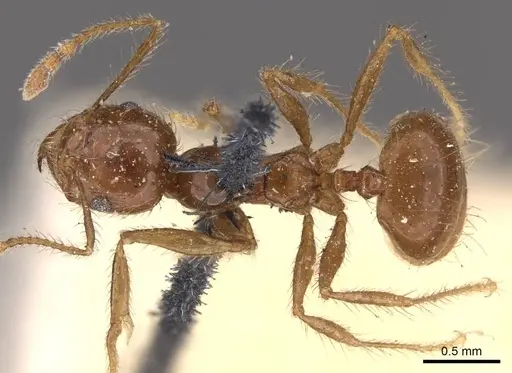
CASENT0913327
View on AntWeb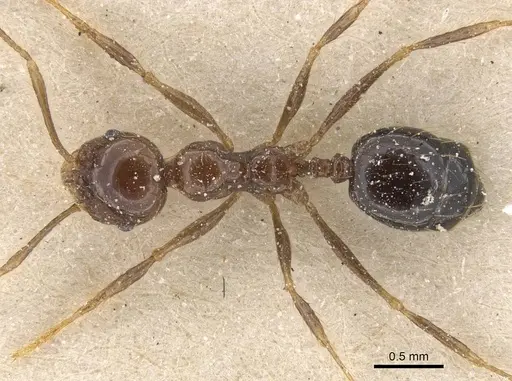
Literature
Loading...Loading products...