

Pheidole galba
- Scientific Name
- Pheidole galba
- Tribe
- Attini
- Subfamily
- Myrmicinae
- Author
- Wilson, 2003
- Distribution
- Found in 1 countries
Pheidole galba Overview
Pheidole galba is an ant species of the genus Pheidole. It is primarily documented in 1 countries , including Peru. Detailed taxonomic data and occurrence records can be further explored via authoritative databases such as AntWeb or the Global Biodiversity Information Facility (GBIF).
Pheidole galba
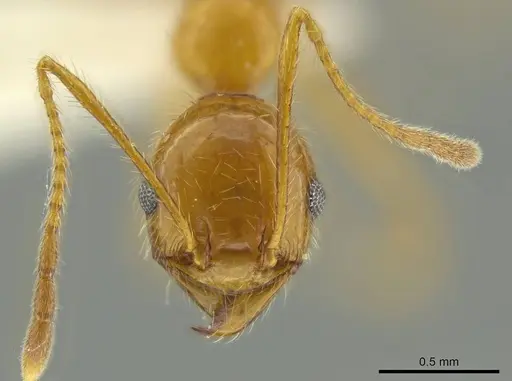
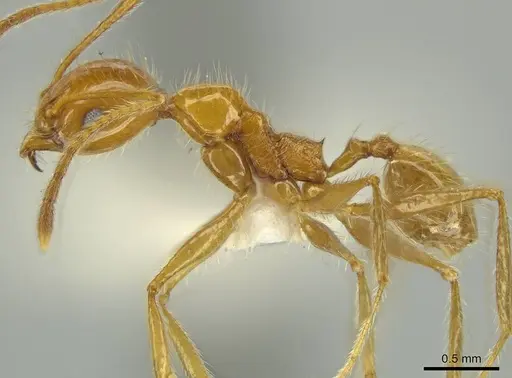
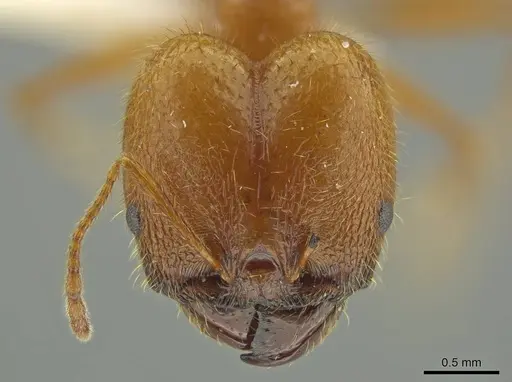
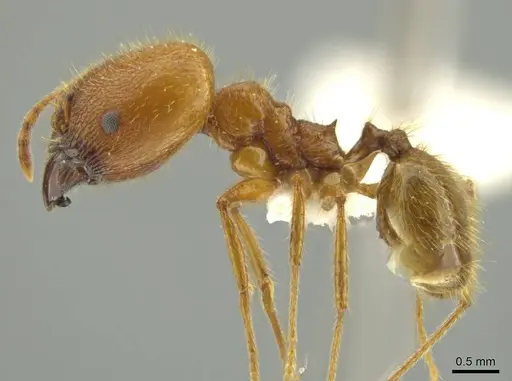
Pheidole galba is a small yellow ant native to the Peruvian Amazon. The species belongs to the fallax group and was described in 2003 from specimens collected at Cuzco Amazónico in Madre de Dios, Peru. Major workers have a large head with distinctive rugoreticular sculpturing, while minor workers are smaller and more slender. Both castes are yellow in color, majors are light reddish yellow and minors are clear medium yellow. The species is known for building unusual nest structures, with one documented nest featuring a castle-like superstructure made of soil particles. This is a typical Pheidole species with the characteristic two-worker caste system (majors and minors) found throughout the genus [1].
Quick Summary
- Difficulty: Medium
- Origin & Habitat: Peruvian Amazon, specifically the Cuzco Amazónico region and Manu National Park in Madre de Dios. They nest in clay soil within terra firme (non-flooded) forest [1].
- Colony Type: Unknown colony structure, Pheidole species are typically monogyne (single queen) but this has not been confirmed for P. galba specifically [1].
- Size & Growth:
- Queen: Not documented for this species, other Pheidole queens are typically 6-10mm
- Worker: Major workers: 1.82mm head width, Minor workers: 0.72mm head width [1].
- Colony: Unknown for this species, related Pheidole species typically reach 1,000-5,000 workers
- Growth: Moderate, inferred from genus patterns
- Development: Unknown, estimated 6-10 weeks based on typical Pheidole development at tropical temperatures (Development time is estimated from related tropical Pheidole species. Actual timing may vary.)
- Antkeeping:
- Temperature: Keep around 24-28°C, these are tropical ants from the Peruvian Amazon. A gentle gradient allowing warmer and cooler areas is ideal [1].
- Humidity: High humidity preferred, terra firme forest floor conditions. Keep nest substrate consistently moist but not waterlogged. Provide a humid outworld area.
- Diapause: Likely no true diapause, as a tropical species, they probably remain active year-round with slight slowdowns during cooler periods [1].
- Nesting: Natural nesting is in clay soil. In captivity, a Y-tong (AAC) nest or plaster nest works well. They do well in naturalistic setups with soil substrate. The castle-like nest structure suggests they prefer enclosed, humid nests [1].
- Behavior: Pheidole galba is a typical Pheidole in behavior, workers are active foragers, with majors (soldiers) using their large heads to process seeds and hard prey. They are not particularly aggressive but will defend the nest. Minor workers handle most foraging while majors defend the colony and process food. Escape prevention is important, minor workers are small (under 1mm) and can squeeze through small gaps. They are seed-harvesters by genus tendency, though specific diet is unconfirmed for this species.
- Common Issues: small minor workers mean escape prevention must be excellent, use fine mesh and tight-fitting barriers, tropical species may decline if temperatures drop below 22°C for extended periods, colonies may be slow to establish, Pheidole founding can take time, wild-caught colonies may carry parasites that affect captive survival, high humidity requirements can lead to mold if ventilation is inadequate
Housing and Nest Setup
Pheidole galba does well in a Y-tong (AAC) nest or plaster formicarium with chambers scaled to their small size. The natural nesting preference is in clay soil, so a naturalistic setup with a soil-filled chamber works well. They build distinctive nest structures in the wild, suggesting they prefer enclosed, humid spaces. Use a test tube setup for founding colonies, then transition to a proper nest once the colony reaches 50+ workers. Because minor workers are very small (under 1mm), ensure all connections between nest areas are tight and use fine mesh on any ventilation holes. A water reservoir or moist cotton in one area of the nest helps maintain humidity. [1]
Feeding and Diet
As a Pheidole species, P. galba is likely a seed-harvester with omnivorous tendencies, typical of the genus. They probably collect seeds and small insects in the wild. In captivity, offer a varied diet: small seeds (millet, chia), protein sources (fruit flies, small crickets, mealworms), and occasional sugar water or honey. The large major workers are adapted for processing hard seeds and prey with their powerful mandibles. Feed protein 2-3 times per week and keep sugar water available constantly. Remove uneaten food after 24-48 hours to prevent mold. [1]
Temperature and Humidity
These are tropical ants from the Peruvian Amazon, so they need warm, humid conditions. Keep temperatures in the 24-28°C range, never let them drop below 22°C for extended periods. A heating cable on one side of the nest can create a temperature gradient, but avoid direct heat on the nest material. Humidity should be high, think damp forest floor. Keep the nest substrate consistently moist but not waterlogged. The terra firme forest habitat means they prefer stable conditions rather than dramatic moisture fluctuations. Mist the outworld occasionally and ensure the nest has access to moisture. [1]
Colony Development
Pheidole galba has the characteristic two-caste system typical of the genus: small minor workers handle foraging, nursing, and most tasks, while large major workers (soldiers) defend the colony and process seeds and hard prey. Development time is unconfirmed for this species but is estimated at 6-10 weeks from egg to first worker based on related tropical Pheidole. Colonies likely grow to several thousand workers over several years. The founding stage may be slow, queens seal themselves in and raise the first brood alone, as is typical for claustral Pheidole. Be patient during founding, it can take months before the first workers (nanitics) emerge. [1]
Behavior and Temperament
This species shows typical Pheidole behavior: active foragers with well-organized caste systems. Minor workers are the primary foragers and will readily explore the outworld for food. Major workers stay closer to the nest but will respond to threats, their large heads contain powerful mandibles for defense. They are not particularly aggressive toward humans but will bite if handled roughly. The species is not documented as a stinging concern. Workers communicate through chemical trails and will recruit nestmates to food discoveries. Their small size means they are excellent climbers and can access food items in various locations. [1]
Frequently Asked Questions
How long does it take for Pheidole galba to raise first workers?
The exact timeline is unconfirmed for this species, but based on related tropical Pheidole species, expect 6-10 weeks from egg to first worker at optimal temperatures (24-28°C). The founding queen seals herself in and raises the first brood alone, so be patient during this stage.
What do Pheidole galba ants eat?
They are likely seed-harvesters with omnivorous tendencies, typical of the genus. Offer small seeds (millet, chia), protein sources (fruit flies, small crickets, mealworms), and sugar water or honey. The large major workers process hard seeds with their powerful mandibles.
Can I keep multiple queens together?
This has not been documented for P. galba specifically. Most Pheidole species are monogyne (single queen) in the wild. It is not recommended to combine unrelated foundresses unless you have specific documentation for this species.
What temperature do Pheidole galba ants need?
Keep them warm at 24-28°C. These are tropical ants from the Peruvian Amazon and do not tolerate cool conditions. Never let temperatures drop below 22°C for extended periods.
Do Pheidole galba ants need hibernation?
No, as a tropical species from the Amazon, they do not require hibernation. They remain active year-round with possible slight slowdowns during cooler periods.
Are Pheidole galba ants good for beginners?
They are rated Medium difficulty. The main challenges are maintaining proper humidity and temperature, plus their very small minor workers require excellent escape prevention. If you have experience with tropical ants and can maintain warm, humid conditions, they are manageable.
How big do Pheidole galba colonies get?
The maximum colony size is unconfirmed for this species, but related Pheidole species typically reach 1,000-5,000 workers over several years.
When should I move my colony to a formicarium?
Move from the founding test tube setup to a proper nest (Y-tong, plaster, or naturalistic) once the colony reaches 50+ workers and the test tube becomes crowded. Ensure the new nest maintains similar humidity levels.
Why are my Pheidole galba workers dying?
Common causes include: temperatures below 22°C, low humidity drying out the nest, mold from excess moisture, or escape-related losses due to their tiny size. Check that escape prevention is adequate and conditions match their tropical habitat requirements.
References

This caresheet is licensed under CC BY-SA 4.0 .
CASENT0644205
View on AntWeb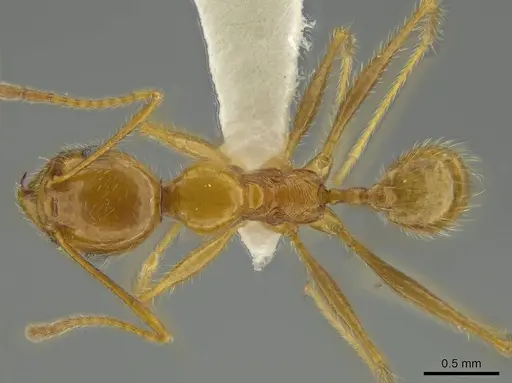
JTLC000016382
View on AntWeb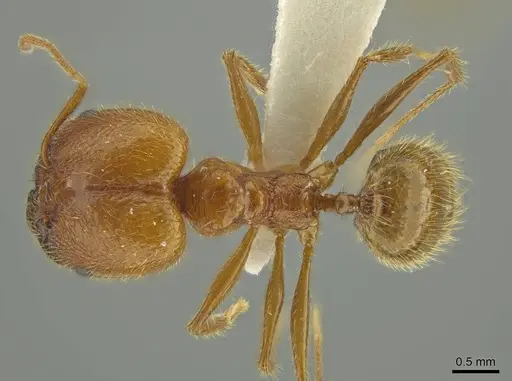
Literature
Loading...Loading products...