

Pheidole furtiva
- Scientific Name
- Pheidole furtiva
- Tribe
- Attini
- Subfamily
- Myrmicinae
- Author
- Wilson, 2003
- Distribution
- Found in 2 countries
Pheidole furtiva Overview
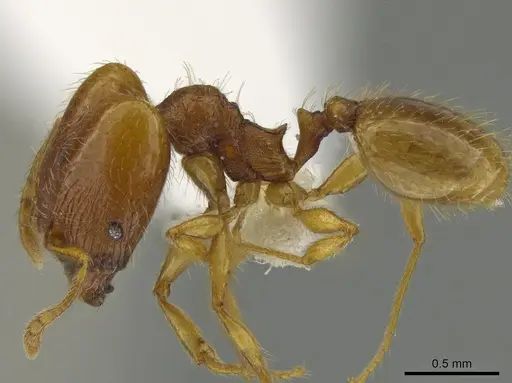
Pheidole furtiva is an ant species of the genus Pheidole. It is primarily documented in 2 countries , including Mexico, United States of America. Detailed taxonomic data and occurrence records can be further explored via authoritative databases such as AntWeb or the Global Biodiversity Information Facility (GBIF).
Pheidole furtiva
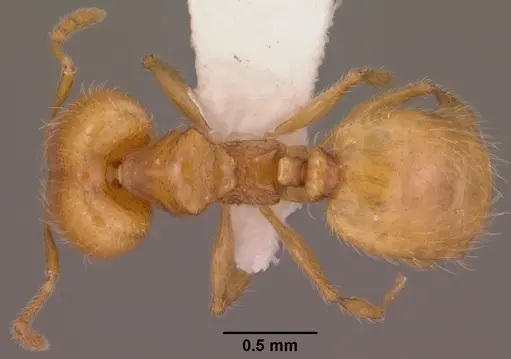
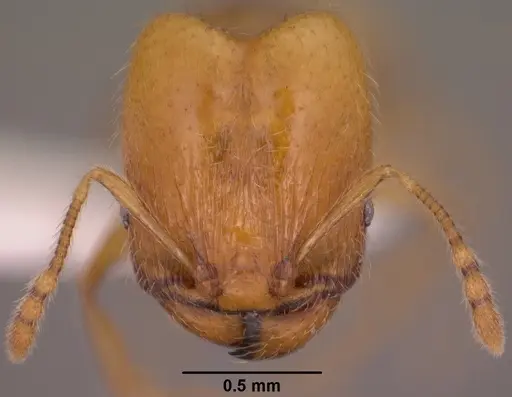
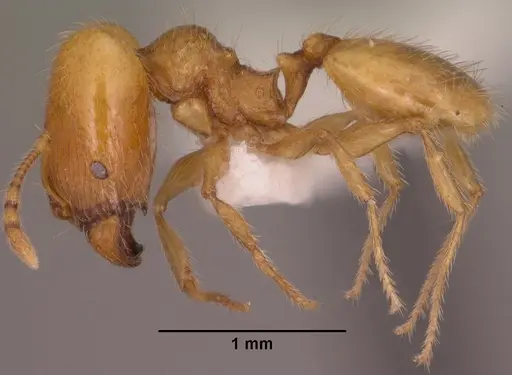
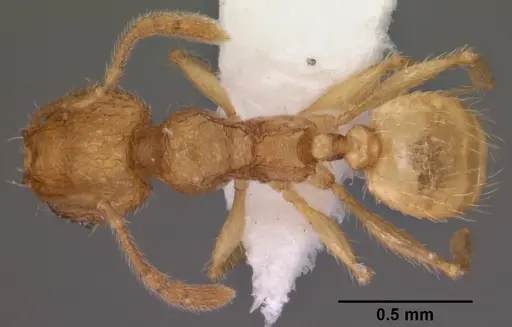
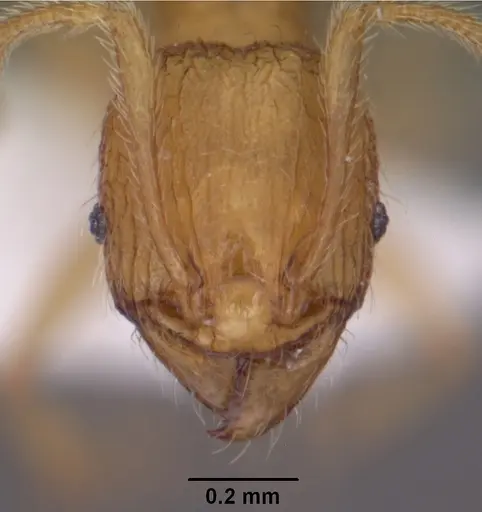
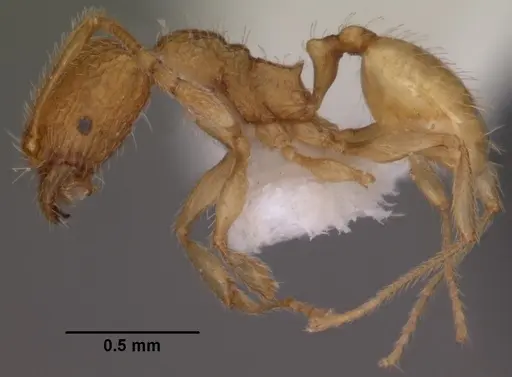
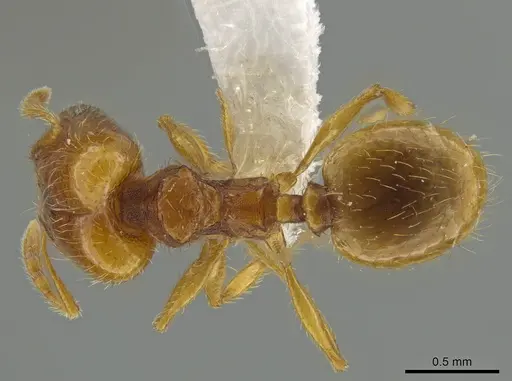
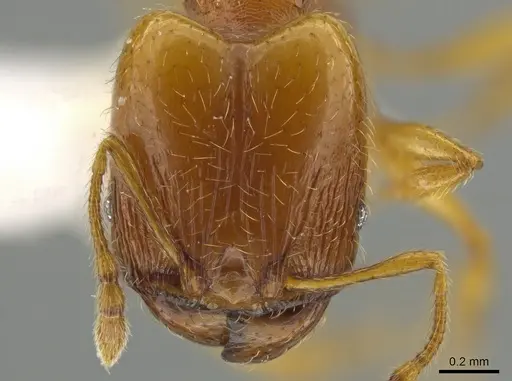
Pheidole furtiva is a small ant species belonging to the genus Pheidole, known for their distinctive two-worker caste system featuring major workers (soldiers) with enlarged heads and smaller minor workers. The species name 'furtiva' means hidden or stealthy in Latin, reflecting either its cryptic habits or the difficulty in locating this species in the wild. As with other Pheidole species, colonies produce both minor workers and major workers (soldiers) that use their large heads to crack seeds and defend the colony. Specific morphological details and coloration patterns for this species are not well-documented in available literature.
Quick Summary
- Difficulty: Easy
- Origin & Habitat: Geographic distribution is not clearly established in available research. Pheidole genus species are widespread across tropical and subtropical regions worldwide, typically nesting in soil, under stones, or in rotting wood in forest edges and disturbed areas.
- Colony Type: Likely monogyne (single queen) based on typical Pheidole genus patterns. The genus generally forms colonies with one founding queen that establishes the colony alone.
- Colony: Monogyne
- Founding: Claustral
- Size & Growth:
- Queen: Estimated 5-7mm based on typical Pheidole queen dimensions
- Worker: Minor workers: 2-3mm, Major workers: 3-4mm
- Colony: Likely reaches several hundred to a few thousand workers based on typical colony development in the genus
- Growth: Moderate, Pheidole colonies typically grow steadily over several months to years
- Development: Estimated 6-8 weeks at optimal temperature based on related species (Development time varies with temperature, warmer conditions within acceptable range accelerate development)
- Antkeeping:
- Temperature: Keep at 22-26°C. Most Pheidole species thrive in warm conditions. Room temperature within this range is typically suitable, or use a heating cable on one side of the nest for a gentle gradient.
- Humidity: Maintain moderate humidity. Keep the nest substrate slightly moist but not waterlogged. These ants prefer conditions similar to forest floor environments, damp but with some drier areas for workers to regulate their microclimate.
- Diapause: Not typically required. As a likely tropical/subtropical species, Pheidole furtiva does not require a formal hibernation period. However, reducing temperatures slightly during winter months (to around 18-20°C) may slow colony activity naturally.
- Nesting: Y-tong (AAC) nests work well for this species due to their small size. Plaster nests or test tube setups are also suitable. Provide a shallow water reservoir for humidity control. The nest should have chambers scaled to their size with narrow passages.
- Behavior: Generally peaceful and non-aggressive. Major workers (soldiers) are primarily involved in seed processing and colony defense but pose no threat to keepers. They are not known to sting. Foraging activity is moderate, with minor workers typically handling food collection while majors process larger items. Escape risk is moderate due to their small size, use standard barrier methods (Fluon on test tube rims, fine mesh on outworlds).
- Common Issues: colonies grow slowly in the first few months, this is normal, don't overfeed or disturb the queen, major workers may take months to appear after the first minor workers, this is typical Pheidole development, test tube setups can dry out quickly, monitor water reservoirs regularly, wild-caught colonies may contain parasites that can devastate captive colonies, overfeeding leads to mold problems, remove uneaten food promptly
Nest Preferences
Pheidole furtiva will do well in several standard nest types. Y-tong (acrylic) nests are particularly well-suited because they allow you to observe colony activity while providing appropriate chamber sizes. The passages should be narrow (3-5mm) to match their small worker size. Plaster nests also work well, as they help maintain stable humidity. Test tube setups are suitable for founding colonies, use a cotton ball to separate the water reservoir from the ants, and ensure the tube provides enough darkness for the queen to feel secure. The nest should be placed in a quiet area away from direct sunlight and vibrations. Outworld space should be simple and easy to clean, as these ants can produce considerable waste from their seed-processing activities.
Feeding and Diet
Pheidole species are primarily granivorous, meaning they eat seeds, but they also readily accept protein sources. Offer a mix of seeds (millet, chia, flax, cracked sunflower seeds) as a staple food, the major workers will use their enlarged heads to crack open harder seeds. Protein should be provided 2-3 times per week in the form of small insects (fruit flies, pinhead crickets, mealworms) or commercial ant protein gels. Sugar water or honey can be offered occasionally, though Pheidole species rely less on sugar than some other ants. Remove uneaten food within 24-48 hours to prevent mold. A varied diet supports healthy colony growth and encourages the production of major workers.
Temperature and Care
Maintain temperatures between 22-26°C for optimal colony development. This species prefers warmth but can tolerate brief temperature fluctuations. If your room temperature falls below this range, use a heating cable placed on top of the nest (not underneath, as excessive direct heat can dry out the nest). A temperature gradient allows ants to regulate their own exposure to heat. Humidity should be moderate, the nest substrate should feel slightly damp but never soggy. A shallow water dish in the outworld provides drinking water and helps maintain ambient humidity. Avoid placing the nest near air conditioning vents or drafty areas.
Behavior and Temperament
Pheidole furtiva is a peaceful species suitable for antkeepers of all experience levels. Workers are active and entertaining to watch, especially when major workers process seeds or defend the colony. They are not aggressive toward keepers and do not possess a functional stinger capable of penetrating human skin. The colony will establish a clear division of labor: minor workers handle most foraging, brood care, and general tasks, while major workers specialize in seed processing and nest defense. Major workers typically appear several months after the first workers emerge. Colonies are moderately active and will explore their outworld regularly in search of food.
Frequently Asked Questions
Can I keep Pheidole furtiva in a test tube?
Yes, test tubes work well for founding colonies. Use a standard test tube setup with a water reservoir separated by a cotton ball. Keep the tube horizontal and covered to provide darkness. Once the colony reaches 30-50 workers, consider moving them to a larger nest like a Y-tong or plaster formicarium.
How long until first workers appear in Pheidole furtiva?
Expect first workers (nanitics) approximately 6-8 weeks after the queen lays her first eggs, assuming temperatures around 24-26°C. Development is temperature-dependent, cooler conditions will slow growth. The first workers will be minor workers, major workers typically appear several months later.
What do I feed Pheidole furtiva?
Offer a mix of seeds (millet, chia, cracked sunflower seeds) as a staple and small insects (fruit flies, mealworms) 2-3 times per week for protein. They may occasionally accept sugar water or honey. Remove uneaten food promptly to prevent mold.
Are Pheidole furtiva good for beginners?
Yes, this species is beginner-friendly. They are peaceful, don't sting, and have straightforward care requirements. The main challenge is patience, colonies grow moderately and major workers take time to appear, but the process is rewarding.
When should I move Pheidole furtiva to a formicarium?
Move the colony when the test tube becomes crowded or the water reservoir needs frequent refilling. This is typically when the colony reaches 30-100 workers. A Y-tong or plaster nest with an attached outworld works well for the transition.
How big do Pheidole furtiva colonies get?
Mature colonies likely reach several hundred to a few thousand workers, with a significant portion being major workers (soldiers). Colony growth is moderate and depends on feeding quality and temperature.
Does Pheidole furtiva need hibernation?
No, hibernation is not required. As a likely tropical or subtropical species, they do not need a cold period. However, you may notice reduced activity in winter if room temperatures drop, this is natural and not harmful.
Why are my Pheidole furtiva dying?
Common causes include: drying out (check water reservoirs), mold from overfeeding (reduce food quantities), temperature stress (ensure 22-26°C range), or parasites from wild-caught colonies. Review your care conditions and adjust accordingly. Some worker mortality is normal, but sudden colony decline indicates a problem.

This caresheet is licensed under CC BY-SA 4.0 .
Literature
Loading...Loading products...