

Pheidole fowleri
- Scientific Name
- Pheidole fowleri
- Tribe
- Attini
- Subfamily
- Myrmicinae
- Author
- Wilson, 2003
- Distribution
- Found in 1 countries
Pheidole fowleri Overview
Pheidole fowleri is an ant species of the genus Pheidole. It is primarily documented in 1 countries , including Brazil. Detailed taxonomic data and occurrence records can be further explored via authoritative databases such as AntWeb or the Global Biodiversity Information Facility (GBIF).
Pheidole fowleri
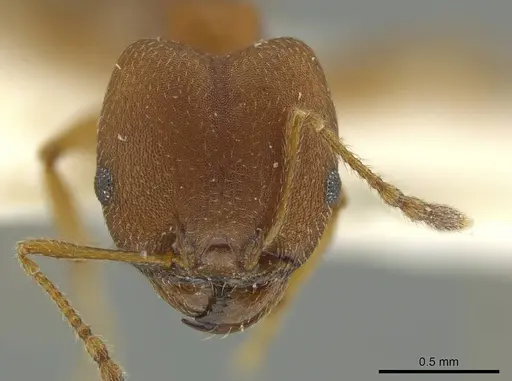
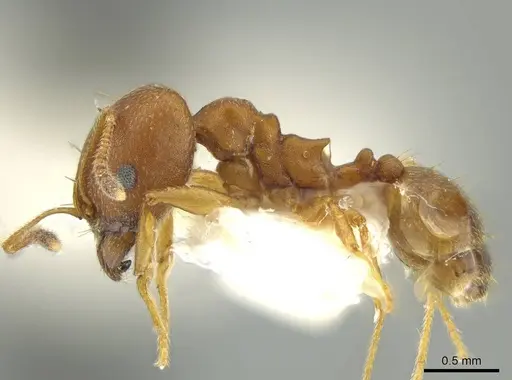
Pheidole fowleri is a small ant species native to Brazil, first described by Wilson in 2003. It belongs to the diligens group and is known for having two distinct worker castes: larger major workers with notably enlarged heads, and smaller minor workers. The major workers are reddish-yellow in color and measure about 1mm in head width, while the minor workers are darker yellow and more slender at around 0.5mm head width. This species gets its name from H. G. Fowler, a prominent Brazilian myrmecologist.[1]
This species is found only in central Brazil, particularly in the states of Mato Grosso and Goiás. It inhabits savanna (cerrado) and rocky forest areas. As a Pheidole species, these ants are seed-harvesters and will also collect small insects. They are known for their major workers' distinctive large heads, which they use for seed processing and defense.[2]
Quick Summary
- Difficulty: Medium
- Origin & Habitat: Central Brazil (Mato Grosso, Goiás), savanna (cerrado) and rocky forest habitats[2]
- Colony Type: Single-queen colonies (monogyne), typical of most Pheidole species [1]
- Colony: Monogyne
- Founding: Claustral
- Size & Growth:
- Queen: Approximately 5-6mm (estimated based on genus patterns)
- Worker: Major workers: 1mm head width, Minor workers: 0.5mm head width
- Colony: Likely several hundred workers based on typical Pheidole colony sizes
- Growth: Moderate, typical for tropical Pheidole species
- Development: Estimated 6-8 weeks at tropical temperatures (25-28°C) (Development time inferred from typical Pheidole genus patterns. Warmer temperatures within range may accelerate development.)
- Antkeeping:
- Temperature: Keep at 24-28°C. This species comes from tropical Brazil, so warmth is important for colony health and brood development. A heating cable on one side of the nest can create a suitable gradient. [1]
- Humidity: Moderate humidity around 50-70%. Provide a water tube and keep the nest substrate slightly moist but not waterlogged. The cerrado habitat has distinct wet and dry seasons, so some variation is acceptable. [1]
- Diapause: No, this is a tropical species that does not require hibernation. Maintain warm temperatures year-round. [1]
- Nesting: Pheidole fowleri likely nests in soil or under stones in the wild. In captivity, a test tube setup works well for founding colonies. Once established, they can be moved to a Y-tong (AAC) nest or a naturalistic setup with soil. They prefer tight, snug chambers scaled to their size. [1]
- Behavior: Pheidole ants are generally calm and not aggressive toward keepers. The major workers serve as soldiers and foragers, using their large heads to process seeds and defend the colony. They are active foragers that will search for food both on the ground and may climb. Minor workers handle most day-to-day tasks. Escape risk is moderate, they are small but not extremely tiny, so standard escape prevention measures (fluon on edges) are sufficient. They are primarily seed-harvesters but will also collect small insects and other protein sources. [1]
- Common Issues: mold can become a problem if the nest is too wet, ensure proper ventilation and only moisten substrate when needed, colonies may decline if kept too cool, maintain temperatures in the 24-28°C range, major workers can get stuck in narrow tubes if passages are too tight, use appropriately sized housing, wild-caught colonies may carry parasites that can cause colony decline in captivity, overfeeding can lead to mold problems, remove uneaten food promptly
Housing and Nest Setup
For founding colonies, a simple test tube setup works well. Fill a test tube about one-third with water, plug the water end with cotton, and place the queen in the tube. The queen will seal herself into a small chamber and remain there while she lays eggs and raises the first workers (this is called claustral founding). Once the colony reaches 20-30 workers, you can transition them to a more permanent formicarium. A Y-tong (AAC) nest with tight chambers scaled to their small size works well. Alternatively, a naturalistic setup with a soil chamber allows them to create their own tunnels. Avoid tall, open spaces, these ants prefer compact, snug areas. [1]
Feeding and Diet
Pheidole fowleri is an omnivorous seed-harvester. In captivity, offer a mix of seeds (millet, chia, flax, or commercial ant seed mixes) as a staple food. The major workers will use their large heads to crack open seeds. Supplement with small protein sources like fruit flies, small crickets, mealworms, or other tiny insects. You can also offer occasional sugar water or honey as an energy source, though seeds should form the bulk of their diet. Remove uneaten food promptly to prevent mold. Feed small amounts every 2-3 days, adjusting based on how quickly the colony consumes what you offer. [1]
Temperature and Heating
As a tropical Brazilian species, Pheidole fowleri needs warm conditions. Keep the nest area at 24-28°C for optimal brood development. Room temperature may be sufficient if your home stays in this range, otherwise use a heating cable or heat mat placed on one side of the nest to create a gentle temperature gradient. This allows the ants to regulate their own temperature by moving between warmer and cooler areas. Avoid temperatures below 20°C for extended periods, as this can weaken the colony and slow or stop brood development. Never place the heating element directly under water tubes, as this can cause condensation problems. [1]
Humidity and Water
Provide constant access to water via a test tube water reservoir or a small water dish with cotton. Keep the nest substrate lightly moist but not soggy. The key is to provide a humidity gradient, some areas slightly damp, some drier, so the ants can choose their preferred microclimate. Mist the outworld occasionally but avoid over-misting. Good ventilation helps prevent mold while maintaining adequate humidity. If you see condensation constantly forming on the nest walls, reduce watering, if the substrate dries out completely between waterings, increase moisture. [1]
Colony Development
A newly mated queen will found her colony claustrally, she seals herself in a small chamber and does not leave to forage. She lives entirely on her stored fat reserves while laying eggs and raising the first brood. The first workers (called nanitics) are typically smaller than normal workers and emerge within 6-8 weeks under warm conditions. Once nanitics arrive, the colony grows more quickly as the queen focuses solely on egg-laying while workers handle foraging, nest maintenance, and caring for new brood. Growth rate is moderate, expect several months to reach 50 workers, then faster growth as the colony matures. A mature colony may reach several hundred workers. [1]
Behavior and Observation
Watching a Pheidole colony is fascinating due to the clear division of labor between major and minor workers. Minor workers handle most tasks: caring for brood, cleaning the nest, and short-distance foraging. Major workers serve as soldiers and foragers, using their enlarged heads to crack hard seeds and defend the colony against threats. When you disturb the nest, you'll often see major workers rushing to defend the entrance. They are not particularly aggressive toward humans and rarely sting. The ants are most active during the day, searching for seeds and small insects to bring back to the nest. [1]
Frequently Asked Questions
How long does it take for Pheidole fowleri to produce first workers?
Expect first workers (nanitics) to emerge in about 6-8 weeks after the queen lays eggs, provided temperatures are kept warm (24-28°C). Cooler temperatures will slow development significantly.
What do Pheidole fowleri ants eat?
They are seed-harvesters, offer seeds like millet, chia, or flax as a staple. Supplement with small insects like fruit flies, pinhead crickets, or mealworms. Occasional sugar water or honey can be offered as an energy treat.
What temperature do Pheidole fowleri need?
Keep them warm at 24-28°C. This is a tropical Brazilian species that needs consistent warmth. A heating cable on one side of the nest can help maintain proper temperatures.
Do Pheidole fowleri need hibernation?
No. As a tropical species from Brazil, they do not require hibernation or winter cooling. Maintain warm temperatures year-round for best colony health.
How big do Pheidole fowleri colonies get?
Based on typical Pheidole patterns, expect colonies to reach several hundred workers at maturity. The exact maximum is not documented for this specific species.
Can I keep multiple Pheidole fowleri queens together?
This species is monogyne, meaning colonies have a single queen. Combining unrelated queens is not recommended as they will likely fight. Only keep one queen per colony.
When should I move Pheidole fowleri to a formicarium?
Keep them in a test tube for the founding stage. Once the colony reaches 20-30 workers and you see them struggling for space, transition to a Y-tong or naturalistic setup. They prefer tight chambers, so avoid overly large formicaria.
Are Pheidole fowleri good for beginners?
They are moderate in difficulty. The care requirements are straightforward, warmth, seeds, and moderate humidity. However, their limited distribution in the wild means they may be harder to find for purchase. They are not as commonly kept as some other Pheidole species.
Why are my Pheidole fowleri dying?
Common causes include: temperatures below 20°C (keep them warm), excessive moisture leading to mold, or poor nutrition. Ensure proper temperature, adequate but not excessive humidity, and a balanced diet of seeds plus protein. Wild-caught colonies may also carry parasites.
References

This caresheet is licensed under CC BY-SA 4.0 .
CASENT0644201
View on AntWeb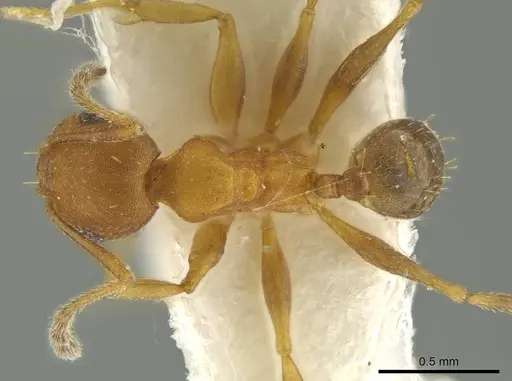
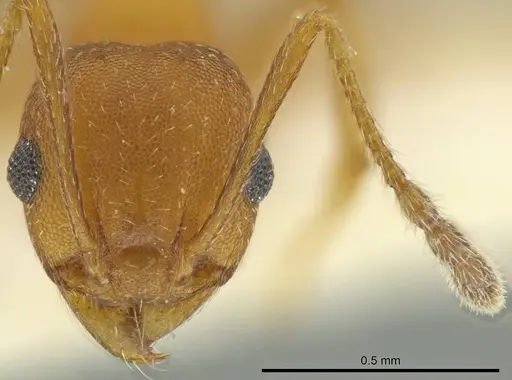
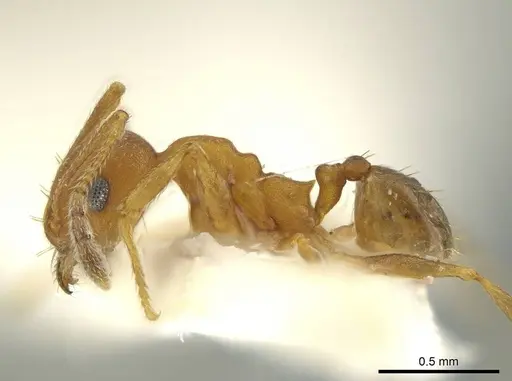
JTLC000016377
View on AntWeb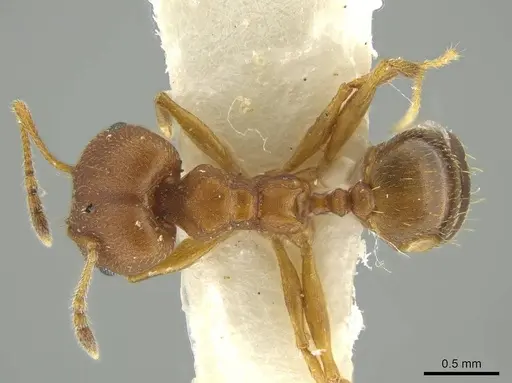
Literature
Loading...Loading products...