

Pheidole floridana
- Scientific Name
- Pheidole floridana
- Tribe
- Attini
- Subfamily
- Myrmicinae
- Author
- Emery, 1895
- Distribution
- Found in 2 countries
Pheidole floridana Overview
Pheidole floridana is an ant species of the genus Pheidole. It is primarily documented in 2 countries , including Mexico, United States of America. Detailed taxonomic data and occurrence records can be further explored via authoritative databases such as AntWeb or the Global Biodiversity Information Facility (GBIF).
Pheidole floridana
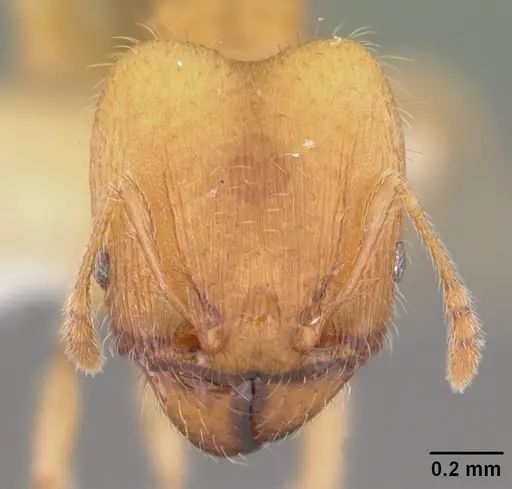
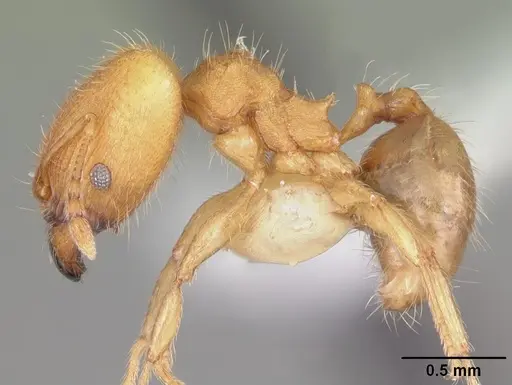
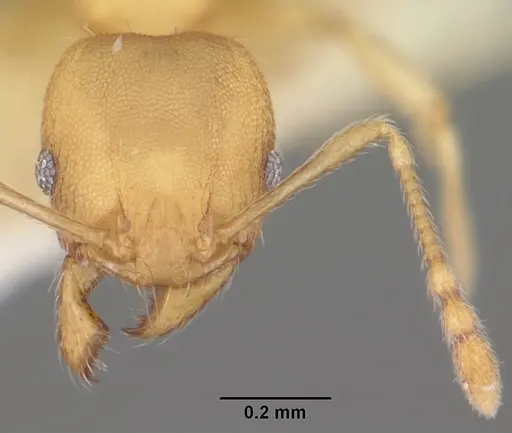
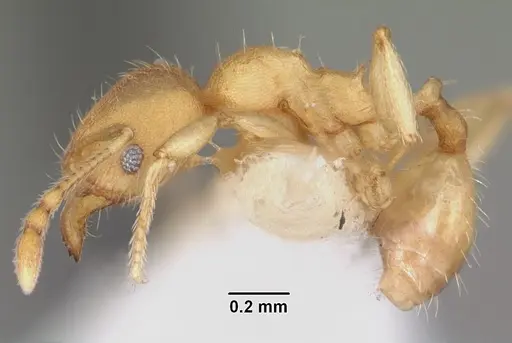
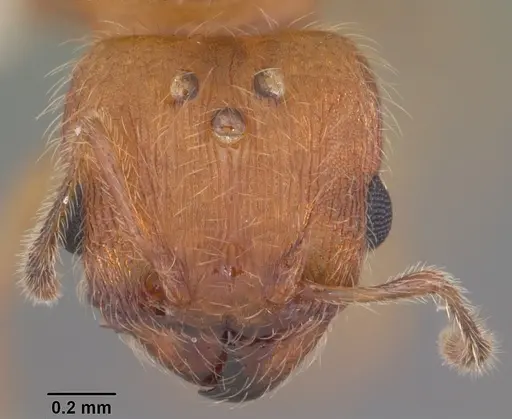
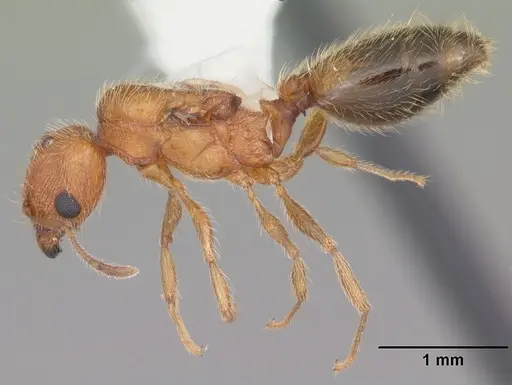
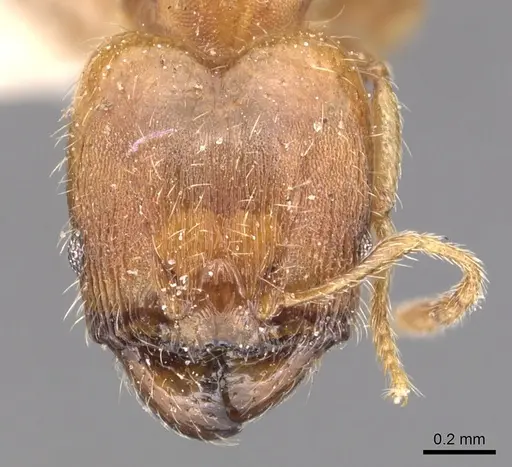
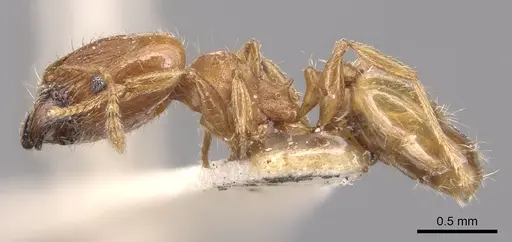
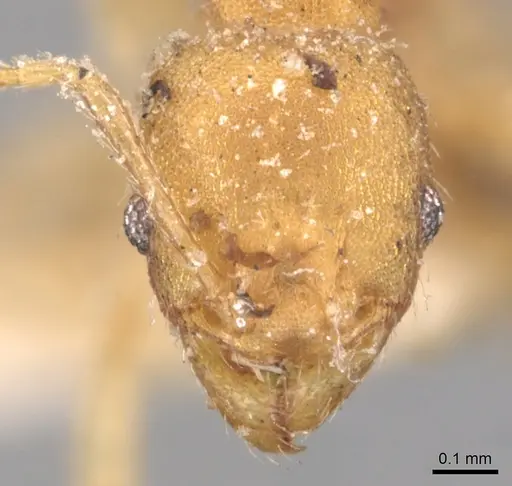
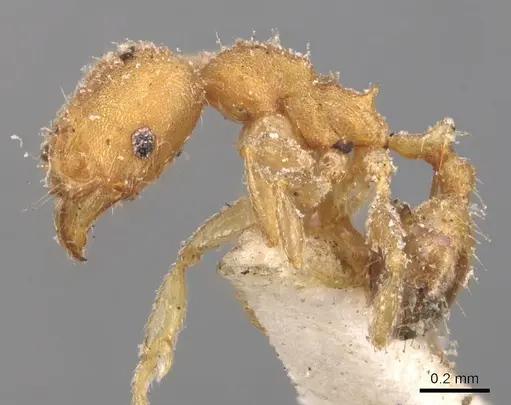
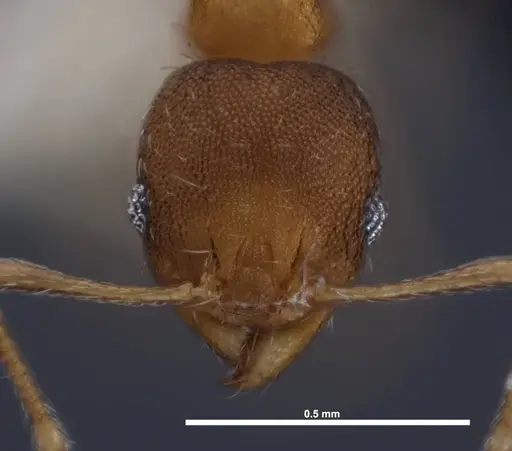
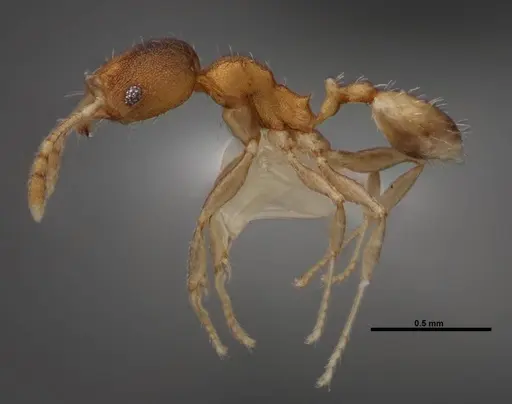
Pheidole floridana is a small yellow ant native to the southeastern United States and northeastern Mexico. Workers come in two distinct sizes: minor workers at about 4mm and major workers (soldiers) with enlarged heads at around 9mm, this polymorphism is characteristic of the genus Pheidole. The species was named after Florida, where it was first described. Both castes are consistently yellow throughout their bodies. This ant is nearly identical to several other Pheidole species in the region but can be distinguished by the fine texture on the head and the smooth, shiny abdomen. Colonies can grow quite large, sometimes reaching over 1000 workers, and they often establish multiple connected nests (polydomous) [1].
These ants are omnivorous generalists that forage for protein and sugars but do not harvest seeds like some Pheidole species. They thrive in sandy habitats across the coastal plain from North Carolina through Florida and west to Texas. The species is highly adaptable, nesting in soil, leaf litter, and rotting wood in both dry and moderately moist woodland areas. Winged reproductives appear in September and October for nuptial flights [1].
Quick Summary
- Difficulty: Easy
- Origin & Habitat: Native to the southeastern United States and northeastern Mexico, ranging from coastal North Carolina south to the Florida Keys and west to central Texas, then south into Mexico. Found in a variety of woodland habitats including sandhills, pine flatwoods, and coastal dunes. Nests in soil, leaf litter, and rotting wood in both dry and moderately moist areas [1][2][3].
- Colony Type: Monogyne (single-queen colonies). Colonies may contain 1000 or more workers and are sometimes polydomous (maintain multiple connected nests) [1].
- Colony: Monogyne
- Founding: Claustral
- Size & Growth:
- Queen: Approximately 6-7mm (estimated based on genus patterns)
- Worker: Minor workers: 4-5mm, Major workers: 8-9mm [1]
- Colony: Up to 1000+ workers [1]
- Growth: Moderate, typical for Pheidole species
- Development: 6-8 weeks (estimated based on typical Pheidole development at warm temperatures) (Development time is temperature-dependent, warmer conditions within acceptable range will speed development)
- Antkeeping:
- Temperature: Keep at 22-26°C. This species is common in warm southeastern habitats and tolerates higher soil temperatures in sandhill environments. A heating cable on one side of the nest creates a temperature gradient allowing ants to self-regulate [4][5].
- Humidity: Moderate humidity. They tolerate drier conditions better than many ants, reflecting their association with sandy, well-drained habitats. Keep nest substrate lightly moist but allow it to dry partially between waterings. Provide a water tube as a constant moisture source [4][6].
- Diapause: Yes, a winter rest period is recommended. Reduce temperature to 15-18°C for 2-3 months during winter. This mimics their natural cycle in the temperate southeastern US [1].
- Nesting: Use a standard formicarium or test tube setup. These ants adapt well to various nest types including acrylic, Y-tong, and naturalistic setups. Provide a moisture gradient so ants can choose their preferred humidity zone. Sandy or loamy substrate works well since they naturally nest in soil and rotting wood [1].
- Behavior: Generally calm temperament with moderate activity levels. Major workers defend the colony and help process food, while minor workers handle most foraging and brood care. They are not particularly aggressive but will defend if threatened. They are generalized Myrmicinae, meaning they are not escape artists but good escape prevention is still recommended given their minor workers are small. They discover food through typical recruitment behavior and will readily accept protein and sugar sources [7].
- Common Issues: colonies can reach 1000+ workers, ensure your setup has expansion capacity, polydomous colonies may split between multiple nest areas, this is normal behavior, major workers have large heads but are not aggressive defenders, minimal sting risk, small minor workers can escape through standard barriers, use fine mesh if concerned, winter diapause is important for colony health, do not keep them warm year-round
Nest Preferences and Housing
Pheidole floridana is adaptable and will nest in various setups. In the wild, they nest in soil, leaf litter, and rotting wood across both dry sandhill habitats and moister woodland areas. For captivity, a standard test tube setup works well for founding colonies. Once the colony reaches 50+ workers, consider moving to a formicarium with chambers sized appropriately for their body size. The minor workers are small (4-5mm) but majors are substantially larger (8-9mm), so chambers should accommodate both castes. Provide a moisture gradient by keeping one area damp and another slightly drier, this lets the colony self-regulate. A layer of sandy substrate at the bottom of the outworld mimics their natural sandy habitat and encourages natural digging behavior [1][6][8].
Feeding and Diet
These ants are omnivorous generalists. They accept protein sources like small insects (fruit flies, small crickets, mealworms) and will also consume sugar sources including honey water and sugar water. Unlike some Pheidole species, P. floridana does not harvest seeds in the wild, so focus on protein and sugar foods rather than seed offerings. Feed small protein items 2-3 times per week, adjusting based on colony size. Keep a constant supply of sugar water or honey available. Major workers help process larger prey items by crushing them with their powerful mandibles. Remove uneaten prey after 24-48 hours to prevent mold. A varied diet promotes healthy colony development [1].
Temperature and Seasonal Care
Pheidole floridana originates from the warm southeastern US where temperatures are moderate year-round. Keep nest temperatures between 22-26°C for optimal brood development. They are associated with warmer soil conditions in their natural habitat and can tolerate higher temperatures than many ants, research shows they occur more commonly in sandhill habitats with warmer soils [4][5]. However, avoid extreme heat above 30°C. During winter (roughly November through February in the Northern Hemisphere), reduce temperatures to 15-18°C to provide a diapause period. This winter rest is important for colony health and mimics their natural seasonal cycle. Do not feed during deep diapause but ensure a water source remains available [1][4].
Colony Structure and Growth
This species has strongly polymorphic workers, the hallmark of Pheidole ants. Minor workers handle most tasks: foraging, brood care, and general colony maintenance. Major workers have enlarged heads and mandibles, serving as soldiers and food processors. A single queen heads each colony (monogyne), and colonies can grow quite large with 1000+ workers reported in established colonies [9][1]. Some colonies exhibit polydomous behavior, maintaining multiple connected nest sites, this may occur in captivity as well, with workers establishing secondary chambers in the outworld. Growth is moderate, expect 6-12 months from founding to reach 50 workers under good conditions. The presence of both worker castes typically becomes obvious once the colony reaches 20-30 workers [9].
Behavior and Temperament
Pheidole floridana is a calm, non-aggressive species that makes an excellent beginner ant. They are active foragers but not particularly aggressive toward keepers. When threatened, majors may rush to defend but their primary response is to retreat with brood. They use chemical recruitment to organize foraging efforts, and you'll see trails form to food sources. The species is primarily ground-dwelling and does not climb well on smooth surfaces, reducing escape risk compared to some ants. However, minor workers are small enough that standard escape prevention measures should still be used. They are primarily nocturnal or crepuscular foragers in the wild, so you may see increased activity during evening hours in captivity [7][1].
Frequently Asked Questions
How long does it take for Pheidole floridana to produce first workers?
Expect first workers (nanitics) approximately 6-8 weeks after the queen lays eggs, assuming temperatures around 24-26°C. This is typical for Pheidole species. The queen will remain sealed in her founding chamber until the first workers emerge [1].
Can I keep multiple Pheidole floridana queens together?
No. This species is monogyne, meaning colonies have a single queen. Multiple unrelated queens will fight. Only introduce one queen per colony. However, established colonies may become polydomous (multiple nesting locations connected by workers) which is normal [1].
What do Pheidole floridana eat?
They are omnivorous. Feed small protein sources like fruit flies, small crickets, or mealworms 2-3 times per week. Keep a constant supply of sugar water or honey. They do not harvest seeds, so no need to offer seeds. Remove uneaten prey after 24-48 hours [1].
Do Pheidole floridana need hibernation?
Yes, a winter rest period is recommended. Reduce temperatures to 15-18°C for 2-3 months during winter (roughly November-February). This diapause period mimics their natural seasonal cycle in the southeastern US and helps maintain colony health [1].
How big do Pheidole floridana colonies get?
Colonies can reach 1000+ workers in established nests. This is a moderately large colony size for a Pheidole species. Ensure your setup can accommodate expansion as the colony grows [1].
Are Pheidole floridana good for beginners?
Yes, they are considered an easy species to keep. They are calm, adaptable to various nest types, and have straightforward dietary needs. Their only specific requirement is a winter diapause period. They are not aggressive and do not require specialized care beyond standard antkeeping practices [1].
When should I move my colony to a formicarium?
Move from a test tube to a formicarium once the colony reaches 50-100 workers and the test tube setup becomes crowded. Ensure the formicarium has appropriately sized chambers and a moisture gradient. They adapt well to most standard formicarium types [1].
Why are my Pheidole floridana dying?
Common causes include: keeping them too cold (they need 22-26°C), overwatering (they prefer drier conditions than many ants), or skipping winter diapause. Also check for escape issues or contamination of food/water. Wild-caught colonies may carry parasites that can cause problems [1][4].
What makes Pheidole floridana different from other Pheidole?
P. floridana is consistently yellow (both castes), while many related species have darker coloration. They are associated with sandy habitats and can tolerate drier conditions than many Pheidole. They do not harvest seeds, unlike some Pheidole that are seed-harvesting specialists. They are also notable for their very large colonies (1000+ workers) [1].
References

This caresheet is licensed under CC BY-SA 4.0 .
CASENT0104400
View on AntWeb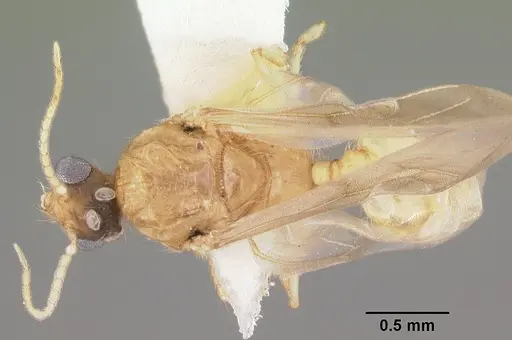
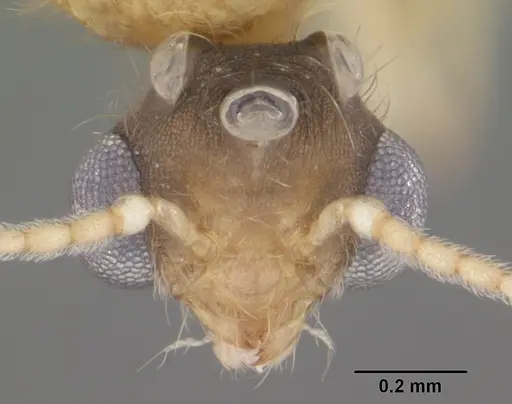
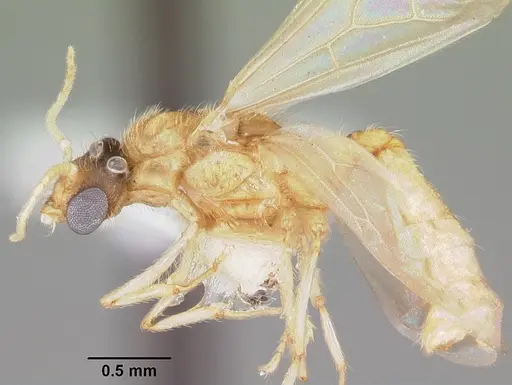
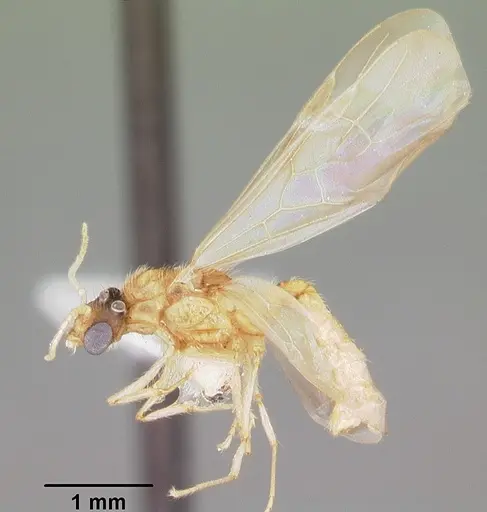
CASENT0104401
View on AntWeb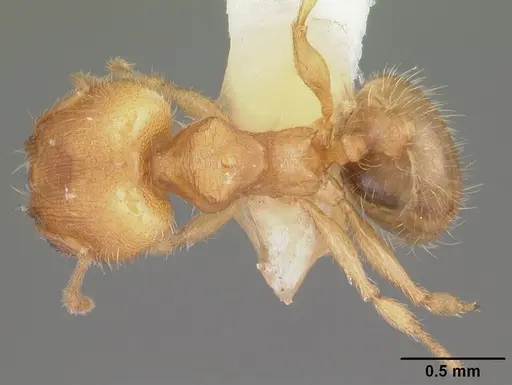
CASENT0104402
View on AntWeb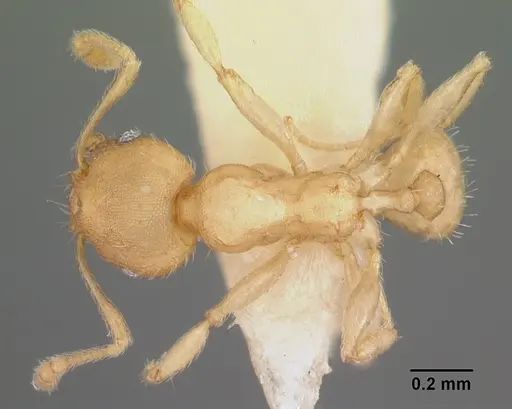
CASENT0104403
View on AntWeb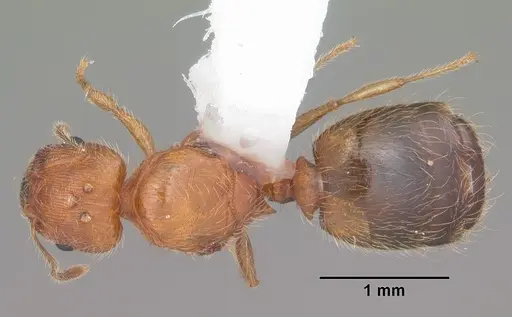
CASENT0904424
View on AntWeb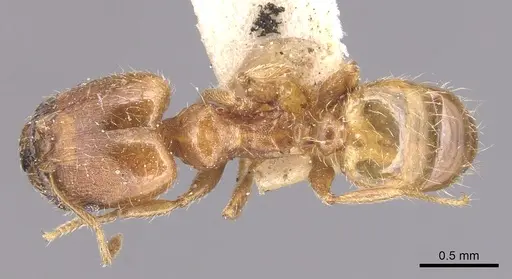
CASENT0904425
View on AntWeb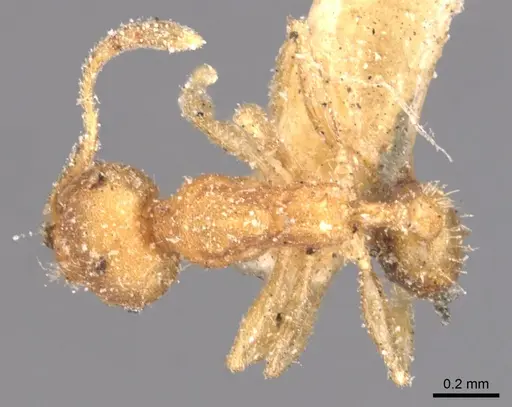
FMNHINS0000078504
View on AntWeb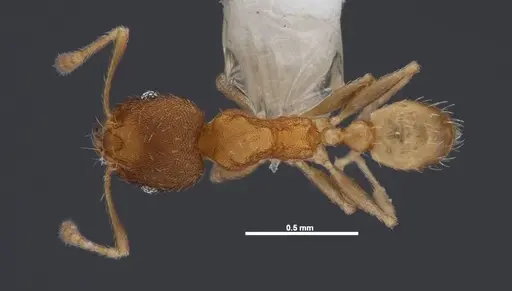
Literature
Loading...Loading products...