

Pheidole floricola
- Scientific Name
- Pheidole floricola
- Tribe
- Attini
- Subfamily
- Myrmicinae
- Author
- Wilson, 2003
- Distribution
- Found in 4 countries
Pheidole floricola Overview
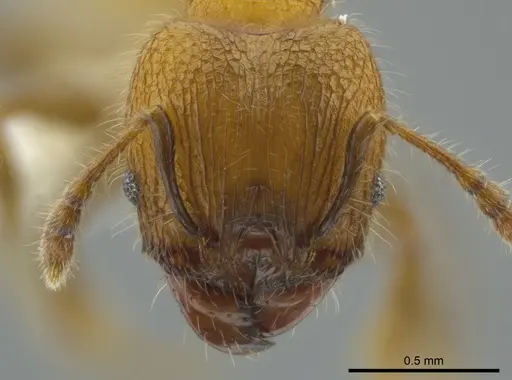
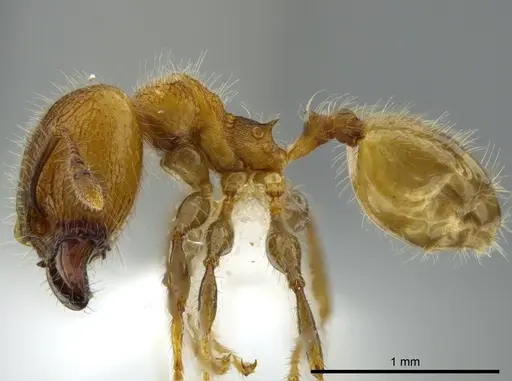
Pheidole floricola is an ant species of the genus Pheidole. It is primarily documented in 4 countries , including Costa Rica, Honduras, Mexico. Detailed taxonomic data and occurrence records can be further explored via authoritative databases such as AntWeb or the Global Biodiversity Information Facility (GBIF).
Pheidole floricola - "Flower Ant"
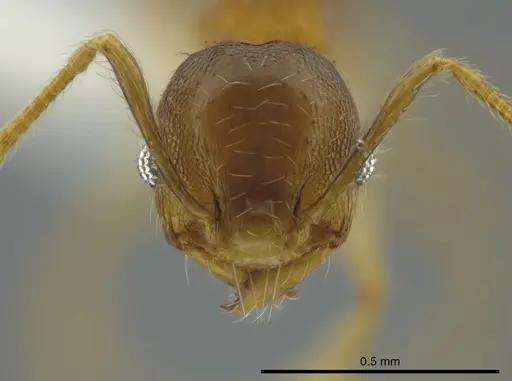
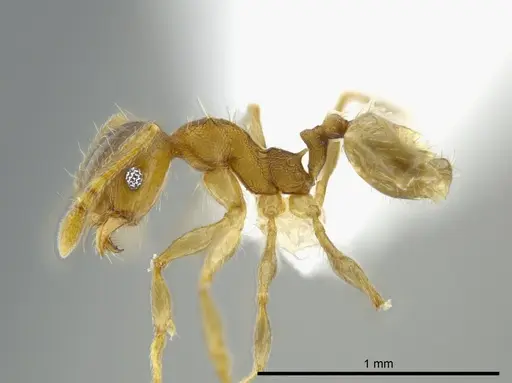
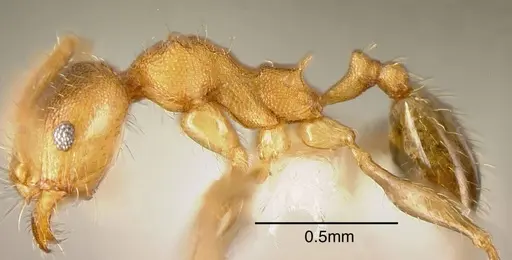
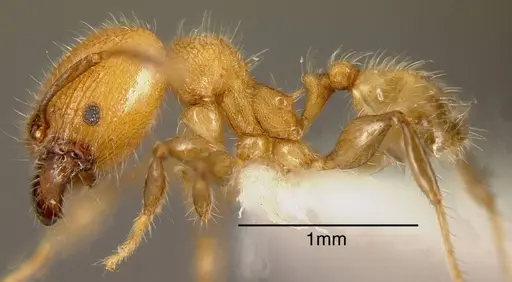
Looking to add a truly captivating ant species to your collection? Meet Pheidole floricola, affectionately known among keepers as the 'Flower Ant,' a fitting nod to its natural dwelling within lush philodendron fruits. This incredible species, a star within the 'Big-headed Ant' genus Pheidole, showcases one of nature's most impressive divisions of labor. You'll be amazed by their striking worker dimorphism: the smaller, nimble minor workers, easily identified by their unique humeri, work tirelessly, while the robust, golden-yellow major workers, with their distinctive large heads, command attention. Their diligent foraging and organized colony life make Pheidole floricola a truly engaging addition to any ant setup, promising hours of fascinating observation for any dedicated ant enthusiast.
- Difficulty: Medium
- Origin & Habitat: Neotropical Region (Honduras, Costa Rica, Ecuador, Nicaragua) in Tropical rainforests, specifically found nesting inside philodendron fruit; generally found in soil and litter in warm, humid climates..
- Colony Type: Monogyne or Polygyne, claustral founding.
- Size & Growth:
- Queen: 7-8mm
- Worker: 2-6mm
- Colony: Medium to Large (thousands). Fast growth.
- Antkeeping:
- Temperature: Maintain ambient temperatures between 24-28°C for optimal development. A stable warm environment will encourage faster brood growth and overall colony activity..
- Humidity: High humidity is crucial for Pheidole floricola, especially within the nest. Aim for 60-80% humidity in the main nesting chambers to support brood development and general colony health. The outworld can be slightly drier, around 50-70%..
- Diapause: Not required. Not specified at Not specified.
- Nesting: In the wild, Pheidole floricola has been found nesting inside philodendron fruit, suggesting a preference for plant-associated or arboreal nesting sites. In captivity, they adapt well to various artificial nest types including acrylic, 3D printed, Ytong, or naturalistic setups with a suitable substrate for tunneling. Providing a nest that allows for a humidity gradient is beneficial, with damper areas for brood. Given their natural habits, a setup with some natural elements or space for them to explore and potentially dig (if using a substrate-based nest) would be ideal..
- Behavior: Medium aggressiveness.
- Common Issues: Mold in nest due to overfeeding or excess humidity, Mites, especially in unclean setups, Colony stalling if lacking proper diet or temperature, Escape due to small size and exploratory nature, Humidity fluctuations impacting brood development, Queen stress from excessive disturbance during founding.
One of the most exciting aspects of keeping Pheidole floricola is witnessing the incredible synergy between their two distinct worker castes. Your colony will be a bustling hub of activity, with agile minor workers tirelessly foraging for resources and tending to the brood. Then there are the powerhouse majors – those iconic 'big-headed' soldiers! These specialized ants are not just for defense; they're the colony's heavy lifters, expertly cracking open tough seeds and dismembering larger prey. Watching this intricate division of labor unfold in your formicarium is genuinely captivating.
A word to the wise for any aspiring Pheidole floricola keeper: these ants are legendary escape artists! Their relatively tiny size combined with an insatiable drive to explore means they'll exploit even the most minute gap in your setup. To keep your colony safely contained within their outworld, you absolutely must employ reliable barriers. A carefully applied line of Fluon or a talcum powder and alcohol mixture around the top rim is essential. Always do a thorough 'escape audit' of your formicarium, sealing any potential weak points – better safe than sorry with these prolific explorers!
Feeding your Pheidole floricola colony will be a rewarding experience, as they're highly active and have a varied palate. To fuel their rapid growth, ensure a consistent supply of both protein and carbohydrates. For protein, think freshly killed insect feeders like small crickets, mealworms, or fruit flies; these are vital for the queen's egg production and the developing brood. For energy, offer sugar water or diluted honey. You might also find your majors enthusiastically processing small seeds, so consider adding a few chia seeds or similar to their diet for an extra treat and to showcase their unique mandibles.
Prepare for explosive growth when keeping Pheidole floricola! Once your founding queen has established her first cohort of workers, you'll see a noticeable acceleration in colony expansion. These ants are known for their fast development cycle and prolific egg-laying. Providing a stable, warm environment and a consistent, balanced diet will enable your colony to reach impressive numbers surprisingly quickly. It's truly a joy to watch a small founding setup transform into a sprawling, active ant metropolis.
Understanding their natural roots is key to providing optimal care for your Pheidole floricola. Hailing from the humid Neotropical regions, where they've been found nesting even within philodendron fruits, these ants thrive on warmth and consistent moisture. When setting up their formicarium, aim to create a clear humidity gradient – a damper area for the brood nest and a slightly drier foraging outworld. Regular hydration of their nest, perhaps via a dedicated hydration chamber or careful misting, will replicate their preferred tropical conditions and ensure a healthy, comfortable environment for your 'Flower Ants'.
Frequently Asked Questions
What kind of enclosure is best for Pheidole floricola colonies?
For Pheidole floricola, the best formicarium will replicate their tropical roots, offering consistent warmth and high humidity. Many ant keepers opt for acrylic, 3D-printed, or Ytong nests with good hydration systems. If you're keen to let them express natural behaviors, a substrate-based setup with sand and loam can work beautifully, allowing them to tunnel. The critical factor is maintaining a clear humidity gradient – a cozy, damp spot for the brood and a slightly drier foraging zone.
Do Pheidole floricola require a diapause or hibernation period?
Great news for those who prefer year-round activity! Pheidole floricola, being a tropical species from the Neotropics, doesn't require a diapause or hibernation. Just keep their environment consistently warm, ideally between 24-28°C, and they'll continue to grow and forage without interruption. No need for a fridge retreat with these lively ants!
What should I feed my Pheidole floricola ants?
These 'Big-headed Ants' are quite the gourmands, thriving on an omnivorous diet! To really boost your queen's egg production and nourish the developing brood, serve up freshly killed insect protein like small mealworms, crickets, or fruit flies. For the energetic adult workers, a steady supply of sugar water or diluted honey will keep them buzzing. And here’s a pro tip: their powerful majors often enjoy cracking open small seeds, so consider adding some chia seeds to their menu!
Are Pheidole floricola easy for beginner ant keepers?
Pheidole floricola offers a rewarding experience, making them a 'medium' difficulty species. While their captivating dimorphism and explosive growth are a joy to witness, their tiny size and legendary escape artist tendencies mean you'll need to be vigilant about enclosure security. If you're a beginner ready to commit to diligent humidity control and rock-solid escape prevention, you'll find them incredibly satisfying to keep.
How large can a Pheidole floricola colony get?
Get ready for a bustling ant metropolis! Once your Pheidole floricola queen has established her initial worker force, colonies can grow surprisingly fast, often reaching into the thousands of individuals. Providing consistent warmth and a rich diet will facilitate their impressive expansion, turning a modest setup into a vibrant, active display of ant life.
What is the role of the 'big-headed' major workers?
The 'big-headed' majors are truly the unsung heroes of a Pheidole colony! With their disproportionately large heads and robust mandibles, they serve multifaceted roles. They act as formidable soldiers, defending the colony against threats. They are also master food processors, perfectly equipped for cracking open tough seeds or dissecting larger prey items. In some Pheidole species, these impressive ants even store liquid food in their gasters, acting as living larders for the colony!
How do I prevent my Pheidole floricola from escaping?
Preventing escapes from these tiny titans is paramount! Your best bet is to apply a slick barrier like Fluon (PTFE liquid) or a paste of unscented talcum powder and rubbing alcohol along the upper inside walls of your outworld. For small test tube setups, a thin coat of mineral oil can also work. Always scrutinize your setup for any tiny crevices or gaps, and remember that a well-fed and hydrated colony is generally less motivated to venture beyond its boundaries.
Why is humidity so important for Pheidole floricola?
Humidity is a non-negotiable for Pheidole floricola! Hailing from moist, tropical habitats, they rely on consistent moisture within their nest chambers, especially for their delicate brood. Proper humidity prevents eggs from drying out and ensures successful pupation. Without adequate moisture, colonies can become stressed and growth will suffer. Investing in a formicarium with an effective hydration system and regularly checking humidity levels is crucial for their long-term health.
Can I keep multiple Pheidole floricola queens together (pleometrosis)?
It's an interesting question for Pheidole keepers! While the genus is known for both monogyne (single queen) and polygyne (multiple queen) species, and some Pheidole queens will indeed found a colony together (pleometrosis), it's not a universal guarantee. If you decide to try pleometrosis with Pheidole floricola, be aware that while initial cooperation is possible, queens may sometimes become aggressive towards each other once the first workers emerge. Observe closely and be prepared to separate them if necessary, though successful pleometrosis can lead to a super-fast growing colony!
How quickly do Pheidole floricola grow from egg to worker?
Pheidole floricola boasts a relatively quick development time! From a freshly laid egg to an adult worker, the process typically spans about 4 to 8 weeks, provided they are kept at their ideal warm temperatures and receive consistent nutrition. This fast turnaround is a key reason why their colonies can boom so rapidly, quickly establishing a formidable presence in your setup.

This caresheet is licensed under CC BY-SA 4.0 .
CASENT0619558
View on AntWeb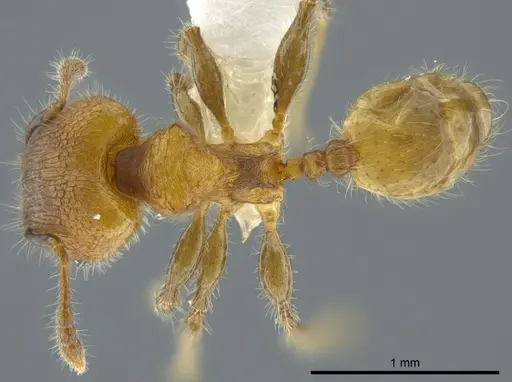
CASENT0619559
View on AntWeb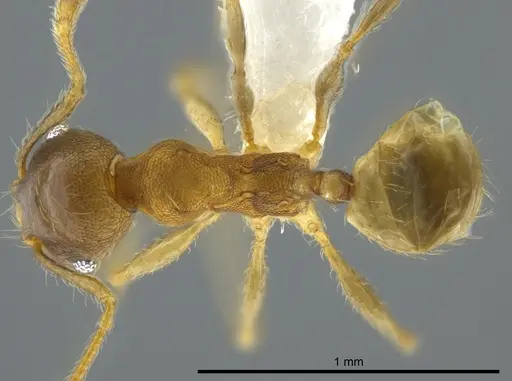
CASENT0635468
View on AntWeb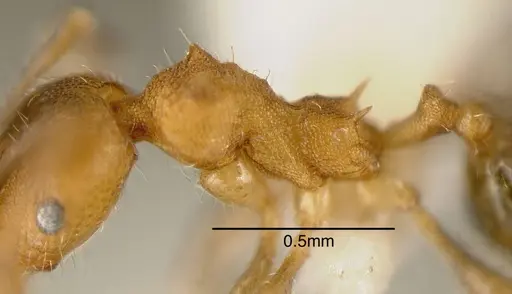
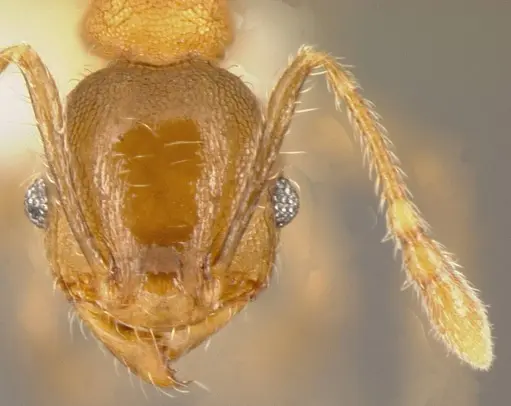
INBIOCRI002281350
View on AntWeb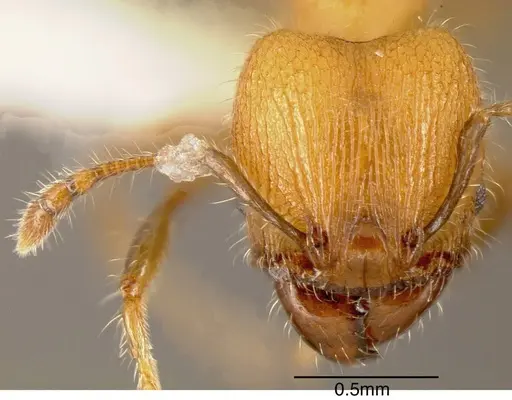
Literature
Loading...Loading products...