

Pheidole flavominuta
- Scientific Name
- Pheidole flavominuta
- Tribe
- Attini
- Subfamily
- Myrmicinae
- Author
- Salata & Fisher, 2020
- Distribution
- Found in 1 countries
Pheidole flavominuta Overview
Pheidole flavominuta is an ant species of the genus Pheidole. It is primarily documented in 1 countries , including Madagascar. Detailed taxonomic data and occurrence records can be further explored via authoritative databases such as AntWeb or the Global Biodiversity Information Facility (GBIF).
Pheidole flavominuta
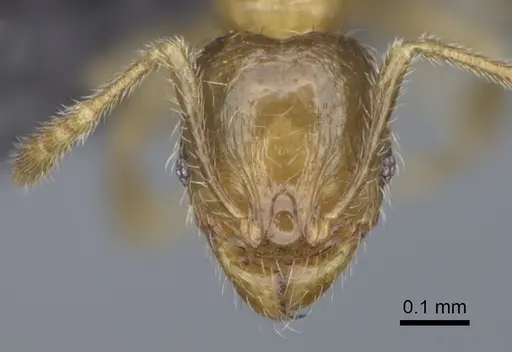
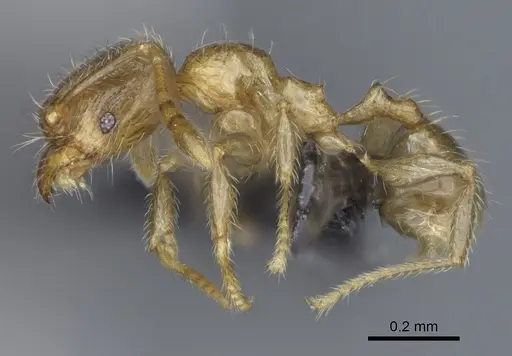
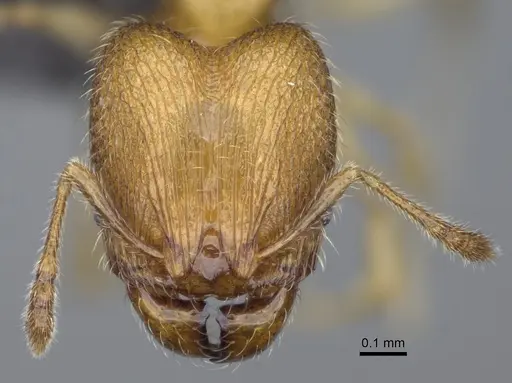
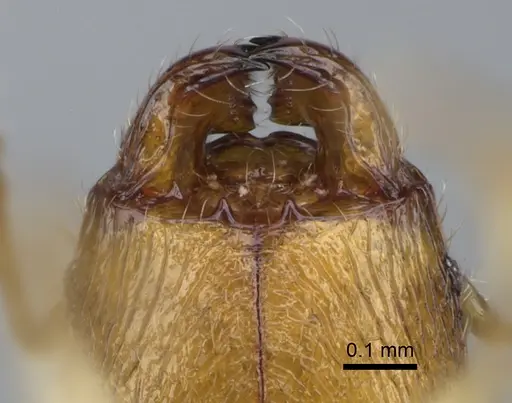
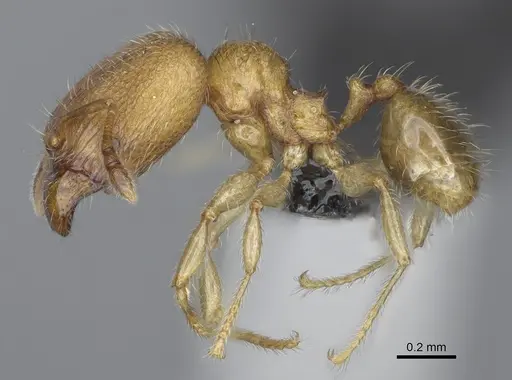
Pheidole flavominuta is a minute ant species from the sikorae species group, native to the rainforests of Madagascar. First described in 2020,these tiny ants measure just 0.76-0.83mm for major workers and 0.42-0.44mm for minor workers, making them one of the smaller Pheidole species. They have a bright yellow coloration throughout their body, with the head and gaster slightly darker than the mesosoma. The species name literally means 'bright and small' in Latin, referring to their tiny size and yellow coloring. In the wild, they nest in rotten logs and under rootmats on the ground at elevations between 355-520 meters in the Toamasina region of eastern Madagascar.
Quick Summary
- Difficulty: Medium
- Origin & Habitat: Eastern Madagascar (Toamasina region), rainforest habitat at 355-520m elevation [1]. Nests found in rotten logs and under rootmats on the ground [1].
- Colony Type: Colony structure is unconfirmed for this species. Most Pheidole species are monogyne (single queen), though some can be polygyne. Based on typical genus patterns, expect single-queen colonies.
- Colony: Monogyne
- Founding: Claustral
- Size & Growth:
- Queen: Undescribed in original publication, estimated 4-5mm based on genus patterns for small Pheidole species
- Worker: Major workers: 0.76-0.83mm head length, Minor workers: 0.42-0.44mm head length [1]
- Colony: Unknown for this species, typical Pheidole colonies reach hundreds to low thousands of workers
- Growth: Moderate, based on typical small Pheidole development patterns
- Development: Estimated 6-8 weeks at optimal temperature based on related small Pheidole species (Development time is estimated from genus-level data since specific timing has not been documented for this species)
- Antkeeping:
- Temperature: Keep at 22-26°C, these are tropical rainforest ants from Madagascar requiring warm, stable conditions
- Humidity: High humidity required, aim for 70-80% relative humidity. Keep nest substrate consistently moist but not waterlogged, mimicking the damp forest floor where they nest under rootmats
- Diapause: Likely minimal or no true diapause, Madagascar has mild seasonal variation. However, slight reduction in activity during cooler months may occur
- Nesting: Prefers moist, organic nesting materials. Rotten wood or a moist Y-tong/plaster nest works well. They naturally nest in rotting logs and under rootmats, so provide damp substrate they can tunnel through
- Behavior: This is a small, non-aggressive species. Major workers have enlarged heads for seed processing and defense, but the species is not known for painful stings. They are escape risks due to their tiny size, fine mesh barriers are essential. Foraging behavior likely involves minor workers primarily, with majors assisting with food processing. They are likely nocturnal or crepuscular like many tropical Pheidole species.
- Common Issues: escape prevention is critical due to their very small size, they can squeeze through standard mesh, high humidity needs mean mold can be a problem if ventilation is poor, newly described species means limited captive breeding data, expect some trial and error, wild-caught colonies may carry parasites that can devastate captive colonies, slow founding phase typical of Pheidole, queens may take months to raise first workers
Housing and Nest Setup
Pheidole flavominuta requires careful attention to humidity and escape prevention. A Y-tong (acrylic) nest or plaster nest with moisture chambers works well for maintaining the high humidity they need. The nest should have chambers scaled to their tiny size, these are very small ants. Since they naturally nest in rotting logs and under rootmats, adding some organic material like small pieces of decaying wood or leaf litter to the nest chamber can encourage natural behavior. Keep the outworld simple with a small foraging area. Use a test tube setup for the founding colony with a water reservoir. Because of their minute size, all connections and barriers must be extremely tight, even standard gap sizes can allow escapes. [1]
Feeding and Diet
Pheidole flavominuta is likely a generalist forager like other small Pheidole species. They probably collect honeydew from aphids and scale insects, and hunt small prey. In captivity, offer sugar water or honey water as a constant energy source. For protein, provide small live prey like fruit flies, pinhead crickets, or mealworm pieces. Since they are very small, prey items should be appropriately sized, springtails are an excellent choice. Minor workers will primarily handle foraging, while major workers assist with breaking down larger food items. Feed protein 2-3 times per week and keep sugar water available at all times. [1]
Temperature and Humidity
As a Madagascar rainforest species, Pheidole flavominuta needs warm and humid conditions. Maintain temperatures between 22-26°C, with a slight gradient allowing the ants to choose their preferred zone. A heating cable on one side of the nest can create this gradient, but place it on top of the nest rather than underneath to avoid drying out the substrate. Humidity should stay around 70-80%. The nest substrate should feel consistently damp but never waterlogged. Monitor for condensation on nest walls, some condensation is good but excessive moisture leads to mold. A layer of moist sphagnum moss or similar moisture-retaining material on top of the nest can help maintain humidity. [1]
Colony Development
Pheidole colonies grow gradually, with the queen raising the first brood alone. Expect 6-8 weeks from egg to first worker (nanitics) at optimal temperature, though this is estimated from genus patterns since specific data doesn't exist for this species. The first workers will be smaller than mature workers. Once the colony establishes, growth accelerates as more workers help with foraging and brood care. Major workers develop later in the colony cycle, you may see only minor workers for the first few months. Colonies likely reach several hundred workers over time, though maximum colony size is unknown for this species. Be patient during founding, Pheidole queens can be slow to produce their first workers. [1]
Seasonal Care
Since Pheidole flavominuta comes from eastern Madagascar where temperatures are relatively stable year-round, they likely do not require a true hibernation period. However, you may notice reduced activity during cooler months. If your room temperature drops below 20°C in winter, consider using a small heat source to maintain warmth. Do not let temperatures drop below 18°C for extended periods. The humidity requirements remain consistent year-round, monitor more closely in winter when heating systems can dry out the air. Avoid sudden temperature changes which can stress the colony. [1]
Frequently Asked Questions
How long does it take for Pheidole flavominuta queens to produce first workers?
Based on typical Pheidole development, expect 6-8 weeks from egg to first worker at optimal temperature (22-26°C). This is an estimate since specific development timing hasn't been documented for this newly described species.
What do Pheidole flavominuta ants eat?
They likely accept standard ant foods: sugar water or honey for energy, and small protein sources like fruit flies, springtails, or tiny insect pieces. Offer protein 2-3 times per week and keep sugar water available constantly.
Are Pheidole flavominuta ants aggressive?
No, this is a small, peaceful species. Major workers have enlarged heads for food processing rather than combat. They are not known to sting painfully.
What temperature do Pheidole flavominuta ants need?
Keep them at 22-26°C. These are tropical rainforest ants requiring warm, stable conditions. A slight temperature gradient allows the colony to regulate their own comfort.
How do I house Pheidole flavominuta during founding?
Use a standard test tube setup with a water reservoir. Keep it humid and undisturbed. Place the tube in a dark area until workers emerge. Do not overhandle the colony during founding.
Why are my Pheidole flavominuta ants escaping?
Their tiny size means they can squeeze through the smallest gaps. Use fine mesh barriers, seal all connections with cotton or foam, and check for any gaps larger than 0.5mm. Escape prevention must be excellent.
Do Pheidole flavominuta ants need hibernation?
Probably not. As a Madagascar tropical species, they likely do not require a true diapause. You may see slightly reduced activity in cooler months, but maintain temperatures above 18°C.
How big do Pheidole flavominuta colonies get?
The maximum colony size is unknown for this species. Based on typical Pheidole patterns, expect several hundred workers. Growth is moderate, be patient during the founding phase.
What humidity level do Pheidole flavominuta ants need?
High humidity at 70-80%. Keep the nest substrate consistently moist but not waterlogged. These ants naturally nest under damp rootmats in rainforest habitats.
Can I keep multiple Pheidole flavominuta queens together?
Not recommended. Unless you observe them naturally forming multi-queen colonies (which is not documented for this species), keep only one queen per colony. Combining unrelated queens typically leads to fighting.
References

This caresheet is licensed under CC BY-SA 4.0 .
CASENT0162186
View on AntWeb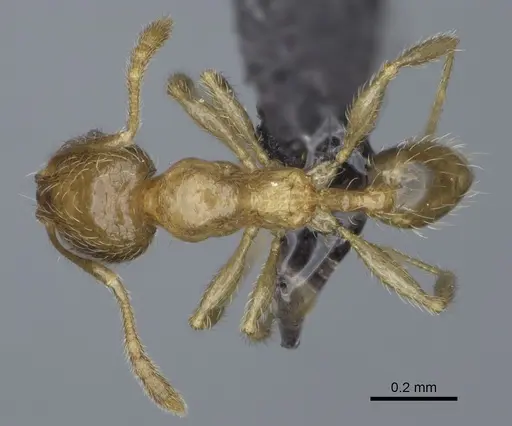
CASENT0923272
View on AntWeb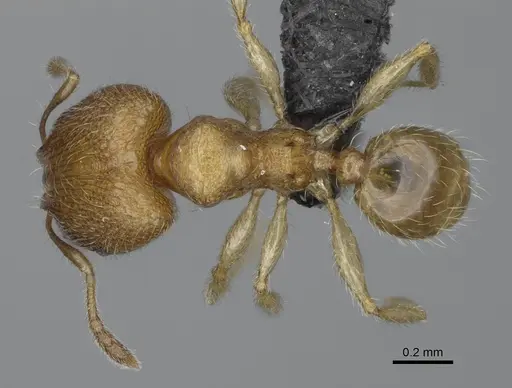
Literature
Loading...Loading products...