

Pheidole fiorii
- Scientific Name
- Pheidole fiorii
- Tribe
- Attini
- Subfamily
- Myrmicinae
- Author
- Emery, 1890
- Distribution
- Found in 3 countries
Pheidole fiorii Overview
Pheidole fiorii is an ant species of the genus Pheidole. It is primarily documented in 3 countries , including Costa Rica, Nicaragua, Panama. Detailed taxonomic data and occurrence records can be further explored via authoritative databases such as AntWeb or the Global Biodiversity Information Facility (GBIF).
Pheidole fiorii
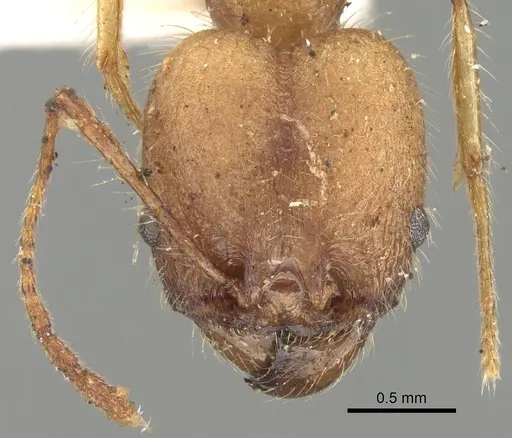
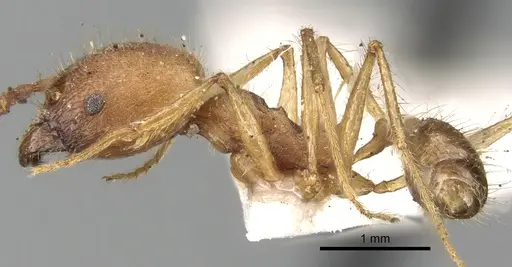
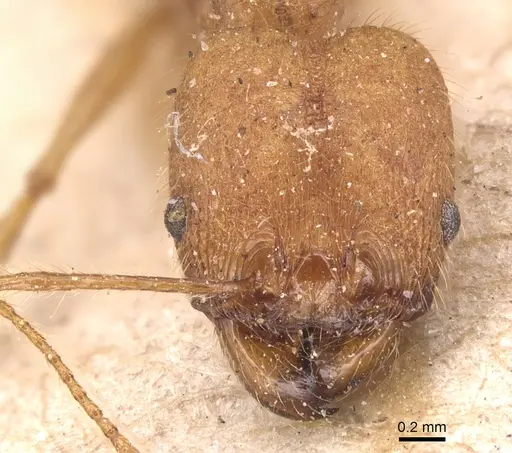
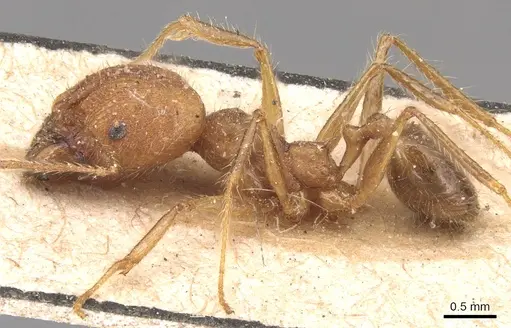
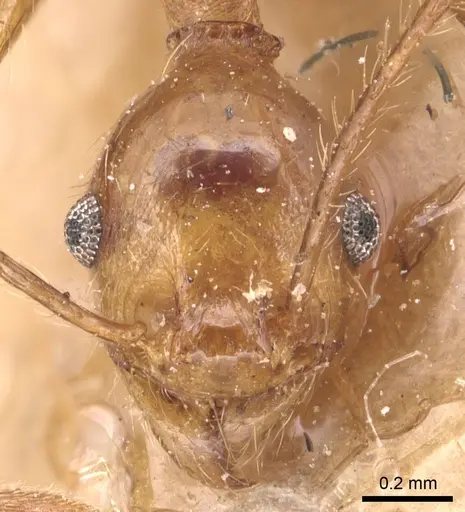
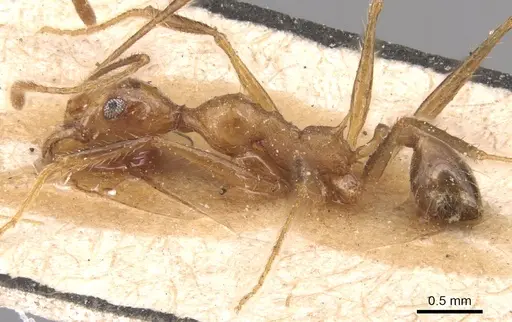
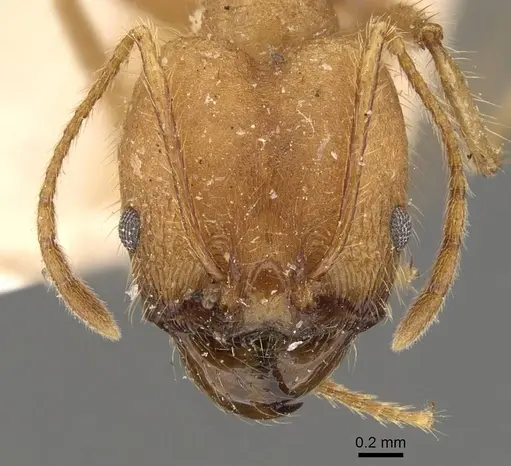
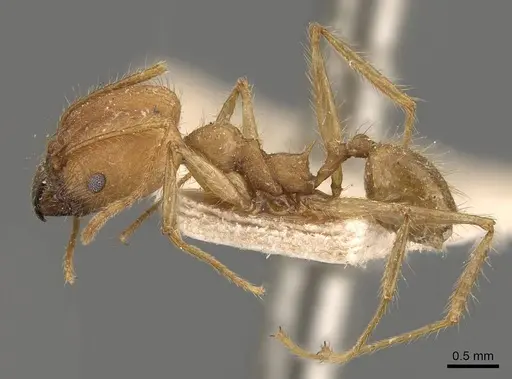
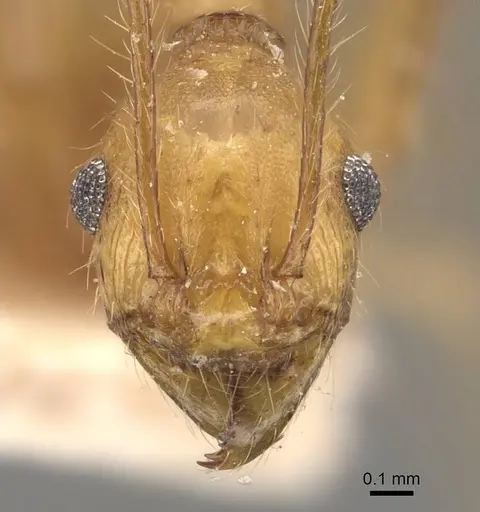
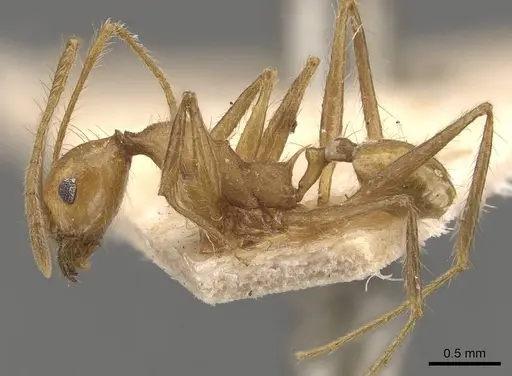
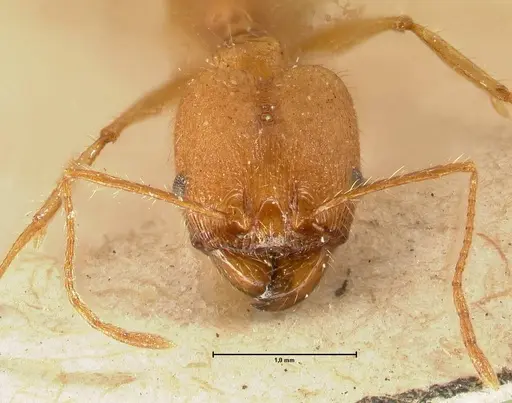
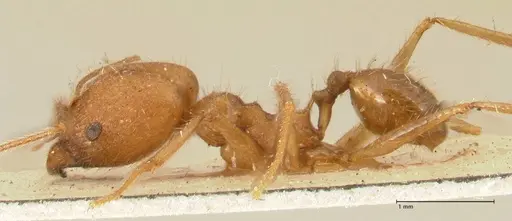
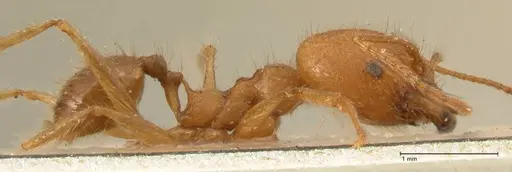
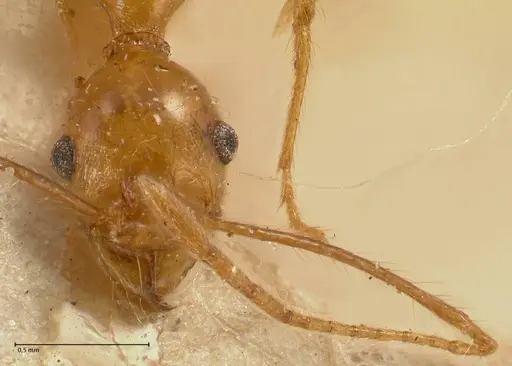
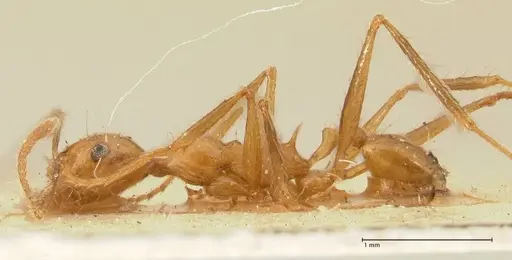
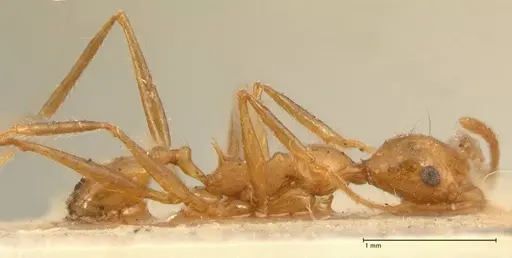
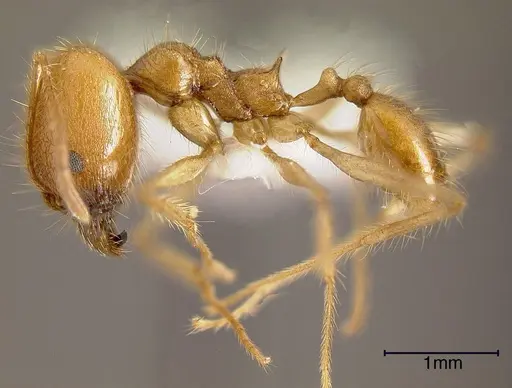
Pheidole fiorii is a dimorphic Myrmicinae ant native to the Neotropical region, found across Costa Rica, Nicaragua, and Panama up to 950m elevation. This species displays a striking color variation, colonies at lower elevations (sea level to 600m) are yellow, while higher elevation populations are dark brown. Workers come in two sizes: the larger majors (soldiers) have distinctive long propodeal spines and can reach 1.48mm head width, while the smaller minors are just 0.64mm wide. These ants are famous for building unusual carton nests, hemispherical structures made from soil and plant fragments glued to the undersides of leaves on palms, aroids, and other large-leaved plants. The nests can span about 10cm and contain multiple layered chambers with one large entrance and several smaller ones. Colonies appear to be monogynous with a single queen and typically maintain just one nest.
Quick Summary
- Difficulty: Medium
- Origin & Habitat: Atlantic slope and montane regions of Costa Rica, Nicaragua, and Panama up to 950m elevation. Inhabits mature wet forest understory where humidity stays high.
- Colony Type: Monogynous, colonies have a single queen and single nest. One documented colony contained 646 workers,67 soldiers,6 gynes, plus larvae and over 400 pupae.
- Colony: Monogyne
- Founding: Claustral
- Size & Growth:
- Queen: Undocumented in primary sources, estimated based on genus patterns at 8-10mm
- Worker: Minor workers: 0.64mm HW, Major workers: 1.48mm HW. Historical record shows workers at 6.5mm total length [1].
- Colony: Colonies can reach 600+ workers. One observed colony had 646 workers and 67 soldiers.
- Growth: Moderate, based on typical Pheidole development patterns
- Development: Estimated 6-10 weeks based on typical Pheidole genus development at tropical temperatures (Development time is not directly documented for this species, estimates based on related Pheidole species)
- Antkeeping:
- Temperature: Keep at 24-26°C, they are a tropical wet forest species requiring warm, stable conditions. A gentle gradient allows workers to regulate their temperature.
- Humidity: High humidity is essential, these ants live in wet forest understory with 70-80%+ ambient humidity. Keep nest substrate consistently moist but not waterlogged. Provide a water reservoir for humidity.
- Diapause: No, as a tropical species, they do not require hibernation. Maintain warm conditions year-round.
- Nesting: This species naturally builds carton nests under leaves. In captivity, they adapt well to acrylic nests or Y-tong setups with moist substrate. The key is providing high humidity and surfaces they can build carton on. Test tubes work for founding but colonies will need more space as they grow.
- Behavior: These ants are relatively non-aggressive and focus on seed collection and foraging. Major workers (soldiers) defend the colony but are not particularly aggressive toward keepers. They are active foragers that collect seeds and likely tend aphids for honeydew. Escape risk is moderate, minors are small (0.64mm) but majors are larger (1.48mm). Standard escape prevention with fine mesh works well. They are not known for stinging and pose no danger to keepers.
- Common Issues: high humidity maintenance is critical, colonies can fail in dry conditions, carton nest building may damage acrylic nests if they don't have suitable surfaces, colonies can be sensitive to temperature drops below 22°C, wild-caught colonies may contain parasites that affect captive survival, foraging majors may struggle in nests with passages too narrow for their size
Nest Preferences and Housing
Pheidole fiorii naturally builds distinctive carton nests, hemispherical structures made from soil and plant fragments glued to the undersides of leaves on palms, aroids, and other large-leaved plants. These nests can reach about 10cm across and contain multiple layered chambers with one large entrance and several smaller ones. In captivity, they adapt well to most standard setups. Acrylic nests work fine, though they may attempt some carton construction on surfaces. Y-tong nests with moist chambers are ideal since they mimic the humid, enclosed spaces these ants prefer. Test tube setups work for founding colonies, but plan to move them to a larger formicarium once the colony reaches 50+ workers. The key requirement is maintaining high humidity, these ants come from wet forest understory where moisture is constant. Provide a water reservoir or moisture chamber connected to the nest area.
Feeding and Diet
Pheidole fiorii is a seed-collecting species, researchers have found small seeds from several plant families inside their nests. In captivity, offer a varied diet: seeds (millet, chia, flax) as a staple carbohydrate source, plus protein sources like small insects (fruit flies, pinhead crickets, mealworms). They will likely accept sugar water or honey as well, common among Pheidole species. Feed seeds continuously available and protein 2-3 times per week. Remove uneaten seeds periodically to prevent mold. The major workers (soldiers) will use their larger heads to crack seeds and defend the colony, while minor workers handle foraging and brood care. Make sure food pieces are small enough for minors to handle, these workers are quite tiny at just 0.64mm head width.
Temperature and Humidity Requirements
As a tropical wet forest species from Costa Rica and Panama, Pheidole fiorii requires warm and humid conditions. Keep the nest area at 24-26°C, this matches their natural understory habitat where temperature is stable year-round. A slight temperature gradient allows workers to move between warmer and cooler areas as needed. Humidity is critical: maintain 70-80% ambient humidity or keep the nest substrate consistently moist. These ants can struggle if conditions dry out. Use a water reservoir or moisture chamber connected to the nest. Avoid placing the colony near air conditioning or drafty areas. Unlike temperate species, they do not require any diapause or winter cooling, maintain tropical conditions year-round.
Colony Structure and Development
Pheidole fiorii colonies are monogynous, meaning they have a single queen who lays all the eggs. The colony is dimorphic, it produces both minor workers (the foragers and nurses) and major workers (soldiers) with larger heads and mandibles. One documented colony contained 646 workers,67 soldiers,6 gynes (new queens), plus larvae and over 400 pupae. This shows colonies can grow quite large. The queen is likely claustral, she seals herself in a chamber and raises the first brood alone using stored fat reserves, typical of Pheidole. Development from egg to worker likely takes 6-10 weeks at optimal tropical temperatures, similar to other Pheidole species. The first workers (nanitics) will be smaller than normal workers. Major workers appear as the colony grows and resources allow, they require more energy to produce.
Behavior and Temperament
These ants are relatively peaceful and not aggressive toward keepers. The majors (soldiers) defend the colony but are not particularly combative compared to some Pheidole species. Workers are active foragers that search for seeds and likely tend honeydew-producing insects in nature. They build characteristic carton nests rather than excavating in soil. One interesting observation: colonies at La Selva and Peñas Blancas have shown dramatic fluctuations in abundance from season to season for reasons not fully understood. Their nests can also fall prey to raiding by Simopelta army-ant-like ponerines. In captivity, they are manageable ants that don't pose sting risk. Escape prevention should focus on the minor workers (0.64mm) which are quite small, use fine mesh barriers. Majors are larger (1.48mm head width) and less likely to escape through small gaps.
Frequently Asked Questions
How long does it take for Pheidole fiorii to produce first workers?
Development time is not directly documented for this species, but based on typical Pheidole genus patterns, expect 6-10 weeks from egg to first worker at optimal tropical temperatures (24-26°C). The first workers will be smaller (nanitics) and the colony will grow gradually from there.
What do Pheidole fiorii ants eat?
They are seed collectors, offer seeds like millet, chia, or flax as a staple. Also provide protein sources like small insects (fruit flies, pinhead crickets, mealworms) 2-3 times per week. They will likely accept sugar water or honey as well.
Are Pheidole fiorii good for beginners?
They are rated Medium difficulty. The main challenges are maintaining high humidity and providing appropriate nesting space. If you can keep a tropical setup warm and humid, they are manageable. They are not aggressive and don't pose sting risk.
Do Pheidole fiorii need hibernation?
No. As a tropical species from Costa Rica and Panama, they do not require diapause or winter cooling. Keep them warm (24-26°C) and humid year-round.
How big do Pheidole fiorii colonies get?
One documented colony had 646 workers plus 67 soldiers and 6 gynes. Colonies can likely reach 600+ workers. They are monogynous with a single queen.
What size are Pheidole fiorii workers?
They are dimorphic. Minor workers have a head width of 0.64mm, while major workers (soldiers) have a head width of 1.48mm. The majors have notably large heads and long propodeal spines.
Can I keep multiple Pheidole fiorii queens together?
No. This species is monogynous, colonies have a single queen. Multiple unrelated queens would likely fight. Only keep one queen per colony.
Why do my Pheidole fiorii have different colors?
Color variation is normal for this species. Lower elevation colonies (sea level to 600m) are yellow, while higher elevation populations are dark brown. This elevation-related color gradient is a known characteristic of the species.
References

This caresheet is licensed under CC BY-SA 4.0 .
CASENT0281749
View on AntWeb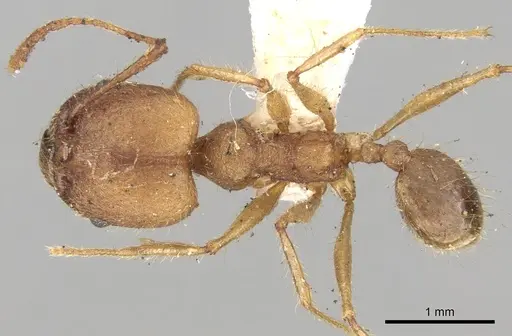
CASENT0281750
View on AntWeb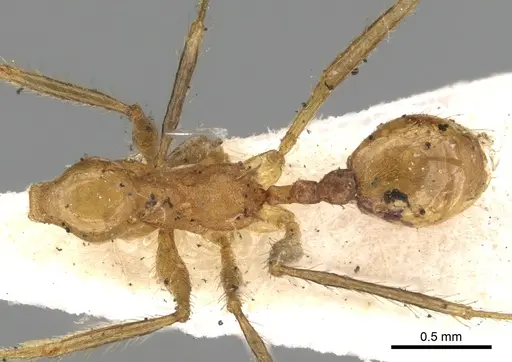
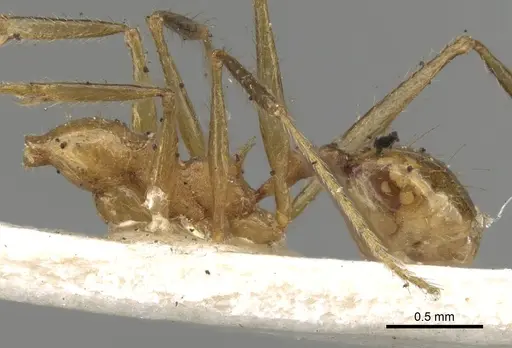
CASENT0635466
View on AntWeb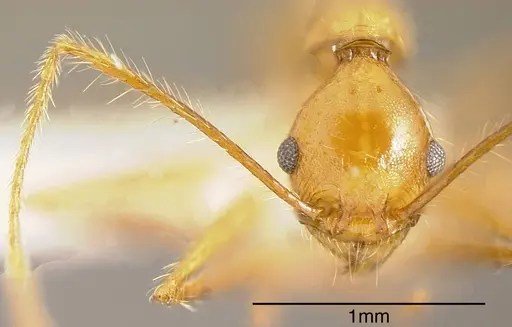
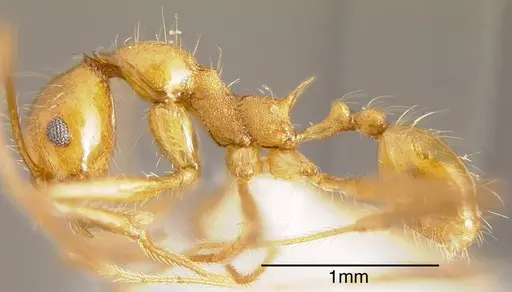
CASENT0904348
View on AntWeb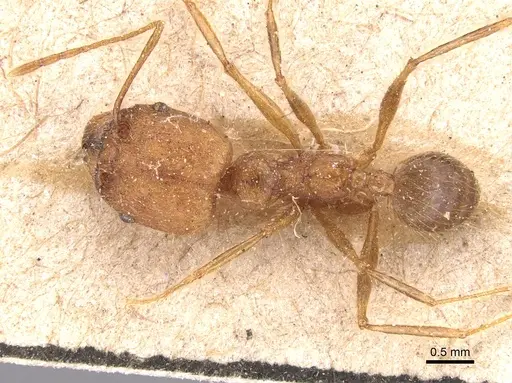
CASENT0904349
View on AntWeb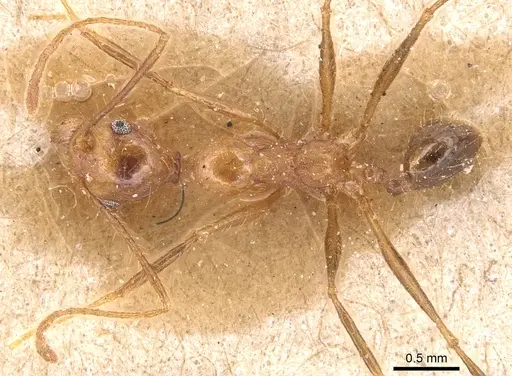
CASENT0908095
View on AntWeb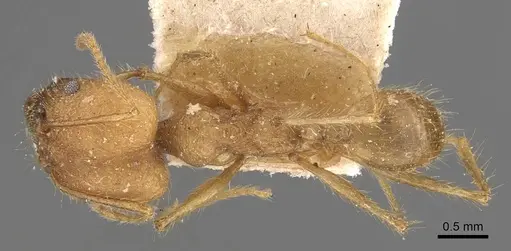
CASENT0908096
View on AntWeb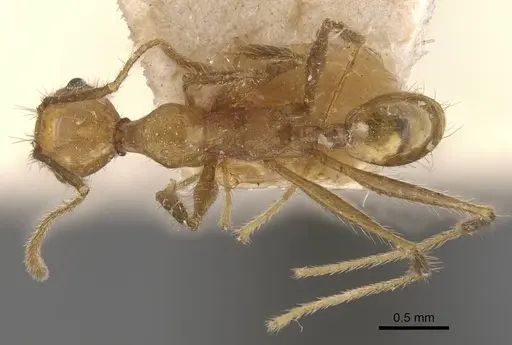
FOCOL1428
View on AntWeb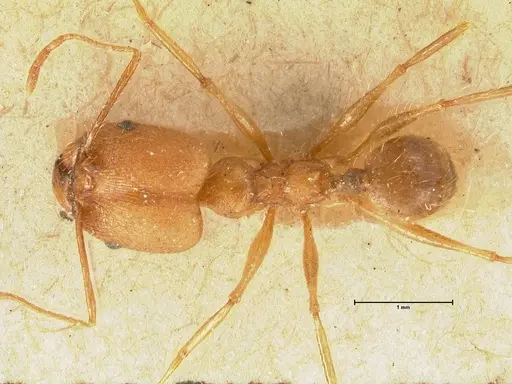
FOCOL1429
View on AntWeb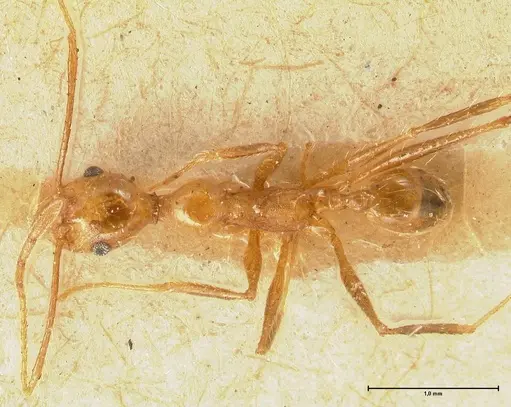
INBIOCRI002279397
View on AntWeb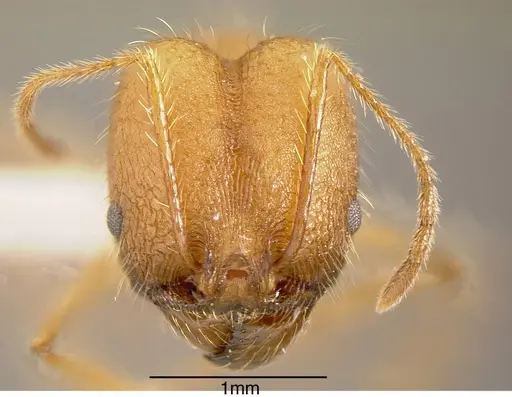
INBIOCRI002279401
View on AntWeb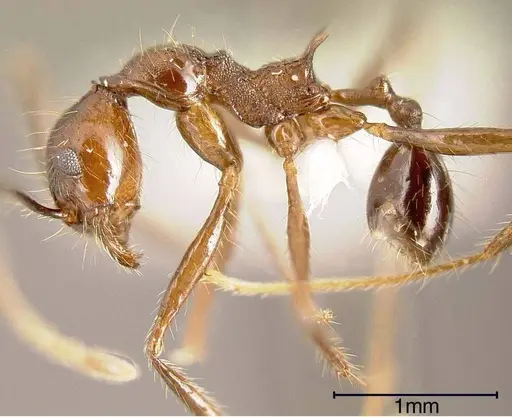
INBIOCRI002279404
View on AntWeb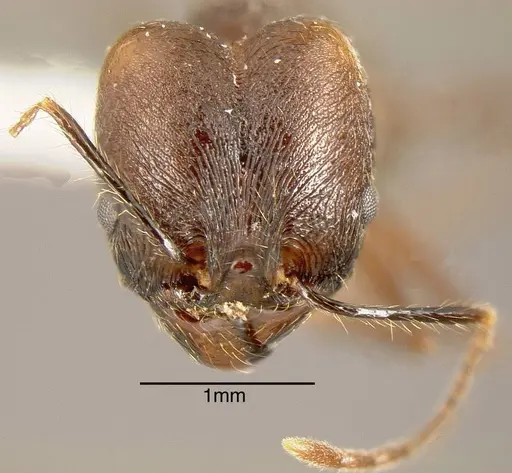
Literature
Loading...Loading products...