Pheidole sagax - "Big-Headed Ant"
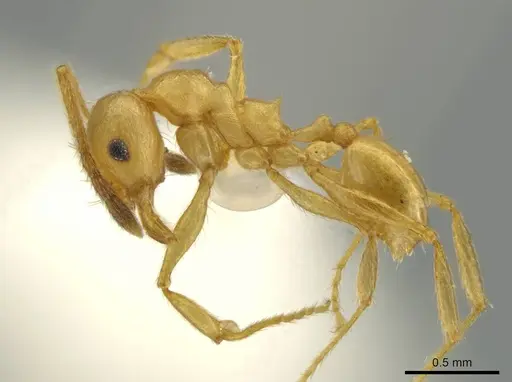
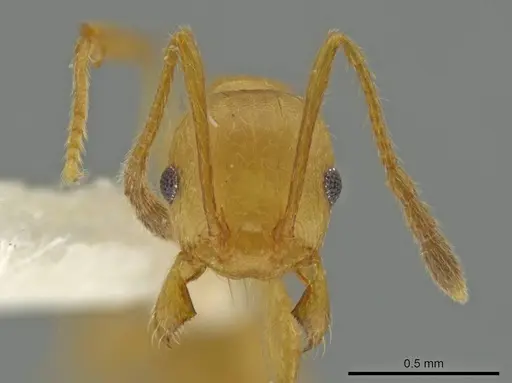
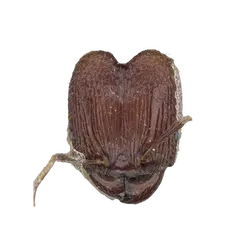
Pheidole sagax is a fascinating 'big-headed ant' species, characterized by its distinctive dimorphic worker caste. You'll observe smaller, more numerous minor workers alongside much larger-headed major workers, often called 'soldiers.' The minors are typically a medium yellow color, while the majors share this same yellow hue, but boast impressively large, almost semicircular occipital lobes on their heads. These ants are known for their active foraging and efficient recruitment, quickly overwhelming food sources. Their overall size is relatively small, but their social structure and bustling colonies make them a captivating addition to any antkeeping setup.
- Difficulty: Medium
- Origin & Habitat: Neotropical Region (Brazil, Colombia, Ecuador, French Guiana, Nicaragua, Venezuela) in Forested ravines, generally preferring warmer climates; found commonly in soil and leaf litter..
- Colony Type: Monogyne, though some Pheidole species can be polygyne., claustral (queen seals herself in) founding.
- Size & Growth:
- Queen: 7-8mm
- Worker: 2-6mm
- Colony: Medium (thousands). Fast growth.
- Antkeeping:
- Temperature: Optimal nest temperatures for Pheidole sagax should range between 24-28°C to encourage healthy brood development and activity. While they can tolerate slightly lower temperatures, consistent warmth is key for a thriving colony. A heat mat or cable can provide a beneficial hot spot in their setup..
- Humidity: Pheidole sagax thrives with moderate to high humidity in their nesting area, ideally between 60-80%. The outworld can be slightly drier, around 50-70%. Maintaining proper humidity is crucial, especially for the brood, to prevent desiccation and mold growth..
- Diapause: Not required. Not specified at Not specified.
- Nesting: These ants are highly adaptable and will readily inhabit various artificial nest types. Options like acrylic, 3D-printed nests, grout, or ultracal setups are all suitable. They appreciate a design that allows for modular expansion as the colony grows, as well as a connection to an outworld for foraging. In the wild, they typically nest in soil and under objects..
- Behavior: High (towards handler, food or other ants) aggressiveness.
- Common Issues: Mold in nest, Mites, Colony stalling, Overfeeding leading to waste, Humidity fluctuations, Queen stress, Escape artists.
Pheidole sagax, like many species in the Pheidole genus, exhibits remarkable worker dimorphism, meaning their colonies feature two distinct worker castes: the small minor workers and the much larger-headed major workers, often referred to as 'soldiers.' Minor workers are the primary foragers and brood tenders, while the robust major workers specialize in tasks like seed crushing and colony defense. This division of labor is a hallmark of Pheidole colonies and makes them incredibly efficient and engaging to observe.
These big-headed ants are known for their aggressive foraging strategies and voracious appetites. They are opportunistic scavengers and will quickly recruit nestmates to exploit any discovered food source. Providing a varied diet of insects and sugars is paramount for their rapid growth. Be prepared for their high metabolism and ensure a consistent supply of both protein and carbohydrates to fuel their bustling colony.
Keeping Pheidole sagax requires diligent escape prevention. Their small size and exploratory nature make them notorious escape artists. Employing effective barriers such as talcum powder, fluon, or a thin layer of olive oil on the top edges of the outworld is crucial. Regularly inspect your setup for any potential escape routes, as even tiny gaps can become an avenue for a determined ant.
While Pheidole sagax queens are typically fully claustral, meaning they can raise their first batch of nanitic workers without external feeding, it’s important to provide a stable, undisturbed environment during this crucial founding stage. Once the first workers emerge, the colony's growth rate will accelerate significantly. Be ready to scale up their housing and feeding as their numbers rapidly swell from dozens to hundreds, and eventually thousands.
Due to their tropical origin, Pheidole sagax generally does not require diapause, or a hibernation period. This means they can be kept active year-round under stable temperature conditions, allowing for continuous observation of their fascinating behaviors and growth. Maintaining consistent warmth and humidity will help ensure their ongoing development without the need for a seasonal slowdown.
Frequently Asked Questions
What's the best setup for a new Pheidole sagax queen?
For a newly caught Pheidole sagax queen, a standard test tube setup is ideal. Provide a water reservoir separated by a cotton ball, and a dark, quiet space. Since they are fully claustral, the queen will use her stored energy to raise the first brood of nanitics. Avoid disturbing her too much during this critical founding phase.
How quickly do Pheidole sagax colonies grow?
Pheidole sagax colonies are known for their rapid growth rate! Once the first nanitic workers arrive, you'll see their numbers swell quickly. With consistent feeding and optimal conditions, a colony can go from a few dozen workers to hundreds within a few months, and reach thousands within a year or two. Be ready for their fast expansion!
What should I feed my Pheidole sagax ants?
These ants are omnivorous and have a hearty appetite! Offer a balanced diet of protein and carbohydrates. For protein, small feeder insects like fruit flies, mealworms (pre-killed and chopped for smaller colonies), or crickets are excellent. For carbohydrates, sugar water or honey-water solutions are readily accepted. Varying their diet keeps them healthy and happy.
Do Pheidole sagax need a diapause (hibernation) period?
No, Pheidole sagax, being a tropical species, does not require a diapause period. You can keep them active and growing year-round as long as stable temperature and humidity conditions are maintained. This is a great perk for antkeepers who prefer continuous observation of their colonies!
How do I prevent Pheidole sagax from escaping?
Pheidole ants are legendary escape artists! To prevent breakouts, apply a good barrier to the top inner edges of your outworld. Talcum powder mixed with alcohol (once dry), Fluon, or even a thin layer of olive oil can work. Regularly check your setup for any tiny gaps or cracks, as these resourceful ants will find them.
What's the role of the large-headed 'soldier' ants in a Pheidole sagax colony?
The large-headed 'soldiers,' or major workers, have several important roles! Their powerful mandibles are used for crushing seeds, dismembering larger prey items that minors can't handle, and defending the colony from threats. They are the colony's heavy lifters and defenders, working in tandem with the smaller minor workers.
What kind of nest is best for Pheidole sagax?
Pheidole sagax can thrive in various artificial nest types. Acrylic, 3D-printed nests, or grout/y-tong setups with good humidity control are all suitable. Given their rapid growth, consider a modular formicarium that allows for easy expansion or plan to transfer them to larger housing as the colony matures. Ensure good ventilation to prevent mold.
Are Pheidole sagax aggressive towards other ants or handlers?
Pheidole sagax can be quite aggressive, especially when foraging or defending their nest. They're known for their efficient recruitment and will overwhelm perceived threats. While they don't sting, they can deliver a painful bite if provoked. Always handle your colony with care and respect, using tweezers or other tools when interacting with their outworld.
Why are my Pheidole sagax minors getting bigger over time?
It's a common observation with Pheidole! While the first workers (nanitics) are often very small due to limited resources during founding, as the colony grows and has access to more food, subsequent minor workers will generally emerge at a larger average size. The queen can then allocate more resources to developing larger workers and even soldiers.
Can I keep multiple Pheidole sagax queens together?
Pheidole sagax is generally considered monogyne, meaning colonies typically thrive with a single queen. While some Pheidole species might exhibit pleometrosis (multiple queens founding together), often only one queen survives in the long term, or the colony will eventually split. For best results, it's usually recommended to keep a single queen per setup for this species.
How do I know if my Pheidole sagax colony is healthy?
A healthy Pheidole sagax colony will show consistent foraging activity, a growing pile of brood (eggs, larvae, pupae), and a good worker count. Look for active workers, successful food consumption, and no excessive deaths. Proper humidity, temperature, and a varied diet are key indicators of a thriving colony.
What are common issues to watch out for with Pheidole sagax?
The most common issues include escapes due to their small size and fast movement, and mold growth if humidity isn't managed correctly or if uneaten food is left in the nest. Mites can also be a concern. Regularly cleaning the outworld and removing food scraps promptly can mitigate many of these problems.
Do I need to provide seeds for my Pheidole sagax?
While Pheidole majors are equipped for crushing seeds, Pheidole sagax are primarily generalist scavengers, consuming a wide range of prey and sweet liquids. While they can eat seeds, they aren't true granivores and may not store them properly, leading to germination and mold in artificial setups. It's generally safer and more effective to focus on protein and sugar sources.