

Pheidole fabricator
- Scientific Name
- Pheidole fabricator
- Tribe
- Attini
- Subfamily
- Myrmicinae
- Author
- Smith, 1858
- Distribution
- Found in 1 countries
Pheidole fabricator Overview
Pheidole fabricator is an ant species of the genus Pheidole. It is primarily documented in 1 countries , including Brazil. Detailed taxonomic data and occurrence records can be further explored via authoritative databases such as AntWeb or the Global Biodiversity Information Facility (GBIF).
Pheidole fabricator
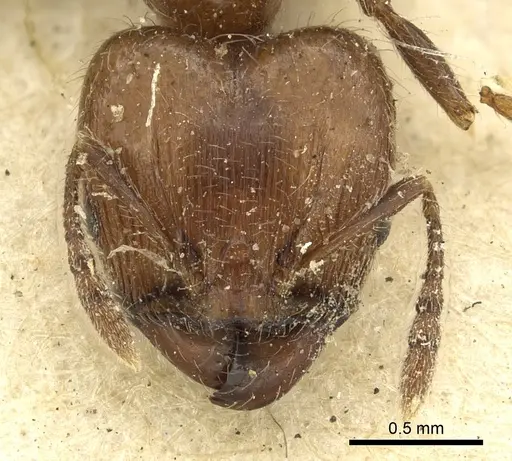
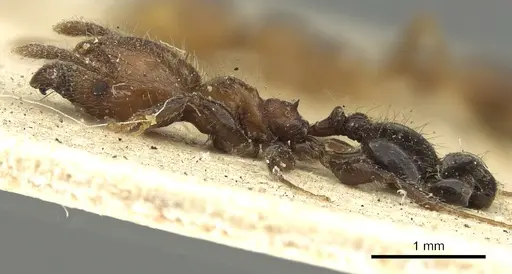
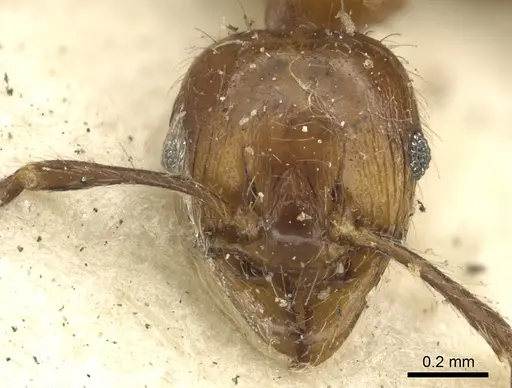
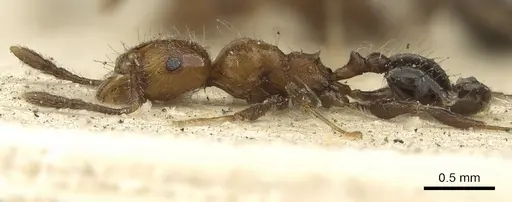
Pheidole fabricator is a small Neotropical ant belonging to the tristis group, native to rainforests across Brazil, Colombia, and Venezuela. Majors measure around 1.18mm head width with a distinctive heart-shaped head that tapers toward the mandibles, while minors are much smaller at roughly 0.52mm. The species gets its name from the Latin 'fabricator' meaning maker or builder, possibly referring to its nest-building behavior. The major workers have a reddish-brown body with a dark brown gaster, while minors display a yellowish-brown face and brownish-yellow mesosoma. This species forms colonies with distinct major and minor worker castes, a characteristic trait of the genus Pheidole.
Quick Summary
- Difficulty: Medium
- Origin & Habitat: Rainforest habitats in the Neotropical region, specifically documented in Brazil (Rio de Janeiro, Sao Paulo, Santa Catarina), Colombia (Meta department), and Venezuela (Aragua at 1100m elevation) [1][2]. The type specimen was collected from Guanabara, Rio de Janeiro, Brazil.
- Colony Type: Monogyne (single-queen) colonies based on typical Pheidole genus patterns. Colonies contain both major and minor worker castes.
- Colony: Monogyne
- Founding: Claustral
- Size & Growth:
- Queen: Estimated 6-8mm based on genus patterns, no direct measurement available
- Worker: Major: 1.12-1.18mm body length, Minor: ~0.52mm head width [2]
- Colony: Estimated several hundred workers based on typical Pheidole colony development
- Growth: Moderate
- Development: Estimated 6-10 weeks based on typical Pheidole genus development at tropical temperatures (Development time is inferred from related species in the genus, no direct study available for this specific species)
- Antkeeping:
- Temperature: Keep at 24-28°C, these are tropical rainforest ants requiring warm conditions. A heating cable on one side of the nest creates a suitable gradient.
- Humidity: High humidity required (60-80%). Keep the nest substrate consistently moist but not waterlogged. Rainforest species need damp conditions.
- Diapause: No, being a tropical species from lowland rainforests, they do not require a true hibernation period. Maintain consistent temperatures year-round.
- Nesting: Y-tong (AAC) nests or plaster nests work well. This species prefers enclosed nests with moist substrate. Given their small minor workers, they need tight-fitting chambers. Natural nesting sites include soil and rotting wood in humid forest areas.
- Behavior: Typical Pheidole behavior, majors are specialized for seed processing and colony defense, while minors handle general foraging and brood care. They are not particularly aggressive toward keepers but will defend the nest vigorously if threatened. Escape prevention is important due to their small size, minors can squeeze through tiny gaps. Use fine mesh and tight-fitting barriers.
- Common Issues: high humidity can lead to mold growth if ventilation is poor, balance moisture with adequate airflow, small minor workers are prone to escaping through fine gaps, use escape barriers rated for tiny ants, tropical species may struggle if temperatures drop below 22°C, monitor with a thermometer, colonies may decline if protein sources are insufficient, ensure regular insect feeding, wild-caught colonies may carry parasites that can devastate captive populations
Housing and Nest Setup
Pheidole fabricator does well in Y-tong (acrylic) nests or plaster nests that can hold moisture. The nest chambers should be appropriately sized for their small minors, tight passages help them feel secure. A water reservoir connected to the nest helps maintain humidity without constant misting. For the outworld, use a simple setup with a foraging area connected to the nest. Because their minors are very small (around 0.52mm), escape prevention must be excellent, apply Fluon or similar barrier to the rim of the formicarium and use fine mesh on any ventilation holes. [2]
Feeding and Diet
Like most Pheidole species, P. fabricator is omnivorous with a preference for protein. Offer small insects such as fruit flies, pinhead crickets, mealworms, or other appropriately-sized prey twice weekly. They will also accept sugar sources like honey water or sugar water, though protein is essential for brood development. Seeds may be accepted but are not a required part of their diet. Remove uneaten prey after 24-48 hours to prevent mold. Always provide a constant source of sugar water, especially when the colony has many workers.
Temperature and Humidity Management
As a tropical rainforest species from Brazil and Venezuela, P. fabricator requires warm and humid conditions. Maintain temperatures between 24-28°C in the nest area. A heating cable placed on top of the nest (never underneath to avoid drying) can create a gentle gradient. Humidity should stay around 60-80%, the substrate should feel damp but not have standing water. A moisture reservoir connected to the nest works better than manual misting for maintaining consistent humidity. Avoid placing the colony near air conditioning or drafty areas. [1][2]
Colony Development and Castes
Pheidole fabricator exhibits the classic Pheidole dimorphism with distinct major and minor workers. Major workers (soldiers) have the characteristic heart-shaped head with bidentate hypostoma and are specialized for seed processing and colony defense. Minors are smaller and handle most foraging and brood care tasks. The colony will start slowly, expect 4-8 weeks for the first workers (nanitics) to emerge from claustral founding. Growth is moderate, with colonies typically reaching several hundred workers over time. A healthy mature colony will have a good proportion of majors defending the nest. [2]
Seasonal Care
Being a tropical species from lowland rainforests, P. fabricator does not require hibernation or diapause. Maintain consistent temperatures and humidity year-round. The collection note from Wilson (2003) mentions males present in a nest in late June in Venezuela, suggesting nuptial flights likely occur during the warmer, wetter months in their range. In captivity, you do not need to simulate seasonal changes, just keep conditions stable. Avoid any temperature drops below 22°C as this can stress the colony. [2]
Frequently Asked Questions
How long does it take for Pheidole fabricator to produce first workers?
Expect 6-10 weeks from egg to first worker at optimal temperatures (24-28°C). This is based on typical Pheidole genus development patterns since specific development data for this species is not available.
What do Pheidole fabricator ants eat?
They are omnivorous with a protein focus. Feed small insects like fruit flies, pinhead crickets, or mealworms twice weekly. They also accept sugar water or honey. Seeds may be accepted but are not required.
What temperature do Pheidole fabricator ants need?
Keep them at 24-28°C. These are tropical rainforest ants requiring warm conditions. A heating cable on the nest can help maintain proper temperatures.
Are Pheidole fabricator ants good for beginners?
They are rated as medium difficulty. While not the hardest species, they do require attention to humidity and temperature. Their small size means escape prevention is critical. If you have kept simpler species like Lasius, this is a good next step.
How big do Pheidole fabricator colonies get?
Based on typical Pheidole patterns, colonies likely reach several hundred workers. The major workers are about 1.18mm head width while minors are much smaller at around 0.52mm.
Do Pheidole fabricator ants need hibernation?
No. Being a tropical species from Brazilian and Venezuelan rainforests, they do not require hibernation. Maintain consistent warm temperatures and humidity year-round.
When should I move Pheidole fabricator to a formicarium?
Move them once the colony reaches 20-30 workers or when they outgrow their founding setup. They do well in Y-tong or plaster nests that can hold moisture. Ensure the chambers are appropriately sized for their tiny minors.
Can I keep multiple Pheidole fabricator queens together?
No. This species is monogyne, single queen colonies. Combining unrelated queens is not recommended and would likely result in fighting.
Why are my Pheidole fabricator ants dying?
Common causes include: temperatures below 22°C, humidity too low (dry substrate) or too high (mold), insufficient protein in diet, or parasites from wild-caught colonies. Check all three environmental factors first and ensure you are feeding adequate protein.
References

This caresheet is licensed under CC BY-SA 4.0 .
CASENT0901611
View on AntWeb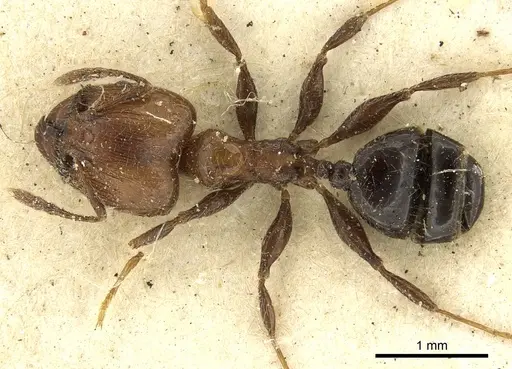
CASENT0901612
View on AntWeb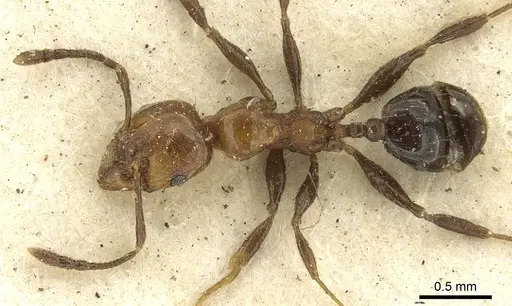
Literature
Loading...Loading products...