

Pheidole escherichii
- Scientific Name
- Pheidole escherichii
- Tribe
- Attini
- Subfamily
- Myrmicinae
- Author
- Forel, 1910
- Distribution
- Found in 1 countries
Pheidole escherichii Overview
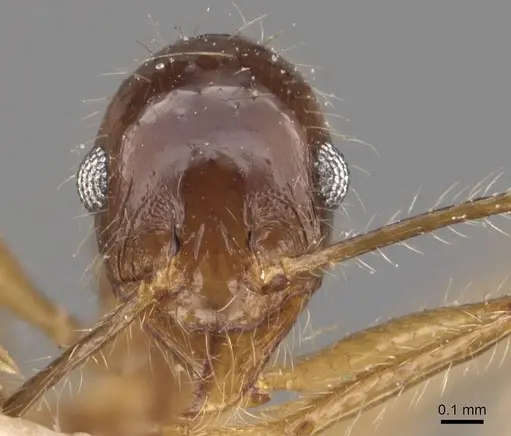
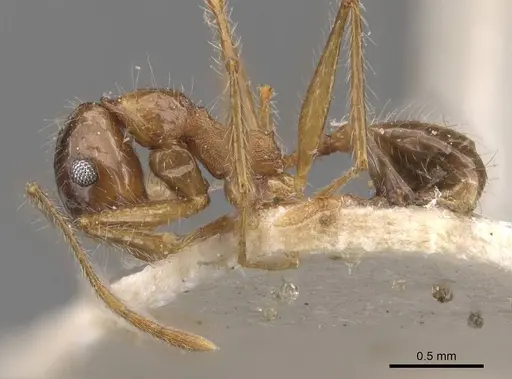
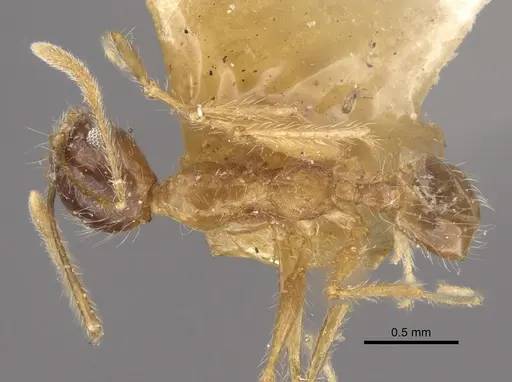
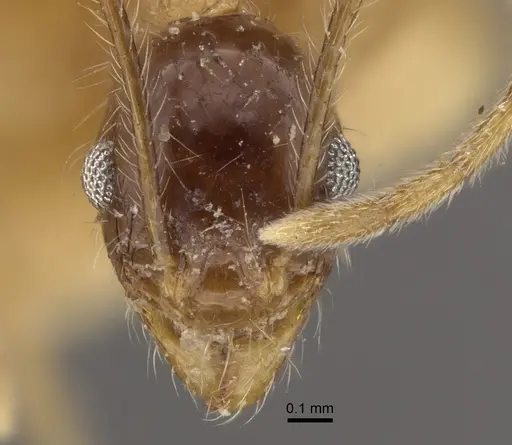
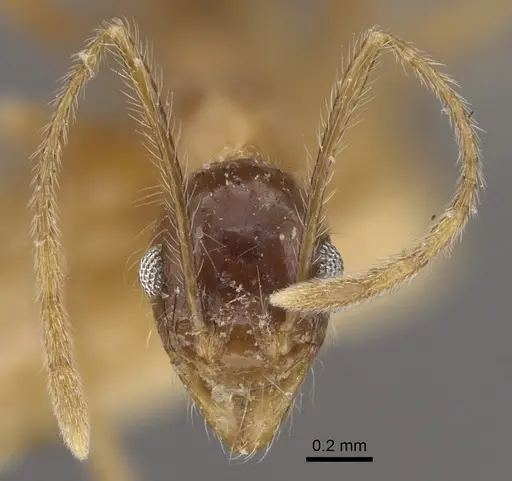
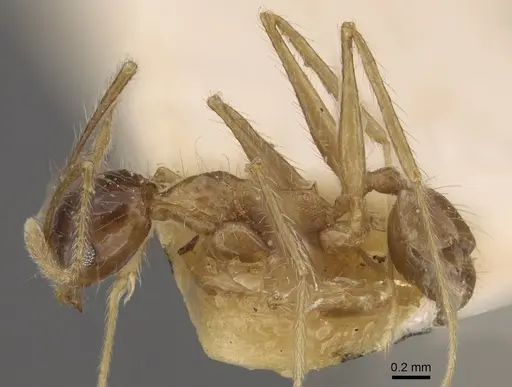
Pheidole escherichii is an ant species of the genus Pheidole. It is primarily documented in 1 countries , including Eritrea. Detailed taxonomic data and occurrence records can be further explored via authoritative databases such as AntWeb or the Global Biodiversity Information Facility (GBIF).
Pheidole escherichii
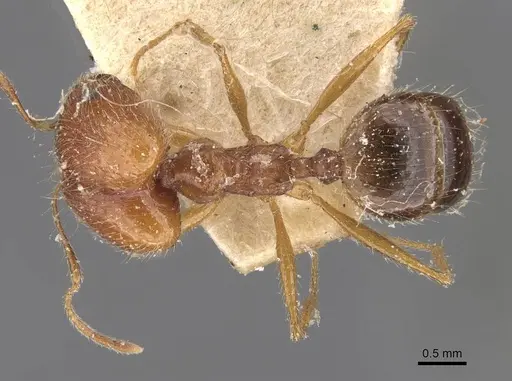
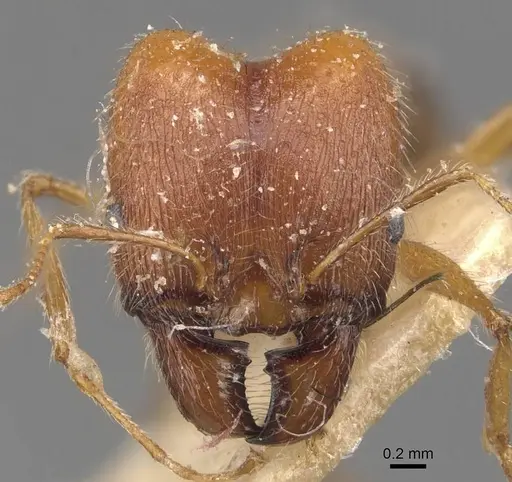
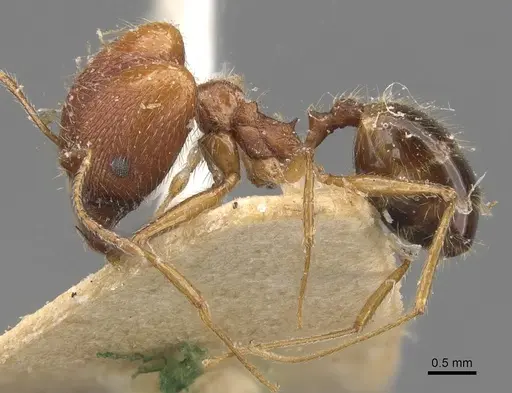
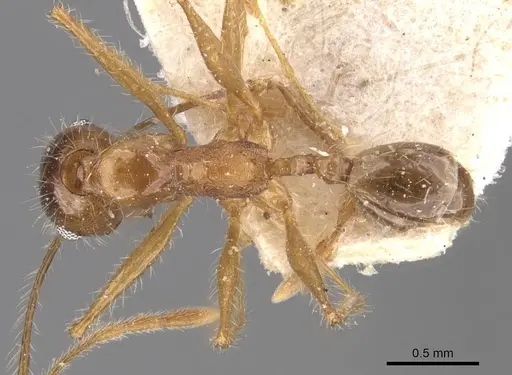
Pheidole escherichii is a small ant species native to East Africa, specifically documented in Ethiopia and Eritrea [1]. Like all Pheidole species, they have two worker castes: large major workers (soldiers) with enlarged heads for seed-crushing and smaller minor workers that handle most foraging and brood care. The species was first described by Forel in 1910 from specimens collected in Ethiopia [1]. This ant belongs to the Myrmicinae subfamily and the Attini tribe, which includes seed-harvesting ants. The queens and majors are typically darker colored with the minor workers being lighter. Specific measurements are not documented in available literature, but Pheidole majors generally range from 4-8mm while minors are 2-4mm [2].
This species is part of the Afrotropical fauna, found in the Horn of Africa region. Little specific biological research exists for P. escherichii, but the genus Pheidole is well-known in antkeeping for being hardy, relatively fast-growing, and having fascinating major/minor worker dynamics where majors defend the colony and process seeds while minors handle daily tasks.
Quick Summary
- Difficulty: Easy
- Origin & Habitat: East Africa, documented in Ethiopia and Eritrea in the Horn of Africa region [1]. Likely inhabits dry to semi-arid savanna habitats typical of the genus in this region [2].
- Colony Type: Likely monogyne (single queen) based on typical Pheidole patterns. Pheidole colonies typically have one founding queen that establishes the colony alone [2].
- Colony: Monogyne
- Founding: Claustral
- Size & Growth:
- Queen: Estimated 7-9mm based on typical Pheidole queen size range [2]
- Worker: Minors: 2-4mm, Majors: 4-6mm based on genus typical measurements [2]
- Colony: Likely reaches several thousand workers at maturity based on typical Pheidole colony development [2]
- Growth: Moderate to fast, Pheidole colonies typically grow steadily once established [2]
- Development: Estimated 6-8 weeks at optimal temperature based on typical Pheidole development [2] (Development time varies with temperature, warmer conditions within acceptable range speeds development)
- Antkeeping:
- Temperature: Keep at 24-28°C. As an East African species, they prefer warm conditions. A heating cable on one side of the nest creates a temperature gradient allowing workers to self-regulate [2].
- Humidity: Moderate, aim for 50-60% humidity. Allow the nest to dry partially between water additions. These are not high-humidity ants [2].
- Diapause: Likely a short winter slowdown period. East African ants may not require full hibernation but benefit from cooler temperatures (15-18°C) for 2-3 months during winter months [2].
- Nesting: Pheidole escherichii likely nests in soil with minor workers creating galleries. In captivity, a Y-tong (AAC) nest, test tube setup, or plaster nest works well. Provide compact chambers and a small outworld for foraging [2].
- Behavior: This is a peaceful species that focuses on seed harvesting and small prey collection. Major workers will crack seeds and defend the colony while minors handle most tasks. They are not aggressive toward keepers and rarely sting. Escape risk is moderate, use standard barrier methods like fluon on test tube rims. Workers are active foragers that will search the outworld for food. The major workers are visually striking with their enlarged heads [2].
- Common Issues: colonies may stall if temperatures drop too low, keep warm, seed-eating means majors need access to hard substrates to process food, slow founding phase, new keepers may lose patience during claustral period, wild-caught colonies may have parasites that need treatment, major workers can get stuck in narrow tubes, use appropriately sized setups
Housing and Nest Setup
Pheidole escherichii can be housed in various setups depending on colony size. For founding colonies, a simple test tube setup works well, fill a test tube one-third with water, plug with cotton, and place the queen in the tube. The cotton provides moisture while the queen seals herself in the dark end. Once the colony reaches 30-50 workers, you can move them to a formicarium. Y-tong (AAC) nests are excellent for Pheidole because they provide proper humidity control and dark chambers that ants prefer. Plaster nests also work well, allowing you to maintain consistent moisture. The key is providing chambers sized appropriately, Pheidole prefer tight, compact spaces rather than large open areas. An outworld (foraging area) should be attached once the colony has 20+ workers so they can hunt and collect seeds. [2]
Feeding and Diet
As an Attini tribe member, Pheidole escherichii likely has a varied diet including seeds and small insects. In captivity, offer a mix of protein and carbohydrates. For protein, provide small insects like fruit flies, pinhead crickets, or mealworms, crush the exoskeletons for minors to make feeding easier. Seeds are important for this genus, offer millet, chia, or small bird seed. The major workers will use their powerful mandibles to crack seeds open. Sugar water or honey can be offered as an occasional supplement, though seeds and insects should form the core diet. Feed every 2-3 days for established colonies, removing uneaten food after 24 hours to prevent mold. Fresh water should always be available. [2]
Temperature and Seasonal Care
Keep your colony at 24-28°C for optimal growth and development. East African ants like P. escherichii thrive in warm conditions. Use a heating cable placed on top of the nest (not underneath to avoid drying) to create a gentle temperature gradient. During winter, you can reduce temperatures to 15-18°C for 2-3 months to simulate natural seasonal changes. This winter rest period helps maintain colony health and may trigger reproductive behavior in spring. However, avoid temperatures below 15°C as this can harm the colony. Monitor worker activity, if they cluster near the heat source, increase temperature slightly, if they avoid heated areas, reduce heat. [2]
Colony Development and Growth
Pheidole colonies grow through a predictable series of stages. The founding queen seals herself in a claustral chamber and does not leave to forage, she lives entirely on stored fat reserves while laying eggs. After 3-6 weeks (longer if cool), the first workers called nanitics emerge. These are typically smaller than normal workers but can already handle basic colony tasks. The colony then enters a growth phase where worker population increases steadily. Major workers (soldiers) appear later in development, typically when the colony reaches several hundred workers. The majors serve as defenders and seed processors. A mature colony can contain several thousand workers with a significant proportion being majors. Growth rate depends heavily on temperature and feeding, optimal conditions can produce workers every 6-8 weeks. [2]
Behavior and Colony Dynamics
One of the most fascinating aspects of Pheidole keeping is observing the worker caste system. Minor workers handle most daily tasks: foraging, caring for brood, tending the queen, and exploring the environment. Major workers (soldiers) have enlarged heads and powerful mandibles designed for cracking hard seeds and defending the colony against threats. When a threat appears, majors will rush to defend while minors evacuate the brood. The division of labor is not absolute, minors can perform most tasks, and majors sometimes forage. This species is not aggressive toward humans and rarely stings. Workers communicate through chemical trails, when food is found, they mark a path back to the nest that others follow. This makes Pheidole entertaining to watch as they establish foraging networks. [2]
Frequently Asked Questions
How long does it take for Pheidole escherichii to have first workers?
First workers (nanitics) typically appear 6-8 weeks after the queen lays eggs, assuming optimal temperatures around 24-28°C. Cooler conditions can extend this to 10-12 weeks. The queen raises the first brood alone in her sealed chamber, feeding them predigested protein from her own body reserves.
What do Pheidole escherichii ants eat?
They are omnivorous with emphasis on seeds and protein. Offer small seeds like millet or chia that majors can crack, along with small insects like fruit flies or crushed mealworms. Occasional sugar water or honey can be given as a treat. Remove uneaten food after 24 hours.
Can I keep multiple Pheidole escherichii queens together?
Not recommended. Like most Pheidole species, they are likely monogyne, one queen per colony. Introducing multiple unrelated queens typically results in fighting. Only attempt pleometrosis (multiple queens founding together) if you have experience and are prepared to remove excess queens.
What temperature do Pheidole escherichii ants need?
Keep them warm at 24-28°C. As an East African species, they prefer temperatures in the mid-to-high 20s Celsius. A heating cable on the nest creates a gradient that workers can use to regulate their own temperature.
How big do Pheidole escherichii colonies get?
Based on typical Pheidole patterns, colonies can reach several thousand workers at maturity. The appearance of major workers usually occurs when the colony reaches several hundred workers. A mature colony will have a striking difference between tiny minor workers and the large-headed majors.
Do Pheidole escherichii need hibernation?
They likely benefit from a cool period rather than true hibernation. Reduce temperatures to 15-18°C for 2-3 months during winter. This simulates their natural seasonal cycle in East Africa and may help trigger reproductive behavior in spring.
Are Pheidole escherichii good for beginners?
Yes, they are beginner-friendly. Pheidole are hardy, adaptable, and have fascinating colony dynamics with major and minor workers. They are not aggressive and don't require specialized equipment. The main challenges are maintaining proper temperature and being patient during the slow founding phase.
When should I move Pheidole escherichii to a formicarium?
Move them when the test tube colony reaches 30-50 workers and the water reservoir shows signs of mold or depletion. Alternatively, you can use a simple outworld setup attached to the test tube earlier to give foragers space. Y-tong nests work especially well for Pheidole.
Why are my Pheidole escherichii dying?
Common causes include: temperatures too low (keep above 24°C), mold from overwatering or uneaten food, stress from too much disturbance during founding, or parasites from wild-caught colonies. Ensure proper ventilation, remove mold promptly, and avoid moving the colony during the claustral founding phase.
References

This caresheet is licensed under CC BY-SA 4.0 .
Literature
Loading...Loading products...