

Pheidole ernsti
- Scientific Name
- Pheidole ernsti
- Tribe
- Attini
- Subfamily
- Myrmicinae
- Author
- Forel, 1912
- Distribution
- Found in 1 countries
Pheidole ernsti Overview
Pheidole ernsti is an ant species of the genus Pheidole. It is primarily documented in 1 countries , including Taiwan, Province of China. Detailed taxonomic data and occurrence records can be further explored via authoritative databases such as AntWeb or the Global Biodiversity Information Facility (GBIF).
Pheidole ernsti
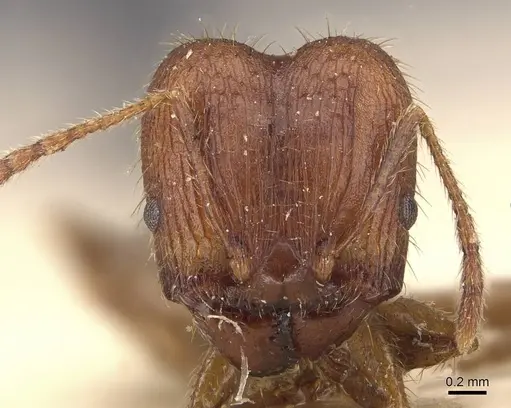
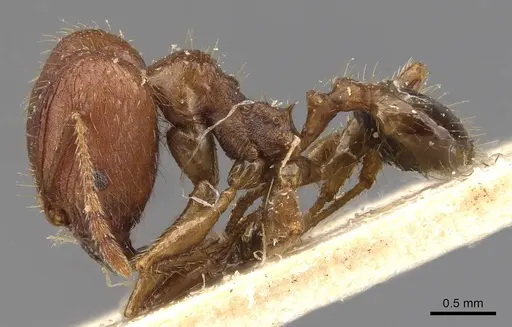
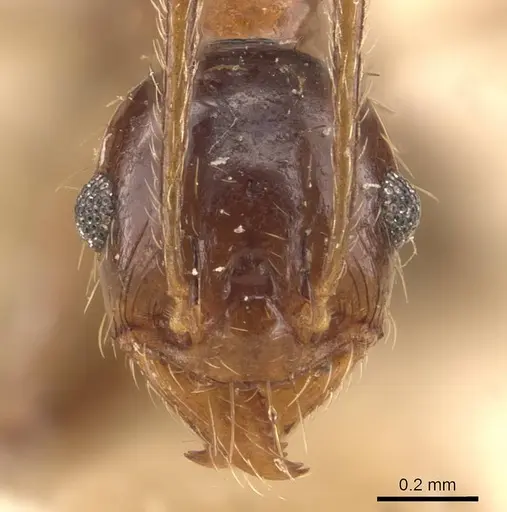
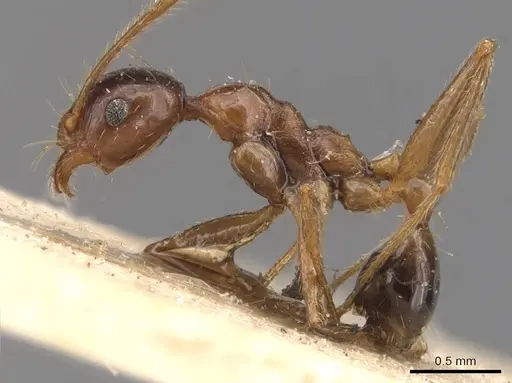
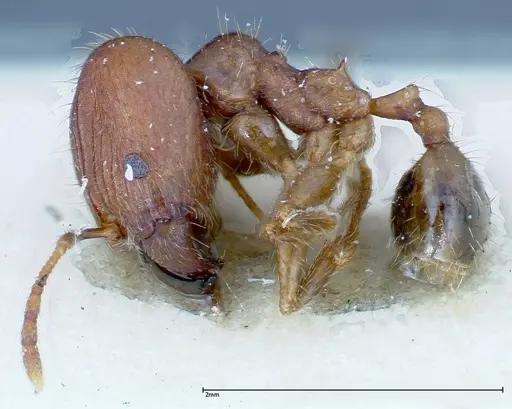
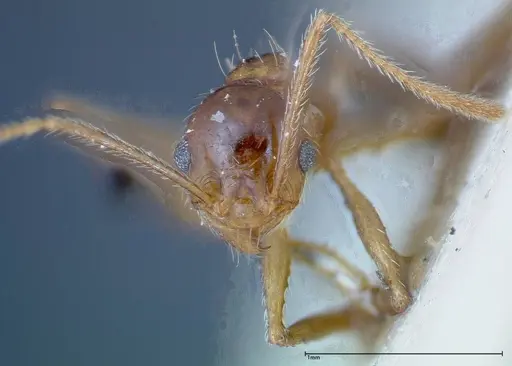
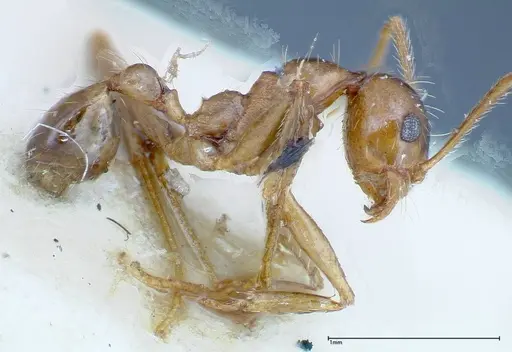
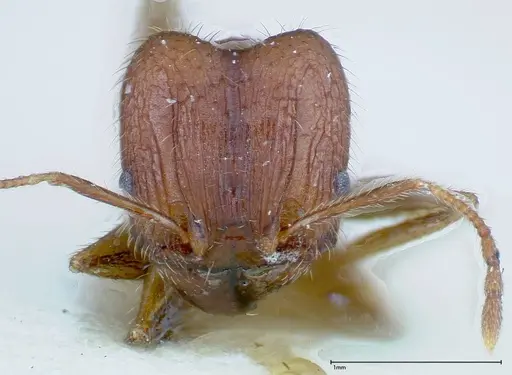
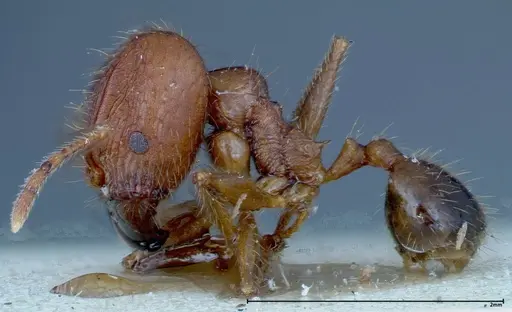
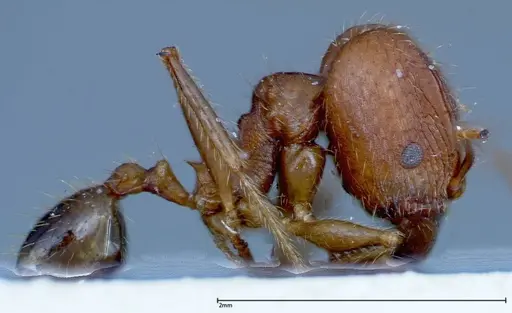
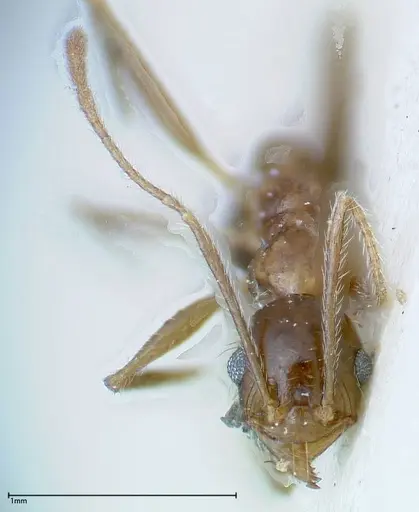
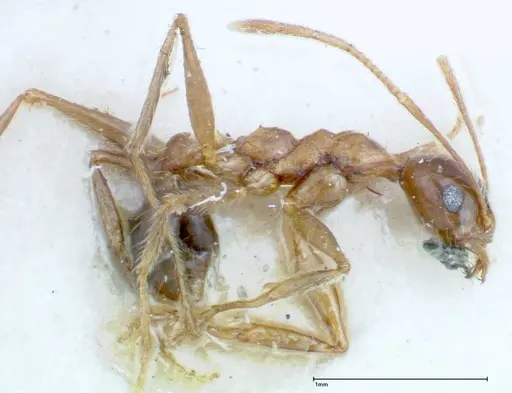
Pheidole ernsti is a small ant species originally described from Taiwan by Forel in 1912. Workers measure approximately 4.2mm and have a distinctive bright rust-red to yellow-red coloration with a brown abdomen and brownish-yellow limbs [1]. This species belongs to the Myrmicinae subfamily and is known for its polymorphic worker caste, with minor workers and larger soldier majors that develop from the same larval pool. The antennae feature a long scape that reaches well into the posterior head quarter, and the species can be distinguished from related species like P. javana by its distinctly broader second petiolar segment [1]. Pheidole ernsti is part of the Indomalaya region fauna, specifically documented from Taiwan.
Quick Summary
- Difficulty: Easy
- Origin & Habitat: Taiwan, documented from the Indomalaya region [2]
- Colony Type: Likely monogyne (single queen) based on typical Pheidole genus patterns. Pheidole species typically establish single-queen colonies.
- Colony: Monogyne
- Founding: Claustral
- Size & Growth:
- Queen: Unknown, not directly measured in available literature
- Worker: Approximately 4.2mm for minor workers [1]
- Colony: Unknown for this specific species, typical Pheidole colonies can reach several thousand workers
- Growth: Moderate, based on typical Pheidole development patterns
- Development: Estimated 6-8 weeks based on typical Pheidole genus development at warm temperatures (Development time is inferred from genus-level data since species-specific measurements are unavailable)
- Antkeeping:
- Temperature: Aim for 22-26°C, this range supports activity and brood development for most Pheidole species. Room temperature within this range is typically suitable.
- Humidity: Moderate humidity around 50-70%. Keep nest substrate slightly moist but not waterlogged. Provide a water source.
- Diapause: Likely required, Taiwan has seasonal temperature changes. Expect a reduced activity period during winter months.
- Nesting: Pheidole ernsti likely nests in soil or under stones in nature. In captivity, standard test tube setups work well for founding colonies, with optional transfer to formicariums as the colony grows. They adapt well to various nest types.
- Behavior: Pheidole ernsti is a generalist forager with typical Pheidole behavior, they recruit to food sources and maintain moderate activity levels. The presence of major workers (soldiers) distinguishes them from many other Myrmicinae. They are not particularly aggressive but will defend their nest. Escape risk is moderate, their 4mm size requires standard barrier precautions but they are not extreme escape artists like some tiny species.
- Common Issues: colonies may fail if kept too cold, maintain warm temperatures for brood development, overfeeding can lead to mold issues in nest setups, major workers (soldiers) may appear alarming to new keepers but are normal and not a sign of colony stress, test tube setups can flood if water reservoirs are overfilled, wild-caught colonies may carry parasites that affect captive survival
Housing and Nest Setup
Pheidole ernsti adapts well to standard ant-keeping setups. For founding colonies, a simple test tube setup with a water reservoir works excellently, fill the tube about one-third with water, plug with cotton, and place the queen in the dark. The queen will seal herself in and raise her first brood in the chamber. Once the colony reaches 20-30 workers, you can consider moving them to a formicarium or naturalistic setup. They do well in acrylic nests, Y-tong nests, or plaster nests with chambers scaled to their size. Provide a connected outworld for foraging. Escape prevention should include standard barriers like fluon on test tube rims or formicarium edges.
Feeding and Diet
Pheidole ernsti is a generalist feeder like most Pheidole species. Offer protein sources such as small insects (fruit flies, small crickets, mealworms), and provide sugar water, honey, or diluted honey as an energy source. They will also collect seeds and may tend aphids for honeydew in more established setups. Feed small prey items that workers can handle, the minor workers at 4.2mm can manage small insects but may need prey cut into pieces. Offer sugar water consistently once workers are active, and provide protein 2-3 times per week. Remove uneaten prey after 24-48 hours to prevent mold.
Temperature and Seasonal Care
Maintain temperatures between 22-26°C for optimal colony health and brood development. Room temperature within this range is typically suitable. Pheidole species are active foragers and benefit from a warm spot in the nest area. During winter months, expect reduced activity as the colony enters a rest period, you can reduce temperatures slightly to around 15-18°C to simulate natural seasonal changes. Do not feed heavily during this rest period. Avoid sudden temperature swings and keep the nest away from direct sunlight or heating elements that could cause overheating.
Colony Development and Growth
Pheidole ernsti produces polymorphic workers, both minor workers and major soldiers develop from the larval stage. The majors typically appear once the colony reaches a certain size, often appearing when the colony has several dozen workers. This is normal colony development, not a sign of stress. The first workers (nanitics) will be smaller than mature workers. Colony growth is moderate, expect 6-8 weeks from egg to first worker at warm temperatures. Growth rate will increase as the colony establishes and begins producing more workers regularly. Major workers appearing is a positive sign indicating healthy colony development.
Frequently Asked Questions
How long does it take for Pheidole ernsti to produce first workers?
Expect first workers (nanitics) to emerge 6-8 weeks after the queen lays eggs, assuming temperatures around 24-26°C. This estimate is based on typical Pheidole genus development patterns since species-specific data is not available.
Can I keep multiple Pheidole ernsti queens together?
Not recommended. Pheidole species are typically single-queen (monogyne) colonies. Combining unrelated queens usually results in fighting. If you capture a founding queen, keep her alone in a test tube setup.
What do Pheidole ernsti eat?
They are generalist feeders, offer small insects (fruit flies, small crickets, mealworms) for protein, and sugar water, honey, or diluted honey for carbohydrates. They may also collect seeds and will tend aphids for honeydew if given the opportunity.
Are Pheidole ernsti good for beginners?
Yes, they are considered a good species for beginners. They are relatively hardy, adapt well to captive conditions, and have straightforward care requirements. Their moderate size and generalist diet make them easier to maintain than some more specialized species.
Do Pheidole ernsti need hibernation?
Likely yes, based on their Taiwan origin where seasonal temperature changes occur. Reduce temperatures to around 15-18°C during winter months and reduce feeding. Do not feed heavily during this rest period.
When should I move Pheidole ernsti to a formicarium?
Move them when the colony reaches 20-30 workers and the test tube is becoming crowded. Make sure the formicarium has appropriately sized chambers and an outworld for foraging. They adapt well to most standard nest types.
Why are some workers much larger than others in my colony?
This is normal for Pheidole species, they are polymorphic. Major workers (soldiers) develop from the same larval pool as minor workers and typically appear once the colony reaches a larger size. The majors have larger heads and are specialized for defense and seed processing.
References

This caresheet is licensed under CC BY-SA 4.0 .
CASENT0907873
View on AntWeb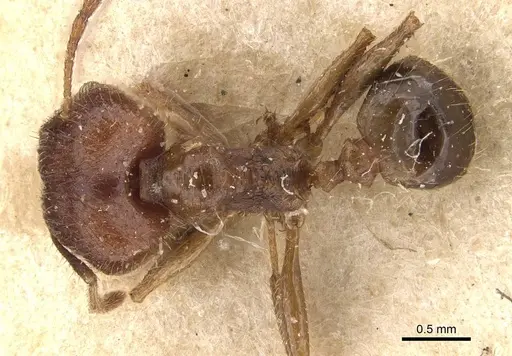
CASENT0907874
View on AntWeb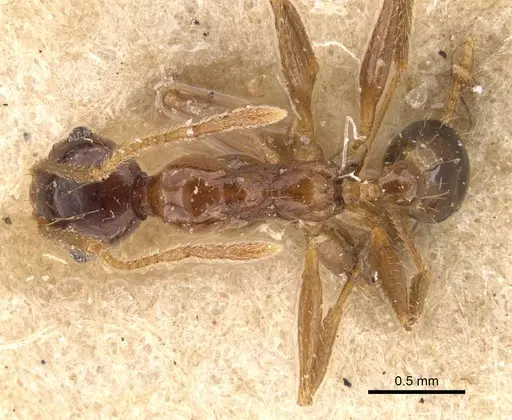
FOCOL0216
View on AntWeb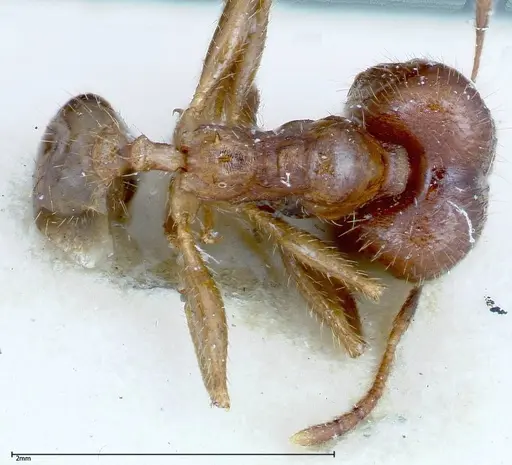
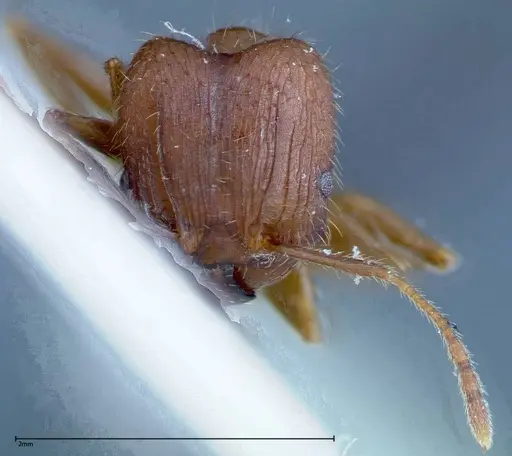
FOCOL0217
View on AntWeb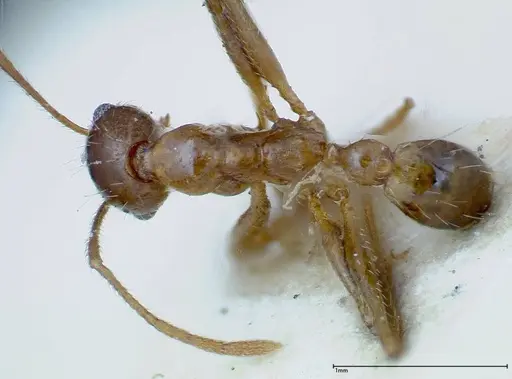
FOCOL0218
View on AntWeb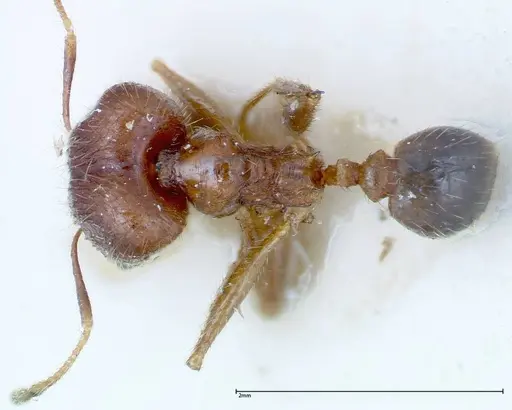
FOCOL0219
View on AntWeb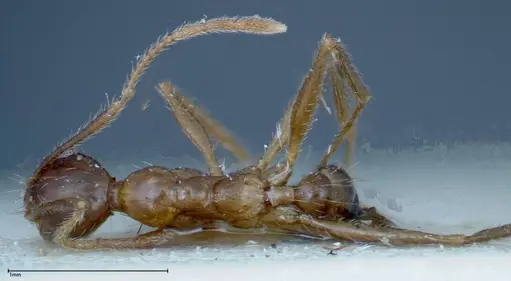
Literature
Loading...Loading products...