

Pheidole epiphyta
- Scientific Name
- Pheidole epiphyta
- Tribe
- Attini
- Subfamily
- Myrmicinae
- Author
- Longino, 2009
- Distribution
- Found in 1 countries
Pheidole epiphyta Overview
Pheidole epiphyta is an ant species of the genus Pheidole. It is primarily documented in 1 countries , including Costa Rica. Detailed taxonomic data and occurrence records can be further explored via authoritative databases such as AntWeb or the Global Biodiversity Information Facility (GBIF).
Pheidole epiphyta
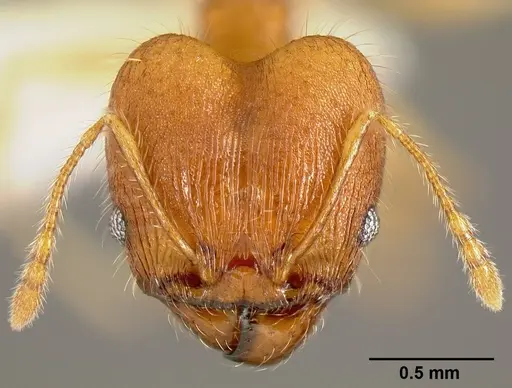
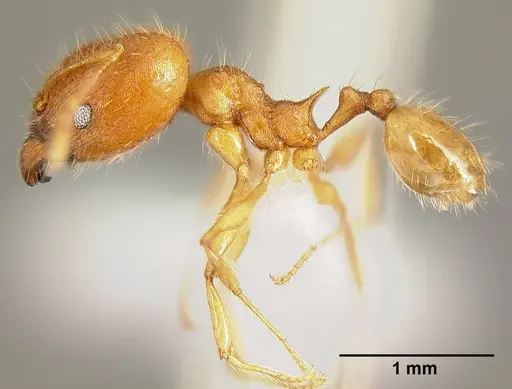
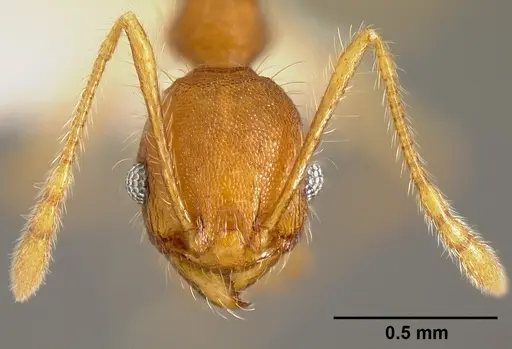
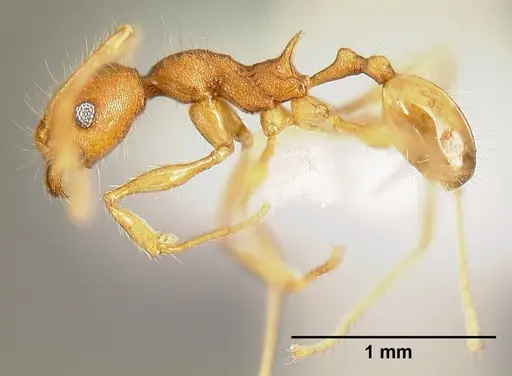
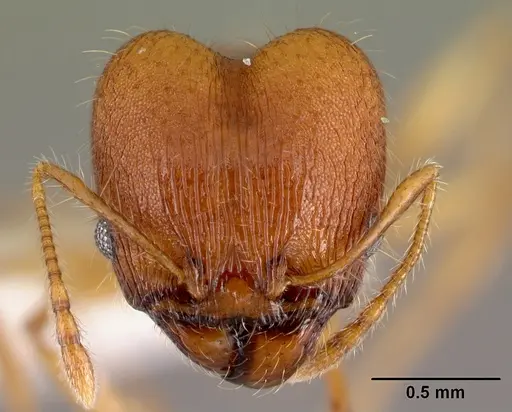
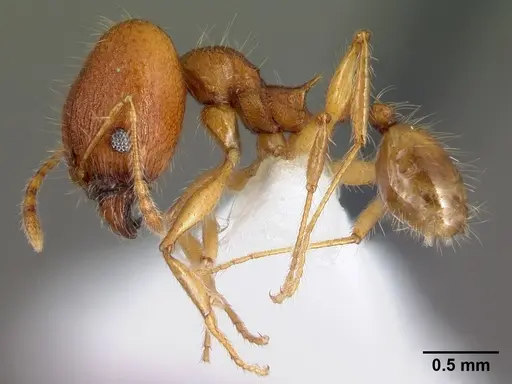
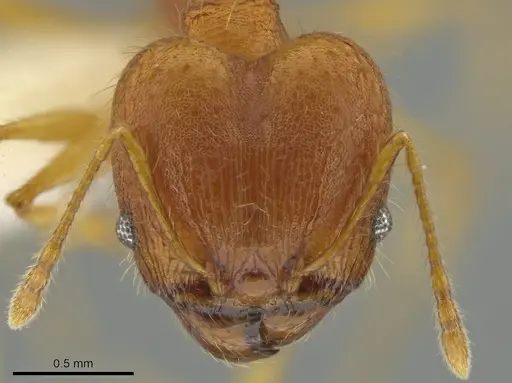
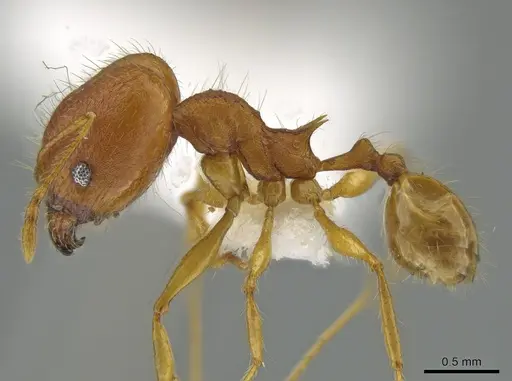
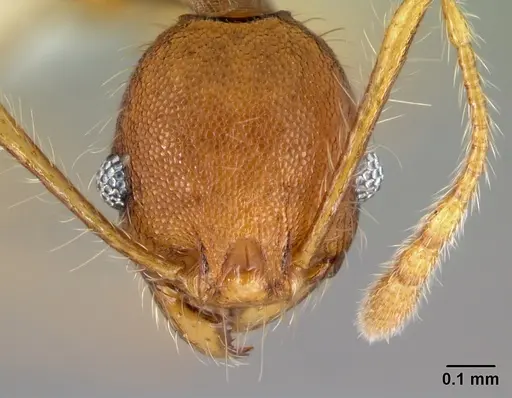
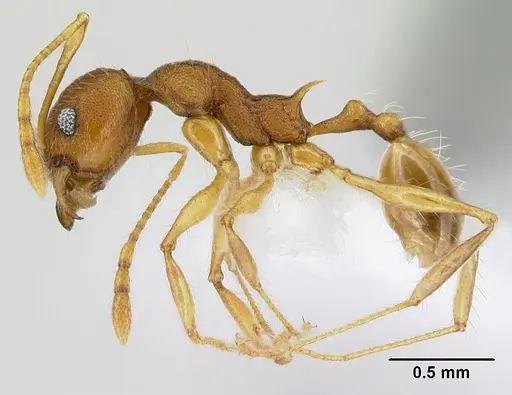
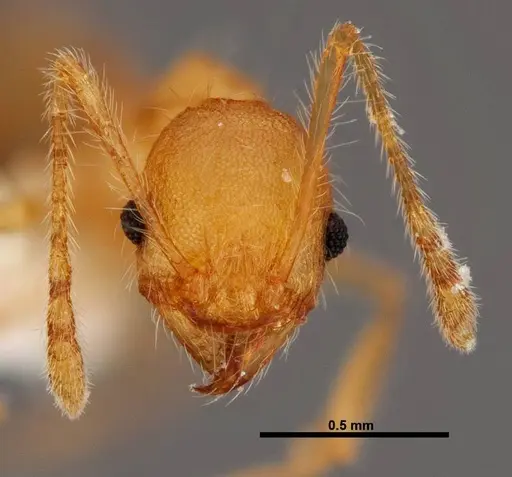
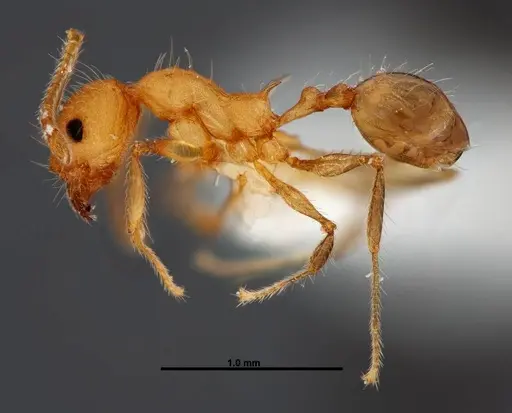
Pheidole epiphyta is a small, bright orange ant native to the wet forests of Costa Rica. The species name 'epiphyta' refers to its unique nesting habit, it builds nests under epiphytes (air plants) growing on trees, specifically in the aftermath of a treefall [1]. Minor workers measure around 0.65mm in head length with notably long scapes and propodeal spines, while major workers (the soldiers) have the characteristic large, cordate (heart-shaped) head typical of Pheidole species, reaching about 1.17mm [2]. The entire body is orange with distinctive foveolate (pitted) sculpture on the face and mesosoma, making them visually striking under magnification. This species is known from a single collection in Costa Rica's mid-elevation wet forest at around 800m elevation [1].
Quick Summary
- Difficulty: Unknown, too little data to assess
- Origin & Habitat: Costa Rica, Alajuela province, Rio Peñas Blancas, at 800m elevation in mid-elevation wet forest [1][2]. The species nests under epiphytes in recently fallen trees [1].
- Colony Type: Colony structure is unconfirmed. Based on typical Pheidole patterns, likely single-queen (monogyne) colonies, but this has not been documented for this specific species.
- Size & Growth:
- Queen: Undescribed, no queen measurements available in the type description [2]
- Worker: Minor workers: 0.65mm head length, major workers: 1.17mm head length [2]
- Colony: Unknown, only known from a single nest collection [1]
- Growth: Unknown, no development data exists for this species
- Development: Unknown, no direct measurements. Based on typical Pheidole development in tropical wet forest species, estimate 6-8 weeks at warm temperatures, but this is a rough guess. (Development timeline has not been studied. Estimate is based on genus-level patterns, not species-specific data.)
- Antkeeping:
- Temperature: Keep at warm room temperature, roughly 22-26°C. This species comes from Costa Rica's wet forest at 800m elevation, which is warm but not hot. A gentle heat gradient allows the colony to self-regulate.
- Humidity: Maintain moderate to high humidity, think damp forest conditions. The wet forest habitat indicates they need moisture. Keep the nest substrate consistently moist but not waterlogged, with some drier areas available.
- Diapause: Unlikely, being a tropical species from Costa Rica, they probably do not require a true hibernation period. However, they may slow down during cooler months.
- Nesting: In nature they nest under epiphytes in rotting wood. For captivity, a Y-tong (AAC) nest or plaster/naturalistic setup works well. They prefer tight, humid chambers. Avoid dry, airy conditions.
- Behavior: Pheidole species are generally non-aggressive and are daytime foragers. They are seed collectors and generalist foragers, though they likely also tend aphids for honeydew. Major workers (soldiers) defend the colony and help process large food items. Escape prevention should be good, while not tiny, they can still squeeze through small gaps. Their bright orange color makes them easy to spot.
- Common Issues: limited data makes care recommendations uncertain, this is one of the least-studied ant species in captivity, single collection means we don't know natural colony size or typical behavior, tropical humidity requirements may be challenging to maintain consistently, origin from a specific microhabitat (epiphytes in treefalls) may indicate specialized needs we don't yet understand
Discovery and Naming
Pheidole epiphyta was first described by ant taxonomist John T. Longino in 2009 from specimens collected in Costa Rica's Alajuela province [1]. The species name 'epiphyta' comes from the Greek word for 'upon plants', a direct reference to this species' unique nesting habit of building nests under epiphytes (air plants) growing on trees [1]. The type series was collected from a nest under epiphytes in a treefall that was less than one month old, making this one of the few ant species documented nesting in such recently created microhabitats [1]. The holotype and paratypes were collected on March 3,2004,by J. Longino (#5284) at Casa Eladio near Rio Peñas Blancas [2].
Identification and Morphology
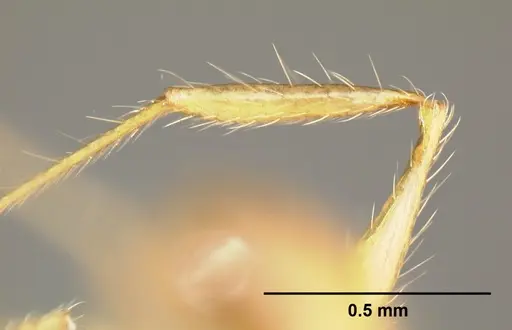
This species is morphologically distinctive among Neotropical Pheidole. Minor workers have a uniformly foveolate (pitted) face and mesosoma, lack a promesonotal groove (the groove separating the pronotum from the mesonotum), and feature unusually long propodeal spines pointing backward [1]. Their scapes (antennal segments) are notably long, and the entire body is a bright orange color. Major workers have the classic Pheidole feature of a strongly cordate (heart-shaped) head, with longitudinal rugae (wrinkles) between the frontal carinae and compound eyes [2]. Both castes have abundant erect setae (bristles) on the body, and the first gastral segment is smooth and shining. The combination of orange color, long propodeal spines, and foveolate sculpture makes this species easily distinguishable from other Costa Rican Pheidole [1].
Natural History and Habitat
Pheidole epiphyta is known only from mid-elevation wet forest in Costa Rica at approximately 800m elevation [1]. The single known nest was found under epiphytes in a very young treefall, less than one month old [1]. This suggests the species may be a pioneer species that colonizes newly created habitats in the forest canopy. The wet forest environment indicates they prefer consistently humid conditions with moderate temperatures. The type locality at Rio Peñas Blancas is in a protected area with intact primary forest [2]. This species appears to be rare or at least rarely collected, possibly due to its arboreal or epiphytic nesting habits that make it difficult to find.
Keeping Pheidole epiphyta in Captivity
Because this species is known from only a single collection in the wild, there is no established care tradition in the antkeeping hobby. However, we can make reasonable inferences from the genus and habitat. Keep them in warm, humid conditions, aim for temperatures in the low-to-mid 20s Celsius with humidity around 60-80%. A Y-tong (AAC) nest or plaster formicarium works well for maintaining humidity. Like other Pheidole, they are likely generalist foragers that will accept seeds, protein foods (insects), and sugar sources (honey water or sugar water). Feed them a varied diet and remove uneaten food to prevent mold. Major workers will help process larger food items. Since we don't know their exact requirements, observe your colony closely and adjust conditions based on their behavior and activity levels.
What We Still Don't Know
Honest antkeeping requires acknowledging uncertainty, and this species has more unknowns than most. We don't know their colony structure (single queen or multiple), founding behavior, development time, maximum colony size, exact temperature and humidity preferences, or nuptial flight timing. The fact that only one nest has ever been collected means even basic biology like colony size in the wild remains a mystery. If you obtain this species, careful observation and documentation of your colony's behavior would contribute valuable information to the antkeeping community. This species represents an opportunity for dedicated keepers to learn things about Pheidole biology that scientists have not yet documented. [1]
Frequently Asked Questions
How do I keep Pheidole epiphyta?
Since this is a poorly known species, care is somewhat speculative. Keep them in a humid setup (Y-tong or plaster nest) at warm temperatures (22-26°C). Maintain moderate to high humidity reflecting their wet forest origin. Feed a varied diet of seeds, protein (insects), and sugar sources.
What do Pheidole epiphyta ants eat?
Like other Pheidole species, they are generalist foragers. Offer seeds, small insects, and sugar water or honey. Remove uneaten food to prevent mold in the humid environment they require.
How big do Pheidole epiphyta colonies get?
Unknown, this species has only been collected once, so we have no data on natural colony sizes. Most Pheidole colonies reach several hundred to a few thousand workers.
Where is Pheidole epiphyta found in the wild?
Only known from Costa Rica, Alajuela province, at the Rio Peñas Blancas at about 800m elevation in mid-elevation wet forest. They nest under epiphytes in treefalls.
Is Pheidole epiphyta a good species for beginners?
No, this is not recommended for beginners. This is one of the least-studied ant species in captivity with almost no available care information. The care requirements are uncertain, and colonies may be difficult to establish.
How long does it take for Pheidole epiphyta to develop from egg to worker?
Unknown, no development data exists for this species. Based on typical Pheidole patterns in tropical environments, estimate roughly 6-8 weeks at warm temperatures, but this is a rough guess.
Do Pheidole epiphyta need hibernation?
Unlikely, being a tropical species from Costa Rica, they probably do not require a true hibernation period. They may slow down during cooler months, but standard room temperature should be suitable year-round.
Can I keep multiple Pheidole epiphyta queens together?
Not enough is known about this species' colony structure to recommend either keeping multiple queens or keeping them alone. Most Pheidole are single-queen species, but this has not been confirmed for P. epiphyta.
What makes Pheidole epiphyta special?
This species is notable for its extremely restricted known distribution (only one collection ever) and its unique nesting habit of building nests under epiphytes in recently fallen trees. The species name 'epiphyta' literally means 'upon plants' and refers to this behavior.
References

This caresheet is licensed under CC BY-SA 4.0 .
CASENT0608898
View on AntWeb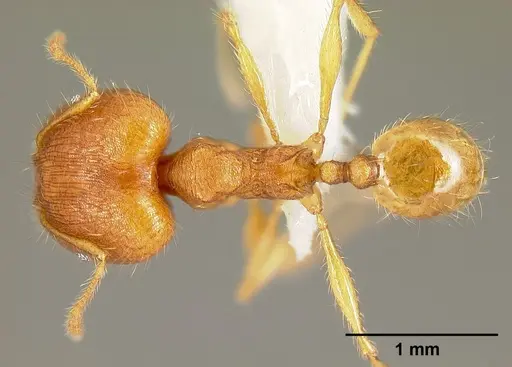
CASENT0608899
View on AntWeb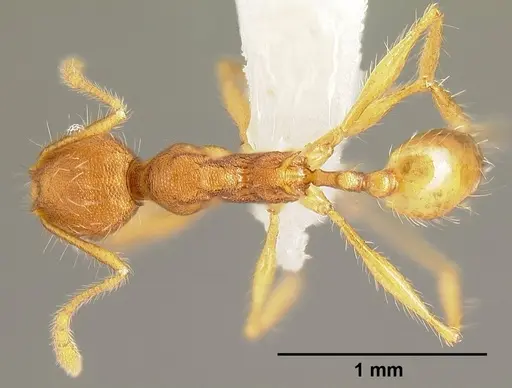
CASENT0608900
View on AntWeb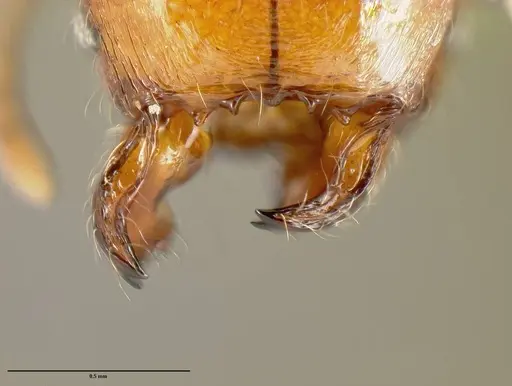
CASENT0608905
View on AntWeb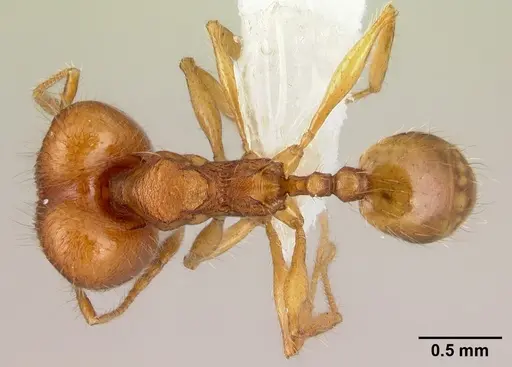
CASENT0608909
View on AntWeb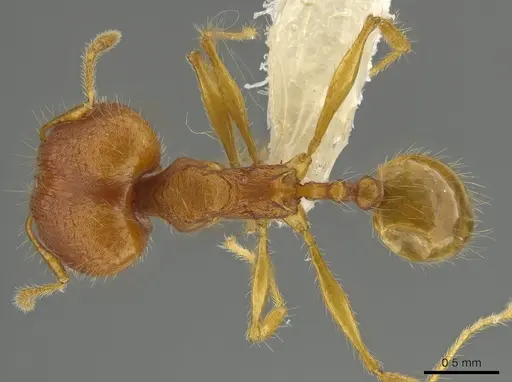
CASENT0608921
View on AntWeb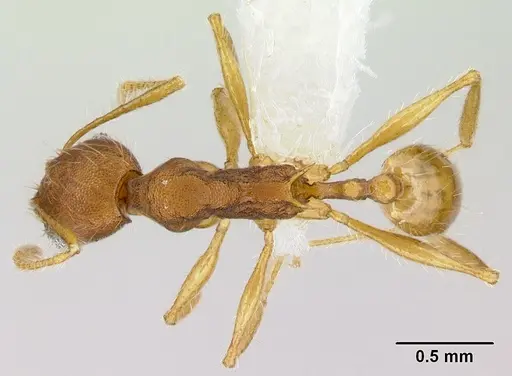
JTLC000005405
View on AntWeb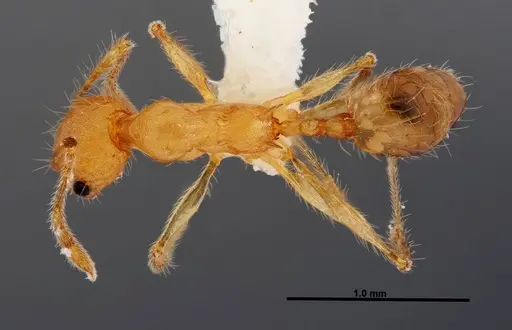
Literature
Loading...Loading products...