

Pheidole ehazoara
- Scientific Name
- Pheidole ehazoara
- Tribe
- Attini
- Subfamily
- Myrmicinae
- Author
- Salata & Fisher, 2020
- Distribution
- Found in 1 countries
Pheidole ehazoara Overview
Pheidole ehazoara is an ant species of the genus Pheidole. It is primarily documented in 1 countries , including Madagascar. Detailed taxonomic data and occurrence records can be further explored via authoritative databases such as AntWeb or the Global Biodiversity Information Facility (GBIF).
Pheidole ehazoara
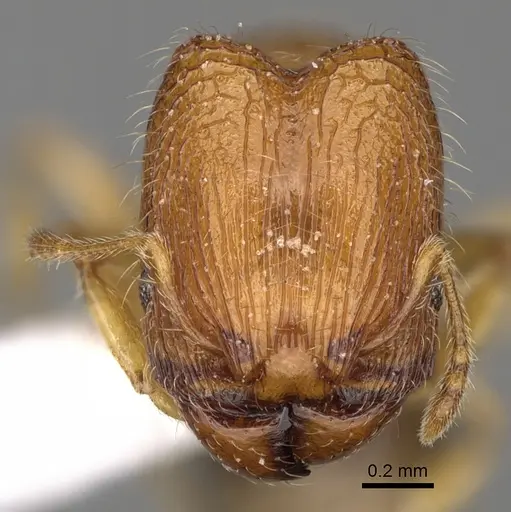
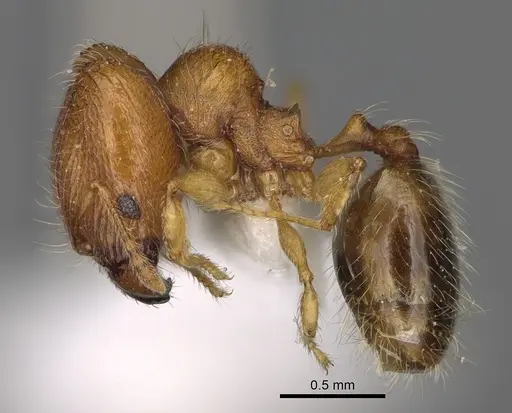
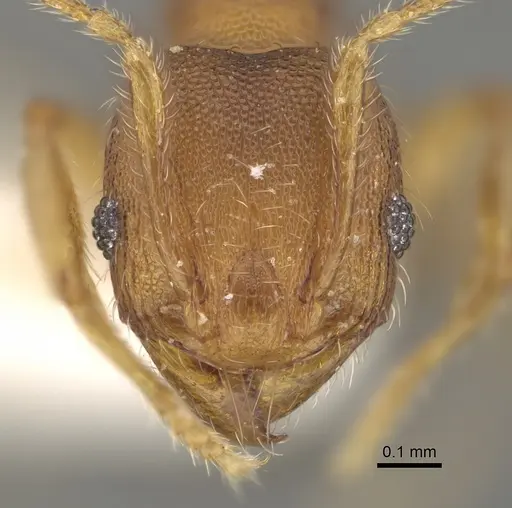
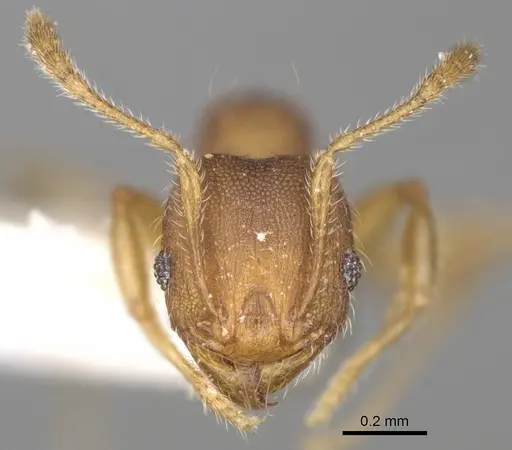
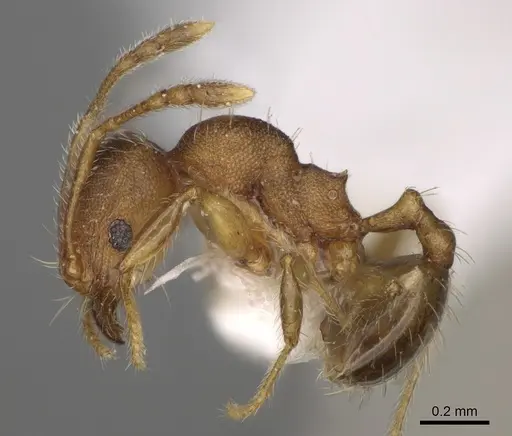
Pheidole ehazoara is a small myrmicine ant species native to Madagascar, belonging to the Pheidole makaensis species group. These ants have the classic Pheidole dimorphism with major and minor workers. Majors measure around 1.08mm head length with distinctive elongated heads covered in dense, very long erect hairs, while minors are much smaller at around 0.5mm. The body is dark yellow in coloration. This species was only recently described in 2020,collected from the Ehazoara Canyon in southwestern Madagascar at 175m elevation in tropical dry rainforest [1]. The species name comes from its type locality (ehazoara).
Quick Summary
- Difficulty: Medium
- Origin & Habitat: Madagascar, specifically the Ehazoara Canyon near Betioky in the Toliara region. They live in tropical dry rainforest at 175m elevation and nest under stones [1][2].
- Colony Type: Colony structure is unconfirmed for this species. Based on typical Pheidole patterns, they likely form single-queen colonies (monogyne), though this has not been directly documented.
- Size & Growth:
- Queen: Unconfirmed, no queen measurements available for this newly described species
- Worker: Majors: 1.07-1.10mm head length, minors: 0.51-0.52mm head length [1]
- Colony: Unknown for this species, typical Pheidole colonies can reach several thousand workers
- Growth: Estimated moderate, Pheidole species typically develop first workers in 6-10 weeks under optimal conditions
- Development: 6-10 weeks (estimated based on typical Pheidole genus development) (This is an estimate based on related Pheidole species. Specific development data for P. ehazoara is not available.)
- Antkeeping:
- Temperature: Keep around 22-26°C. Based on their tropical dry rainforest origin from Madagascar, they prefer warm conditions. A gentle temperature gradient allows workers to regulate their preferred spot.
- Humidity: Moderate to high humidity, they naturally nest under stones in shaded forest floor conditions. Keep the nest substrate moist but not waterlogged, with some drier areas available.
- Diapause: Unknown for this species. Most Madagascar Pheidole species do not require true hibernation but may slow down during cooler periods. Monitor colony activity and adjust feeding accordingly.
- Nesting: In the wild, they nest under stones in tropical dry forest. For captivity, a Y-tong (AAC) nest or plaster nest works well. Provide narrow chambers scaled to their small size. A small water channel or moist cotton for humidity works.
- Behavior: Pheidole species are generally non-aggressive toward humans and focus on foraging for small prey and sugar sources. They have typical Pheidole majors with enlarged heads for seed processing and defense. Escape risk is moderate, their small size means they can squeeze through small gaps, so use fine mesh barriers. They are primarily ground-nesting and likely forage in columns.
- Common Issues: limited species-specific care information, this is a newly described species (2020), escape prevention is important due to their small size, wild-caught colonies may carry parasites that can affect captive survival, slow initial colony growth may lead to overfeeding mistakes, humidity control is critical, too dry causes brood loss, too wet causes mold
Appearance and Identification
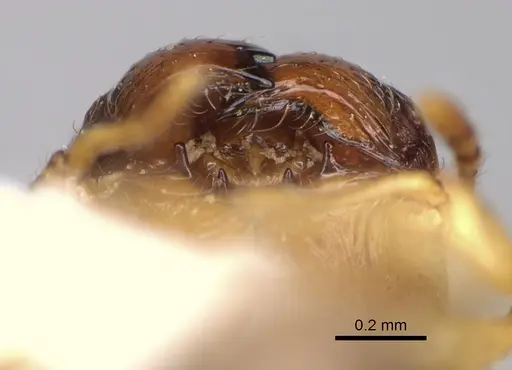
Pheidole ehazoara displays the classic Pheidole dimorphism with two distinct worker castes. Major workers have elongated heads (1.07-1.10mm head length) with dense, very long erect hairs on the sides, and distinctive rugae (wrinkle-like patterns) on the occipital lobes. Their body is dark yellow with brownish markings on the lower malar area and yellowish-brown to brown gaster. Minor workers are much smaller at 0.51-0.52mm head length, with smoother heads that have additional longitudinal rugae on the frons and malar area. The species is part of the Pheidole makaensis group and was formally described in 2020 by Salata and Fisher [1].
Natural History and Nesting
This species is known only from its type locality in southwestern Madagascar, the Ehazoara Canyon,26km east of Betioky in the Toliara region. They were collected at 175m elevation in tropical dry rainforest habitat. The nest was found under a stone, which is typical behavior for many Pheidole species in Madagascar. The dry rainforest environment suggests they prefer shaded, relatively humid microhabitats with stable temperatures. This is a recently described species, so detailed natural history observations are limited [1].
Housing and Nest Setup
For captive care, provide a nest that mimics their natural under-stone nesting preference. Y-tong (acrylic) nests or plaster nests work well for Pheidole species. The chambers should be appropriately sized for their small body size, tight enough that they feel secure but with enough space for colony expansion. Include a water reservoir or moisture source to maintain humidity. Since they nest under stones in the wild, a thin layer of substrate or a small stone on top of the foraging area can provide enrichment. A test tube setup works for founding colonies, then transition to a proper nest once the colony reaches 20-30 workers.
Feeding and Diet
Like most Pheidole species, they likely accept a varied diet including small protein sources and sugar. Offer small live prey such as fruit flies, pinhead crickets, or mealworms (appropriately sized). Sugar water, honey, or commercial ant sweets can be offered as energy sources. In the wild, Pheidole species often forage for seeds and tend honeydew-producing insects, so a varied diet is best. Feed protein 2-3 times per week and provide constant access to sugar water. Remove uneaten prey within 24-48 hours to prevent mold.
Temperature and Seasonal Care
Maintain temperatures around 22-26°C, reflecting their tropical origin in Madagascar's dry rainforest. A temperature gradient allows the colony to self-regulate. Place the nest on one side of the enclosure with gentle heating if room temperature is below 22°C. Avoid temperatures above 30°C as this can stress the colony. Unlike temperate species, they likely do not require a true hibernation period, though activity may slow during cooler periods. Monitor colony behavior, if workers cluster together and show reduced activity, slightly increase temperature. Room temperature within their preferred range is usually sufficient.
Colony Development
Pheidole ehazoara is a newly described species, so specific development timelines are not documented. Based on typical Pheidole genus patterns, expect first workers (nanitics) to emerge 6-10 weeks after the queen lays eggs, assuming optimal temperature around 24-26°C. Initial colony growth is typically slow, the queen raises the first brood alone. Once workers emerge, growth accelerates as they assist with foraging and brood care. Major workers typically appear later in colony development, once the colony has reached several dozen workers. A mature colony may contain several thousand workers.
Frequently Asked Questions
How long does it take for Pheidole ehazoara to produce first workers?
Specific data is not available for this newly described species. Based on typical Pheidole development, expect 6-10 weeks from egg to first worker at optimal temperatures (24-26°C). The queen will raise the first brood alone in her claustral chamber.
What do Pheidole ehazoara ants eat?
They likely accept a standard Pheidole diet: small live prey (fruit flies, small crickets, mealworms), sugar water, honey, and commercial ant sweets. Offer protein 2-3 times weekly and keep sugar water available constantly.
What temperature do Pheidole ehazoara ants need?
Keep them at 22-26°C. Their origin in Madagascar's tropical dry rainforest indicates they prefer warm conditions. Room temperature within this range is typically suitable.
Are Pheidole ehazoara ants good for beginners?
This species is rated as Medium difficulty. While Pheidole in general are considered beginner-friendly, this specific species has limited documented care information since it was only described in 2020. Start with a well-established species if you're new to antkeeping.
How big do Pheidole ehazoara colonies get?
Colony size is not documented for this species. Based on typical Pheidole patterns, mature colonies likely reach several thousand workers over 2-4 years.
Can I keep multiple Pheidole ehazoara queens together?
Colony structure is unconfirmed for this species. Most Pheidole species are monogyne (single queen). Combining unrelated foundress queens is not recommended unless documented as pleometrotic for this species.
What type of nest is best for Pheidole ehazoara?
A Y-tong (AAC) nest or plaster nest works well. They naturally nest under stones, so provide a setup with moist substrate and narrow chambers scaled to their small size. Test tubes work for founding colonies.
Do Pheidole ehazoara ants need hibernation?
Diapause requirements are unknown for this species. Given their Madagascar tropical origin, they likely do not require true hibernation. They may show reduced activity during cooler periods but should not enter full dormancy.
Why are my Pheidole ehazoara ants dying?
Common causes include: improper humidity (too dry or too wet), temperature stress, mold from overfeeding, or parasites from wild-caught colonies. Ensure proper hydration, remove uneaten food promptly, and maintain stable temperatures. If the colony was wild-caught, parasites are a common issue.
References

This caresheet is licensed under CC BY-SA 4.0 .
CASENT0872059
View on AntWeb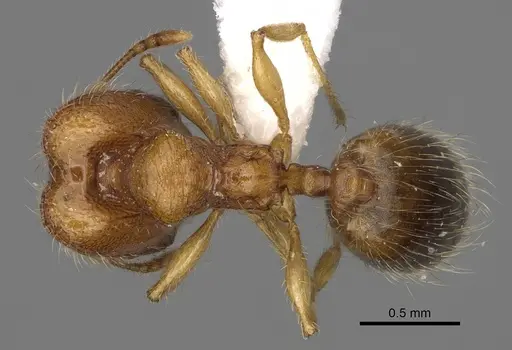
CASENT0923186
View on AntWeb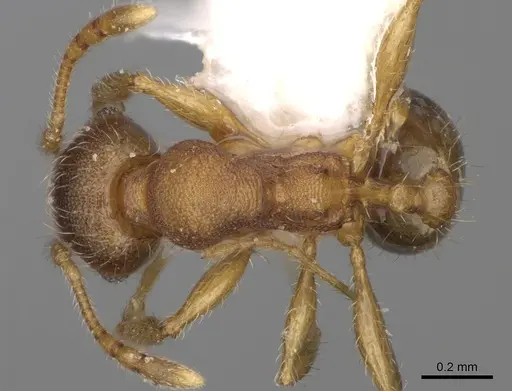
Literature
Loading...Loading products...