

Pheidole ectatommoides
- Scientific Name
- Pheidole ectatommoides
- Tribe
- Attini
- Subfamily
- Myrmicinae
- Author
- Wilson, 2003
- Distribution
- Found in 5 countries
Pheidole ectatommoides Overview
Pheidole ectatommoides is an ant species of the genus Pheidole. It is primarily documented in 5 countries , including Colombia, Costa Rica, Ecuador. Detailed taxonomic data and occurrence records can be further explored via authoritative databases such as AntWeb or the Global Biodiversity Information Facility (GBIF).
Pheidole ectatommoides
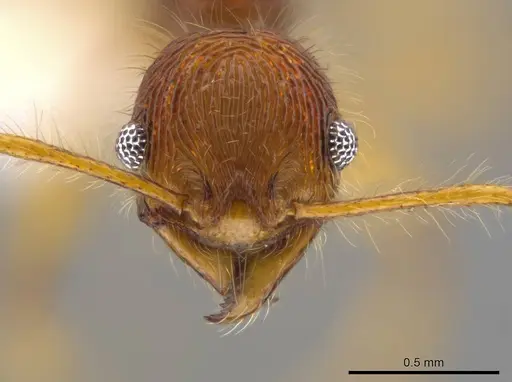
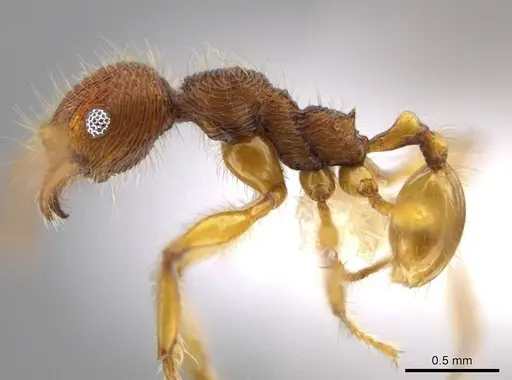
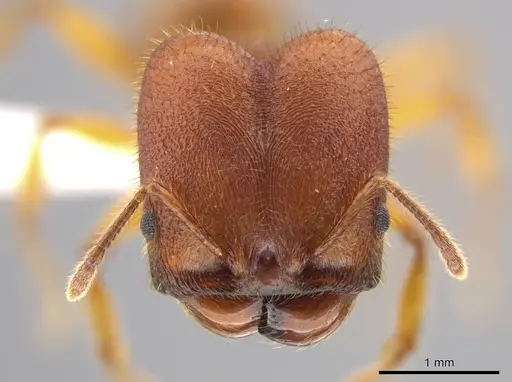
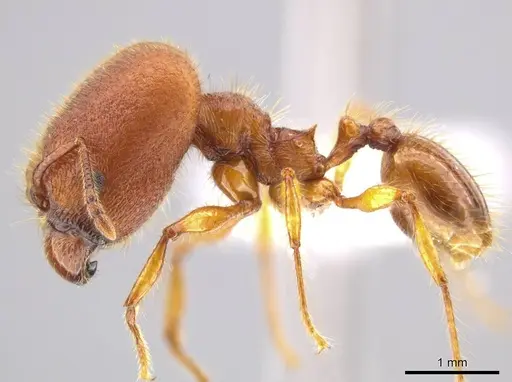
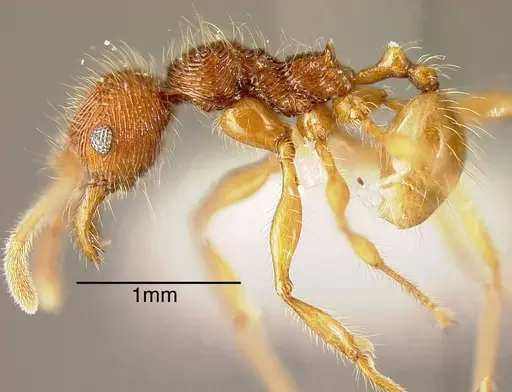
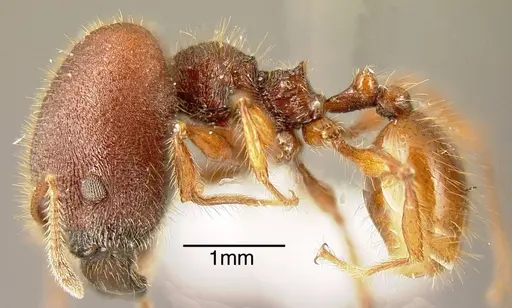
Pheidole ectatommoides is a dimorphic Myrmicinae ant native to the Neotropical region, ranging from Nicaragua through Costa Rica, Panama, Colombia, to Ecuador. The species is highly distinctive, with major workers measuring 1.98mm head width and minor workers at 0.74mm head width [1]. Coloration is reddish-brown in majors with yellowish appendages, while minors are more uniformly yellowish [1]. This species is instantly recognizable by its unique sculpturing pattern, especially on the minor worker, which resembles ectatommoid ponerine ants, hence the species name 'ectatommoides' [1]. Workers forage at night on the ground and fallen branches in forest habitats, and notably store seeds in their nests, making them seed-harvesting ants [2].
Quick Summary
- Difficulty: Medium
- Origin & Habitat: Neotropical region, Nicaragua, Costa Rica, Panama, Colombia (Chocó), and Ecuador. Found on the Atlantic slope in Costa Rica, in forest habitats [2][1].
- Colony Type: Monogyne (single queen) colonies with major and minor worker castes. Pheidole species typically form single-queen colonies with dimorphic workers [2].
- Colony: Monogyne
- Founding: Claustral
- Size & Growth:
- Queen: Not directly measured in available literature, Pheidole queens are typically 7-12mm. Estimated based on genus patterns.
- Worker: Major: HW 1.98mm, Minor: HW 0.74mm [1].
- Colony: Unknown for this specific species, typical Pheidole colonies reach several hundred to a few thousand workers.
- Growth: Moderate, based on typical Pheidole development patterns
- Development: 6-10 weeks estimated based on typical Pheidole genus development at tropical temperatures [2]. (Development time inferred from related species, direct measurements not available for this species.)
- Antkeeping:
- Temperature: Keep at 24-28°C, these are Neotropical ants that prefer warm conditions. A heating cable on one side of the nest creates a suitable gradient [2].
- Humidity: Keep substrate moderately moist. Forest-floor species that tolerate humidity ranges of 60-80%. Provide a water tube for drinking water.
- Diapause: No, as a Neotropical species, they do not require hibernation. Maintain consistent warm temperatures year-round [2].
- Nesting: Naturalistic setup with soil substrate works well. They nest in the ground and store seeds, so provide deep substrate for nest chambers. Y-tong or plaster nests with moisture chambers are suitable alternatives.
- Behavior: Nocturnal foragers, workers emerge at night to search for seeds and small prey [2]. They are not aggressive toward keepers but major workers can deliver mild bites with their large mandibles. Escape prevention should be good, they are medium-sized ants but can climb smooth surfaces. Watch for escape attempts, especially minor workers which are smaller.
- Common Issues: seed caches can mold if substrate becomes too wet, balance moisture carefully, nocturnal activity means you may not see them foraging until evening, don't mistake this for inactivity, colonies may decline if not provided with enough seed variety, they are seed harvesters by nature, major workers are relatively large and need space in the outworld to move freely, wild-caught colonies may have parasites, quarantine and observe new colonies carefully
Nest Preferences and Housing
In the wild, Pheidole ectatommoides nests in forest floor soil and forages on the ground and low vegetation. They are ground-nesting ants that store seeds in their nests, so provide deep substrate (at least 5-10cm) for them to create chambers. A naturalistic setup with a soil mixture works well, use a blend of sand and organic soil to maintain structure. Alternatively, Y-tong (acrylic) nests with moisture chambers provide good visibility and humidity control. If using a formicarium, ensure chambers are appropriately sized, major workers need wider tunnels while minors can use standard passages. Always connect the nest to an outworld with a proper tube or bridge. [1][2]
Feeding and Diet
Pheidole ectatommoides is primarily a seed-harvester, in the wild, they collect and store seeds in their nests [2]. Provide a variety of small seeds appropriate for their size, such as grass seeds, millet, or commercial ant seed mixes. They will also accept protein sources like small insects (fruit flies, pinhead crickets, mealworms) and can be offered sugar water or honey as an energy source. Feed seeds continuously as a staple, with protein prey 2-3 times per week. Remove uneaten seeds periodically to prevent mold. Minor workers will handle most foraging, while majors use their large mandibles to process larger food items.
Temperature and Seasonal Care
As a Neotropical species from Costa Rica, Panama, and Colombia, these ants require warm temperatures year-round. Keep the nest area at 24-28°C for optimal brood development. A heating cable placed on one side of the nest creates a temperature gradient that allows ants to self-regulate. Avoid temperatures below 22°C for extended periods, as this can slow development and weaken the colony. Unlike temperate species, they do not require hibernation or diapause, maintain consistent warm conditions throughout the year. Room temperature in heated homes is often suitable, but monitor with a thermometer. [2]
Behavior and Colony Dynamics
This species is nocturnal, workers forage primarily at night on the ground and fallen branches [2]. You may notice increased activity in the evening hours. Colonies are dimorphic with distinct major and minor worker castes: majors have large heads with powerful mandibles for seed processing and defense, while minors handle most daily tasks like foraging and brood care. Pheidole ectatommoides is not particularly aggressive toward keepers, but majors can deliver a mild bite if threatened. The colony will grow over time as the queen continues laying eggs and more workers emerge. Major workers typically appear after the colony reaches a moderate size.
Humidity and Water
Keep the nest substrate moderately moist but not waterlogged. Forest-floor ants from humid tropical regions, they prefer humidity levels around 60-80%. The substrate should feel damp to the touch but not drip water. Provide a constant water source, a test tube with a cotton ball or a small water dish in the outworld ensures they have access to drinking water. In Y-tong or plaster nests, a moisture chamber helps maintain humidity. Monitor for condensation, some condensation is good, but excessive moisture leads to mold problems. Allow the substrate surface to dry slightly between water additions. [2]
Frequently Asked Questions
How long does it take for Pheidole ectatommoides to have first workers?
Expect first workers (nanitics) in approximately 6-10 weeks after the queen lays eggs, assuming optimal temperatures around 26°C. This is an estimate based on typical Pheidole genus development, direct measurements for this species are not available.
What do Pheidole ectatommoides ants eat?
They are seed-harvesting ants. Offer small seeds like grass seeds, millet, or commercial ant seed mixes as a staple. They also accept protein sources like small insects (fruit flies, pinhead crickets) and will take sugar water or honey for energy.
What temperature do Pheidole ectatommoides need?
Keep them warm at 24-28°C. These Neotropical ants do not tolerate cool temperatures well. Use a heating cable on one side of the nest to create a gradient if your room temperature is below this range.
Can I keep multiple Pheidole ectatommoides queens together?
No, Pheidole species are typically monogyne (single queen). Combining unrelated queens typically results in fighting. Only keep one queen per colony.
When should I move my colony to a formicarium?
Move to a formicarium once the colony reaches 30-50 workers and the test tube space becomes cramped. Ensure the formicarium has appropriately sized chambers and passages for both major and minor workers.
Do Pheidole ectatommoides need hibernation?
No, as a Neotropical species from Costa Rica and surrounding countries, they do not require hibernation. Maintain warm temperatures year-round.
How big do Pheidole ectatommoides colonies get?
Colony size is not documented specifically for this species, but typical Pheidole colonies reach several hundred to a few thousand workers over time.
Why are my Pheidole ectatommoides not coming out?
They are nocturnal foragers, they may be active but you simply aren't seeing them because they come out at night. Check in the evening with a red light to observe their activity.
Are Pheidole ectatommoides good for beginners?
They are rated as medium difficulty. They require warm temperatures and proper humidity, but their seed-harvesting diet is straightforward. They are more demanding than common temperate species but manageable for intermediate antkeepers.
References

This caresheet is licensed under CC BY-SA 4.0 .
CASENT0613731
View on AntWeb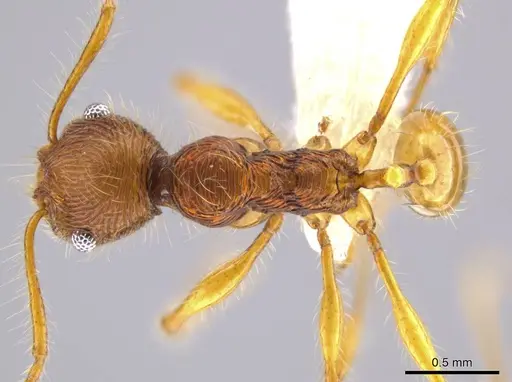
CASENT0619909
View on AntWeb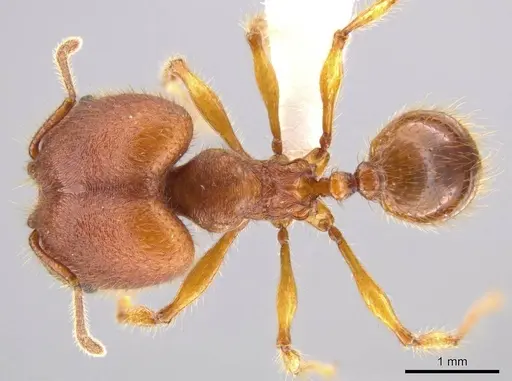
CASENT0635461
View on AntWeb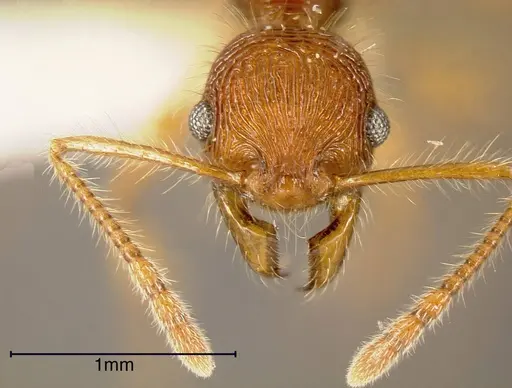
INBIOCRI001282134
View on AntWeb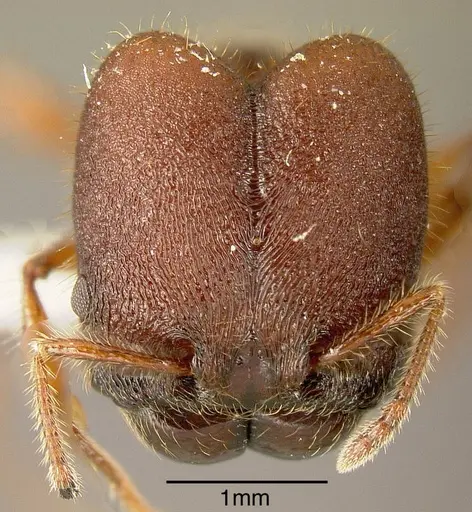
Literature
Loading...Loading products...