

Pheidole dugasi
- Scientific Name
- Pheidole dugasi
- Tribe
- Attini
- Subfamily
- Myrmicinae
- Author
- Forel, 1911
- Distribution
- Found in 1 countries
Pheidole dugasi Overview
Pheidole dugasi is an ant species of the genus Pheidole. It is primarily documented in 1 countries , including Thailand. Detailed taxonomic data and occurrence records can be further explored via authoritative databases such as AntWeb or the Global Biodiversity Information Facility (GBIF).
Pheidole dugasi
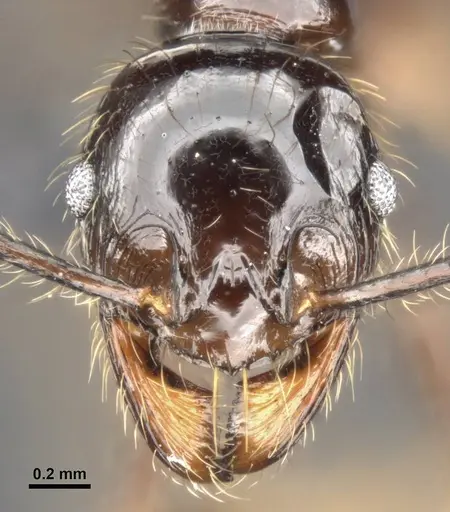
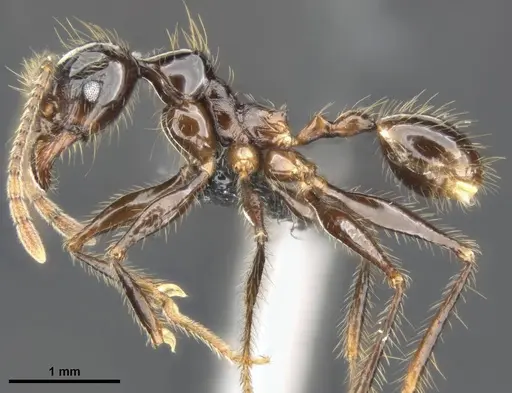
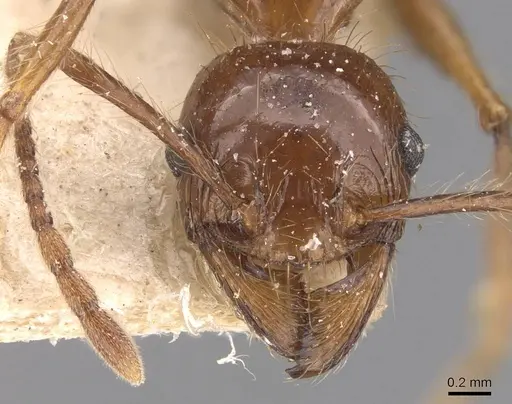
Pheidole dugasi is a large Indo-Chinese species known for its extremely big-headed major workers. The majors can reach 3.6mm in head length, making them among the largest in the genus. They have a distinctive 3-segmented antennal club and longitudinal-rugulae running across the frons. Minors are much smaller at around 1mm head length with a smooth head dorsum. This species is found across Vietnam, southern China, Thailand, and Laos, typically nesting underground in woody gardens and forest edges. A fascinating behavior: majors serve as repletes, storing food in their expanded abdomens, and workers have been observed collecting seeds directly from mammal feces, a unique foraging strategy among ants [1][2].
Quick Summary
- Difficulty: Medium
- Origin & Habitat: Vietnam, southern China, Thailand, and Laos. Typically nests underground in woody gardens and forest edges [1][2].
- Colony Type: Single-queen colonies (monogyne). Colonies contain distinct major and minor worker castes [1].
- Colony: Monogyne
- Founding: Claustral
- Size & Growth:
- Queen: Unknown, not directly measured in available literature
- Worker: Majors: 3.38-3.60mm head length, Minors: 0.97-1.19mm head length [1]
- Colony: Unknown, typical Pheidole colonies likely reach several hundred workers
- Growth: Moderate, inferred from related Pheidole species
- Development: 6-10 weeks (estimated based on typical Pheidole development) (Development time is estimated from related species in the genus)
- Antkeeping:
- Temperature: Keep around 24-28°C. This species comes from tropical/subtropical regions, so warmth supports activity and brood development. A gentle gradient with a heating cable on one side of the nest works well.
- Humidity: Moderate to high. They nest underground, so keep the nest substrate consistently moist but not waterlogged. Provide a moisture gradient so ants can choose their preferred humidity.
- Diapause: Likely no true diapause, being a tropical/subtropical species, they probably remain active year-round with stable temperatures. However, slight reduction in temperature during cooler months may be appropriate.
- Nesting: Underground nester, they do best in nests with soil or compactable substrate. Y-tong nests with chambers scaled to their size work well, or a naturalistic setup with soil. Provide deep enough chambers for majors to serve as repletes.
- Behavior: This species has distinct major and minor workers. Majors serve as repletes, storing liquid food in their abdomens, this is a notable trait for Pheidole. Workers are active foragers and have been observed retrieving seeds from mammal feces, showing they can exploit unusual food sources. They are not aggressive but majors will defend the colony. Escape prevention should be moderate, they are larger ants but still use standard barriers.
- Common Issues: replete majors may drown in water reservoirs if tubes are overfilled, use proper setup, tropical species may struggle if temperatures drop too low, seed-eating behavior means they may ignore some protein foods, offer varied diet, colonies may be slow to establish due to claustral founding
Appearance and Caste Structure
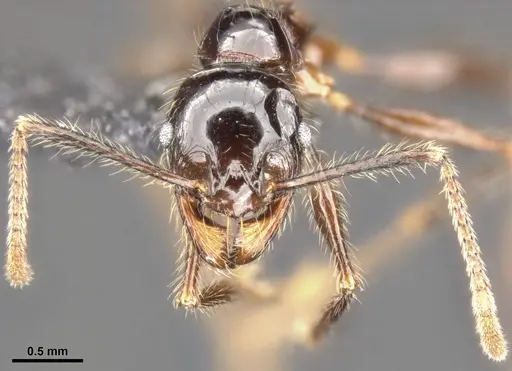
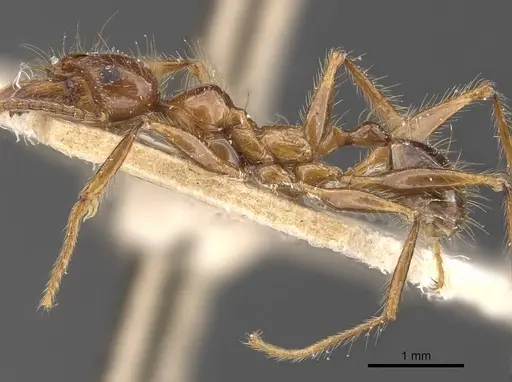
Pheidole dugasi is a dimorphic species with two distinct worker castes. Major workers are remarkably large, with head lengths reaching 3.6mm, among the largest in the genus. Their heads have distinctive longitudinal-oblique rugulae running from the frons to the vertexal lobes. They lack frontal carinae and antennal scrobes, and have a 3-segmented antennal club. Minor workers are much smaller at around 1mm head length with a largely smooth head dorsum. The size difference between castes is dramatic, majors are roughly 3 times larger than minors in head size [1][2].
Natural History and Foraging
This species typically nests underground in woody gardens and forest edges across its range in Vietnam, southern China, Thailand, and Laos. A particularly interesting behavior: majors serve as repletes, storing liquid food in their expanded abdomens like living food reservoirs. In southern Vietnam's Cat Tien National Park, researchers observed masses of workers actively retrieving seeds from mammal feces, this unusual foraging strategy shows they can exploit diverse food sources. In captivity, they likely accept standard ant foods including proteins, sugars, and seeds [1][2].
Temperature and Housing
As a tropical to subtropical species from Southeast Asia, Pheidole dugasi prefers warm conditions around 24-28°C. Room temperature within this range works well, otherwise use a heating cable on part of the nest to create a temperature gradient. They nest underground, so provide a nest with soil or compact substrate that holds moisture. Y-tong nests with appropriately sized chambers work well, or you can use a naturalistic setup with deep soil. Keep the substrate consistently moist but not waterlogged, underground nests mean they expect some humidity but not saturation. Provide a water test tube as a drinking source.
Feeding and Diet
Based on field observations of seed retrieval from mammal feces, this species is omnivorous with ability to process seeds. Offer a varied diet: protein sources like mealworms, crickets, or other small insects. They will likely accept sugar water or honey as well. The seed-eating behavior suggests they can handle harder foods too. Feed protein 2-3 times per week and keep sugar water available constantly. The replete behavior in majors means they can store liquid food for the colony, this is normal and beneficial. [1][2]
Colony Development
Pheidole species are typically claustral founders, the queen seals herself in a chamber and raises the first brood alone using stored fat reserves. Expect 6-10 weeks from egg to first worker (nanitics), though this is estimated from related species. Initial colony growth is slow as the queen raises the first batch alone. Once workers emerge, growth accelerates as the colony can now forage and care for more brood. The distinct major caste typically appears once the colony reaches moderate size, majors are resource-intensive to produce, so the colony waits until it can support them.
Frequently Asked Questions
How long does it take for Pheidole dugasi to produce first workers?
Expect 6-10 weeks from egg to first worker. This is estimated from related Pheidole species since specific development data isn't available. The queen will raise the first brood alone in her claustral chamber.
What do Pheidole dugasi ants eat?
They are omnivorous. Based on their seed-retrieving behavior in the wild, offer protein (insects like mealworms or crickets), sugar sources (honey or sugar water), and seeds. Feed protein 2-3 times per week with sugar constantly available.
Are Pheidole dugasi good for beginners?
They are medium difficulty. The claustral founding period requires patience, but once established they are relatively straightforward. They need warm temperatures and moderate humidity, typical for tropical species.
Do Pheidole dugasi majors serve as repletes?
Yes. In the wild, major workers function as repletes, storing liquid food in their abdomens to share with the colony. This is a normal and beneficial behavior, do not be concerned if majors appear engorged.
What temperature do Pheidole dugasi ants need?
Keep them warm at 24-28°C. This tropical species does best with stable warmth. Room temperature in this range works, or use a heating cable on part of the nest to create a gradient.
How big do Pheidole dugasi colonies get?
Colony size is not directly documented, but typical Pheidole colonies reach several hundred workers. The distinct major caste typically appears once the colony reaches moderate size.
What type of nest does Pheidole dugasi need?
They nest underground in nature, so they do well in nests with soil or compact substrate. Y-tong nests with appropriately sized chambers work, or a naturalistic setup with deep soil that holds moisture.
Where is Pheidole dugasi found in the wild?
This species is found in Vietnam, southern China, Thailand, and Laos. They typically nest underground in woody gardens and forest edges.
Can I keep multiple Pheidole dugasi queens together?
No. This is a monogyne species with single-queen colonies. Multiple unrelated queens will fight. Only keep one queen per colony.
References

This caresheet is licensed under CC BY-SA 4.0 .
CASENT0284030
View on AntWeb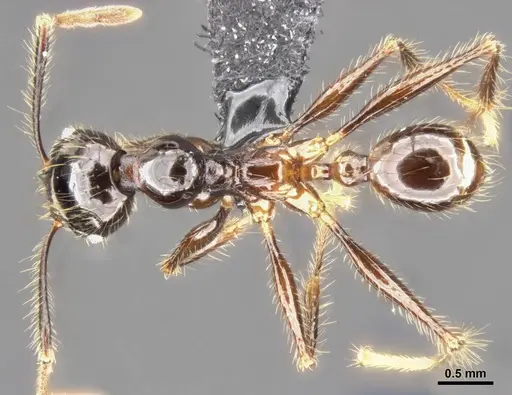
CASENT0907872
View on AntWeb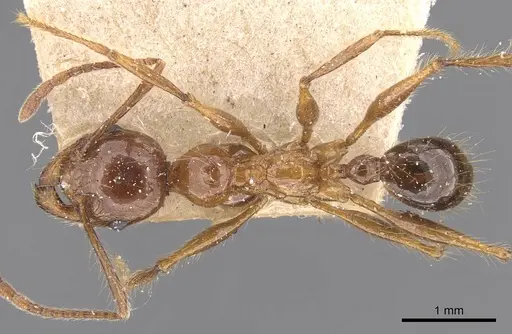
Literature
Loading...Loading products...