

Pheidole dossena
- Scientific Name
- Pheidole dossena
- Tribe
- Attini
- Subfamily
- Myrmicinae
- Author
- Wilson, 2003
- Distribution
- Found in 5 countries
Pheidole dossena Overview
Pheidole dossena is an ant species of the genus Pheidole. It is primarily documented in 5 countries , including Costa Rica, Guatemala, Honduras. Detailed taxonomic data and occurrence records can be further explored via authoritative databases such as AntWeb or the Global Biodiversity Information Facility (GBIF).
Pheidole dossena - "Clown Pheidole"
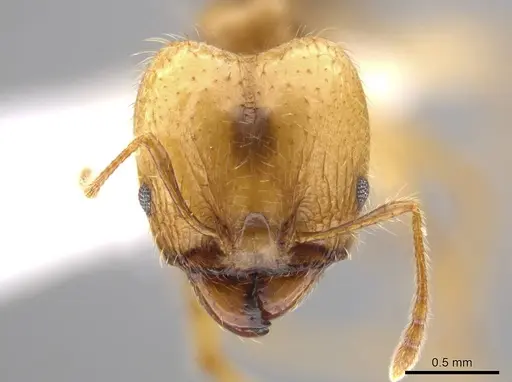
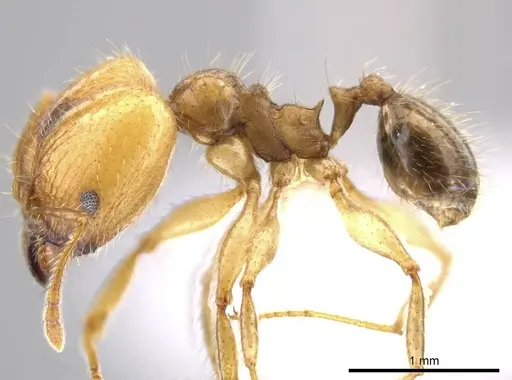
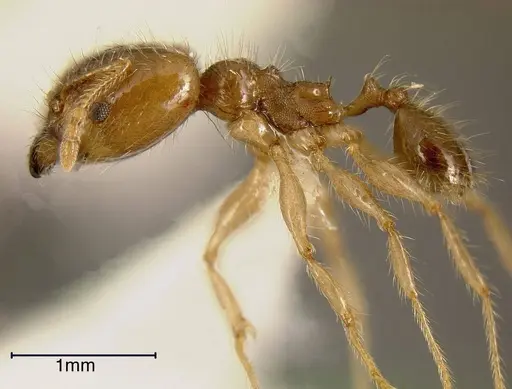
Pheidole dossena is a fascinating ant species belonging to the 'big-headed ant' genus, Pheidole. They are notable for their distinct worker castes: smaller minor workers and larger-headed major workers, sometimes called 'soldiers'. Minor workers are typically brownish-yellow, while majors have a unique light brownish-yellow body with a conspicuous circular brown spot on the center of their head, earning them the 'clown' moniker. Their appendages are clear yellow. These ants are active scavengers and can exhibit interesting behaviors within the colony, with minors often tending to the brood and majors assisting with defense and processing larger food items. The majors are known for their disproportionately large heads and mandibles, perfectly adapted for crushing tough prey or seeds.
- Difficulty: Medium
- Origin & Habitat: Central America (southern Mexico, Belize, Guatemala, Honduras, Costa Rica, Nicaragua, and Panama) in Lowland rainforest floors, nesting in rotting wood..
- Colony Type: Monogyne, claustral founding.
- Size & Growth:
- Queen: Not specified
- Worker: 0.52-1.22mm
- Colony: Medium (thousands). Medium growth.
- Antkeeping:
- Temperature: Optimal temperature range is between 24-28°C. Providing a heat gradient with a warm spot can encourage faster brood development..
- Humidity: These ants prefer a somewhat moist nest, with humidity levels ideally maintained at 50-70% in the nest. The outworld can be slightly drier, around 50-70%..
- Diapause: Not required. Not specified at Not specified.
- Nesting: Pheidole dossena naturally nests in rotting wood on the forest floor, so a setup mimicking this environment is ideal. They thrive in formicariums with separate chambers to accommodate their division of labor, with soil or sand substrates recommended. A test tube setup is suitable for founding colonies..
- Behavior: Medium (towards food or other ants, generally shy towards handler) aggressiveness.
- Common Issues: Mold in nest, Mites, Colony stalling, Overfeeding leading to waste, Humidity fluctuations, Escape artists.
Pheidole dossena, like many 'big-headed ant' species, is polymorphic, meaning their colonies feature distinct minor and major worker castes. Minor workers are generally responsible for brood care and foraging, while the majors, with their disproportionately large heads and strong mandibles, are crucial for defense, crushing larger food items, and even acting as a form of 'living pantry' for the colony. Observing the interaction and specialized roles within a Pheidole dossena colony is truly captivating for any ant keeper.
While Pheidole species are often associated with seed-harvesting, Pheidole dossena are primarily scavengers in their natural habitat, feeding on a wide range of prey. Although they might take seeds, it's important to provide them sparingly in captivity as Pheidole often lack the instinct to properly store seeds to prevent germination, which can lead to mold issues in your formicarium. Focus on a balanced diet of insects and sugar sources.
Due to their small size and active nature, Pheidole dossena can be quite adept escape artists. It's crucial to ensure your formicarium has a secure barrier and no potential escape routes. They can quickly squeeze through tiny gaps, so micro-species secure nests and a good barrier are highly recommended to prevent your colony from making an unexpected trek across your home.
Pheidole queens typically establish their colonies claustraly, meaning the queen relies on her own fat and protein reserves to sustain her first brood until the nanitics emerge. During this crucial founding stage, it's best to keep the queen in a quiet, dark space, minimizing disturbances. Once the first workers appear, they will take over foraging duties, and you can begin introducing food to the colony.
Frequently Asked Questions
What kind of food do Pheidole dossena ants eat?
Pheidole dossena are omnivorous scavengers. For your captive colony, offer a mix of protein sources like small insects (e.g., freshly killed mealworms, crickets, or fruit flies) and carbohydrates such as sugar water or honey. Remember to remove uneaten food promptly to prevent mold.
How big do Pheidole dossena colonies get?
While specific numbers for Pheidole dossena are not widely published, many Pheidole species can grow into medium-sized colonies, typically reaching thousands of individuals. They're not usually supercolonies like some other Pheidole, but they will certainly fill a good-sized formicarium.
Do Pheidole dossena need to hibernate?
Given their origin in tropical lowland rainforests of Central America, Pheidole dossena generally do not require diapause (hibernation). Maintaining a consistent warm temperature year-round is usually best for their continuous growth.
What's the difference between minor and major workers in Pheidole dossena?
Pheidole dossena are dimorphic. Minor workers are smaller and handle general tasks like foraging and brood care. Major workers, sometimes called soldiers, have disproportionately large heads and strong mandibles. They specialize in processing larger food items, defending the colony, and storing food in their gaster.
What kind of nest is best for Pheidole dossena?
Pheidole dossena naturally nest in rotting wood. For captive keeping, a formicarium that offers good humidity and mimics natural substrates like sand or loam is ideal. Acrylic or gypsum nests with good moisture retention are popular choices. Ensure the nest has different chambers to accommodate their distinct worker roles.
Are Pheidole dossena queens claustral or semi-claustral?
Pheidole dossena queens are claustral. This means a founding queen will seal herself off in a chamber and rely on her stored energy reserves to raise her first generation of workers (nanitics) without needing to forage for food until they emerge.
How fast do Pheidole dossena colonies grow?
Pheidole colonies generally have a medium growth rate. Once the first workers emerge, and regular feeding begins, the colony can expand steadily, with the queen continuously laying eggs to increase colony size.
Do Pheidole dossena sting or bite?
Pheidole dossena are not known to sting. While their major workers have strong mandibles, they are generally shy towards handlers and their aggression is primarily directed towards prey or other ant species.
What's the best way to prevent mold in a Pheidole dossena nest?
To prevent mold, maintain appropriate humidity levels and ensure good ventilation. Crucially, remove all uneaten food and waste from the outworld regularly, ideally daily. Avoid overfeeding, as excess food can quickly mold, especially in humid setups.
Can Pheidole dossena be kept with other ant species?
No, it is never recommended to keep different ant species together in the same setup. Ants from different colonies, even of the same species, will almost always fight, often to the death. Pheidole species, in particular, can be quite aggressive towards other ants.

This caresheet is licensed under CC BY-SA 4.0 .
CASENT0613011
View on AntWeb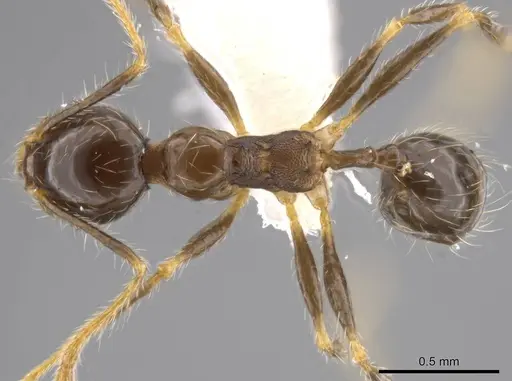
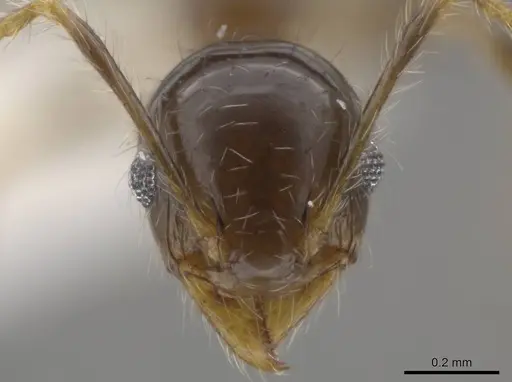
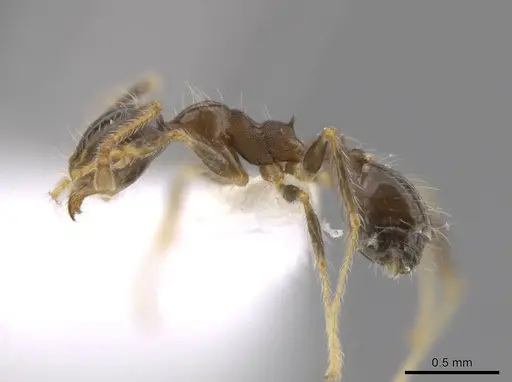
CASENT0613012
View on AntWeb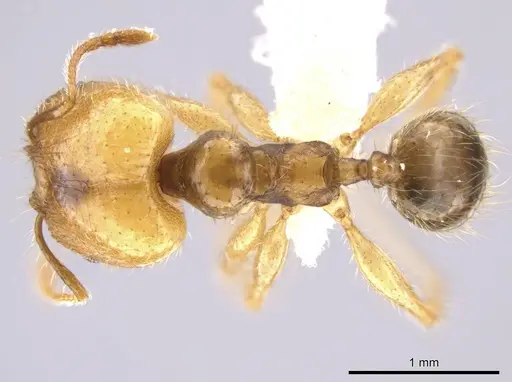
CASENT0635460
View on AntWeb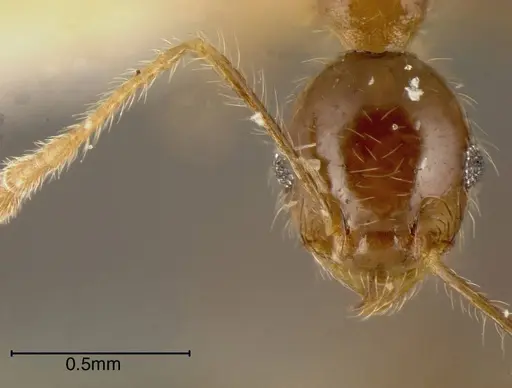
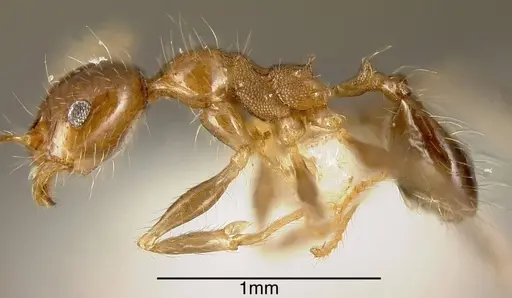
INBIOCRI002279458
View on AntWeb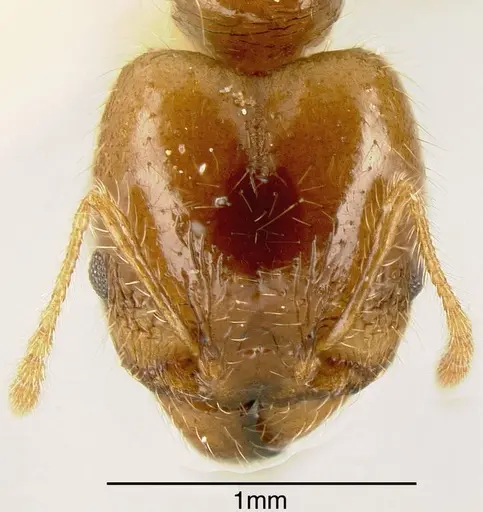
Literature
Loading...Loading products...