

Pheidole diversipilosa
- Scientific Name
- Pheidole diversipilosa
- Tribe
- Attini
- Subfamily
- Myrmicinae
- Author
- Wheeler, 1908
- Distribution
- Found in 2 countries
Pheidole diversipilosa Overview
Pheidole diversipilosa is an ant species of the genus Pheidole. It is primarily documented in 2 countries , including Mexico, United States of America. Detailed taxonomic data and occurrence records can be further explored via authoritative databases such as AntWeb or the Global Biodiversity Information Facility (GBIF).
Pheidole diversipilosa
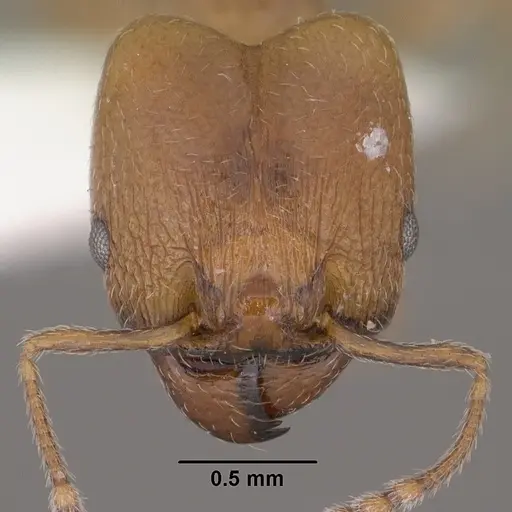
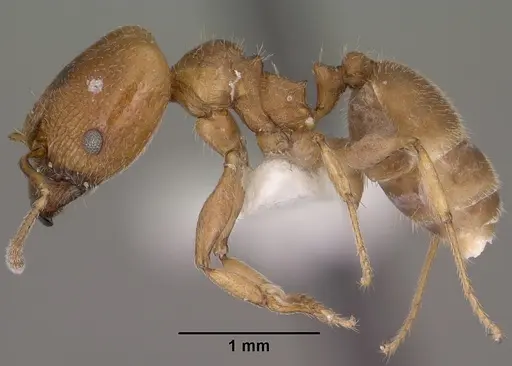
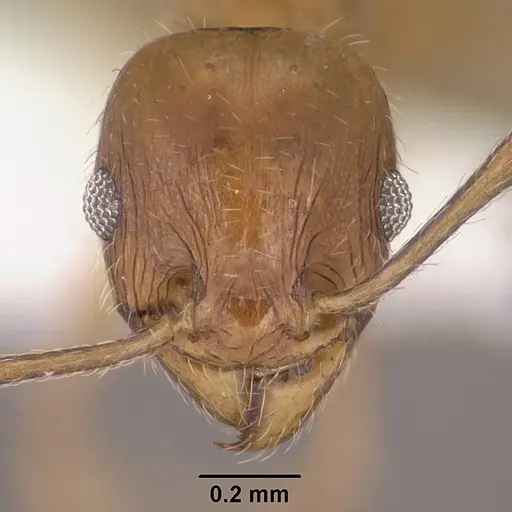
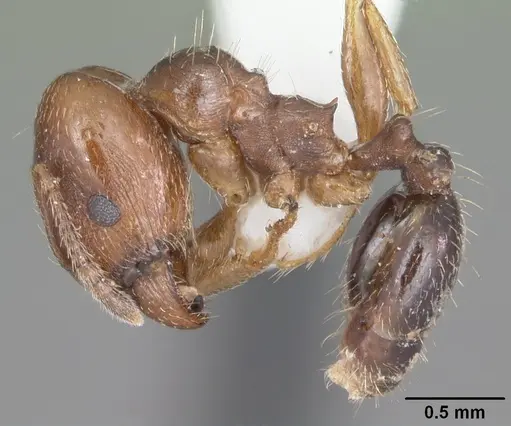
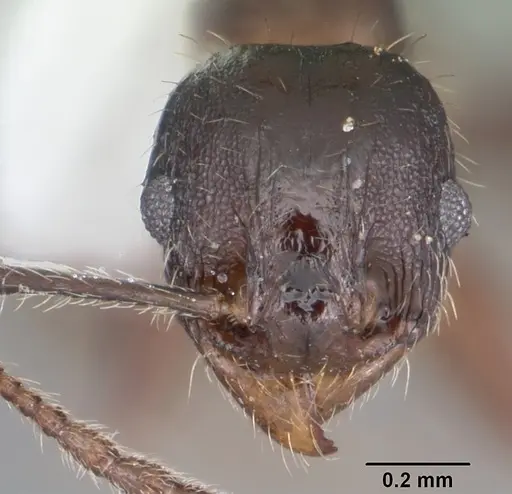
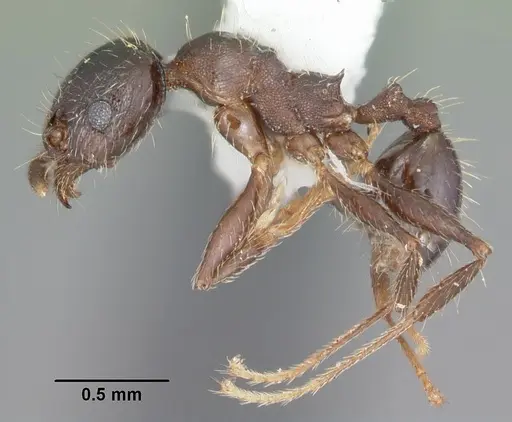
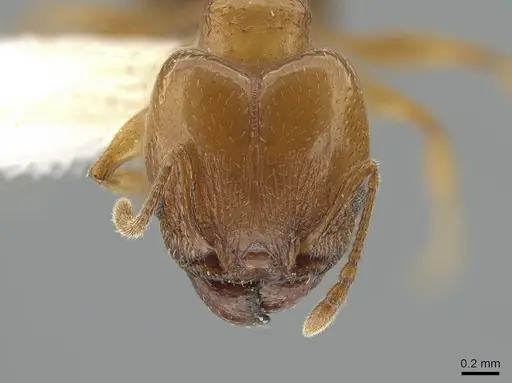
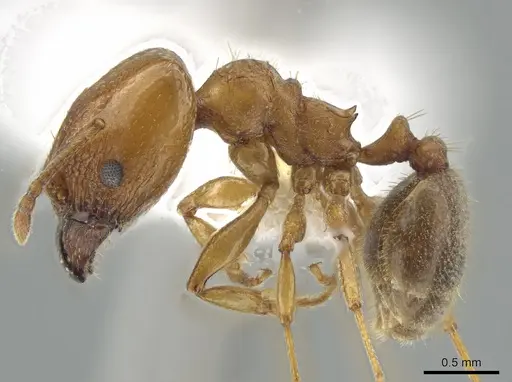
Pheidole diversipilosa is a small to medium-sized ant native to the southwestern United States and northern Mexico. Majors (soldier ants) measure around 1.26mm head width, while minor workers are much smaller at 0.66mm head width. The body is medium reddish brown with light reddish-brown appendages. This species is easily identified by the short, erect hairs (less than 0.05mm) on the upper surface of the abdomen (gaster), the species name 'diversipilosa' literally means 'different hair' referring to this distinctive feature [1].
These ants inhabit oak-pine-juniper forests at mid-elevations between 1050-1900m, particularly in creek valleys. They nest under rocks and in open soil, and colonies can grow quite large with over 1000 workers. They are known to cache seeds in their nests, making them granivorous as well as predatory [1].
Quick Summary
- Difficulty: Medium
- Origin & Habitat: Southwestern Texas to the mountains of southern and central Arizona, also found in Mexico. They live in oak-pine-juniper forests, oak forests, alligator juniper, and Chihuahua pine forests at elevations of 1050-1900m, especially in creek valleys [1][2].
- Colony Type: Monogyne (single-queen colonies). Colonies have one queen and can grow large, exceeding 1000 workers [1].
- Colony: Monogyne
- Founding: Claustral
- Size & Growth:
- Queen: Not specifically measured in available literature, estimated based on genus patterns at 5-7mm
- Worker: Minor workers: 0.66mm HW,0.74mm HL. Major workers: 1.26mm HW,1.34mm HL [1]
- Colony: Over 1000 workers in mature colonies [1]
- Growth: Moderate, based on typical Pheidole development patterns
- Development: 6-8 weeks (estimated based on typical Pheidole genus patterns at optimal temperature) (Brood is found in nests starting in April, with sexuals (reproductives) appearing in June [1]. This suggests spring/summer is the peak growth period.)
- Antkeeping:
- Temperature: Keep around 22-26°C. This species comes from mid-elevations in the American Southwest, so they prefer warmer conditions but not extreme heat. A gentle gradient allowing them to move between warmer and cooler areas is ideal.
- Humidity: Moderate humidity. They naturally nest under rocks in forest habitats, so keep substrate moderately moist but not waterlogged. Allow some drier areas in the nest for variety.
- Diapause: Yes, these ants are from temperate regions and will benefit from a winter rest period. Reduce feeding and keep them cool (around 10-15°C) for 2-3 months during winter.
- Nesting: They naturally nest under rocks and in open soil. In captivity, a naturalistic setup with soil substrate and flat stones or a Y-tong/plaster nest works well. They need chambers scaled to their size, with the majors being notably larger than minors.
- Behavior: Pheidole diversipilosa is a dominant ant species known for aggressive resource discovery. They have a high per capita discovery rate and quickly find food sources. However, they are vulnerable to phorid fly parasitoids (Apocephalus spp.), which restrict their foraging and reduce the number of soldier ants at baits [3][4]. Workers are attracted to protein baits like tuna. They are not particularly aggressive toward keepers but will defend their nest. Escape risk is moderate, use standard barrier methods.
- Common Issues: Phorid fly parasitism, these ants are specifically targeted by Apocephalus phorid flies which can restrict foraging and weaken colonies [3], Large colony size means they need significant space and food as they grow beyond 1000 workers, Seed-caching behavior means they may store food in ways that could mold if overfed, Competition vulnerability, they lose baits more frequently when parasitoids are present, making them less dominant in multi-species setups [4], Winter mortality, colonies often fail during hibernation if kept too wet or at incorrect temperatures
Nest Preferences and Housing
In the wild, Pheidole diversipilosa nests under rocks and in open soil within oak-pine-juniper forest environments at mid-elevations. For captive care, a naturalistic setup with a soil-based substrate works best, this allows them to dig chambers and tunnels similar to their natural nesting sites. Place flat stones or other cover on the surface to provide the dark, sheltered conditions they prefer.
A Y-tong (acrylic) or plaster nest with chambers sized appropriately for their colony size also works well. The key is providing a moisture gradient, keep part of the nest moist while allowing drier areas. Because colonies can exceed 1000 workers, plan for expansion space from the start. The majors are significantly larger than minors, so ensure passages are wide enough for the soldier ants to move through comfortably. [4][1]
Feeding and Diet
Pheidole diversipilosa is omnivorous with a strong preference for protein. In the wild, foragers are strongly attracted to tuna baits, indicating they are active predators and scavengers of protein-rich foods [1]. They also cache seeds in their nests, making them partially granivorous.
Feed a varied diet including: protein sources like mealworms, small crickets, and other small insects (dead or live), seeds and grains, and occasional sugar water or honey for energy. The seed-caching behavior means they may store food, so avoid overfeeding which can lead to mold. Feed protein 2-3 times per week, and keep a constant sugar water source. Remove uneaten prey after 24-48 hours to prevent mold growth.
Temperature and Seasonal Care
These ants come from the southwestern United States and Mexico at elevations of 1050-1900m, where they experience warm summers and cool winters. Keep the nest at 22-26°C for optimal colony growth and brood development. A heating cable on one side of the nest can create a temperature gradient, allowing ants to self-regulate.
During winter, provide a diapause period. Reduce temperatures to around 10-15°C and reduce feeding for 2-3 months. This mimics their natural seasonal cycle and helps maintain colony health long-term. Brood development follows a spring pattern in the wild, brood appears in April and sexuals (reproductives) appear in June [1], so expect increased activity and growth during spring and summer months.
Behavior and Defense
Pheidole diversipilosa is classified as a dominant ant species with excellent resource discovery abilities. They have a high per capita discovery rate, quickly finding and exploiting food sources [4]. However, they face significant pressure from parasitoid flies.
This species is specifically targeted by Apocephalus phorid flies, which are parasitoids that attack foragers. These flies restrict foraging activity and reduce the number of major workers (soldiers) that venture out to baits [3]. The presence of leaf litter in their environment provides escape cover, in areas with more leaf litter, ants can hide under leaves and avoid attacks [3]. In captivity, providing hiding spots and complexity in the outworld can help reduce stress from this vulnerability.
When threatened, majors will defend the nest aggressively. They are not dangerous to humans, they lack a potent sting and are too small to cause meaningful discomfort.
Colony Growth and Development
Colonies start with a single claustral queen who seals herself in a chamber and raises the first brood alone on stored fat reserves. Once the first nanitic (first-generation) workers emerge, the colony begins to grow. These ants are monogynous with single-queen colonies, but colonies can grow very large, over 1000 workers in established nests [1].
Growth is moderate, expect several months before the first workers appear, then steady growth through the first year. Sexual brood (alates, winged reproductives) appears in June in the wild [1], so if your colony is mature, you may see alates develop during warm months. A mature colony with 1000+ workers will require significant space and regular feeding to maintain.
Frequently Asked Questions
How long does it take for Pheidole diversipilosa to produce first workers?
Expect 6-8 weeks from egg to first worker at optimal temperature (22-26°C). This is based on typical Pheidole genus development patterns. The claustral queen will seal herself in and not emerge until her first workers hatch.
Can I keep multiple Pheidole diversipilosa queens together?
No, this species is monogyne, meaning colonies have a single queen. Unlike some Pheidole species that can be polygynous, P. diversipilosa colonies should only have one queen. Introducing additional queens will result in fighting.
What do Pheidole diversipilosa eat?
They are omnivorous with a strong preference for protein. Feed them small insects (mealworms, crickets, fruit flies), seeds and grains, and occasional sugar water or honey. They are particularly attracted to tuna and other protein baits in the wild.
How big do Pheidole diversipilosa colonies get?
Mature colonies can exceed 1000 workers. This is a large colony size for Pheidole, so you will need to plan for significant space as the colony grows.
Do Pheidole diversipilosa need hibernation?
Yes, they benefit from a winter diapause period. Reduce temperatures to 10-15°C and reduce feeding for 2-3 months during winter. This mimics their natural seasonal cycle in the southwestern US mountains.
Are Pheidole diversipilosa good for beginners?
They are medium difficulty. They are more demanding than simple species due to their large colony size, specific temperature needs, and vulnerability to parasitoids. However, they are not as difficult as some exotic or specialized species.
Why are my Pheidole diversipilosa dying?
Common causes include: phorid fly parasitism (if you see flies near the colony), improper temperature (too cold or too hot), overfeeding leading to mold, or keeping the nest too wet during winter. Check for small flies hovering near foragers, this indicates parasitoid pressure.
When should I move Pheidole diversipilosa to a formicarium?
Move them when the colony reaches several hundred workers and the test tube setup becomes crowded. They do well in naturalistic setups with soil substrate, which mimics their natural nesting under rocks.
What makes Pheidole diversipilosa different from other Pheidole?
They are identified by their short erect hairs on the gaster (less than 0.05mm), making them distinct from similar species. They are also specifically vulnerable to Apocephalus phorid flies, which affects their foraging behavior more than many other ant species.
References

This caresheet is licensed under CC BY-SA 4.0 .
CASENT0102874
View on AntWeb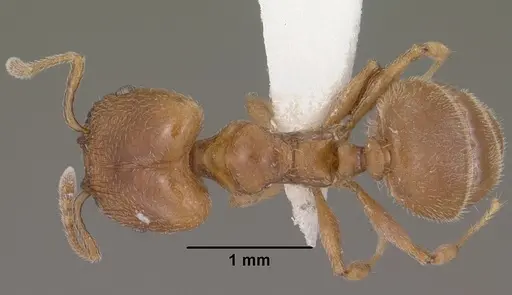
CASENT0102875
View on AntWeb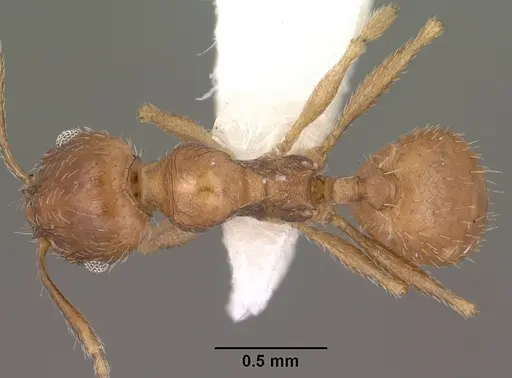
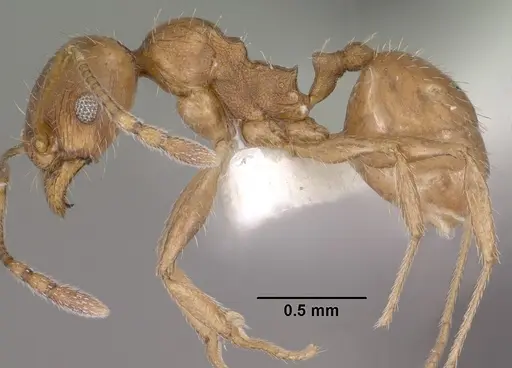
CASENT0104395
View on AntWeb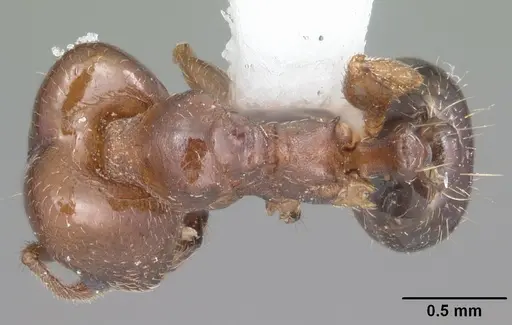
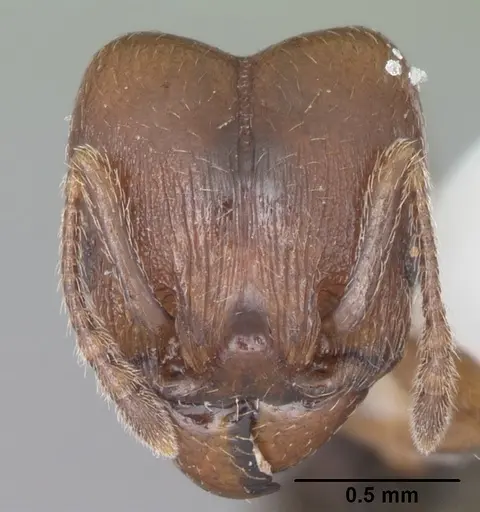
CASENT0104396
View on AntWeb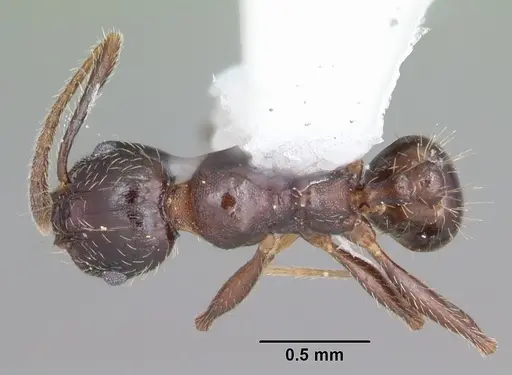
CASENT0619981
View on AntWeb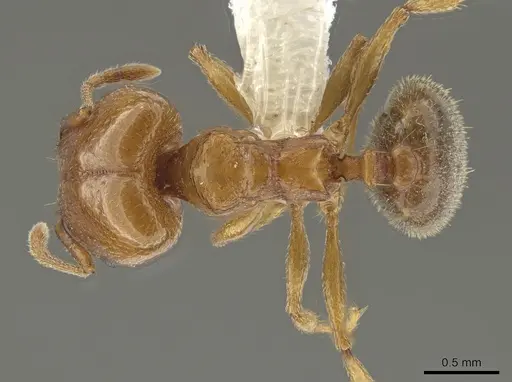
Literature
Loading...Loading products...