

Pheidole distorta
- Scientific Name
- Pheidole distorta
- Tribe
- Attini
- Subfamily
- Myrmicinae
- Author
- Forel, 1899
- Distribution
- Found in 1 countries
Pheidole distorta Overview
Pheidole distorta is an ant species of the genus Pheidole. It is primarily documented in 1 countries , including Colombia. Detailed taxonomic data and occurrence records can be further explored via authoritative databases such as AntWeb or the Global Biodiversity Information Facility (GBIF).
Pheidole distorta
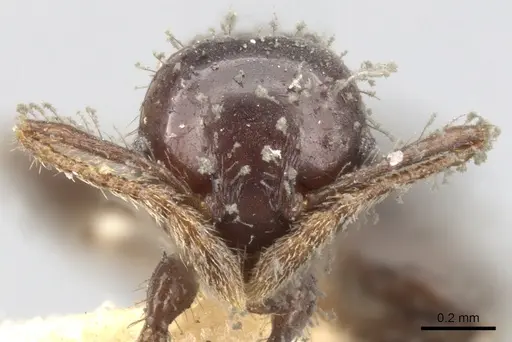
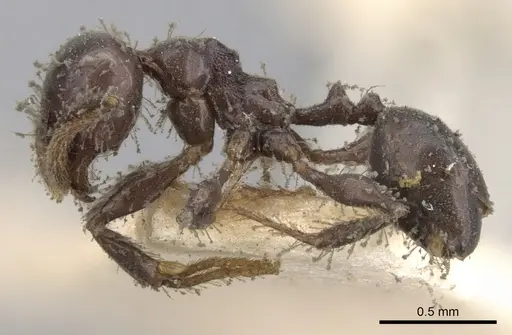
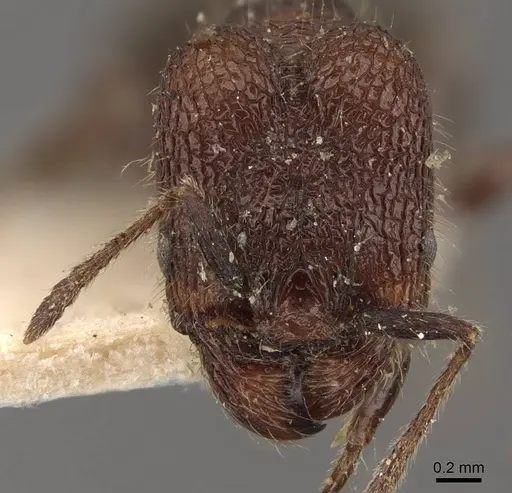
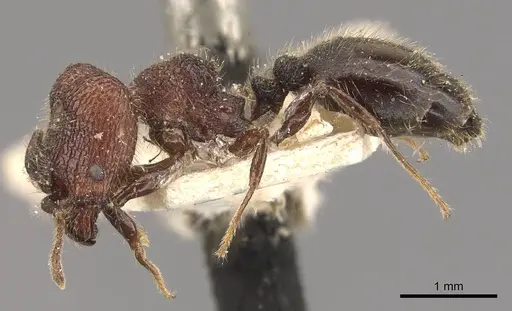
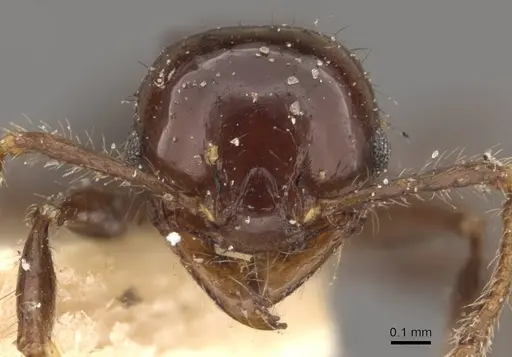
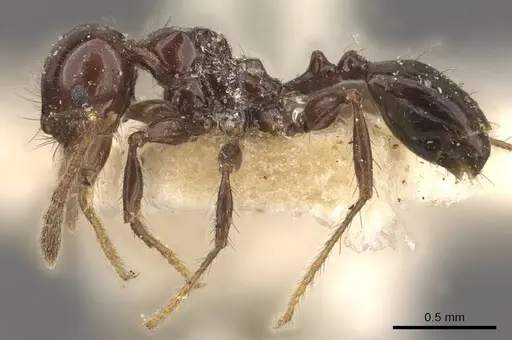
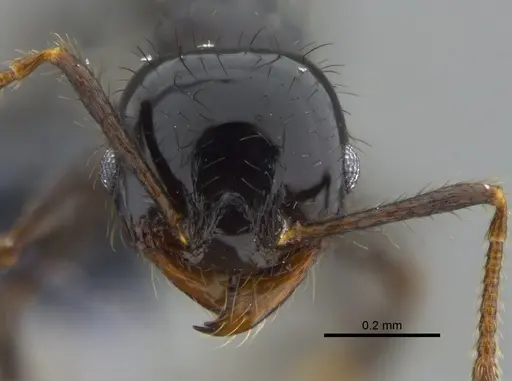
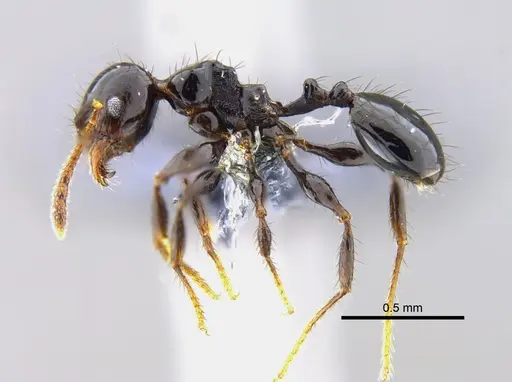
Pheidole distorta is a remarkable ant species known only from northern Colombia, specifically the Magdalena region around Santa Marta and Parque Tayrona. This species belongs to the Pheidole genus, famous for having two distinct worker castes, minor workers and major workers (also called soldiers). The most striking feature of P. distorta is the extreme morphological difference between castes: major workers have an incredibly bulging, humpback-shaped profile on their mesosoma and heavily wrinkled/sculptured body, while minor workers are completely smooth and shiny. Major workers measure 1.16-1.49mm head width and have a dark reddish-brown body with blackish-brown abdomen, while minor workers are smaller at 0.60-0.65mm with yellow mandibles and medium reddish-brown coloring. This species is distinguished from others in its group by having very short or absent propodeal spines.
Quick Summary
- Difficulty: Unknown, no captive breeding data available
- Origin & Habitat: Northern Colombia (Magdalena region), specifically Santa Marta area and Parque Tayrona. Found nesting in hard soil under shade of trees, in hard ground areas [1][2][3].
- Colony Type: Monogynic, single queen colonies confirmed through field excavation. Colonies contain minor workers, soldiers, males, and alate/dealate queens. Asymmetric sex ratio observed where some colonies produce only males while others produce only females during the same season [3].
- Colony: Monogyne
- Size & Growth:
- Queen: 1.10-1.16mm head width [3], estimated from recent measurements
- Worker: Minor: 0.60-0.65mm, Major/Soldier: 1.16-1.49mm [3]
- Colony: Unknown, no colony size data available
- Growth: Unknown, no development data available
- Development: Unknown, no direct measurements. Based on typical Pheidole patterns in tropical species, estimate 4-8 weeks at optimal temperature. (Development timeline has not been studied. Estimates based on genus-level patterns for tropical Pheidole species.)
- Antkeeping:
- Temperature: Based on Colombian origin (tropical dry forest), aim for warm conditions around 24-28°C. Provide a temperature gradient so ants can self-regulate. Room temperature in most homes (20-24°C) may be acceptable but warming slightly will likely improve activity and brood development.
- Humidity: Based on natural nesting in hard soil under trees, moderate humidity is needed. Keep substrate moist but not waterlogged. Provide a water tube for drinking water. The Santa Marta region has distinct wet and dry seasons, so moderate moisture with some dry areas available is ideal.
- Diapause: Unknown, no data on overwintering requirements. As a tropical species from Colombia, diapause may not be required. However, some seasonal slow-down during cooler months may occur.
- Nesting: Natural nesting: in hard soil under shade of trees. For captivity, a standard test tube setup works for founding colonies. Once established, a formicarium with soil or plaster nest material would suit their preference for ground-nesting. Provide connections to an outworld for foraging.
- Behavior: Pheidole species are generally non-aggressive and focus on seed harvesting and small prey collection. Major workers (soldiers) serve as defenders and help process large food items, while minor workers handle most foraging and brood care. This species is not known to sting and poses no danger to keepers. Escape risk is moderate, minor workers are small (under 1mm) so ensure any barriers are fine enough to prevent escapes.
- Common Issues: no captive breeding data exists, this species has never been kept in captivity, so all care recommendations are estimates, wild-caught colonies may not survive transfer due to stress and unknown requirements, the extremely unusual morphology (humpback major workers) may indicate specialized ecological requirements we don't understand yet, asymmetric sex ratio in wild colonies suggests complex reproductive biology that may be difficult to replicate in captivity
Species Discovery and Status
Pheidole distorta was originally described by Forel in 1899 but was known only from type specimens for over a century. In 2022,researchers rediscovered this species on the campus of Universidad del Magdalena in Santa Marta, finding several nests within an area smaller than 100 square meters. This is significant because it confirms the species still exists and provides the first observations of living colonies. The species is morphologically bizarre, major workers have an extreme bulging 'humpback' promesonotal profile that makes them instantly distinguishable from other Pheidole species. The contrast between the heavily sculptured major workers and the completely smooth and shiny minor workers is remarkable [2][3].
Unique Morphology
This species stands out even among the already unusual Pheidole genus. Major workers (soldiers) have an extremely bulging, humpback-shaped promesonotal profile where the mesonotum descends toward the back of the ant in a long vertical plane. Their heads and mesosoma are heavily rugoreticulate (wrinkled network pattern), while minor workers are entirely smooth and glossy. Both castes have a distinctive feature: a longitudinal ventral process on the petiole (the narrow 'waist' segment). This trait appears in soldiers, queens, and males but is less developed in males. The species also has very short or absent propodeal spines, unlike most Pheidole species [2][3].
Colony Structure and Reproduction
Field research in Santa Marta revealed that colonies are monogynic, each nest contains a single queen. Interestingly, colonies show an asymmetric sex ratio: some nests produce only males while others produce only females (alate queens), even during the same dry season. This suggests complex reproductive division among colonies. Excavated colonies contained minor workers, soldiers, males, and both alate (winged) and dealate (wingless, mated) queens. This is the first information about colony structure for this species [3].
Housing and Setup
Since this species has never been kept in captivity, all recommendations are estimates based on typical Pheidole care and what we know of their natural habitat. For founding colonies, use a standard test tube setup with a water reservoir. Once the colony grows beyond 20-30 workers, transfer to a formicarium with soil or plaster nest material. They naturally nest in hard soil, so a naturalistic setup with a soil chamber would likely be appreciated. Provide an outworld connected to the nest for foraging. Ensure any enclosure has fine barriers, minor workers are small enough to escape through standard gaps. Feed standard ant foods: protein sources like small insects or commercial ant food, and sugar water or honey as an energy source.
Feeding and Diet
Pheidole species are typically omnivorous, harvesting seeds and collecting small insects and honeydew. Without specific dietary studies for P. distorta, offer a varied diet: small live or frozen insects (fruit flies, small crickets, mealworms), commercial protein ant foods, and sugar water or honey. Pheidole majors can process larger food items thanks to their powerful mandibles. Remove uneaten food after 2-3 days to prevent mold. Start with small amounts and observe what the colony accepts.
Temperature and Seasonal Care
As a tropical species from northern Colombia, P. distorta likely prefers warm conditions. The Santa Marta region has a tropical dry climate with average temperatures in the mid-to-high 20s°C. Aim for 24-28°C in the nest area, with a gradient allowing ants to move to cooler areas if needed. Room temperature (20-24°C) may be acceptable but expect slower activity. Whether they require a diapause (winter rest) period is unknown, tropical ants often don't need true hibernation but may slow down during cooler months. Monitor colony behavior and adjust accordingly.
Frequently Asked Questions
Can I keep Pheidole distorta as a pet ant?
This species has never been kept in captivity, so we have no captive care data. It is known only from a small area in northern Colombia. Unless you can obtain a legally collected colony from researchers working in the region, this species is not available in the antkeeping hobby. Even if available, the lack of any captive breeding data makes successful keeping very uncertain.
How big do Pheidole distorta colonies get?
Colony size is unknown, no data exists on maximum colony size for this species. Most Pheidole species can reach several hundred to a few thousand workers. Based on the limited field observations, colonies appear to contain multiple castes including soldiers, but exact numbers are not documented.
What makes Pheidole distorta different from other Pheidole ants?
This species has extremely unusual morphology. Major workers have an extreme bulging 'humpback' promesonotal profile, their back is very arched and hump-shaped. They also have heavily wrinkled (rugoreticulate) bodies, while minor workers are completely smooth and shiny. Most unusually, they have very short or absent propodeal spines (the spiky projections on the back of most ants). They also have a distinctive longitudinal ventral process on their petiole (waist segment).
Where is Pheidole distorta found?
This species is known only from the Magdalena region in northern Colombia, specifically around Santa Marta and Parque Tayrona. It was originally described in 1899 and was known only from type specimens until 2022,when researchers found living colonies on the Universidad del Magdalena campus. It has not been recorded anywhere else in the world.
How long does it take for Pheidole distorta to develop from egg to worker?
The development timeline has not been studied for this species. Based on typical Pheidole patterns for tropical species, estimate approximately 4-8 weeks from egg to first worker at optimal warm temperatures (around 26°C). Without any captive data, this is a rough estimate only.
Can I keep multiple Pheidole distorta queens together?
Field research shows colonies are monogynic, each nest has only one queen. Combining unrelated queens is not recommended and has not been documented. In the wild, colonies appear to maintain single-queen structures. If you somehow obtain multiple foundress queens, keep them in separate setups.
What do Pheidole distorta ants eat?
Specific diet is unstudied, but Pheidole species are typically omnivorous. They likely harvest seeds and collect small insects and honeydew in nature. In captivity, offer small insects (fruit flies, small crickets, mealworms), commercial protein foods, and sugar water or honey. Both minor and major workers will feed, with majors helping process larger food items.
Are Pheidole distorta ants difficult to keep?
Difficulty level is unknown since this species has never been kept in captivity. All care recommendations are estimates based on the species' origin in tropical Colombia and typical Pheidole husbandry. This would be an expert-level species to attempt, as no captive breeding protocols exist. We strongly recommend starting with more established species in the antkeeping hobby.
Do Pheidole distorta need hibernation or diapause?
Diapause requirements are unknown. As a tropical species from Colombia, they likely do not require a true hibernation period. However, some seasonal slow-down during cooler months may occur naturally. Without any captive data, this is uncertain. Monitor your colony's activity levels and adjust temperature accordingly.
References

This caresheet is licensed under CC BY-SA 4.0 .
CASENT0901583
View on AntWeb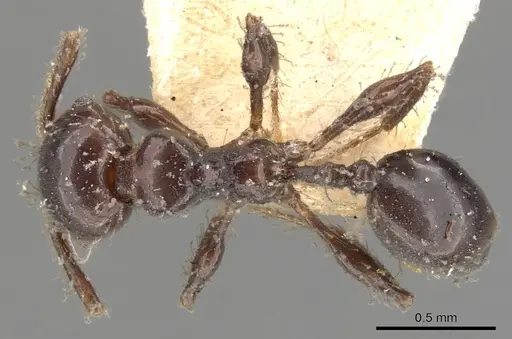
CASENT0908309
View on AntWeb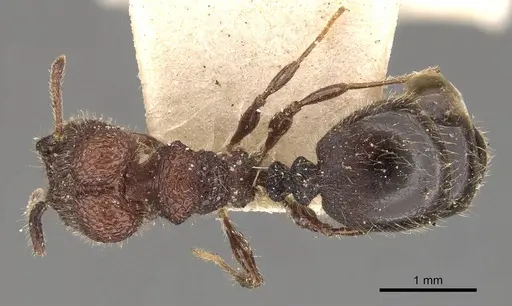
CASENT0908310
View on AntWeb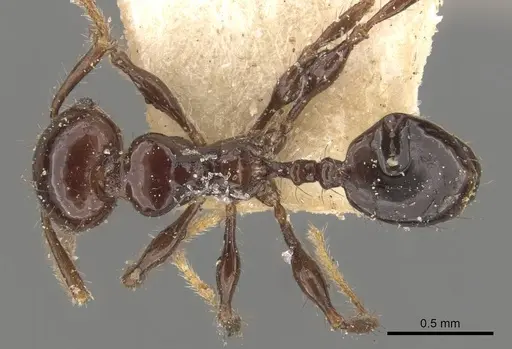
CBUMAGENT42032
View on AntWeb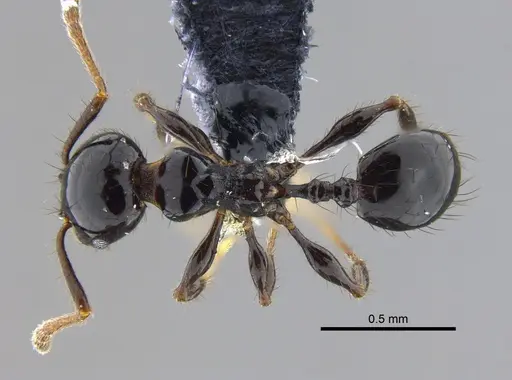
Literature
Loading...Loading products...