

Pheidole dispar
- Scientific Name
- Pheidole dispar
- Tribe
- Attini
- Subfamily
- Myrmicinae
- Author
- Forel, 1895
- Distribution
- Found in 1 countries
Pheidole dispar Overview
Pheidole dispar is an ant species of the genus Pheidole. It is primarily documented in 1 countries , including Australia. Detailed taxonomic data and occurrence records can be further explored via authoritative databases such as AntWeb or the Global Biodiversity Information Facility (GBIF).
Pheidole dispar
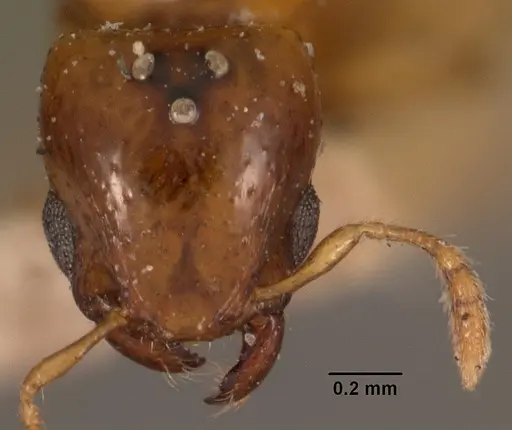
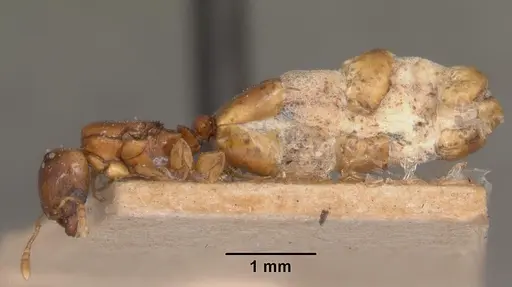
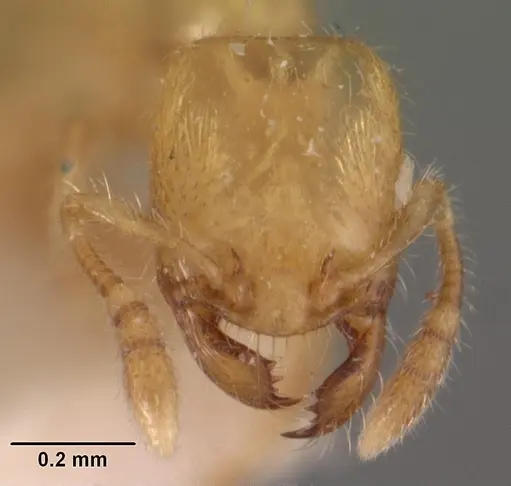
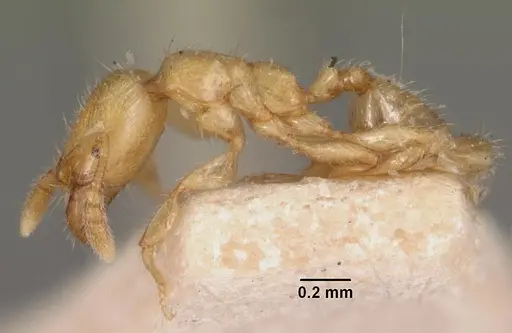
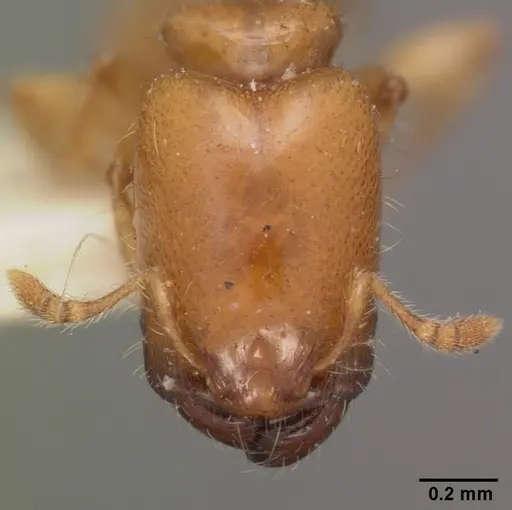
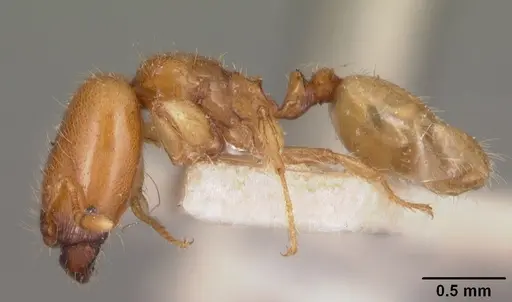
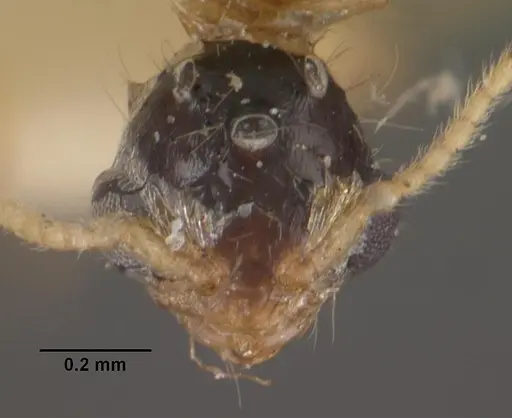
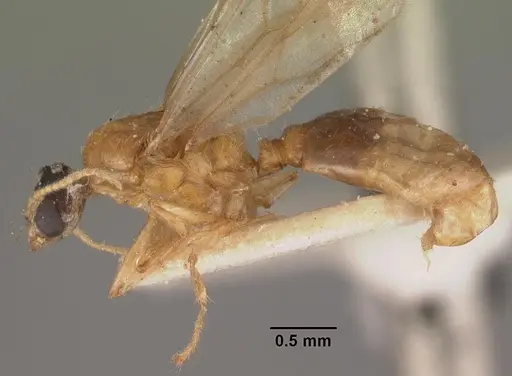
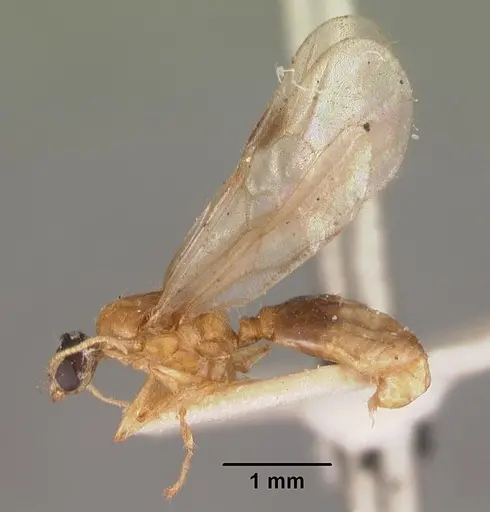
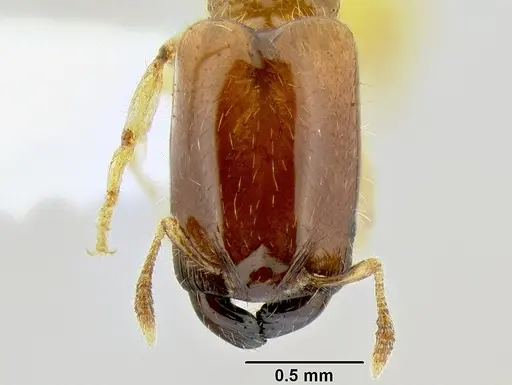
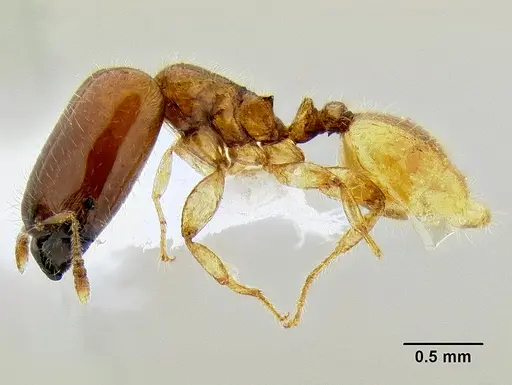
Pheidole dispar is a dimorphic ant species native to Australia, featuring major workers that are noticeably larger than their minor counterparts. Major workers measure 2.7-3.5mm while minor workers are considerably smaller at 1.5-2.2mm [1]. The species has 11-segmented antennae and lacks antennal scrobes, the grooves where antennae rest when at rest. The clypeus (the plate above the mandibles) has distinctive paired hairs straddling the midline. These ants are rarely encountered in the wild and have been found across a remarkably wide range of habitats spanning from open savannah in the Kimberley region of northern Western Australia to rainforests along Queensland's east coast and mallee areas in central New South Wales [1].
Quick Summary
- Difficulty: Unknown, likely Medium
- Origin & Habitat: Australia, found in diverse habitats including Kimberley savannah, Queensland rainforests, and NSW mallee [1]
- Colony Type: Colony structure is unconfirmed, likely single-queen like most Pheidole species
- Size & Growth:
- Queen: Undescribed in available sources [1]
- Worker: Major: 2.7-3.5mm, Minor: 1.5-2.2mm [1]
- Colony: Unknown, no colony size data available
- Growth: Unknown, no development data available
- Development: Unknown, no direct measurements exist. Based on typical Pheidole patterns, estimate 6-10 weeks at optimal temperature. (This is an estimate based on genus-level data since no species-specific research exists.)
- Antkeeping:
- Temperature: Australia spans temperate to tropical zones, keep at room temperature around 20-25°C as a starting point and observe colony activity
- Humidity: Found in varied habitats from rainforest to dry savannah, provide moderate humidity with a gradient allowing choices. Keep nest substrate slightly moist but not waterlogged
- Diapause: Unknown for this species. Australian ants from temperate regions may require winter rest. Monitor for seasonal slowdowns.
- Nesting: In nature they nest in soil under or between rocks [1]. A naturalistic setup with a soil chamber or a test tube setup with a moist soil area works well. Avoid overly wet conditions.
- Behavior: These ants are poorly documented in captivity. As a Pheidole species, they likely have typical Pheidole behaviors, major workers serve as soldiers for defense and seed processing, while minors handle brood care and foraging. Escape risk is moderate due to small minor worker size, use standard barrier methods. Temperament is unknown but most Pheidole species are not aggressive toward keepers.
- Common Issues: very limited wild documentation means care requirements are largely inferred from genus patterns, no information on founding behavior or colony development timeline, escape prevention needed for tiny minor workers, species is rarely encountered so captive colonies may be uncommon, no data on diet preferences, must experiment with standard ant foods
Natural History and Distribution
Pheidole dispar occupies an unusually broad ecological range for an Australian ant. Specimens have been collected from open savannah in the Kimberley region of northern Western Australia, from lush rainforests along the east coast of Queensland, and from mallee habitats in central New South Wales [1]. This adaptability to diverse habitats suggests the species is environmentally flexible. The elevational data from the Eungella region shows they occur at higher elevations (1000-1200m) in rainforest environments, though at low frequency (0-10% of samples) [1]. The species is considered rare, it is infrequently encountered even in its native range. Nests are located in soil, typically under or between rocks, which provides protection and stable microclimate conditions.
Identification and Morphology
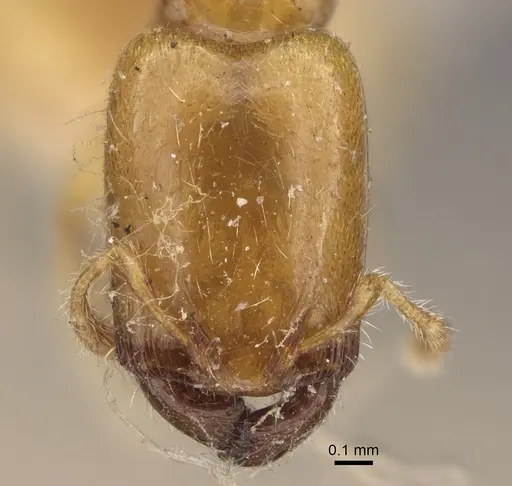
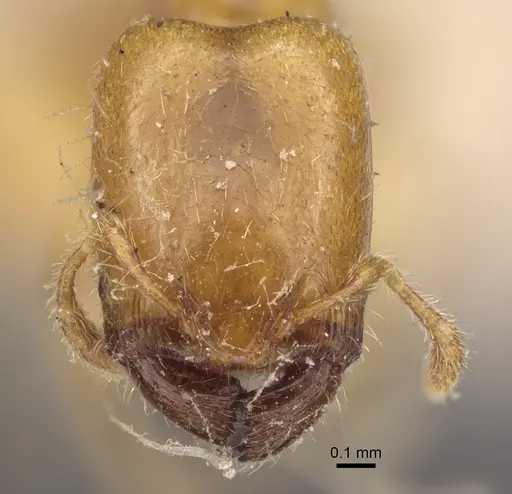
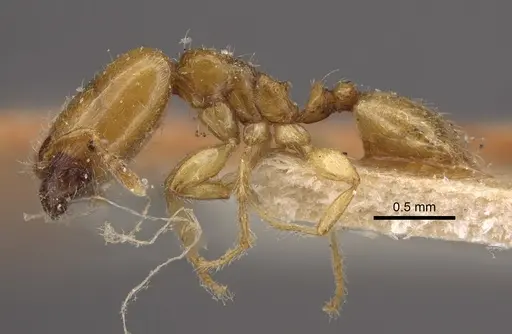
This species shows clear dimorphism with major and minor workers but no intermediate forms. Major workers are robust at 2.7-3.5mm with a very large, trapezoidal or rectangular head that is at least 1.5 times longer than wide, featuring a notch at the back of the head. Their mandibles are short, thick, and smooth with some scattered punctures. Minor workers are much smaller at 1.5-2.2mm with a more rectangular head that is only slightly longer than wide. The antennae have 11 segments with a distinct 3-segmented club. A key identification feature is the paired hairs on the clypeus that straddle the midline, there is no single central hair. The petiole has a distinct rounded node. The species was originally described as Pheidole dispar and later moved to Machomyrma before being reclassified as Pheidole in 2014 [1].
Housing and Nesting
In their natural habitat, Pheidole dispar nests in soil under or between rocks [1]. For captive care, replicate these conditions using a naturalistic setup with a soil chamber beneath a flat stone or rock, or a test tube setup with a moist soil area. The soil should be kept slightly moist but never waterlogged, these ants avoid overly wet conditions. Provide a gradient so the ants can choose their preferred humidity zone. Since the species is rarely kept in captivity, start with standard Pheidole care parameters and adjust based on colony behavior. A formicarium with a dirt section works well for monitoring colony development.
Feeding and Diet
No specific dietary information exists for this species. As a Pheidole member, they likely have a typical omnivorous diet similar to other members of the genus, accepting protein sources like small insects and carbohydrates like honey or sugar water. Pheidole species often store seeds, so major workers may specialize in seed processing. Start with standard ant foods: protein (small insects like fruit flies or mealworms), sugar sources (honey water or sugar water), and observe what the colony accepts. Remove uneaten food promptly to prevent mold. Given the species is rarely documented, experimental feeding to determine preferences is expected.
Temperature and Seasonal Care
Since this species spans such a wide range of Australian habitats, from tropical Queensland to temperate NSW, it likely tolerates a broad temperature range. Begin with room temperature around 20-25°C and monitor colony activity. If workers are highly active and brood develops well, conditions are appropriate. If they cluster together or show reduced activity, consider slight warming. No specific data exists on diapause requirements. If your colony shows seasonal slowdowns during winter months, provide a cool but above-freezing period (around 10-15°C) for several months, mimicking natural seasonal cycles.
Colony Development Expectations
No specific development timeline exists for Pheidole dispar. Based on typical Pheidole genus patterns, expect 6-10 weeks from egg to first worker (nanitics) at optimal temperature. Colony sizes in the wild are unknown, Pheidole colonies can range from hundreds to thousands of workers in some species. Given this species is rarely encountered, colonies may remain relatively modest in size. The dimorphic caste system means major workers develop later and in smaller numbers than minors, majors serve as soldiers and food processors. Be patient with growth as limited documentation means development may proceed differently than more common species.
Frequently Asked Questions
How long does it take for Pheidole dispar to produce first workers?
No species-specific data exists. Based on typical Pheidole development, expect 6-10 weeks from egg to first worker at room temperature (20-25°C). This is an estimate since no direct observations of this species exist.
What do Pheidole dispar ants eat?
Their exact diet is undocumented. As Pheidole, they likely accept standard ant foods: protein (small insects like fruit flies, pinhead crickets, or mealworms) and carbohydrates (honey or sugar water). Experiment to determine preferences.
What size colony does Pheidole dispar reach?
Colony size is unknown, the species is rarely encountered in the wild and no colony size data exists. Based on related species, expect hundreds to possibly thousands of workers over time.
Do Pheidole dispar ants need hibernation?
Diapause requirements are unconfirmed. Given their wide distribution across temperate to tropical Australia, individuals from cooler regions may benefit from a winter rest period at 10-15°C for several months.
Are Pheidole dispar good for beginners?
Difficulty level is unknown due to limited documentation. This species is rarely kept in captivity, so more common Pheidole species with established care guides may be better choices for beginners.
What nest type is best for Pheidole dispar?
They naturally nest in soil under rocks. A naturalistic setup with a soil chamber beneath a flat stone, or a test tube with moist soil area, replicates their natural conditions well.
Can I keep multiple queens together?
Colony structure is unconfirmed. Most Pheidole species are single-queen (monogyne). Combining unrelated queens is not recommended without evidence they accept multiple queens.
What temperature should I keep Pheidole dispar at?
No specific requirements exist. Start at room temperature (20-25°C) and adjust based on colony activity. The species' wide Australian distribution suggests tolerance to varied conditions.
Why is Pheidole dispar so rarely kept?
This species is infrequently encountered in the wild even in its native Australia. Limited documentation on its biology and care requirements makes it an uncommon choice among antkeepers.
References

This caresheet is licensed under CC BY-SA 4.0 .
CASENT0102457
View on AntWeb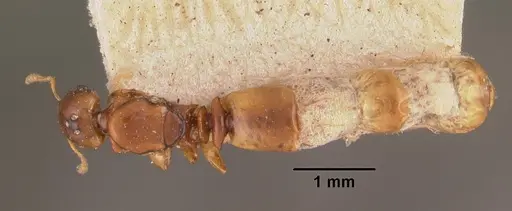
CASENT0102458
View on AntWeb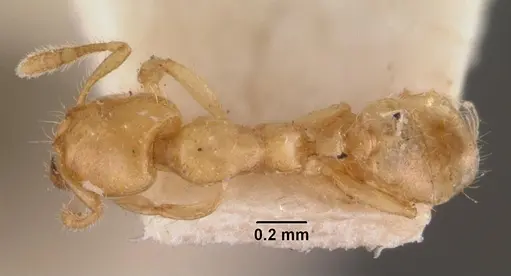
CASENT0102459
View on AntWeb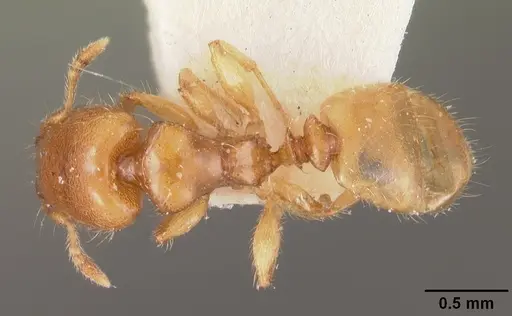
CASENT0102460
View on AntWeb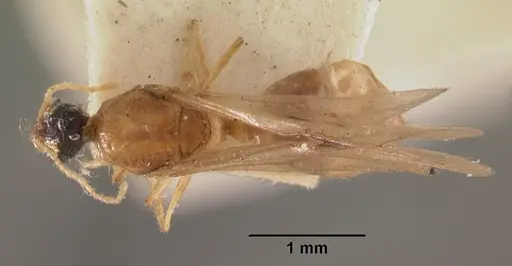
CASENT0106247
View on AntWeb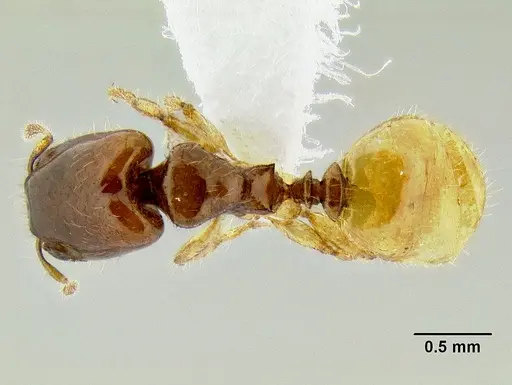
CASENT0917761
View on AntWeb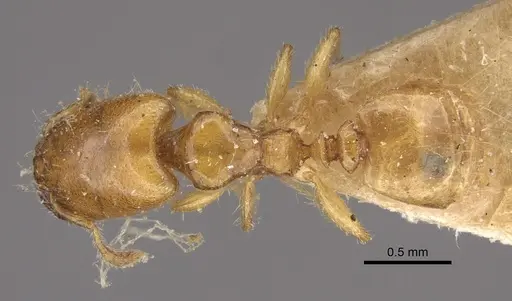
Literature
Loading...Loading products...