

Pheidole diana
- Scientific Name
- Pheidole diana
- Tribe
- Attini
- Subfamily
- Myrmicinae
- Author
- Forel, 1908
- Distribution
- Found in 2 countries
Pheidole diana Overview
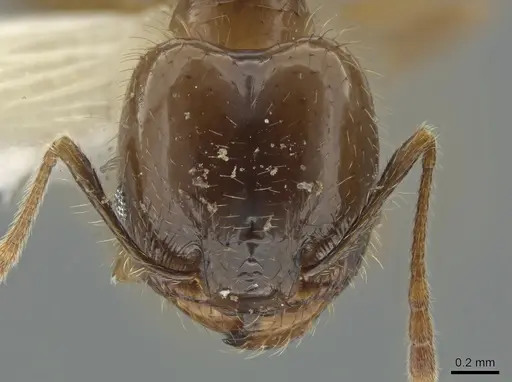
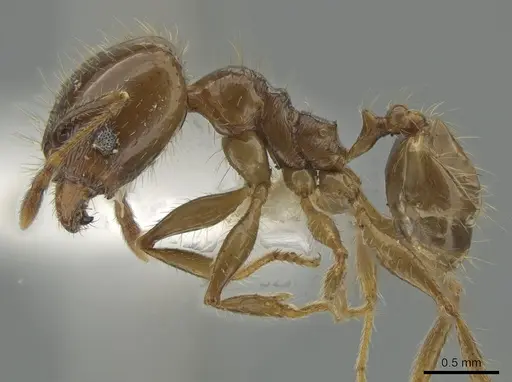
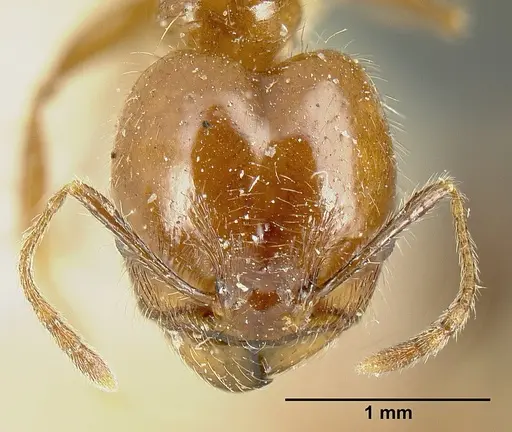
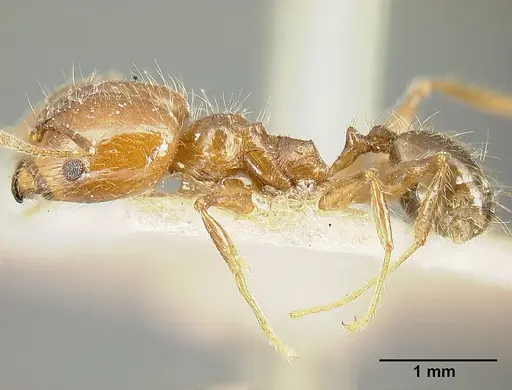
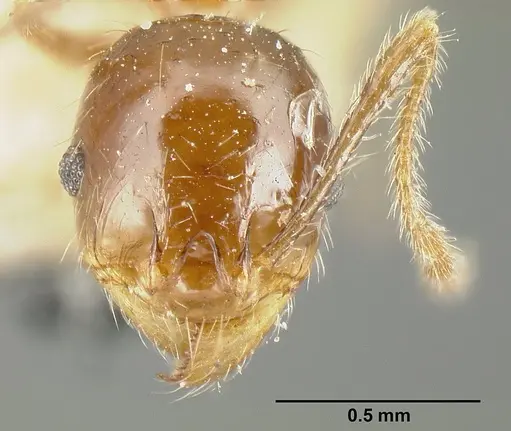
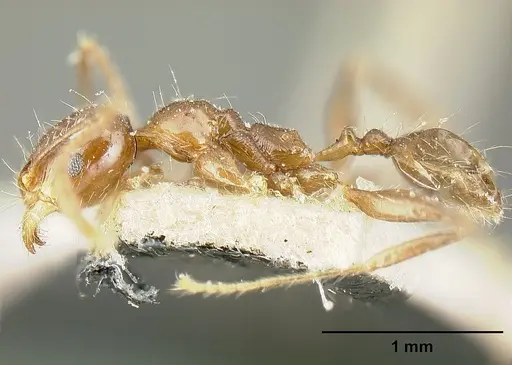
Pheidole diana is an ant species of the genus Pheidole. It is primarily documented in 2 countries , including Costa Rica, Panama. Detailed taxonomic data and occurrence records can be further explored via authoritative databases such as AntWeb or the Global Biodiversity Information Facility (GBIF).
Pheidole diana
Pheidole diana is a small ant species belonging to the genus Pheidole, known for their distinctive soldier caste with enlarged heads. Workers are typically 2-4mm, with soldiers being significantly larger. The genus Pheidole is one of the most diverse ant groups globally, with soldiers specialized for seed-crushing and colony defense. This species is found in Central America, where it inhabits forest floor environments. Pheidole ants are granivorous by nature, collecting seeds as a primary food source, but they also readily accept protein sources like small insects. Colonies establish single-queen nests and grow through claustral founding, where the queen seals herself in and raises her first workers alone.
Quick Summary
- Difficulty: Easy
- Origin & Habitat: Central America, specific range and habitat details are limited in available research [1]
- Colony Type: Likely monogyne (single queen) based on typical Pheidole colony structure. Pheidole species typically form single-queen colonies with distinct soldier and worker castes.
- Colony: Monogyne
- Founding: Claustral
- Size & Growth:
- Queen: Estimated 6-8mm based on typical Pheidole queen dimensions
- Worker: 2-4mm for minor workers, soldiers significantly larger
- Colony: Estimated several hundred workers based on genus typical colony sizes
- Growth: Moderate, typical for Pheidole species
- Development: Estimated 6-8 weeks at optimal temperature based on genus-level data for Pheidole (Development time is estimated from related Pheidole species. Temperature affects development speed significantly.)
- Antkeeping:
- Temperature: Keep at 22-26°C. This range supports normal colony activity and brood development. A gentle temperature gradient allows ants to self-regulate.
- Humidity: Maintain moderate humidity around 50-60%. Pheidole typically inhabit forest floor environments with periodic moisture. Provide a water tube for drinking access.
- Diapause: Not typically required. As a Central American species, Pheidole diana does not require formal hibernation. Colony activity may slow during cooler periods.
- Nesting: Use a test tube setup for founding colonies. Once established at 100+ workers, a Y-tong or acrylic formicarium with narrow chambers works well. They prefer dark, enclosed spaces.
- Behavior: Pheidole diana is generally calm and non-aggressive. Workers will flee rather than engage in confrontation. They are primarily granivorous but also accept protein sources. Minor workers forage while soldiers remain in the nest to crack seeds. Escape prevention is important due to their small size, use fine mesh barriers. They do not sting and pose no danger to keepers.
- Common Issues: escape prevention is critical, their small size allows them to squeeze through tiny gaps, overfeeding can lead to mold problems in nest setups, slow founding phase may cause keepers to abandon colonies prematurely, test tube flooding can kill founding queens, use appropriate water reservoir size, granivorous diet requires seeds to be available, not just protein
Nest Preferences and Setup
Pheidole diana thrives in enclosed, dark nest spaces that mimic their natural forest floor habitat. For founding colonies, a simple test tube setup works excellently, fill one end with water trapped by a cotton plug, leaving the dry end for the queen. The darkness of the tube encourages the queen to seal her chamber. Once your colony reaches 100+ workers, consider upgrading to a Y-tong nest or acrylic formicarium with chambers appropriately sized to the colony. Pheidole prefer narrow passages and tight spaces rather than open areas. Avoid tall, vertical chambers as they prefer to stay low to the ground. A small outworld area connected to the nest allows for foraging and waste disposal.
Feeding and Diet
Pheidole diana is primarily granivorous, meaning they collect and eat seeds. Provide a constant supply of small seeds suitable for small ants, sesame seeds, millet, or commercially available ant seeds work well. The larger soldiers will stay in the nest to crack seeds using their powerful mandibles, then distribute the crushed pieces to workers. Beyond seeds, offer protein sources 2-3 times per week. Small insects like fruit flies, pinhead crickets, or mealworm pieces are readily accepted. Sugar water or honey can be offered occasionally, though seeds should form the dietary foundation. Always remove uneaten protein within 24 hours to prevent mold.
Temperature and Seasonal Care
Maintain temperatures between 22-26°C for optimal colony health. This species does not require hibernation or formal diapause as it comes from Central America. Room temperature within this range is typically sufficient. If your home runs cooler, a heating cable placed on one side of the nest can provide warmth, always place heating on top of the nest, not underneath, to avoid drying out the substrate. During winter months, a slight reduction to 18-20°C is acceptable and may slow brood development slightly, which is natural. Avoid temperatures below 15°C or above 30°C as these can stress the colony.
Behavior and Colony Dynamics
Pheidole colonies develop distinct castes, minor workers handle most foraging and nest maintenance, while major workers (soldiers) specialize in seed-crushing and colony defense. This division of labor makes their colonies fascinating to observe. Workers are non-aggressive and will retreat from threats rather than fight. They communicate through chemical signals and use tandem running to recruit nestmates to food sources. The colony will expand their nest chamber as needed, and established colonies may produce alates (reproductives) during warm seasons. Major workers develop after the colony reaches several dozen workers, typically appearing 2-3 months after founding.
Frequently Asked Questions
How long does it take for Pheidole diana to produce first workers?
First workers (nanitics) typically appear 6-8 weeks after the queen lays her first eggs, assuming temperatures around 24°C. The exact timing depends on temperature and feeding. Be patient during the founding phase, the queen will remain sealed in her chamber until her first workers emerge.
Can I keep multiple Pheidole diana queens together?
Not recommended. Pheidole diana is likely monogyne, meaning colonies function with a single queen. Combining unrelated queens typically results in fighting and colony failure. Only attempt multi-queen setups if you have specific evidence the species is polygynous.
What do Pheidole diana eat?
They are primarily granivorous, offer small seeds like sesame, millet, or ant seed mixes as a constant food source. Supplement with protein 2-3 times weekly: small insects, fruit flies, or protein gel. Occasional sugar water or honey is accepted but not required.
Are Pheidole diana good for beginners?
Yes, they are considered easy to keep. They are forgiving of minor care mistakes, don't require hibernation, and are non-aggressive. Their main requirements are simple: moderate warmth, consistent access to seeds and protein, and good escape prevention.
When should I move my colony to a formicarium?
Move to a formicarium once the colony reaches 100-200 workers. Before this, a test tube setup is sufficient and less stressful for the ants. When upgrading, ensure the new setup has appropriately sized chambers, Pheidole prefer tight spaces, not large open areas.
Why are my Pheidole diana dying?
Common causes include: test tube flooding drowning the queen, escape through tiny gaps, mold from overfeeding, temperatures too low, or stress from excessive disturbance. Check these factors systematically. Also ensure you're not removing the queen's waste, she produces metabolic water that she reuses.
Do Pheidole diana need hibernation?
No. As a Central American species, they do not require hibernation. Colony activity may naturally slow during cooler months, but no formal diapause period is needed.
References

This caresheet is licensed under CC BY-SA 4.0 .
CASENT0632932
View on AntWeb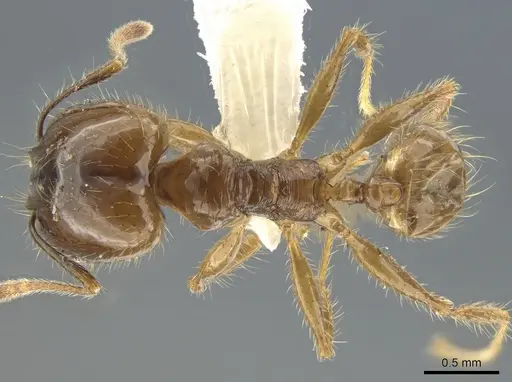
CASENT0635459
View on AntWeb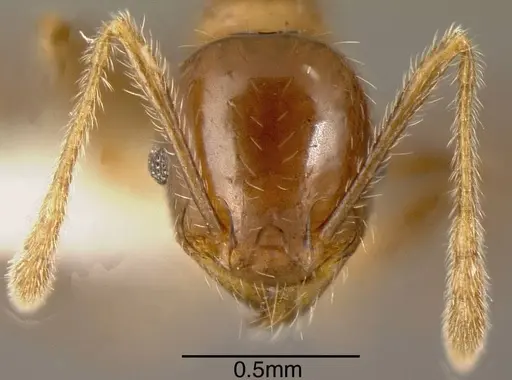
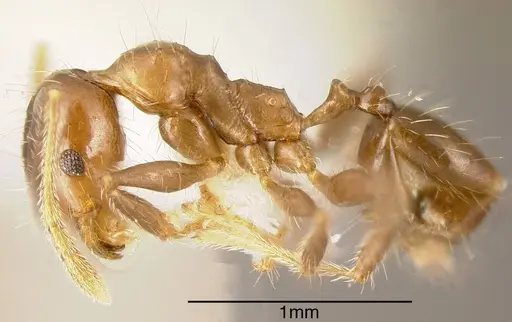
INBIOCRI001283476
View on AntWeb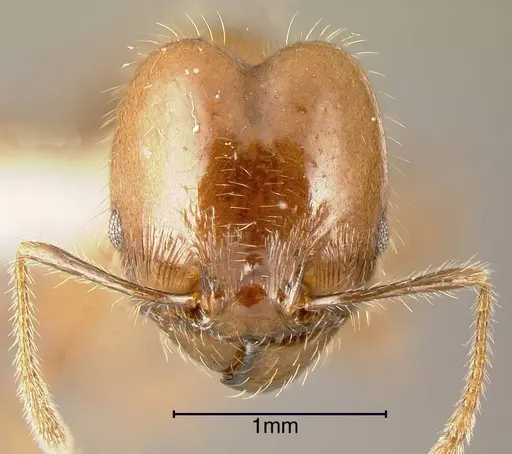
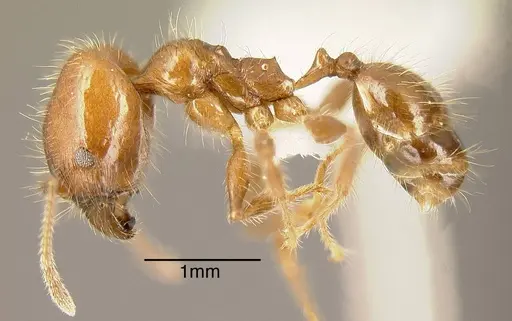
JTLC000014082
View on AntWeb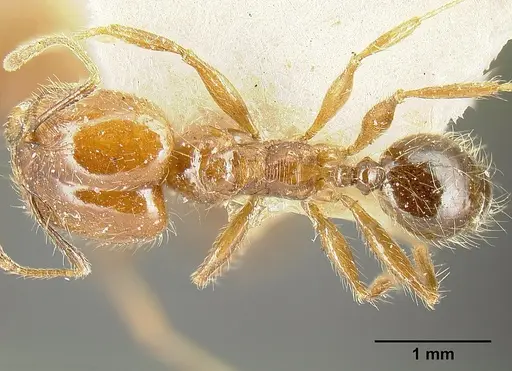
JTLC000014083
View on AntWeb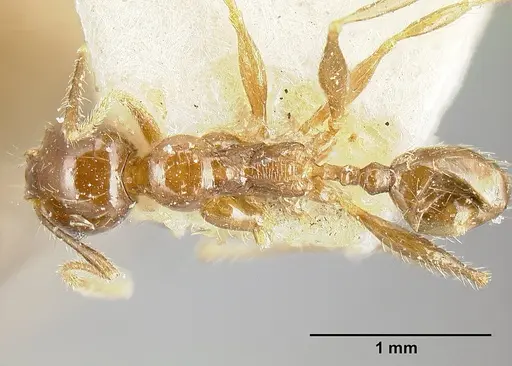
Literature
Loading...Loading products...