

Pheidole diabolus
- Scientific Name
- Pheidole diabolus
- Tribe
- Attini
- Subfamily
- Myrmicinae
- Author
- Wilson, 2003
- Distribution
- Found in 2 countries
Pheidole diabolus Overview
Pheidole diabolus is an ant species of the genus Pheidole. It is primarily documented in 2 countries , including Colombia, Costa Rica. Detailed taxonomic data and occurrence records can be further explored via authoritative databases such as AntWeb or the Global Biodiversity Information Facility (GBIF).
Pheidole diabolus
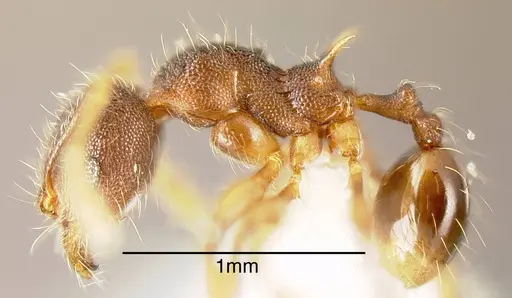
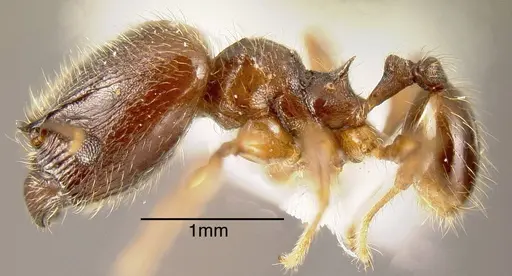
Pheidole diabolus is a striking Neotropical ant species known for its dramatic major workers. The majors have an unmistakable feature: a sharp, upcurved horn growing from the center of their clypeus (the face area above the mandibles), giving them an almost devil-like appearance, hence the species name 'diabolus' meaning devil. Major workers measure around 1.18mm head width, while minor workers are much smaller at about 0.52mm. The species is known from Costa Rica and Colombia's Chocó region, where it nests in rotting wood on the forest floor. A seed cache was documented in the type colony, indicating these ants harvest and store seeds like other Pheidole species [1][2].
Quick Summary
- Difficulty: Medium
- Origin & Habitat: Tropical rainforests of Costa Rica and Colombia's Chocó region. The type colony was found on a forested mountain ridge, nesting in a 4-cm-wide rotten tree branch lying on the ground [3].
- Colony Type: Likely monogyne (single queen) based on typical Pheidole patterns. Colony size is unknown but likely reaches several hundred workers given the genus average.
- Colony: Monogyne
- Founding: Claustral
- Size & Growth:
- Queen: Undescribed, no queen measurements available in the literature [3][1]
- Worker: Major: HW 1.18mm, HL 1.36mm, Minor: HW 0.52mm, HL 0.54mm [1]
- Colony: Unknown, no colony size data available. Related species typically reach 200-500 workers [3]
- Growth: Moderate, estimated based on related tropical Pheidole species
- Development: Estimated 5-8 weeks at tropical temperatures (24-28°C) based on genus patterns (Tropical species develop faster than temperate ants. First workers (nanitics) typically emerge smaller than normal workers.)
- Antkeeping:
- Temperature: Keep at 24-28°C. As a tropical species from lowland rainforests, they need warm conditions year-round. A heating cable on one side of the nest creates a suitable gradient [3].
- Humidity: High humidity (70-85%). These forest-floor ants need consistently moist substrate. Keep the nest substrate damp but not waterlogged, with some drier areas available for the ants to regulate their own conditions [3].
- Diapause: No, this is a tropical species that does not require hibernation. Keep temperatures stable year-round [3].
- Nesting: In captivity, they do well in naturalistic setups with soil and rotting wood, or Y-tong/plaster nests with moisture chambers. They naturally nest in decaying wood on the ground, so provide a humid nest environment with small chambers suitable for their minor workers [3].
- Behavior: Major workers are dedicated soldiers, their enlarged heads and powerful mandibles are designed for defense and processing large food items. Minor workers handle most daily tasks including foraging, caring for brood, and nest maintenance. Like other Pheidole, they are seed harvesters and will also collect small insects. They are not aggressive toward keepers but majors can deliver a mild sting if handled roughly. Escape risk is moderate, minors are small but not tiny, and standard formicarium barriers work well.
- Common Issues: tropical species needs constant warmth, cold temperatures below 20°C can slow or stop brood development, high humidity requirements mean mold can be an issue if ventilation is poor, seed-harvesting behavior means they may ignore protein if not hungry, offer insects regularly, wild-caught colonies may harbor parasites that can decimate the colony in captivity, slow founding phase, claustral queens may take months to produce first workers
Housing and Nest Setup
Pheidole diabolus does well in naturalistic setups that mimic their forest-floor habitat. Use a mix of soil and rotting wood as substrate, or provide a Y-tong/plaster nest with moisture chambers. The nest should have small, tight chambers suitable for their minor workers, avoid large open spaces. Because they naturally nest in decaying wood, a humid environment is essential. Place the nest in a warm area (24-28°C) and ensure the substrate stays consistently moist but never waterlogged. The outworld should include a shallow water dish and areas for seed storage. [3]
Feeding and Diet
Like other Pheidole species, P. diabolus is omnivorous with a preference for seeds and protein. The type colony was found with a seed cache, confirming they harvest and store seeds in nature. Offer a variety of seeds (grass seeds, millet, cracked sunflower) alongside protein sources like small insects (fruit flies, pinhead crickets, mealworms). Sugar water or honey can be offered occasionally but protein is more important for colony growth. Feed every 2-3 days, removing uneaten food to prevent mold. Major workers will help process larger food items with their powerful mandibles. [3]
Temperature and Seasonal Care
As a tropical species from Costa Rica and Colombia, Pheidole diabolus needs warm, stable temperatures year-round. Keep the nest area at 24-28°C, this is critical for proper brood development. A heating cable placed on one side of the nest creates a temperature gradient allowing ants to regulate their own conditions. Do not allow temperatures to drop below 20°C for extended periods, as this can slow development and weaken the colony. Unlike temperate species, they do not require hibernation or winter rest periods. Maintain consistent warmth and humidity throughout the year. [3]
Behavior and Colony Structure
Pheidole diabolus exhibits the classic Pheidole caste system with distinct major and minor workers. Major workers (soldiers) have dramatically enlarged heads with a distinctive upcurved horn on the clypeus, this is the species' most notable identifying feature. Their role is primarily defense and processing large food items. Minor workers handle foraging, brood care, and general nest tasks. The colony will grow slowly at first during the claustral founding phase, then accelerate once the first nanitic workers emerge. Colonies are not aggressive but majors can deliver a mild sting if threatened. Standard escape prevention measures work well since minors are not exceptionally small. [3][1]
Frequently Asked Questions
How long does it take for Pheidole diabolus to produce first workers?
Expect 5-8 weeks from egg to first worker at optimal tropical temperatures (24-28°C). The exact timeline is estimated based on related Pheidole species since this species hasn't been specifically studied. The claustral founding phase can take several months before the queen produces her first workers, so patience is required.
What do Pheidole diabolus ants eat?
They are omnivorous seed harvesters. Offer a mix of small seeds (grass seeds, millet, cracked sunflower) and protein sources (small insects like fruit flies, pinhead crickets, mealworms). Protein is essential for colony growth. You can occasionally offer sugar water or honey as a supplement.
Do Pheidole diabolus ants need hibernation?
No. As a tropical species from Costa Rica and Colombia, they do not require hibernation. Keep them warm year-round at 24-28°C. Cold temperatures can stop brood development and harm the colony.
What size colony does Pheidole diabolus reach?
The maximum colony size is unknown as this species hasn't been studied in detail. Based on related Pheidole species, expect colonies to reach several hundred workers over 1-2 years with good care.
Are Pheidole diabolus good for beginners?
They are rated as medium difficulty. While not the easiest species, they are manageable for keepers who can maintain warm, humid conditions year-round. The main challenges are their need for constant tropical temperatures and higher humidity. Experienced antkeepers should have success.
What makes Pheidole diabolus major workers special?
Their majors have a unique feature among ants, a sharp, upcurved horn projecting from the center of their clypeus (face). This distinctive horn, along with their prominent humeri (shoulder bumps), makes them one of the most visually striking Pheidole species. The name 'diabolus' means devil, referring to their devil-like appearance.
Can I keep multiple Pheidole diabolus queens together?
This has not been documented for this specific species. Most Pheidole are monogyne (single queen), and combining unrelated queens typically leads to fighting. It is not recommended to attempt housing multiple foundress queens together.
Where is Pheidole diabolus found in the wild?
They are native to the Neotropical region, specifically Costa Rica and Colombia's Chocó region. The type colony was found on a forested mountain ridge, nesting in a rotten tree branch on the ground at an elevation typical of tropical rainforests.
References

This caresheet is licensed under CC BY-SA 4.0 .
CASENT0635458
View on AntWeb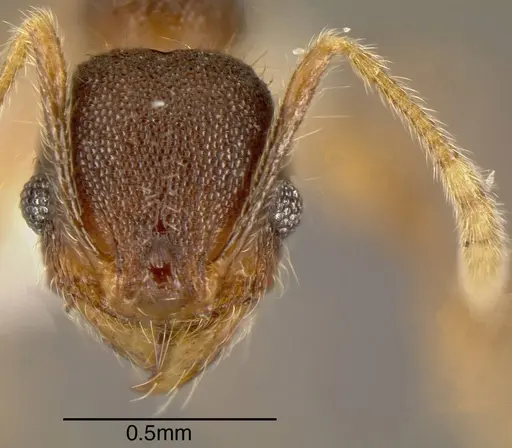
INBIOCRI001282176
View on AntWeb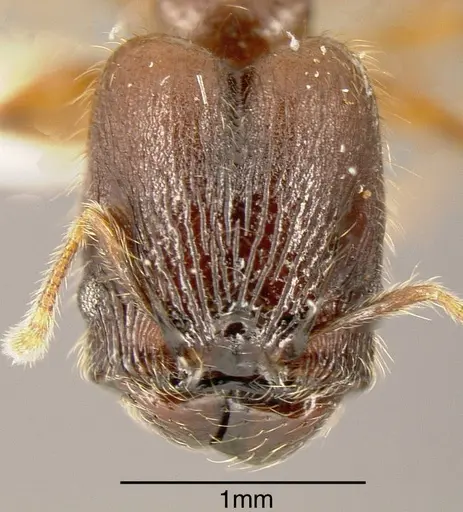
Literature
Loading...Loading products...