

Pheidole dentigula
- Scientific Name
- Pheidole dentigula
- Tribe
- Attini
- Subfamily
- Myrmicinae
- Author
- Smith, 1927
- Common Name
- Woodland Big-headed Ant
- Distribution
- Found in 1 countries
Pheidole dentigula Overview
Pheidole dentigula (commonly known as the Woodland Big-headed Ant) is an ant species of the genus Pheidole. It is primarily documented in 1 countries , including United States of America. Detailed taxonomic data and occurrence records can be further explored via authoritative databases such as AntWeb or the Global Biodiversity Information Facility (GBIF).
Pheidole dentigula - "Woodland Big-headed Ant"
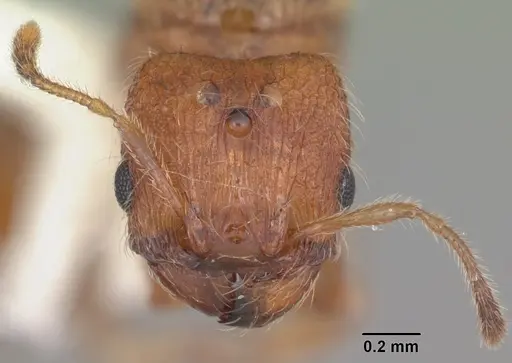
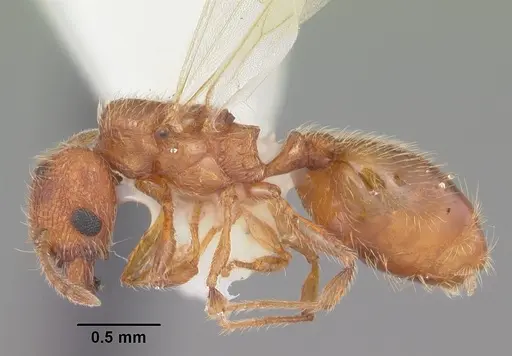
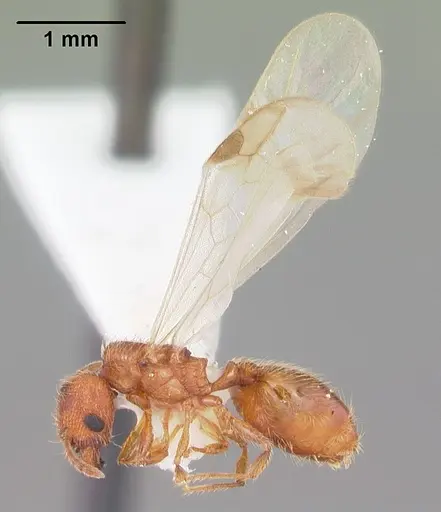
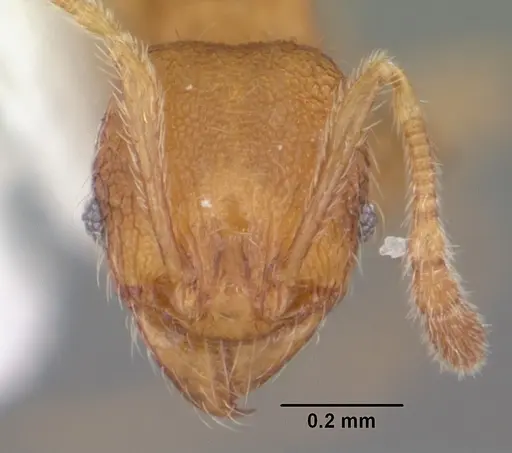
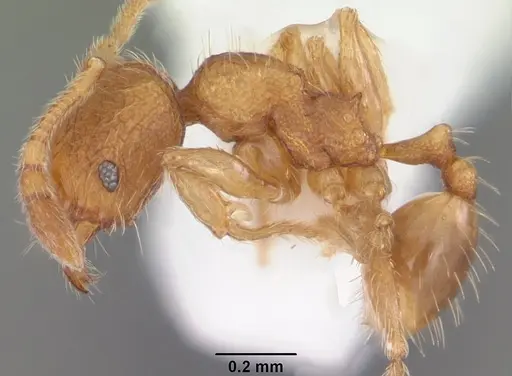
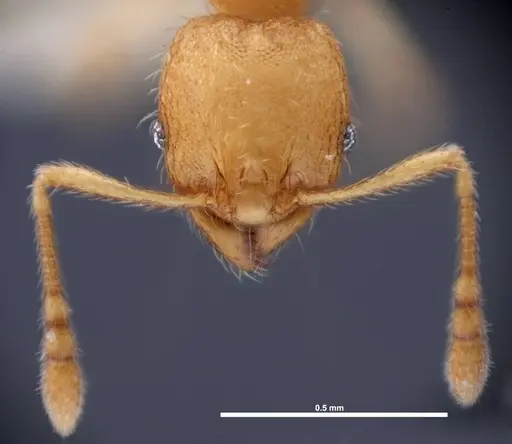
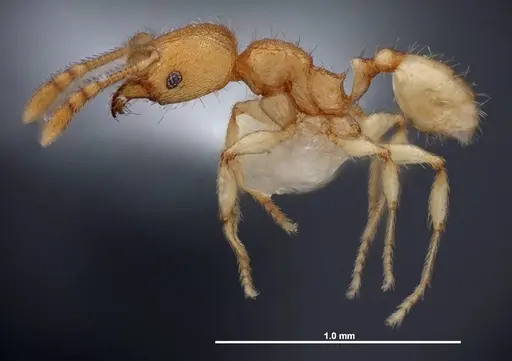
Pheidole dentigula is a small, reddish-brown ant native to the southeastern United States. Workers come in two sizes: minor workers at 2.5-3mm and major workers (soldiers) at around 4mm, with queens reaching 5-6mm. The species gets its name from the Latin 'dentigula' meaning 'toothed throat', referring to the distinctive strong teeth on the hypostoma (a part of the mouthparts) in major workers. Majors have a reddish-brown body with dark yellow legs, while minors are lighter reddish-brown with dark yellow waists and gasters.
This is a forest-dwelling species that nests in soil and rotting wood across the southeastern coastal plain, from Tennessee and North Carolina down to the Florida Keys and west to eastern Texas. They are highly adaptable to different forest types, common in moist forests but also found in drier pine-oak sandhill forests by seeking out moisture-retentive microhabitats like large rotten stumps or deep leaf litter [1].
Quick Summary
- Difficulty: Easy
- Origin & Habitat: Southeastern United States coastal plain, Tennessee and North Carolina south to Florida Keys, west to eastern Texas. Also found in northeastern Mexico (Tamaulipas). Inhabits forests where it nests in soil and rotten stumps. Found in various forest types including moist/deciduous forests, pine flatwoods, and oak-hickory forests [2][3][4].
- Colony Type: Single-queen colonies (monogyne). Major and minor worker castes present, this is a Pheidole species with distinct soldier castes.
- Colony: Monogyne
- Founding: Claustral
- Size & Growth:
- Queen: 5-6 mm
- Worker: Minor: 2.5-3mm, Major: 3.5-4mm
- Colony: Likely moderate, similar to other common Pheidole species in the region, likely several hundred workers [2]
- Growth: Moderate, typical for subtropical forest ants
- Development: Estimated 6-8 weeks at optimal temperature based on genus patterns (Development time inferred from related Pheidole species, direct measurements not available for this specific species)
- Antkeeping:
- Temperature: Keep at 22-26°C. This is a temperate/warm-climate species from the southeastern US that tolerates a range of conditions but prefers warmth [5]. Research shows they have a critical thermal maximum around 42°C, indicating they can handle warmer conditions [5][6].
- Humidity: Requires moderate to high humidity, forest species that nests in soil and rotting wood. Keep nest substrate moist but not waterlogged. Provide a moisture gradient so ants can choose their preferred humidity level.
- Diapause: Likely requires a winter rest period (diapause). As a temperate species from the southeastern US, they likely need 2-3 months of reduced temperatures (around 10-15°C) during winter months, similar to other native North American ants.
- Nesting: Natural nesting in soil, leaf litter, and rotting wood. In captivity, they do well in test tube setups initially, then can be moved to Y-tong or plaster nests with some soil or substrate for moisture retention. Provide a small chamber setup as they are a smaller species.
- Behavior: Generally non-aggressive and docile. Like other Pheidole species, they have major workers (soldiers) that defend the colony but the species is not particularly aggressive toward keepers. They are active foragers that recruit nestmates to food sources. Research shows they are highly responsive to sugar sources and will strongly recruit to higher concentration solutions (1.0M) over lower ones (0.5M) [7]. They also show interesting distance-based foraging decisions, preferring closer food sources even when more caloric options are available further away [7]. Escape risk is moderate, they are small ants but not as tiny as some species, standard escape prevention measures should suffice.
- Common Issues: colonies may fail if kept too dry, being a forest species, they need consistent moisture in the nest, winter die-offs are common if proper diapause is not provided, this temperate species needs a cold period, major workers can block narrow tubing with their large heads, use appropriately sized connections, slow founding phase, claustral queens may take 6-8 weeks before first workers emerge, wild-caught colonies may have parasites or disease that can cause colony collapse
Housing and Nest Setup
Pheidole dentigula does well in standard test tube setups for founding colonies. Use a test tube with a water reservoir plugged with cotton, the ants will live in the dry portion while the cotton provides moisture. For established colonies, Y-tong (acrylic) nests work well, or you can use a plaster/naturalistic setup that retains some moisture. Since they are a forest species that naturally nests in soil and rotting wood, adding a thin layer of moist substrate to part of the nest gives them options. Avoid completely dry environments, they need humidity. A small outworld for foraging allows you to feed them without disturbing the nest chamber. [2][3]
Feeding and Diet
Pheidole dentigula is omnivorous with a strong preference for sugary foods. Research shows they are highly responsive to carbohydrate sources, strongly preferring higher concentration sugar solutions (1.0M) over dilute ones (0.5M) [7]. They respond best to glucose and sucrose, with moderate response to trehalose, maltose, melezitose, and fructose [7]. Offer sugar water, honey, or diluted syrup regularly, at least twice weekly. They also need protein, small insects like fruit flies, pinhead crickets, or mealworms work well. Since they have major workers, they can handle slightly larger prey items than very tiny ants. Feed protein every 2-3 days and keep sugar water available constantly.
Temperature and Seasonal Care
Keep your colony at 22-26°C for optimal growth and activity. This species has been studied for thermal tolerance and shows a critical thermal maximum around 42°C, meaning they can tolerate warmer conditions than many temperate ants [5][6]. However, they do best in the moderate warming range. During winter (roughly November through February in the Northern Hemisphere), reduce temperatures to around 10-15°C to provide a diapause period. This mimics their natural seasonal cycle in the southeastern US forests. Do not feed heavily during diapause and reduce water moisture slightly. Return to normal temperatures gradually in spring.
Colony Growth and Development
As a claustral species, the queen seals herself in a chamber and raises the first brood without leaving. She uses stored fat reserves to produce eggs and feed the larvae. First workers (nanitics) will be smaller than normal workers. Development from egg to worker likely takes 6-8 weeks at warm temperatures (around 24-26°C), based on patterns from related Pheidole species. Colonies grow moderately, expect several months to reach 50+ workers, and a year or more to reach several hundred. The presence of major workers (soldiers) typically increases as the colony grows, as these develop from larvae that receive extra food. Major workers serve as defenders and help process larger food items. [7]
Behavior and Foraging
This species shows interesting foraging decision-making. Research found they prefer closer food sources even when more caloric options are available at greater distances, this was observed with sucrose and glucose but interestingly not with maltose [7]. They recruit nestmates efficiently, with a sudden increase in foragers in the first 5 minutes when discovering food, reaching maximum recruitment around 20 minutes [7]. They are not aggressive toward keepers and can be handled gently. However, major workers will defend the colony if threatened. They are primarily ground-nesting and forage through the substrate and on the surface.
Frequently Asked Questions
How long does it take for Pheidole dentigula queens to lay eggs?
After the nuptial flight and dealation (wing removal), claustral queens typically begin laying eggs within 1-2 weeks when kept at warm temperatures (24-26°C). The queen seals herself in a chamber and begins her claustral founding phase.
When will I see the first workers?
Expect first workers (nanitics) to emerge in 6-8 weeks at optimal temperature (around 24-26°C). This is based on typical Pheidole development patterns. The first batch is usually small, perhaps 3-8 workers.
Can I keep multiple queens together?
This species is monogyne, colonies have a single queen. Combining unrelated foundress queens is not recommended as they would likely fight. Only keep one queen per colony.
What do I feed Pheidole dentigula?
Offer sugar water or honey regularly (keep available at all times) and protein sources like small insects (fruit flies, mealworms, small crickets) every 2-3 days. They strongly prefer higher concentration sugar solutions (1.0M) over dilute ones [7].
Do they need hibernation?
Yes, as a temperate species from the southeastern US, they benefit from a winter rest period. Reduce temperatures to 10-15°C for 2-3 months during winter (roughly November-February). This helps maintain colony health and follows their natural seasonal cycle.
Are Pheidole dentigula good for beginners?
Yes, this is a good beginner species. They are relatively hardy, don't require extreme conditions, and are widely available in their native range. They are less aggressive than some ant species and adapt well to captivity.
How big do colonies get?
Colonies likely reach several hundred workers at maturity, typical of forest-dwelling Pheidole species. Major workers (soldiers) become more common as the colony grows and help with food processing and defense.
Why are my ants dying outside the nest?
Some worker death outside the nest is normal, ants that become sick often leave to die away from the colony (self-exclusion behavior). However, mass deaths may indicate problems: too dry conditions, improper temperature, disease from wild-caught colonies, or poisoning. Ensure proper humidity and avoid disturbing the colony excessively.
When should I move them from a test tube to a formicarium?
Move to a larger nest when the test tube becomes crowded (50+ workers) or the water reservoir is depleted. Make sure the new setup has appropriate humidity and escape prevention. A Y-tong or plaster nest with some substrate works well for this forest species.
References

This caresheet is licensed under CC BY-SA 4.0 .
CASENT0104392
View on AntWeb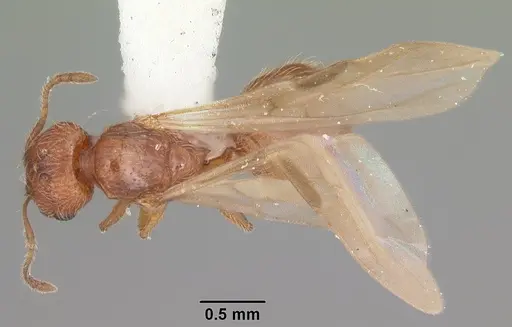
CASENT0104393
View on AntWeb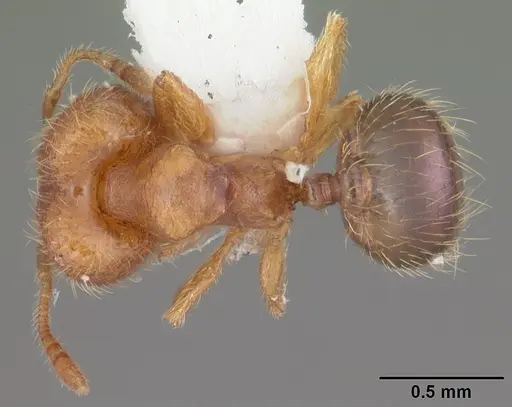
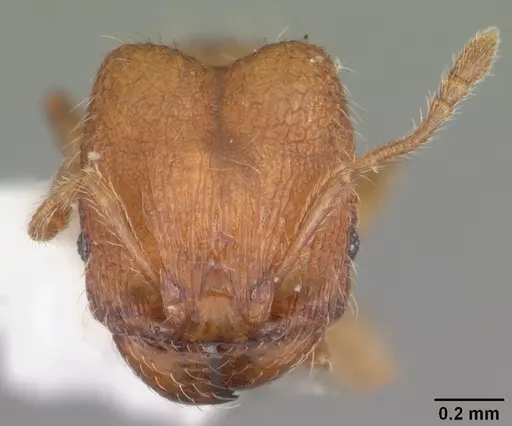
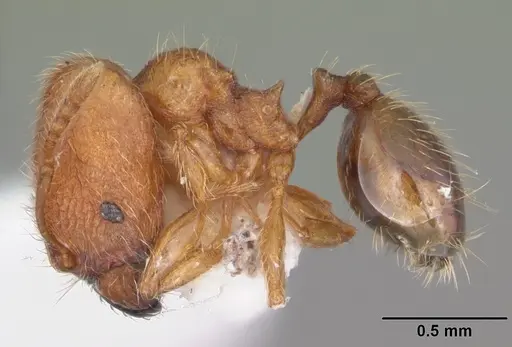
CASENT0104394
View on AntWeb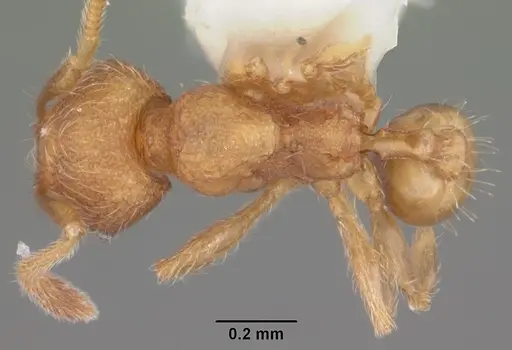
FMNHINS0000088647
View on AntWeb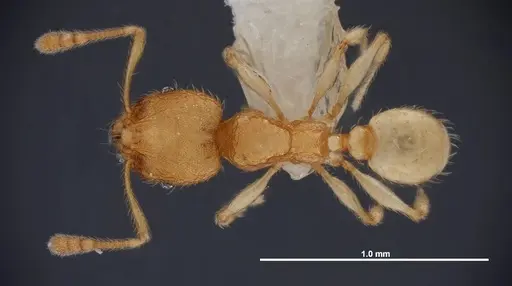
Literature
Loading...Loading products...