

Pheidole demeter
- Scientific Name
- Pheidole demeter
- Tribe
- Attini
- Subfamily
- Myrmicinae
- Author
- Wilson, 2003
- Distribution
- Found in 1 countries
Pheidole demeter Overview
Pheidole demeter is an ant species of the genus Pheidole. It is primarily documented in 1 countries , including Peru. Detailed taxonomic data and occurrence records can be further explored via authoritative databases such as AntWeb or the Global Biodiversity Information Facility (GBIF).
Pheidole demeter
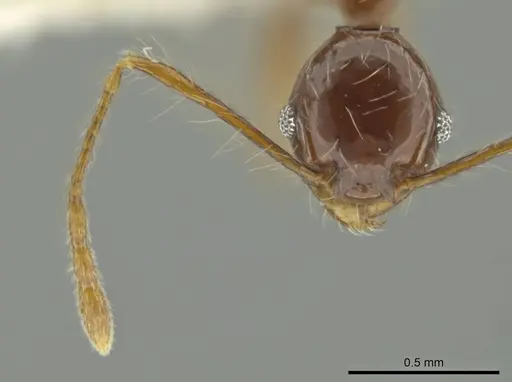
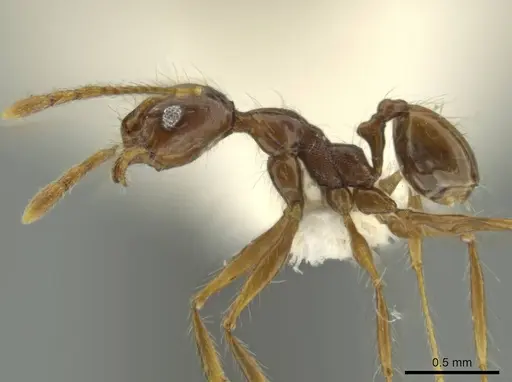
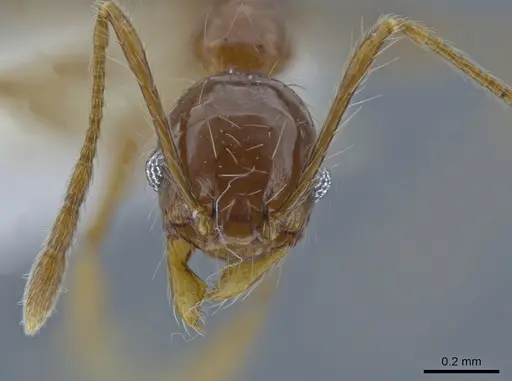
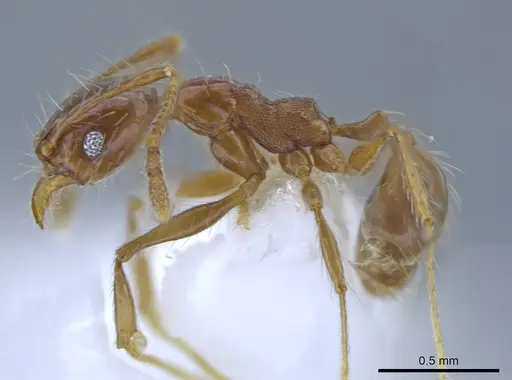
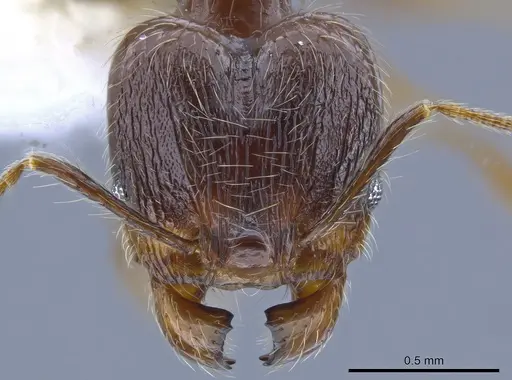
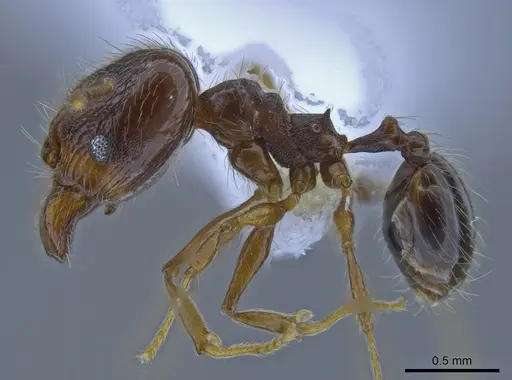
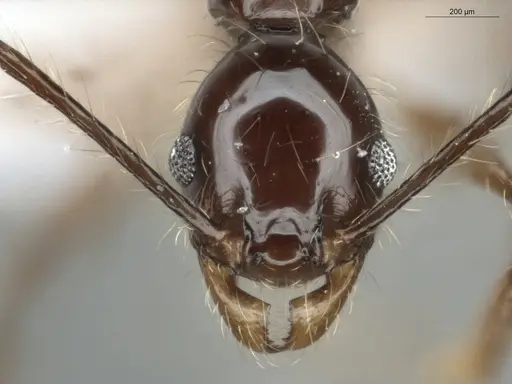
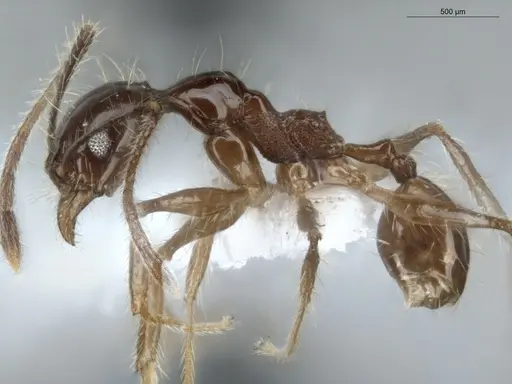
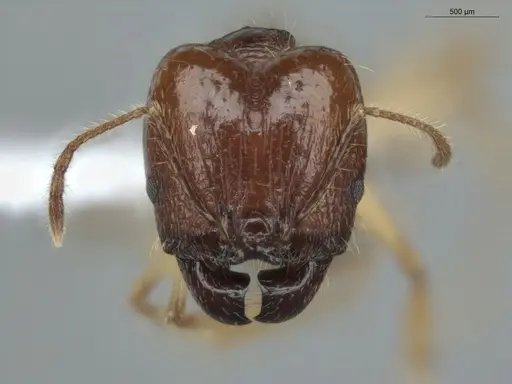
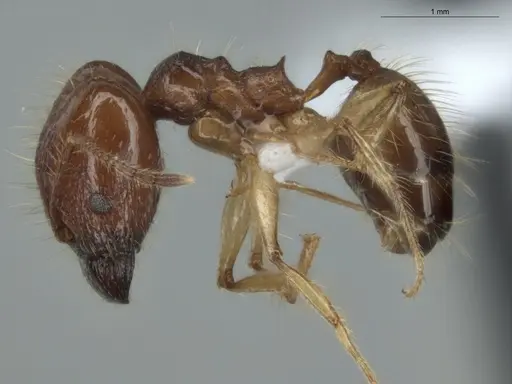
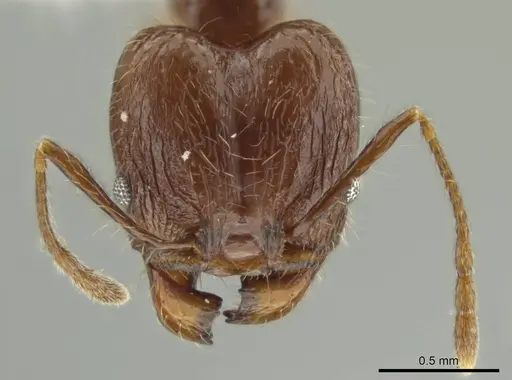
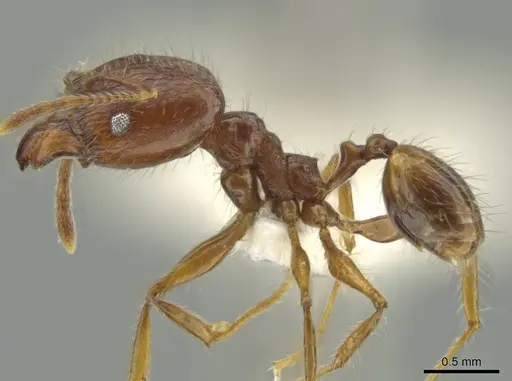
Pheidole demeter is a small Neotropical ant belonging to the diligens group, first described by Wilson in 2003. This species is known only from the Amazon region of Peru, specifically Cuzco Amazónico near Puerto Maldonado. Majors measure around 1.08mm head width with a distinctive 'sharkfin' extension on the humerus, while minors are much smaller at 0.52mm. The species has a brown coloration with slight reddish tinges on the major's head. This is a dimorphic species with distinct major and minor worker castes. The species name honors Demeter, the Greek goddess of agriculture and social order.[1]
Quick Summary
- Difficulty: Medium
- Origin & Habitat: Native to the Amazon basin in Peru. In the wild, colonies have been found nesting in rotten sticks at the litter surface in terra firme (unflooded) forest, and beneath bark of palm logs in seasonally flooded forest. This indicates they prefer humid, shaded microhabitats with decaying wood.
- Colony Type: Colony structure is unconfirmed for this species. Many Pheidole species are monogyne (single queen) but some can be polygyne. The closely related species in the diligens group typically form moderate-sized colonies.
- Founding: Claustral
- Size & Growth:
- Queen: Unconfirmed, Pheidole queens are typically 6-10mm [1]
- Worker: Major: 1.08mm HW, Minor: 0.52mm HW
- Colony: Unknown for this species, but related Pheidole species typically reach several hundred to a few thousand workers [1]
- Growth: Moderate, inferred from related species
- Development: Estimated 6-8 weeks based on typical Pheidole development at tropical temperatures [1] (Development time is estimated based on genus patterns for tropical Pheidole species. Actual timing may vary.)
- Antkeeping:
- Temperature: Keep at 24-28°C. As a tropical Amazon species, they need warm, stable temperatures. A heating cable on one side of the nest creates a suitable gradient [1].
- Humidity: High humidity required, aim for 70-80%. These ants naturally live in humid forest floor environments. Keep the nest substrate consistently moist but not waterlogged. The rotten stick and under-bark nesting preferences indicate they need damp conditions.
- Diapause: Unlikely, as a tropical species from the Amazon, they probably do not require a hibernation period. However, a slight cool-down period during the 'dry season' (roughly December-February) may be beneficial.
- Nesting: Provide a naturalistic setup with decaying wood pieces or a Y-tong/plaster nest with moisture retention. The species naturally nests in rotting wood and under bark, so a humid, wood-based environment works well. Test tube setups can work but monitor humidity closely.
- Behavior: Generally peaceful and not aggressive. Like most Pheidole, they are seed-harvesters but also readily accept protein sources like small insects. The small minor workers are active foragers while majors use their larger heads for seed processing and colony defense. Escape prevention is important, minors are very small (0.52mm) and can squeeze through tiny gaps. Use fine mesh and tight-fitting barriers. [1]
- Common Issues: escape prevention is critical due to their very small minor workers size, humidity management can be challenging, too dry causes colony decline, too wet causes mold, wild-caught colonies may have parasites that kill them in captivity, slow initial colony growth during founding phase can lead to overfeeding, tropical species may struggle if room temperature drops below 24°C
Nest Preferences
In the wild, Pheidole demeter colonies have been found nesting in two different microhabitats in the Amazon forest: rotten sticks at the litter surface in terra firme forest, and beneath bark of palm logs in seasonally flooded forest. Both locations are humid, shaded, and involve decaying wood. For captive care, replicate these conditions using a naturalistic setup with small pieces of rotting wood or cork bark, or use a Y-tong/plaster nest that retains moisture well. Test tubes can work but require careful humidity monitoring, the substrate should feel damp but not have standing water. Avoid dry, airy setups. The nest should be kept in a shaded area away from direct sunlight.
Feeding and Diet
Pheidole species are generalist omnivores with a preference for seeds and protein. In captivity, offer a varied diet including: small seeds (millet, chia, sesame), protein sources (small insects like fruit flies, pinhead crickets, mealworms), and occasional sugar sources (honey water, sugar water). The major workers have specialized head morphology for seed processing. Feed protein 2-3 times per week and keep a constant sugar water source. Remove uneaten food after 24-48 hours to prevent mold. The small minor workers will forage actively while majors handle larger food items. [1]
Temperature and Care
As a tropical Amazon species from Peru, Pheidole demeter requires warm temperatures between 24-28°C. Room temperature may be sufficient in warm homes, but a heating cable on part of the nest can help maintain optimal conditions. Use a digital thermometer to monitor. Place the heating element on top of the nest to create gentle warmth without evaporating moisture too quickly. Temperature affects development speed, warmer temperatures within range speed up brood development but also increase metabolism and food consumption. Avoid temperature fluctuations and keep away from air conditioning vents. [1]
Behavior and Temperament
This is a peaceful species that is not aggressive toward keepers. Pheidole demeter has the typical dimorphic caste system with small minor workers (0.52mm) that handle most foraging and larger major workers (1.08mm head width) specialized for seed processing and colony defense. Majors have a distinctive 'sharkfin' humeral shape. Workers are active foragers that will emerge quickly when food is introduced. The main husbandry concern is escape prevention, the minor workers are extremely small and can slip through standard barrier setups. Use fine mesh (at least 0.5mm or tighter) and ensure all connections are sealed.
Colony Founding
The founding behavior of this specific species has not been directly observed. However, Pheidole species are typically claustral, the queen seals herself in a small chamber, lives entirely on stored fat reserves, and raises the first brood alone without foraging. Expect the queen to lay eggs shortly after mating, with larvae developing through the summer. The first workers (nanitics) will be smaller than normal minors. During the founding phase, do not disturb the nest or offer food, the queen will not leave to forage. Once the first workers emerge, you can begin offering tiny amounts of sugar water and small protein items. [1]
Growth and Development
Pheidole demeter is a dimorphic species with distinct major and minor castes. The major workers develop from specialized larvae and have the distinctive 'sharkfin' humeral extension. Colony growth follows typical Pheidole patterns: slow initially during the claustral founding phase, then accelerating once the first nanitic workers emerge. Based on related species, expect 6-8 weeks from egg to first worker at optimal tropical temperatures. The colony will remain small (under 50 workers) for the first few months, then growth accelerates. Maximum colony size is unknown but likely reaches several hundred to a few thousand workers. [1]
Frequently Asked Questions
How long does it take for Pheidole demeter to produce first workers?
Based on typical Pheidole development, expect 6-8 weeks from egg to first worker at optimal temperatures (24-28°C). The founding phase is slow, the queen seals herself in and raises the first brood alone. Patience is key during this period.
What do Pheidole demeter ants eat?
They are generalist omnivores. Offer small seeds (millet, sesame), protein sources (fruit flies, small insects, mealworms), and sugar water or honey. Feed protein 2-3 times per week with constant sugar water available.
Can I keep multiple queens together?
This has not been documented for this species. Most Pheidole are monogyne (single queen). It is not recommended to combine unrelated foundress queens as they typically fight.
What temperature do Pheidole demeter need?
Keep them warm at 24-28°C. As a tropical Amazon species, they need consistent warmth. A heating cable on part of the nest can help maintain temperatures.
Do they need hibernation or diapause?
Probably not. As a tropical Amazon species from Peru, they likely do not require a hibernation period. However, a slight cool-down during the dry season may be natural.
Why are my Pheidole demeter escaping?
The minor workers are extremely small (0.52mm) and can squeeze through tiny gaps. Use fine mesh barriers (0.5mm or tighter) and check all connections and lid seals carefully.
Are Pheidole demeter good for beginners?
They are rated as medium difficulty. The main challenges are escape prevention due to their tiny size and maintaining proper humidity. If you can manage those, they are rewarding species.
When should I move them to a formicarium?
Keep them in a test tube or small setup for the founding phase. Once the colony reaches 50+ workers and you see active foraging, you can move them to a larger naturalistic setup or formicarium.
How big do Pheidole demeter colonies get?
The maximum colony size is unknown for this species, but related Pheidole species typically reach several hundred to a few thousand workers.
What humidity level do they need?
High humidity at 70-80%. They naturally live in rotting wood in humid Amazon forests. Keep the nest substrate consistently moist but not waterlogged.
References

This caresheet is licensed under CC BY-SA 4.0 .
CASENT0644186
View on AntWeb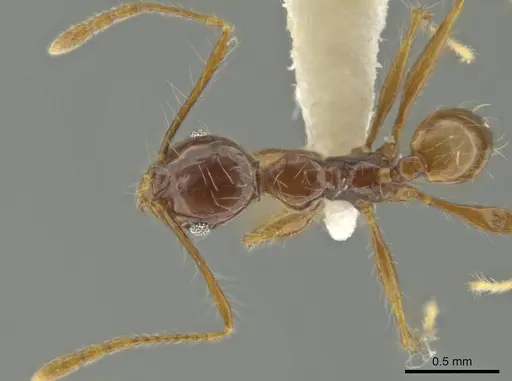
CASENT0650580
View on AntWeb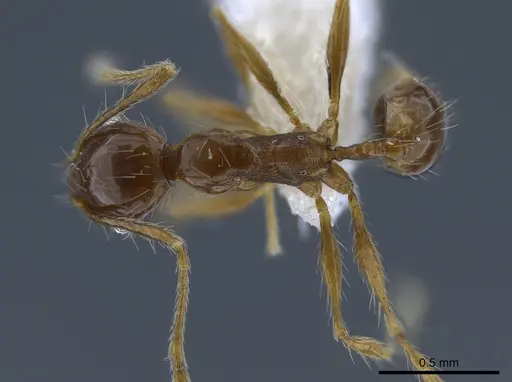
CASENT0650581
View on AntWeb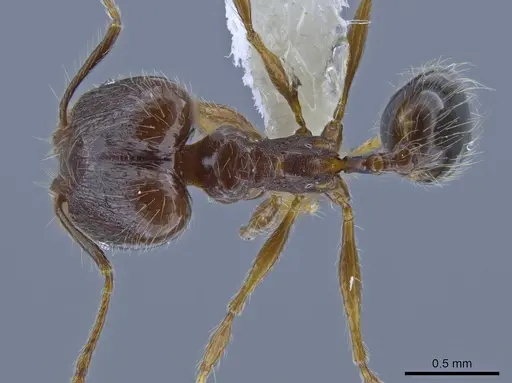
ECOFOG-MI15-0378-45
View on AntWeb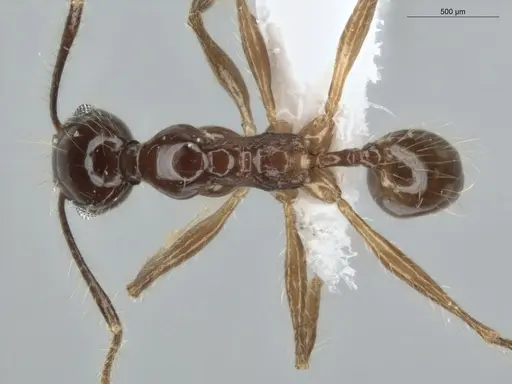
ECOFOG-MI15-0378-52
View on AntWeb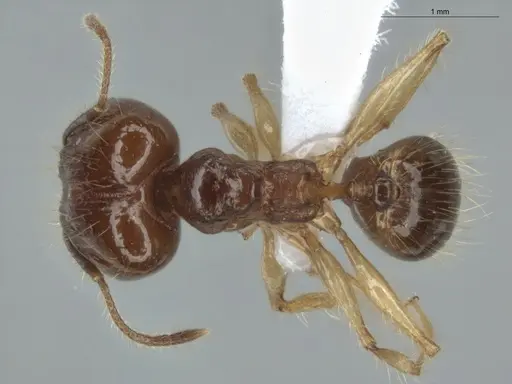
JTLC000016363
View on AntWeb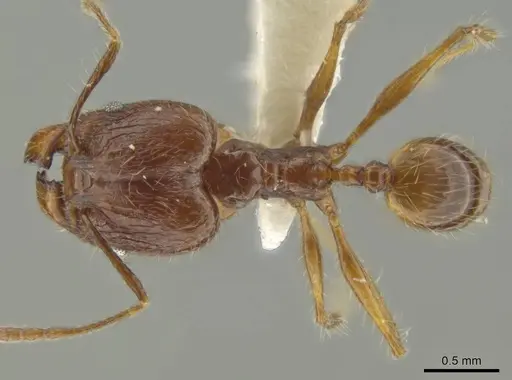
Literature
Loading...Loading products...