

Pheidole deltea
- Scientific Name
- Pheidole deltea
- Tribe
- Attini
- Subfamily
- Myrmicinae
- Author
- Eguchi, 2001
- Distribution
- Found in 1 countries
Pheidole deltea Overview
Pheidole deltea is an ant species of the genus Pheidole. It is primarily documented in 1 countries , including Malaysia. Detailed taxonomic data and occurrence records can be further explored via authoritative databases such as AntWeb or the Global Biodiversity Information Facility (GBIF).
Pheidole deltea
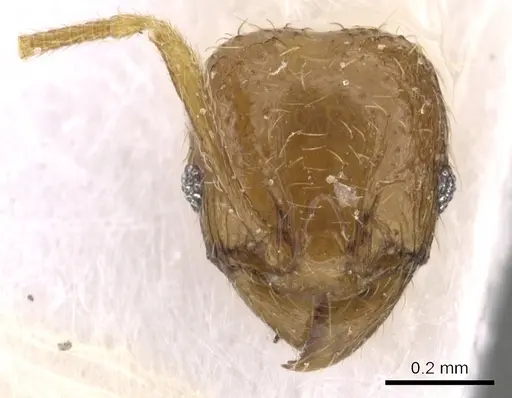
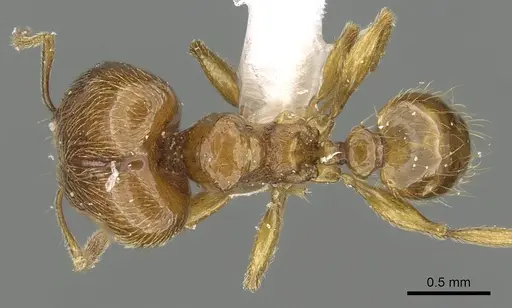
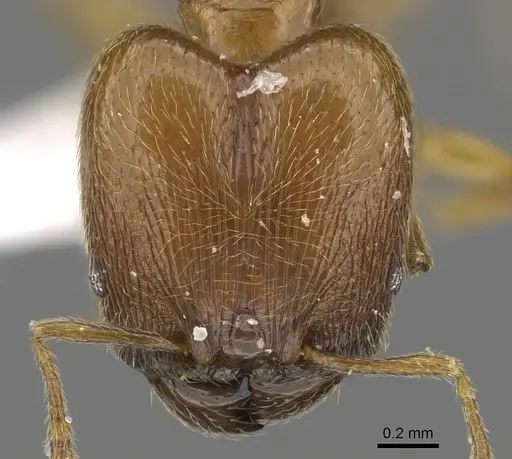
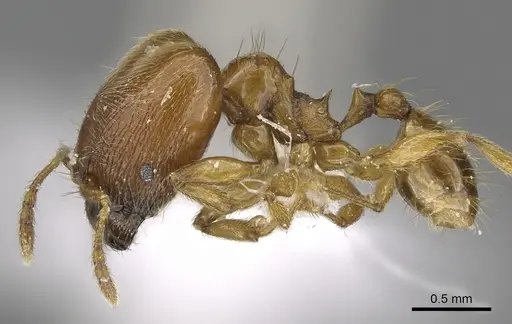
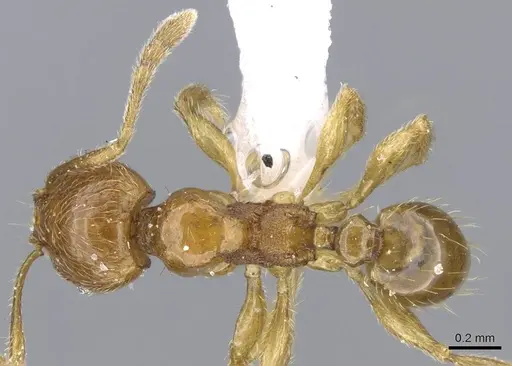
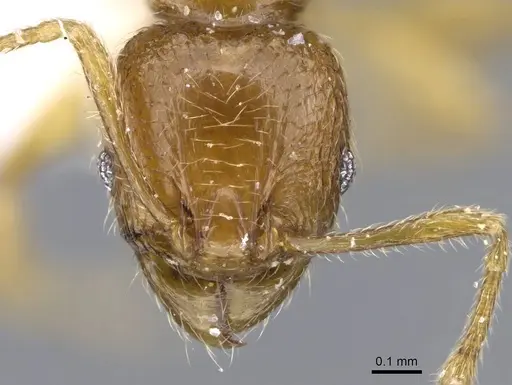
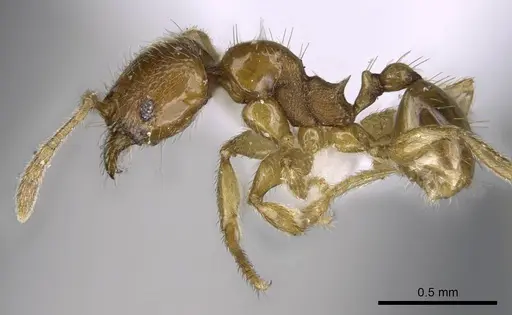
Pheidole deltea is a small-sized ant species native to Southeast Asia, found across Borneo, Brunei, the Philippines, and Indonesia. Majors measure 1.7-2.5mm while minors are even smaller at 1.3-1.6mm, making them one of the smaller Pheidole species. The workers are light yellowish-brown to brown in color, with the majors possessing the characteristic large head typical of Pheidole for seed milling. This species was described by Eguchi in 2001 and is recognized by its smooth occipital lobe and the distinctive shape of its propodeal spines. In the wild, these ants inhabit lowland dipterocarp rainforests where they nest in rotting wood or leaf litter on the forest floor.
Quick Summary
- Difficulty: Medium
- Origin & Habitat: Borneo, Brunei, Philippines, and Indonesia, lowland dipterocarp rainforest at elevations around 250m [1][2]
- Colony Type: Single-queen colonies (monogyne) typical of the genus Pheidole [2]
- Colony: Monogyne
- Founding: Claustral
- Size & Growth:
- Queen: Not documented in available sources, estimated 5-7mm based on genus patterns
- Worker: Majors 1.7-2.5mm, Minors 1.3-1.6mm [2]
- Colony: Unknown for this species, typical Pheidole colonies reach several hundred to a few thousand workers
- Growth: Moderate, inferred from typical Pheidole development patterns
- Development: Estimated 6-8 weeks based on genus-level data for similar tropical Pheidole species (Development time is temperature-dependent, warmer temperatures within acceptable range may speed development)
- Antkeeping:
- Temperature: Keep at 24-28°C, these are tropical rainforest ants that prefer warm, stable conditions
- Humidity: High humidity required (70-85%). Keep the nest substrate consistently moist but not waterlogged. Provide a water tube for drinking access.
- Diapause: No, as a tropical species from lowland rainforests, they do not require hibernation or winter rest
- Nesting: Natural nesting occurs in rotting wood and leaf litter. In captivity, Y-tong nests or plaster nests with good moisture retention work well. Avoid dry setups.
- Behavior: Pheidole deltea is a relatively calm species that is not particularly aggressive. Majors specialize in seed milling and will crack open hard seeds to access the nutritious contents inside. Workers are active foragers that will recruit nestmates to food sources using chemical trails. Their small size makes them excellent escape artists, fine mesh barriers and tight-fitting lids are essential. They are primarily ground-nesting and may not climb smooth surfaces well.
- Common Issues: escape prevention is critical due to their very small size, use fine mesh and tight barriers, high humidity requirements can lead to mold problems if ventilation is poor, tropical species are sensitive to temperature drops below 22°C, wild-caught colonies may harbor parasites that can decimate the colony in captivity, slow initial colony growth during the founding phase can lead to beginner impatience and overfeeding
Housing and Nest Setup
Pheidole deltea requires a setup that maintains high humidity while providing adequate ventilation. Y-tong (acrylic) nests work well because they allow you to control moisture levels easily, add a water reservoir or moist cotton on one end of the nest. Plaster nests are another excellent option as they hold moisture well. The chambers should be appropriately sized for their small body size, avoid large, open spaces. For the outworld, a simple plastic container works fine, but ensure all connections and lids are secure. Because of their tiny size, even small gaps around tubing connections can lead to escapes. Cover any ventilation holes with fine mesh (at least 0.5mm). Test tube setups can work for founding colonies but monitor water levels carefully, these small ants are sensitive to flooding. [2]
Feeding and Diet
Like other Pheidole species, these ants are omnivorous with a preference for protein. Offer protein sources such as small mealworms, fruit flies, small crickets, or other appropriately-sized insects twice weekly. Pheidole deltea will also readily accept seeds, the majors use their enlarged heads to crack seeds open, making them excellent at seed processing. This natural seed-milling behavior makes them interesting to watch during feeding. Sugar sources like honey water or sugar water can be offered occasionally, though protein should form the bulk of their diet. Always remove uneaten prey after 24-48 hours to prevent mold. Fresh water should always be available. [2]
Temperature and Humidity Management
As a tropical lowland rainforest species, Pheidole deltea requires warm and humid conditions. Maintain temperatures between 24-28°C year-round. A small heating cable or mat placed on one side of the nest can create a gentle temperature gradient, allowing ants to regulate their own temperature by moving between warmer and cooler areas. Humidity should be kept at 70-85%. The nest substrate should feel consistently damp but never waterlogged, standing water in the nest can drown colonies. You can achieve this by misting the outworld and keeping moist cotton in the water reservoir. Monitor for condensation on nest walls, some condensation is good, but excessive dripping indicates too much moisture. Room temperature within the range is acceptable without additional heating in most homes. [1]
Colony Development and Growth
Pheidole colonies grow through a well-documented series of stages. After the claustral queen seals herself in, she lays eggs which hatch into larvae. The larvae are fed by the queen until they pupate and emerge as nanitic (first) workers, typically smaller than normal workers. Once the first workers emerge, the queen stops foraging entirely and focuses on egg-laying while workers take over all colony tasks. The colony will grow steadily as more workers are produced. The major workers (soldiers) appear as the colony reaches several dozen workers, these develop from larvae that receive more food. Majors have the distinctive enlarged heads used for seed milling and colony defense. Expect the founding phase to last 6-8 weeks before the first workers appear, then several months to reach 50+ workers. [2]
Behavior and Observation
One of the most interesting aspects of keeping Pheidole deltea is observing the division of labor between minor and major workers. Minor workers handle most day-to-day tasks including foraging, brood care, and nest maintenance. Major workers specialize in seed processing, they use their powerful mandibles to crack seeds that minors cannot open. When you offer seeds, watch majors carry them to processing areas where multiple majors may work together to extract the contents. Workers communicate about food discoveries through chemical pheromone trails, when you place a food item, you'll see workers rapidly recruiting nestmates. The majors are not particularly aggressive but will defend the colony if threatened. Their small size and nocturnal activity patterns mean they're often most active in the evening hours. [2]
Frequently Asked Questions
How long does it take for Pheidole deltea to produce first workers?
Expect 6-8 weeks from egg to first worker at optimal temperatures (24-28°C). The claustral queen seals herself in and raises the first brood entirely on her stored fat reserves. Once the nanitic workers emerge, they take over foraging and the colony begins to grow more rapidly.
What do I feed Pheidole deltea ants?
Offer protein sources like small mealworms, fruit flies, or small crickets twice weekly. They also readily accept seeds, the major workers will crack them open using their enlarged heads. Sugar water or honey water can be offered occasionally. Always provide fresh water.
Do Pheidole deltea ants need hibernation?
No, as a tropical lowland rainforest species from Borneo and surrounding regions, they do not require hibernation or diapause. Keep them warm (24-28°C) year-round.
How big do Pheidole deltea colonies get?
While exact maximum colony size is unconfirmed for this species, typical Pheidole colonies reach several hundred to a few thousand workers. The presence of major workers (soldiers) typically appears once the colony reaches 50-100 workers.
Can I keep multiple Pheidole deltea queens together?
No, this species is monogyne, meaning colonies have a single queen. Combining unrelated queens will likely result in fighting. Only introduce a second queen to an established colony if you intend to attempt pleometrosis (founding together), but this carries significant risk of queen mortality.
Why are my Pheidole deltea ants escaping?
Their very small size (majors 1.7-2.5mm, minors 1.3-1.6mm) makes them excellent escape artists. Check all connections, lids, and ventilation holes. Use fine mesh (0.5mm or smaller) on any openings and ensure tubing connections are secure with tape or proper fittings.
What humidity level do Pheidole deltea ants need?
Keep humidity at 70-85%. The nest substrate should feel consistently damp but never waterlogged. Provide a water tube for drinking access. Monitor for mold, good ventilation helps prevent excessive moisture buildup.
When should I move my colony to a formicarium?
Keep founding colonies in a test tube setup until the colony reaches 30-50 workers. At this point, you can transition to a Y-tong or plaster nest. Make sure the new nest has appropriately sized chambers for their small body size.
Are Pheidole deltea good ants for beginners?
This species is rated as Medium difficulty. While not the easiest species, they are rewarding to keep due to their interesting major/minor worker division of labor. The main challenges are maintaining high humidity and preventing escapes due to their small size.
References

This caresheet is licensed under CC BY-SA 4.0 .
Literature
Loading...Loading products...