

Pheidole deima
- Scientific Name
- Pheidole deima
- Tribe
- Attini
- Subfamily
- Myrmicinae
- Author
- Wilson, 2003
- Distribution
- Found in 4 countries
Pheidole deima Overview
Pheidole deima is an ant species of the genus Pheidole. It is primarily documented in 4 countries , including Brazil, Ecuador, French Guiana. Detailed taxonomic data and occurrence records can be further explored via authoritative databases such as AntWeb or the Global Biodiversity Information Facility (GBIF).
Pheidole deima
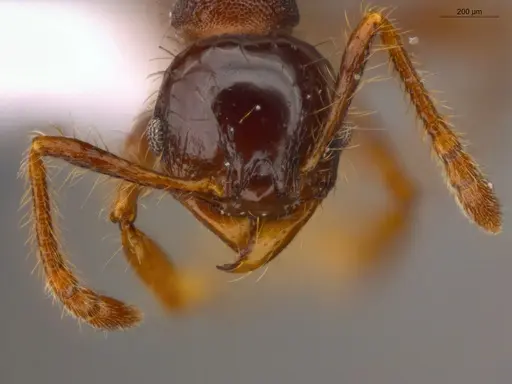
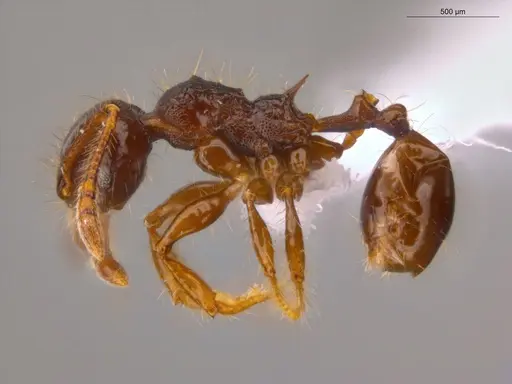
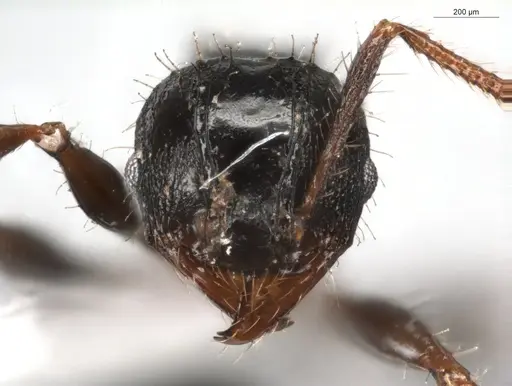
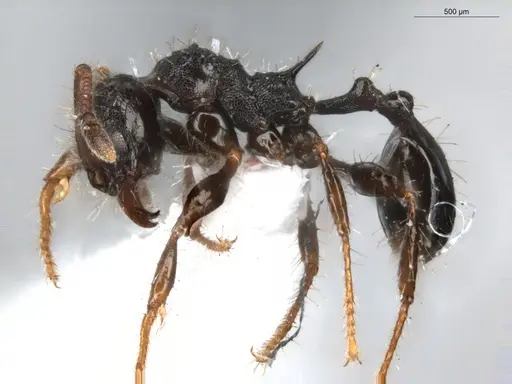
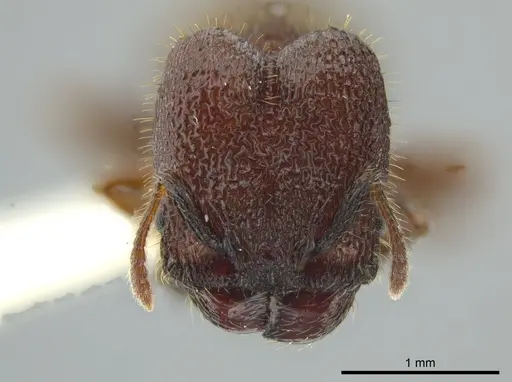
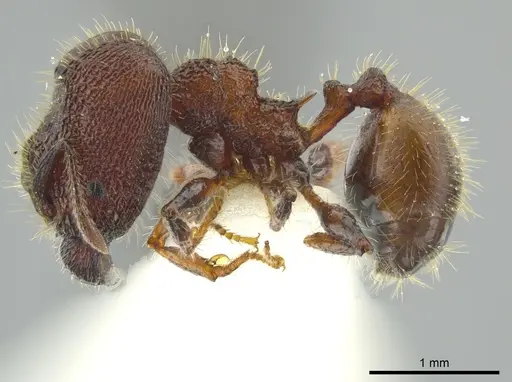
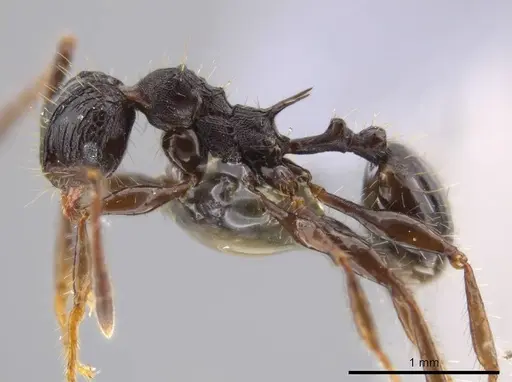
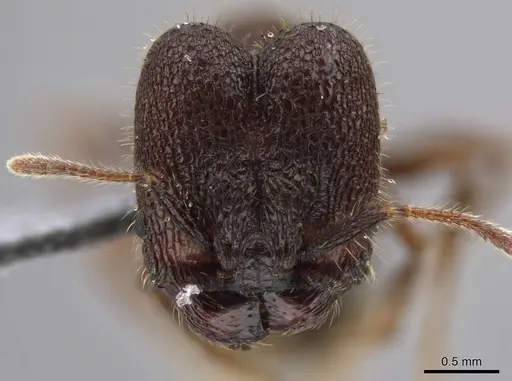
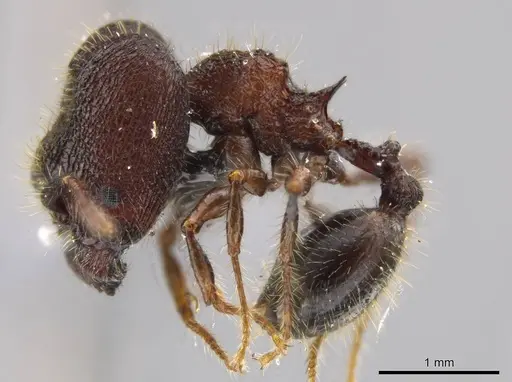
Pheidole deima is a Neotropical big-headed ant belonging to the distorta group, known for its striking size dimorphism between minor and major workers. Majors have an unusually large head with a deep median excavation and a bizarrely projected mesonotum that protrudes beyond the pronotum, a morphological feature unique to this species among all Pheidole. Minors are much smaller with a typical ant appearance. The species ranges across the northern Amazon basin, documented in Brazil (Manaus region, Mato Grosso), Ecuador, French Guiana, and Peru. Majors are dark brown with medium brown appendages and yellow tarsi, while minors are medium brown with lighter appendages. This ant nests in the ground in pristine rainforest environments and is flood-intolerant.
Quick Summary
- Difficulty: Expert
- Origin & Habitat: Northern Amazon basin in South America, documented in Brazil (Manaus area, Mato Grosso), Ecuador, French Guiana, and Peru. Found in pristine rainforest environments, primarily plateau forest and leaf-litter zones. Ground-nesting species that is flood-intolerant [1][2][3].
- Colony Type: Colony structure is unconfirmed, Pheidole species are typically monogyne (single queen) but multi-queen colonies have been documented in some species. Nothing specific is known about P. deima colony structure.
- Size & Growth:
- Queen: Undocumented, no queen measurements available for this species
- Worker: Majors: 1.74mm head width (HW),1.92mm head length (HL) [3]. Minors: 0.80mm HW,0.84mm HL [3].
- Colony: Unknown, no colony size data available. Related Amazonian Pheidole typically reach several hundred to a few thousand workers.
- Growth: Unknown, no development data available
- Development: Unconfirmed, no direct measurements exist. Based on typical Amazonian Pheidole patterns, estimate 4-8 weeks at optimal tropical temperatures, but this is speculative. (Development timeline has not been studied. Estimates based on genus-level patterns for tropical Pheidole.)
- Antkeeping:
- Temperature: Keep warm, roughly 24-28°C. This is an Amazonian species requiring stable tropical conditions. Use a heating cable on one side of the nest to create a gentle gradient if room temperature falls below this range.
- Humidity: Keep substrate consistently moist but not waterlogged. Amazonian rainforest species require high humidity, aim for damp substrate conditions similar to forest floor. Provide a water reservoir in the nest setup.
- Diapause: Unknown, as a tropical species, diapause is unlikely but not confirmed. No research exists on seasonal behavior.
- Nesting: Ground-nesting species. In captivity, a naturalistic setup with moist soil or a Y-tong/plaster nest works well. The nest should have tight chambers scaled to their size. Avoid flooding risk as they are flood-intolerant in the wild.
- Behavior: Majors are rarely recruited to food sources and are not often seen at baits, they primarily remain in the nest. They likely function as guards or storage workers (repletes) for liquids, given their highly modified head and thoracic crop structure. Minors handle most foraging and brood care. Foraging range is small with low dominance at food sources. Escape prevention should be moderate, minor workers are small (under 1mm) so standard barriers apply. No sting documented but Pheidole can bite.
- Common Issues: this species has virtually no biological data, everything about captive care is speculative, flood intolerance means overwatering can kill colonies, drainage is critical, majors rarely forage so food discovery depends entirely on minor workers, tropical humidity requirements can lead to mold problems if ventilation is poor, no information on founding behavior means claustral vs semi-claustr al status is unknown
Appearance and Identification
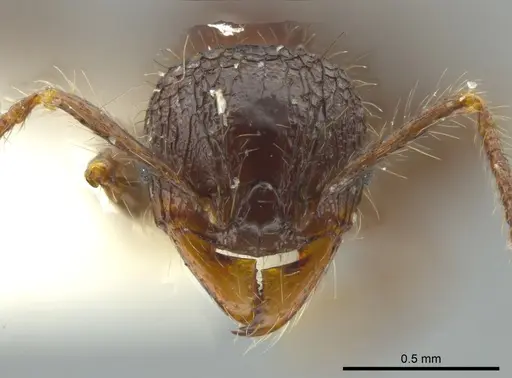
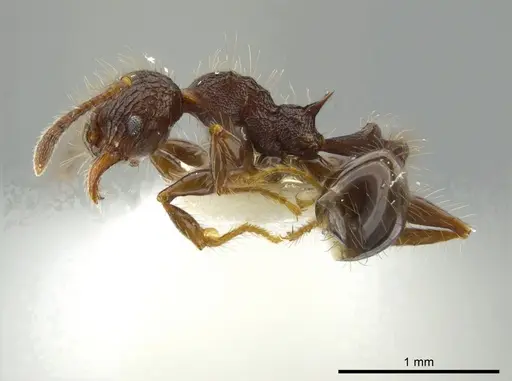
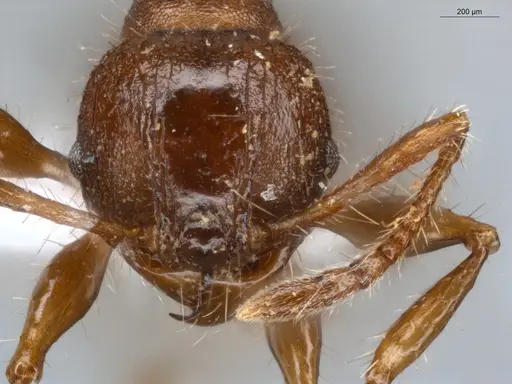
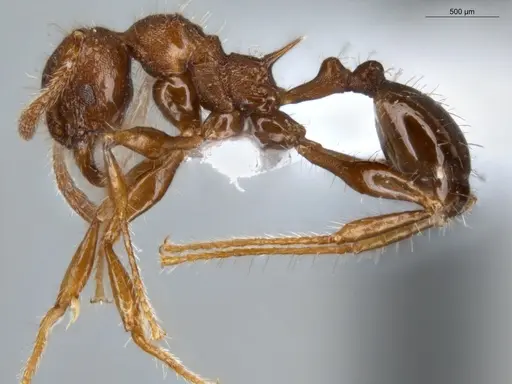
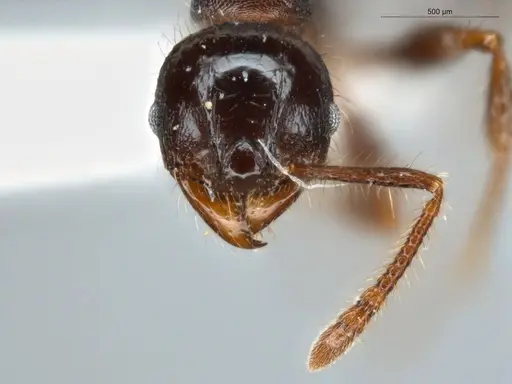
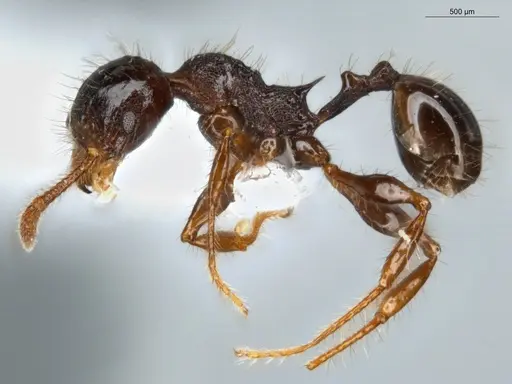
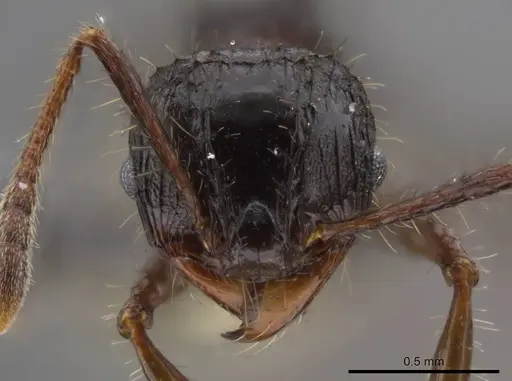
Pheidole deima is a visually striking ant with dramatic size dimorphism. Major workers have an extremely modified head with a deep median excavation and an unusually projected mesonotum that actually protrudes beyond the pronotum, this bizarre morphological feature is unique among all known Pheidole species. The major's head, genae, and frontal lobes are strongly rugoreticulate (wrinkled texture), as is the mesosoma and petiolar node. The first gastral tergite has striations on its anterior third. Majors measure approximately 1.74mm head width and are dark brown with medium brown legs and yellow tarsi. Minor workers are much smaller at 0.80mm head width, with a typical ant appearance and medium brown coloration. The species belongs to the distorta group, which is characterized by these unusual morphological features. [3]
Distribution and Habitat
This species is known from the northern Amazon basin across four countries: Brazil (type locality near Manaus, also recorded in Mato Grosso), Ecuador, French Guiana (Nouragues Field Station, Inselberg Camp), and Peru (Madre de Dios). It inhabits pristine rainforest environments, specifically collected from plateau forest and leaf-litter zones in French Guiana. The species is ground-nesting and flood-intolerant, which distinguishes it from many other Amazonian ants that can tolerate periodic flooding. This habitat preference suggests they avoid low-lying areas that experience waterlogging. [1][2][3]
Foraging and Colony Behavior
Pheidole deima exhibits unusual foraging behavior compared to many other Pheidole species. Major workers are rarely seen outside the nest and are almost never recruited to food sources, they remain primarily within the nest structure. When majors do appear outside, they are occasionally observed moving along foraging trails, but they are never seen at baits. This suggests majors serve specialized functions inside the nest rather than participating in foraging. Research indicates majors likely function as house guards (given their extremely modified head with deep median excavation) and may also serve as replete workers, specialized storage ants that hold liquids in their enlarged thoracic cavity. The minor workers handle all foraging, brood care, and general nest maintenance. The species shows small foraging range and low dominance at food sources. [1]
Unique Morphology and Function
The most remarkable aspect of Pheidole deima is its unusual morphology, particularly in major workers. The mesonotum projects broadly and strongly beyond the pronotum height, a feature not shared with any other Pheidole species. This projection creates a large compartment where the esophagus expands, forming a thoracic crop that is distinct from the abdominal crop. This suggests majors may function as specialized liquid storage workers, similar to honeypot ants. The lateral expansion in the pronotum and curvature in the profurca further supports this specialized storage function. Minors have a considerably dilated esophagus compared to other species in the genus, which may indicate they also participate in liquid transport. This morphological specialization means majors rarely leave the nest and are not involved in food recruitment.
Keeping Considerations
Keeping Pheidole deima is challenging due to the complete lack of biological data, literally nothing is known about their captive care requirements. They should be considered an expert-only species for now. For housing, use a naturalistic setup with moist substrate or a Y-tong/plaster nest with good humidity retention. Temperature should be kept in the tropical range of 24-28°C. Critical: avoid overwatering as they are flood-intolerant in the wild, ensure proper drainage in the nest setup. Feed minors protein sources (small insects) and sugar water, majors will likely not come to food but may consume liquids stored in their crop. Escape prevention should be adequate for small minors. Given the complete absence of data on founding behavior, colony establishment from a single queen is speculative, consider starting with a colony if available rather than attempting to found from a lone queen.
Frequently Asked Questions
How do I care for Pheidole deima ants?
This is an expert-only species because virtually nothing is known about their biology in captivity. Keep them warm (24-28°C) in a humid naturalistic setup with moist substrate. Avoid overwatering as they are flood-intolerant. Feed minor workers protein and sugar water, majors rarely leave the nest.
What do Pheidole deima ants eat?
Based on typical Pheidole behavior, minors will accept small insects (protein) and sugar sources. Majors are rarely seen at food and likely function as internal storage workers rather than foragers. Expect minors to handle all food retrieval.
How long does it take for Pheidole deima to produce workers?
Unknown, no development data exists for this species. Based on typical Amazonian Pheidole, estimate 4-8 weeks from egg to first worker at tropical temperatures, but this is a rough guess.
Are Pheidole deima good for beginners?
No, this species is not recommended for beginners. Almost nothing is known about their biology, and they have specialized requirements (flood-intolerance, unique major worker behavior). They should only be kept by experienced antkeepers willing to experiment carefully.
What size colony do Pheidole deima reach?
Unknown, no colony size data exists for this species. Related Amazonian Pheidole typically reach several hundred to a few thousand workers.
Do Pheidole deima need hibernation?
Unlikely, as a tropical Amazonian species, they probably do not require hibernation. No research exists on their seasonal behavior.
Can I keep multiple queens together?
Unknown, colony structure has not been documented for this species. Pheidole are typically monogyne but some species accept multiple queens. Without data, combining unrelated queens is not recommended.
What makes Pheidole deima majors different from other Pheidole?
Majors have a uniquely projected mesonotum that actually protrudes beyond the pronotum, a feature not found in any other Pheidole species. They also have a deep median excavation in their head and likely function as specialized guards and liquid storage workers rather than foragers.
Why don't major workers appear at food baits?
This is normal behavior for P. deima. Research shows major workers are rarely recruited to food and almost never seen at baits. They remain in the nest as specialized workers, likely serving as guards and storage repletes for liquids rather than foragers.
References

This caresheet is licensed under CC BY-SA 4.0 .
CASENT0627924
View on AntWeb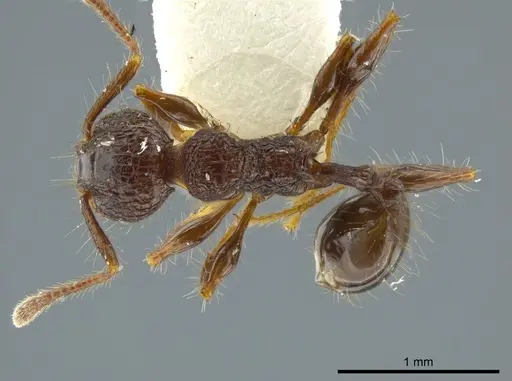
ECOFOG-CSG15-0056-10
View on AntWeb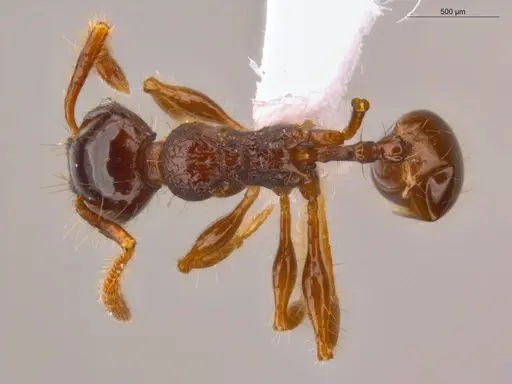
ECOFOG-GRS21-0039-01
View on AntWeb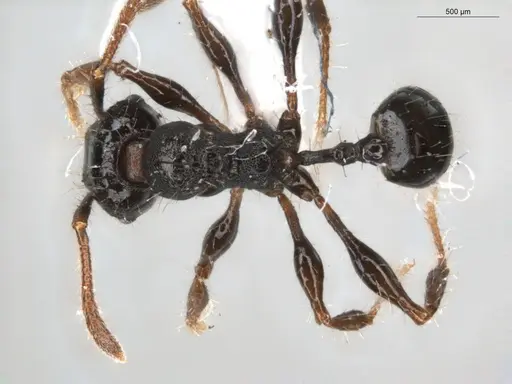
ECOFOG-MI15-0373-16
View on AntWeb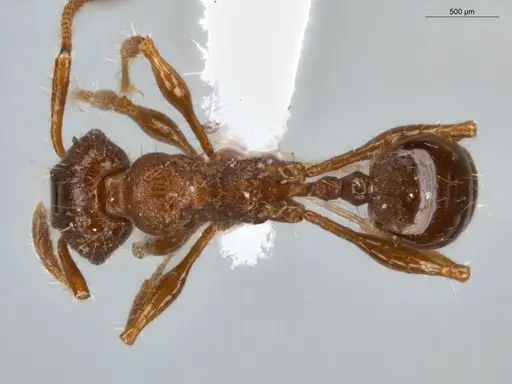
ECOFOG-TR13-0001-12
View on AntWeb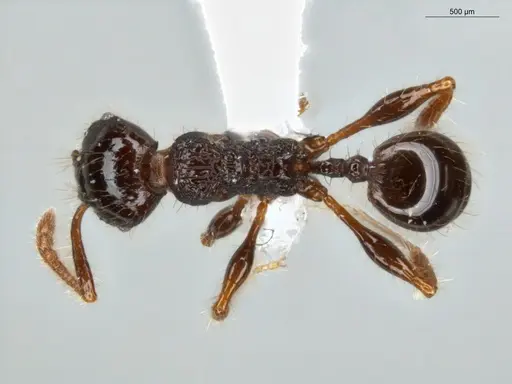
JTLC000016361
View on AntWeb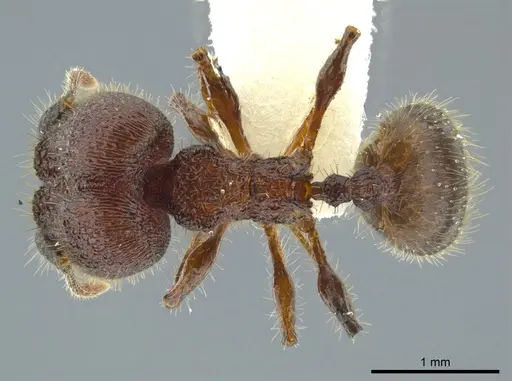
USNMENT00688276
View on AntWeb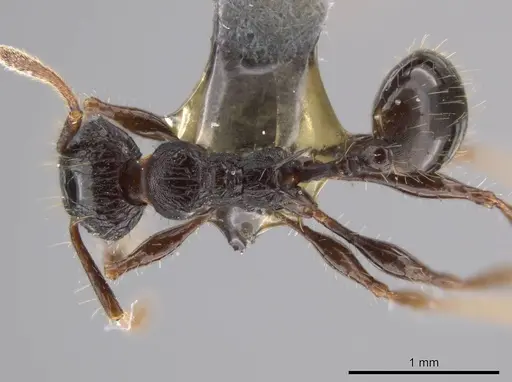
USNMENT00692950
View on AntWeb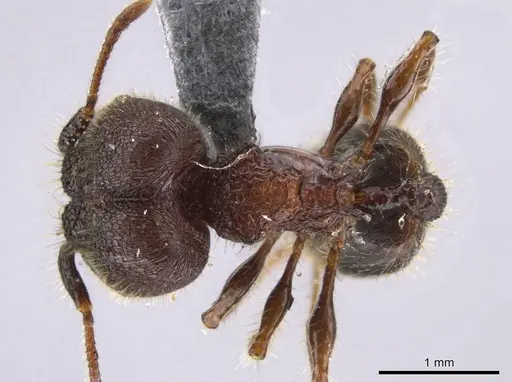
Literature
Loading...Loading products...