

Pheidole deceptrix
- Scientific Name
- Pheidole deceptrix
- Tribe
- Attini
- Subfamily
- Myrmicinae
- Author
- Forel, 1899
- Distribution
- Found in 3 countries
Pheidole deceptrix Overview
Pheidole deceptrix is an ant species of the genus Pheidole. It is primarily documented in 3 countries , including Guatemala, Honduras, Mexico. Detailed taxonomic data and occurrence records can be further explored via authoritative databases such as AntWeb or the Global Biodiversity Information Facility (GBIF).
Pheidole deceptrix
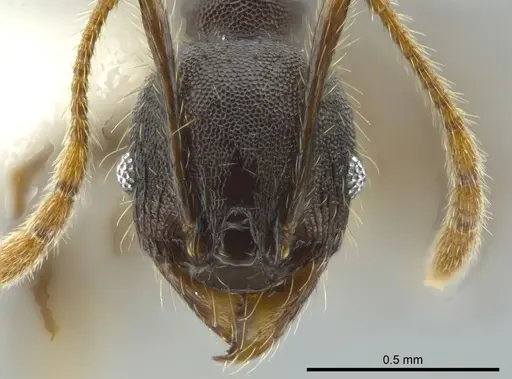
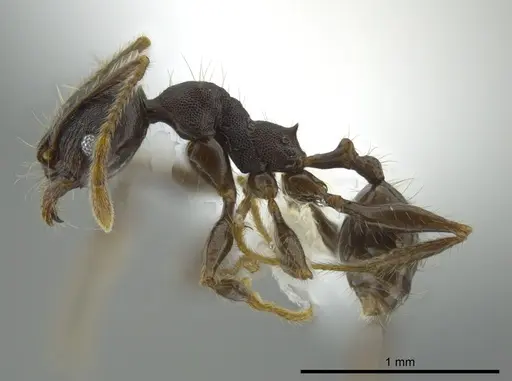
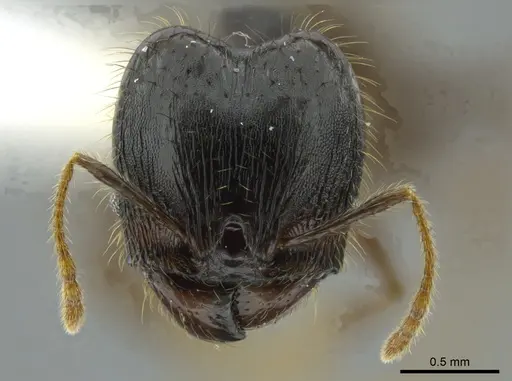
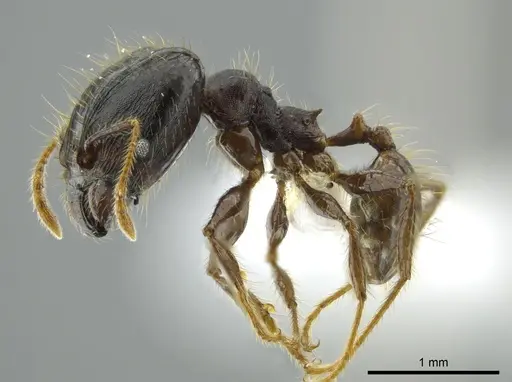
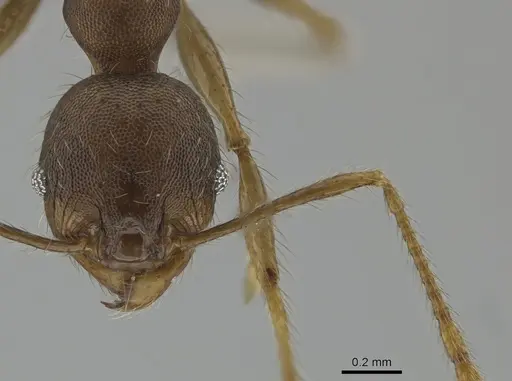
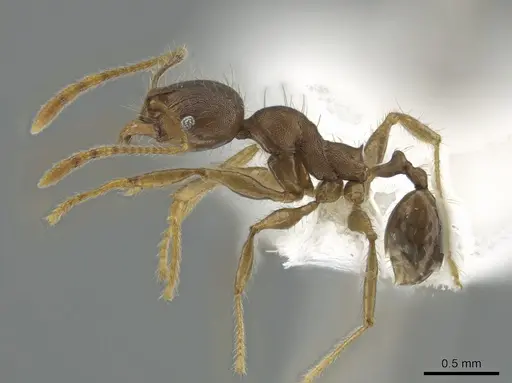
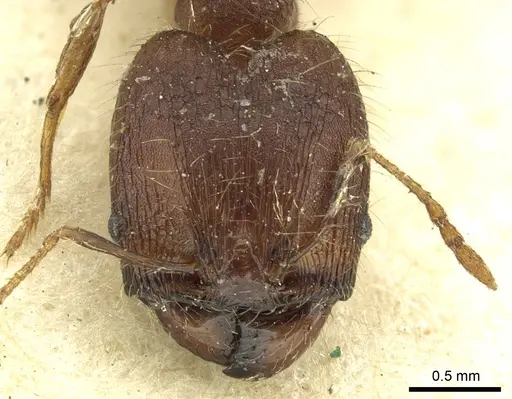
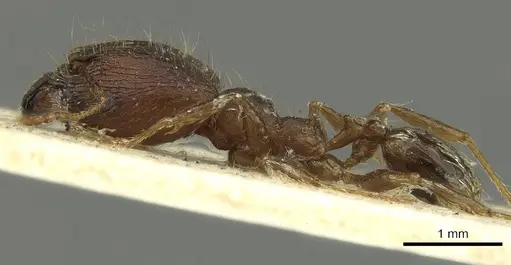
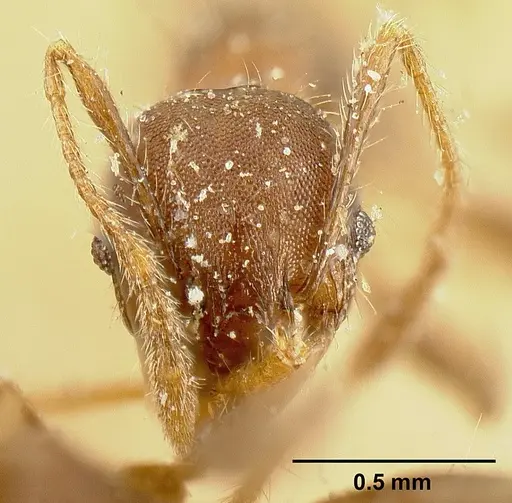
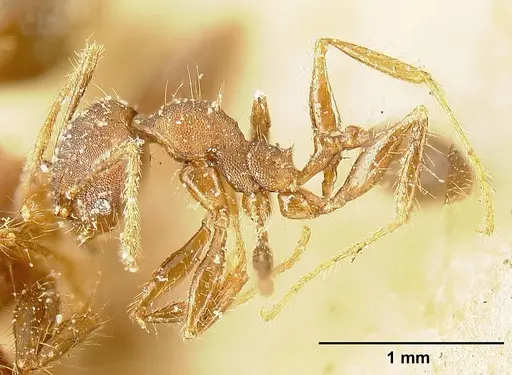
Pheidole deceptrix is a dimorphic ant species native to Central America, featuring both major and minor workers. Major workers measure approximately 1.46mm in head width with an elongate head featuring a deep occipital cleft, while minor workers are much smaller at around 0.64mm. The species displays a medium brown coloration throughout. This ant is a montane specialist found exclusively in cloud forest habitats at elevations between 1300-2750 meters, ranging from Guatemala through Belize, Honduras, and Mexico (particularly Chiapas). Nests are established in soil and beneath stones, with foragers including major workers actively foraging on the forest floor and readily attracted to baits. The species was originally described by Forel in 1899 and was later confirmed as the senior synonym of P. chiapasana and P. variceps, which were found to represent geographic variations within the same species [1][2][3].
Quick Summary
- Difficulty: Medium
- Origin & Habitat: Montane cloud forests of Central America at 1300-2750m elevation, from Guatemala through Belize, Honduras, and Mexico (Chiapas, Oaxaca, Puebla) [1][3][4].
- Colony Type: Single-queen (monogyne) colonies typical for the genus Pheidole, though colony structure has not been specifically documented for this species.
- Colony: Monogyne
- Founding: Claustral
- Size & Growth:
- Queen: Approximately 6-7mm (estimated from genus patterns for Pheidole)
- Worker: Major workers: 1.46mm HW, Minor workers: 0.64mm HW [5]
- Colony: Unknown for this specific species, but Pheidole colonies commonly reach several thousand workers
- Growth: Moderate, typical for Pheidole genus
- Development: 6-10 weeks (estimated based on typical Pheidole development at optimal temperatures) (Development time estimated from genus patterns as specific data unavailable for this species)
- Antkeeping:
- Temperature: Cooler conditions recommended due to montane cloud forest origin. Aim for 18-24°C with a gentle gradient. Avoid overheating, these ants naturally experience cooler temperatures at high elevations [1].
- Humidity: High humidity required, cloud forest habitat indicates 60-80% relative humidity. Keep nest substrate consistently moist but not waterlogged. Provide a water source.
- Diapause: Likely requires a cool period during winter months given montane origin. Reduce temperature to 10-15°C for 2-3 months.
- Nesting: Nests in soil and under stones in the wild. In captivity, a naturalistic setup with soil substrate or a Y-tong/plaster nest works well. Provide damp conditions and avoid drying out.
- Behavior: Active foragers with major workers participating in food collection. Workers are attracted to baits on the forest floor. Generally not aggressive but will defend the nest. Minor workers are small (0.64mm) so escape prevention should be adequate for their size. Major workers are larger but still manageable.
- Common Issues: high elevation origin means they struggle in warm conditions, avoid temperatures above 26°C, small minor workers can escape through standard barrier gaps, use fine mesh and tight-fitting lids, colonies may be slow to establish initially, patience is required during founding phase, wild-caught colonies may carry parasites that can decimate captive colonies, overfeeding can lead to mold issues in the nest, remove uneaten food promptly
Housing and Nest Setup
Pheidole deceptrix naturally nests in soil and under stones in cloud forest environments. For captive care, a naturalistic setup with a soil-filled container works well, as it mimics their natural nesting conditions. Alternatively, a Y-tong (acrylic) nest with damp substrate or a plaster nest can provide appropriate humidity control. The key is maintaining consistently moist but not waterlogged substrate. Because minor workers are quite small (0.64mm), ensure your setup has excellent escape prevention, fine mesh barriers and tight-fitting lids are essential. A small outworld for foraging allows you to observe their activity and provide food. [1][3]
Feeding and Diet
Like most Pheidole species, P. deceptrix is a generalist omnivore. In the wild, foragers including major workers readily come to baits on the forest floor, indicating they scavenge and collect various food sources. In captivity, offer a varied diet including protein sources (small insects like fruit flies, pinhead crickets, mealworms) and carbohydrates (sugar water, honey, or diluted honey). They will also collect seeds if available. Feed protein 2-3 times per week and keep a constant sugar water source. Remove uneaten food promptly to prevent mold, which can be deadly to ant colonies. [1]
Temperature and Seasonal Care
This is a critical aspect of keeping P. deceptrix successfully. As a montane cloud forest species from 1300-2750m elevation, they naturally experience cooler temperatures than lowland tropical ants. Keep the nest area in the range of 18-24°C, with a slight gradient allowing workers to choose their preferred temperature. Avoid temperatures above 26°C, as this species is not adapted to hot conditions. During winter, provide a cool period similar to their natural environment, reduce temperatures to 10-15°C for 2-3 months to simulate seasonal cooling. This cool period is important for colony health and may trigger reproductive behavior in established colonies. [1][3]
Colony Development and Growth
Pheidole deceptrix is a dimorphic species with distinct major and minor workers. Major workers develop from the same brood as minors but receive more food during larval development. The colony will start slowly during the claustral founding phase, with the queen raising the first nanitic workers entirely on her own. Once the first workers emerge, colony growth typically accelerates. Expect 6-10 weeks from egg to first worker under optimal conditions. Colonies likely reach several thousand workers over time, though specific data for this species is limited. The presence of major workers in foraging parties is notable, unlike some Pheidole where majors are primarily nest-defenders, P. deceptrix majors actively participate in food collection. [1][5]
Behavior and Temperament
This species shows active foraging behavior with both minor and major workers participating in food collection. They are attracted to baits and will readily explore the outworld. Their temperament is generally moderate, they are not particularly aggressive but will defend the nest if threatened. The major workers, while larger than minors, are not excessively aggressive. They are a observable species thanks to their active foraging and the presence of both worker castes. The small size of minor workers (0.64mm) means they can squeeze through small gaps, so escape prevention requires attention. [1]
Acquiring and Legal Considerations
Pheidole deceptrix is native to Central America (Guatemala, Belize, Honduras, Mexico). If you are keeping this species outside its native range, never release colonies into the wild as they could potentially establish and become invasive. Always ensure your colony was obtained legally and responsibly. For antkeepers in North America or Europe, this would typically be a species obtained from a reputable breeder rather than collected from the wild, as they are not established in these regions. [3][4]
Frequently Asked Questions
How long does it take for Pheidole deceptrix to raise first workers?
Expect 6-10 weeks from egg to first worker under optimal conditions (around 20-24°C). This is typical for Pheidole species. The queen is claustrally sealed and raises the first brood alone, so patience is required during the founding phase.
What temperature do Pheidole deceptrix ants need?
Keep them cool compared to tropical ants, aim for 18-24°C with a gentle gradient. They are montane cloud forest ants from 1300-2750m elevation and do not tolerate heat well. Avoid temperatures above 26°C.
Do Pheidole deceptrix ants need hibernation?
Yes, likely required. As a montane species, they naturally experience cool winters. Provide a cool period of 10-15°C for 2-3 months during winter to simulate their natural seasonal cycle.
What do Pheidole deceptrix ants eat?
They are generalist omnivores. Feed protein sources (small insects like fruit flies, pinhead crickets, mealworms) 2-3 times per week, and provide constant access to sugar water or honey. They will also collect seeds.
Are Pheidole deceptrix good for beginners?
They are rated as medium difficulty. The main challenges are providing the correct cool temperature range and ensuring proper escape prevention due to their small minor workers. Experienced antkeepers should have success, but beginners may struggle with their specific temperature requirements.
How big do Pheidole deceptrix colonies get?
Specific data is limited, but Pheidole colonies commonly reach several thousand workers. Expect moderate growth over 1-2 years to a few hundred workers, with larger colonies developing over multiple years.
Can I keep multiple Pheidole deceptrix queens together?
Pheidole species are typically monogyne (single queen). While not specifically documented for P. deceptrix, combining unrelated queens is not recommended as they likely will fight. Established single-queen colonies should be maintained as such.
What type of nest is best for Pheidole deceptrix?
A naturalistic setup with soil substrate or a Y-tong/plaster nest with damp conditions works well. They naturally nest in soil under stones, so mimicking these conditions helps them feel secure. Ensure humidity is maintained.
Why are my Pheidole deceptrix dying?
The most common causes are: temperatures too warm (above 26°C), low humidity causing desiccation, or escape of the tiny minor workers. Check your temperature settings, ensure substrate stays moist, and verify escape prevention is adequate. Wild-caught colonies may also carry parasites.
References

This caresheet is licensed under CC BY-SA 4.0 .
CASENT0611123
View on AntWeb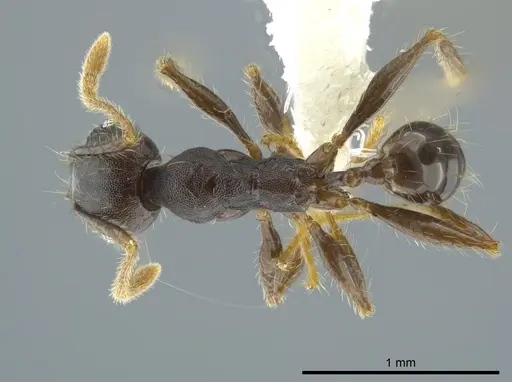
CASENT0611124
View on AntWeb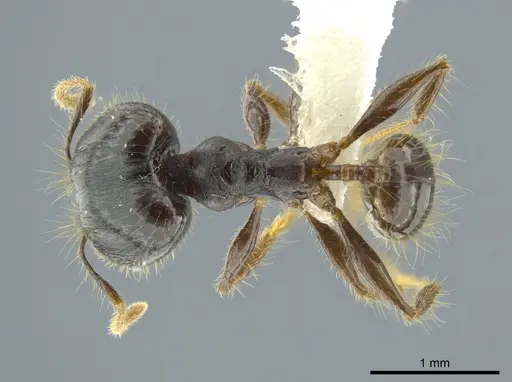
CASENT0617825
View on AntWeb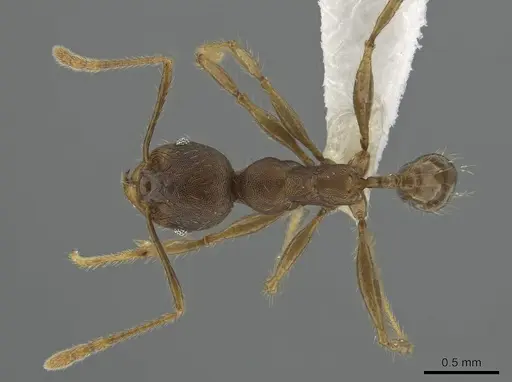
CASENT0901595
View on AntWeb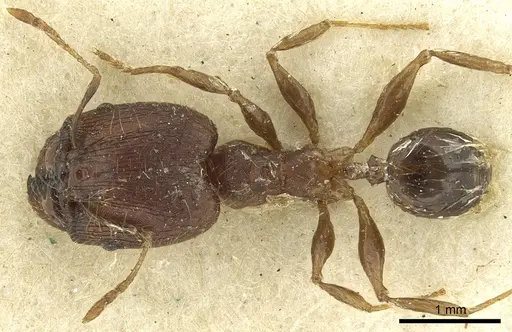
JTLC000015315
View on AntWeb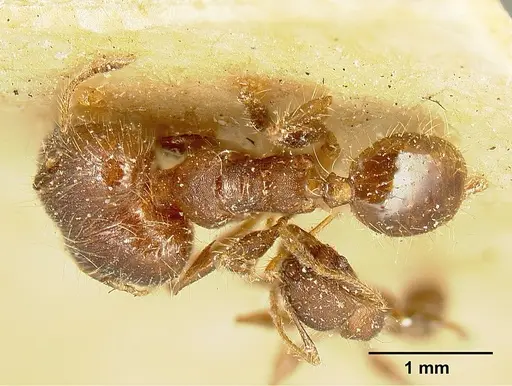
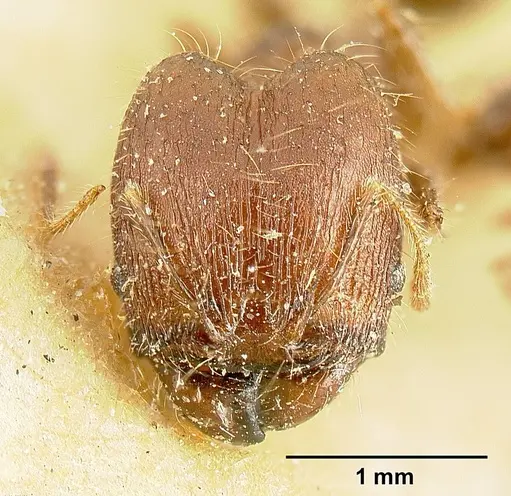
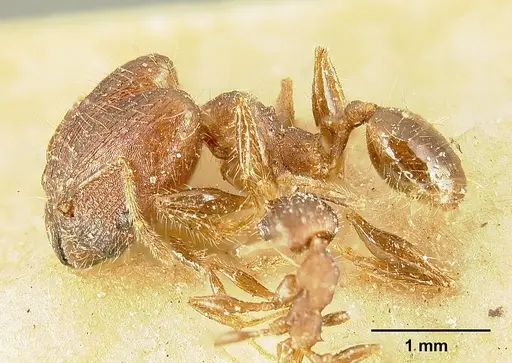
JTLC000015320
View on AntWeb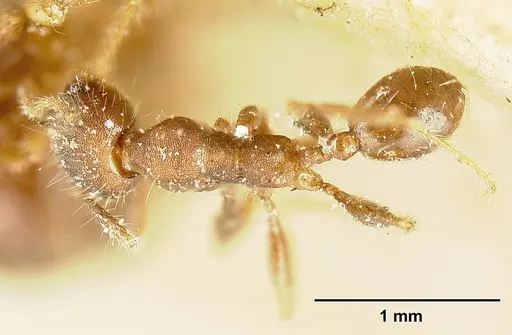
Literature
Loading...Loading products...