

Pheidole dasos
- Scientific Name
- Pheidole dasos
- Tribe
- Attini
- Subfamily
- Myrmicinae
- Author
- Salata & Fisher, 2020
- Distribution
- Found in 1 countries
Pheidole dasos Overview
Pheidole dasos is an ant species of the genus Pheidole. It is primarily documented in 1 countries , including Madagascar. Detailed taxonomic data and occurrence records can be further explored via authoritative databases such as AntWeb or the Global Biodiversity Information Facility (GBIF).
Pheidole dasos
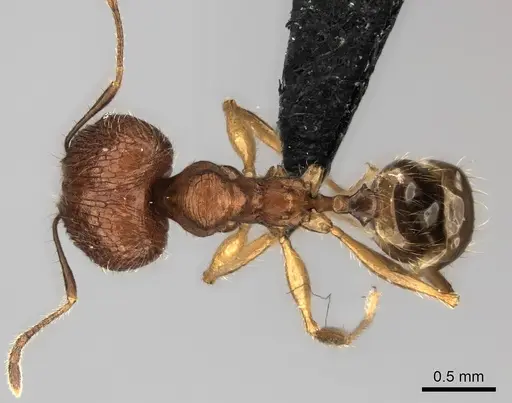
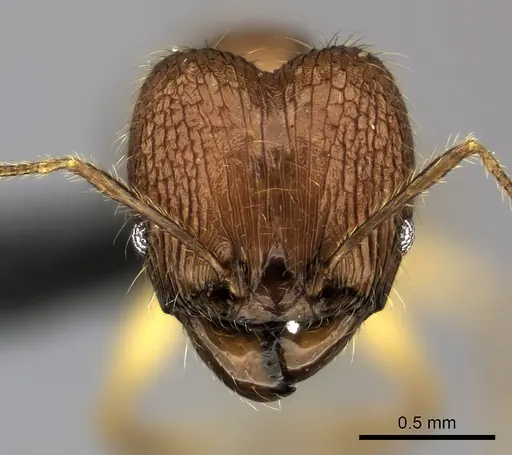
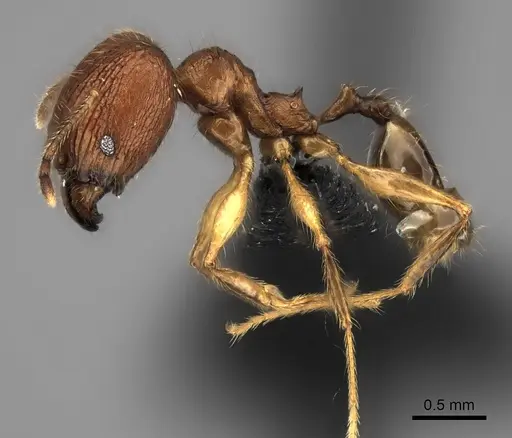
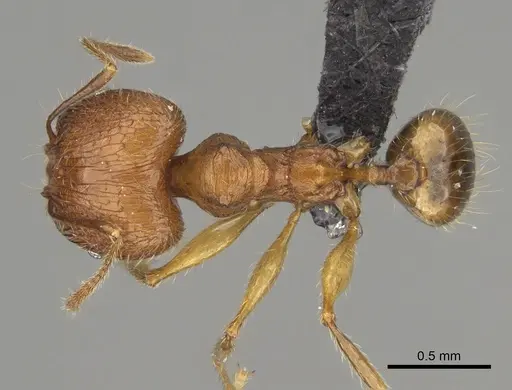
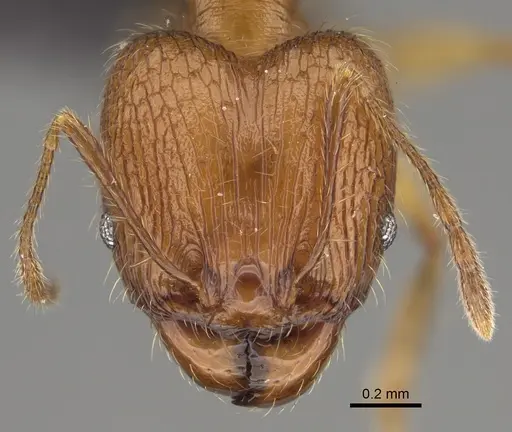
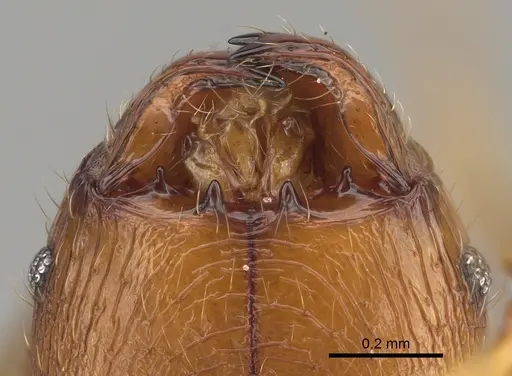
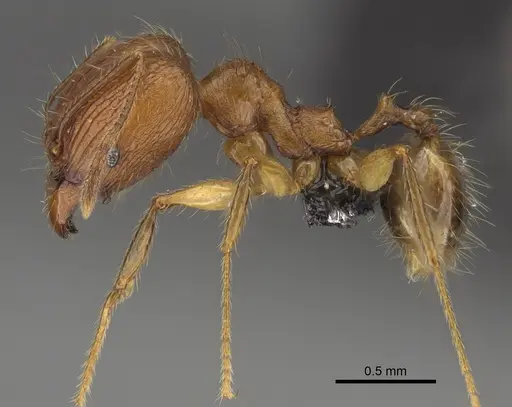
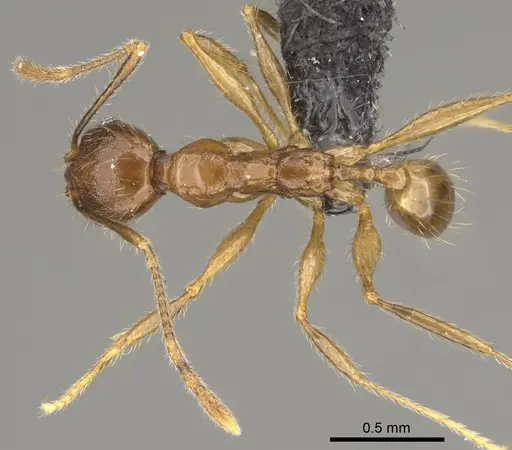
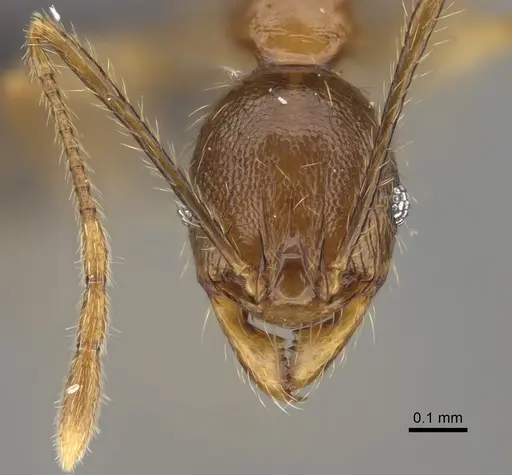
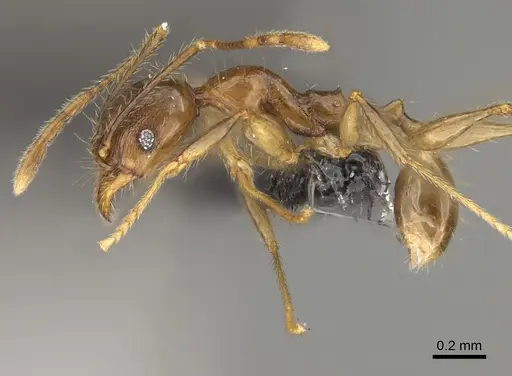
Pheidole dasos is a recently described ant species from the sikorae species group, discovered in the Makirovana forest of northern Madagascar. This is a moderately large Pheidole species with a striking color difference between castes, major workers are orange while minor workers are brown. The species name 'dasos' means 'forest' in Greek, reflecting its rainforest habitat [1]. In the wild, these ants nest in rotten logs in lowland rainforest at elevations between 225-415 meters [1]. Major workers have the characteristic large heads typical of Pheidole, while minor workers are more slender and smaller. This species was only formally described in 2020,so there is limited captive breeding information available.
Quick Summary
- Difficulty: Medium, likely manageable for experienced antkeepers but newly described with limited captive data
- Origin & Habitat: Northern Madagascar, Antsiranana region, Makirovana forest. Lowland rainforest habitat at 225-415m elevation [1].
- Colony Type: Unconfirmed, Pheidole species are typically single-queen (monogyne) colonies, but this specific species has not been studied for colony structure
- Colony: Monogyne
- Founding: Claustral
- Size & Growth:
- Queen: Not yet described in the original description, estimate based on genus: 6-9mm
- Worker: Major: 1.1-1.14mm head length (approximately 3-4mm total), Minor: 0.56-0.61mm head length (approximately 2-2.5mm total) [1]
- Colony: Unknown, typical Pheidole colonies reach several hundred to a few thousand workers
- Growth: Unknown, estimated moderate based on genus patterns
- Development: Estimated 6-8 weeks at tropical temperatures (24-28°C) (No specific development data exists for this species. Estimates based on typical Pheidole genus development patterns at warm temperatures.)
- Antkeeping:
- Temperature: Keep at 24-28°C, this matches their lowland rainforest origin in Madagascar. A slight gradient allowing cooler areas is beneficial.
- Humidity: High humidity required (70-85%). These rainforest ants need consistently moist nest conditions. Keep the nest substrate damp but not waterlogged.
- Diapause: Unlikely, as a tropical species from lowland Madagascar, they probably do not require a winter dormancy period. Maintain warm temperatures year-round.
- Nesting: In nature, they nest in rotten logs, this indicates a preference for humid, organic materials. Y-tong nests, plaster nests with water reservoirs, or naturalistic setups with rotting wood work well. Avoid dry environments.
- Behavior: Pheidole species are generally non-aggressive toward keepers but will defend their nest. Major workers have large heads with powerful mandibles for seed-processing and nest defense. Workers are active foragers that search for seeds, insects, and honeydew. Escape risk is moderate, they are small but not as tiny as some Myrmicinae. Standard barrier methods like Fluon should work well. They are primarily nocturnal or crepuscular foragers.
- Common Issues: limited species-specific data, this is a newly described species with no established captive protocols, high humidity requirements can lead to mold if ventilation is poor, tropical species may struggle if temperatures drop below 22°C, wild-caught colonies may carry parasites or diseases specific to their native habitat, small colony size initially means slow population growth
Housing and Nest Setup
Pheidole dasos requires high humidity and organic nesting materials. In their natural habitat, they nest in rotting logs within rainforest, so aim to replicate these conditions. Y-tong (AAC) nests work well because they hold humidity well and provide dark chambers. Plaster nests with built-in water reservoirs are another excellent option, the ants can self-regulate their humidity by moving between damp and drier areas. For a naturalistic setup, include pieces of rotting wood or cork bark. Whatever nest type you choose, ensure it can maintain consistent moisture without becoming waterlogged. The outworld should be simple, a foraging area where you can offer food. Use a test tube setup for the founding colony, transitioning to a proper nest once the colony reaches 20-30 workers. [1]
Feeding and Diet
Pheidole dasos is an omnivorous ant that will accept a variety of foods. In the wild, they likely forage for seeds, small insects, and honeydew from aphids. In captivity, offer protein sources like small crickets, mealworms, fruit flies, or other small insects 2-3 times per week. They also need carbohydrates, a drop of sugar water, honey, or specially formulated ant jelly can be offered. Pheidole majors have large, powerful mandibles designed for processing seeds, so offering small seeds (like millet or chia) can provide enrichment. Remove uneaten food after 24-48 hours to prevent mold. Fresh water should always be available.
Temperature and Humidity Management
As a lowland rainforest species from Madagascar, Pheidole dasos needs warm, humid conditions. Maintain temperatures between 24-28°C (75-82°F). They can tolerate brief drops but prolonged cool periods will slow or stop brood development. Use a heating cable on one side of the nest if your room temperature is below 24°C. Place the heating on top of the nest, not underneath, to avoid drying out the substrate. Humidity should stay around 75-85%. Monitor this with a hygrometer placed near the nest. If you see workers avoiding certain areas or condensation pooling excessively, adjust ventilation. The goal is a consistently humid environment without stagnant air, good ventilation prevents mold while maintaining moisture. [1]
Colony Development and Growth
This species was only described in 2020,so there is no established timeline for captive colony development. Based on typical Pheidole patterns, expect the first workers (nanitics) to emerge 6-8 weeks after the queen lays eggs, assuming optimal temperatures around 26°C. Initial colonies grow slowly, the first batch of workers is typically small as the queen invests limited resources. Once the colony reaches 20-30 workers, growth typically accelerates as more foragers can gather food. Major workers will appear as the colony grows, these develop from larger larvae and serve as defenders and seed processors. A mature colony may reach several hundred to a thousand workers over several years. Be patient with founding colonies, they are vulnerable to stress and require stable conditions. [1]
Behavior and Observation
Pheidole dasos workers are active foragers, primarily during evening and night hours. They will send workers out to explore the foraging area and recruit nestmates to food discoveries through chemical trails. Major workers remain in or near the nest for most of their lives, emerging primarily for nest defense or when large food items need processing. The caste difference between majors and minors is striking, orange majors with their large heads stand out against the brown minor workers. These ants are not aggressive toward keepers and rarely bite. Their sting is minimal to non-existent, while Pheidole do have stingers, they are too small to penetrate human skin effectively. Standard observation is easy as they will forage openly in the outworld. [1]
Frequently Asked Questions
How long does it take for Pheidole dasos to produce first workers?
This has not been directly documented, but based on typical Pheidole development at tropical temperatures, expect first workers (nanitics) approximately 6-8 weeks after egg-laying at 26°C. The queen will remain in her chamber tending the brood until the first workers emerge.
What do Pheidole dasos ants eat?
They are omnivorous. Offer small insects (fruit flies, pinhead crickets, mealworms) for protein, and sugar sources (honey water, sugar water, ant jelly) for carbohydrates. They will also accept small seeds, which their major workers can process with their powerful mandibles.
What humidity level do Pheidole dasos need?
Keep humidity high at 75-85%. As rainforest ants from Madagascar, they need consistently moist conditions. Use a water reservoir in the nest and monitor with a hygrometer. The substrate should feel damp but not have standing water.
Can I keep multiple Pheidole dasos queens together?
This has not been studied for this specific species. Most Pheidole are single-queen (monogyne) colonies. It is not recommended to combine unrelated foundress queens, as they will likely fight. If you obtain multiple founding colonies, keep them separate.
What temperature is ideal for Pheidole dasos?
Maintain temperatures between 24-28°C (75-82°F). This matches their lowland rainforest origin in Madagascar. A slight temperature gradient allowing workers to choose warmer or cooler areas is beneficial. Avoid temperatures below 22°C.
When should I move my colony to a formicarium?
Keep founding colonies in a test tube setup until they reach 20-30 workers or the test tube becomes crowded. At this point, you can move them to a proper nest (Y-tong, plaster, or naturalistic). Moving too early stresses the colony.
Are Pheidole dasos good for beginners?
This species is likely moderate difficulty. While Pheidole are generally hardy, this is a newly described species with limited captive data. Experienced antkeepers should have success, beginners may find the high humidity requirements and limited information challenging.
Do Pheidole dasos need hibernation?
No. As a tropical lowland species from Madagascar, they do not require a winter dormancy period. Maintain warm temperatures year-round. Temperatures below 20°C for extended periods could be harmful.
How big do Pheidole dasos colonies get?
Colony size has not been documented for this species. Based on typical Pheidole, expect colonies to reach several hundred to a thousand or more workers over several years with good care.
References

This caresheet is licensed under CC BY-SA 4.0 .
Literature
Loading...Loading products...