

Pheidole creightoni
- Scientific Name
- Pheidole creightoni
- Tribe
- Attini
- Subfamily
- Myrmicinae
- Author
- Gregg, 1955
- Distribution
- Found in 1 countries
Pheidole creightoni Overview
Pheidole creightoni is an ant species of the genus Pheidole. It is primarily documented in 1 countries , including United States of America. Detailed taxonomic data and occurrence records can be further explored via authoritative databases such as AntWeb or the Global Biodiversity Information Facility (GBIF).
Pheidole creightoni
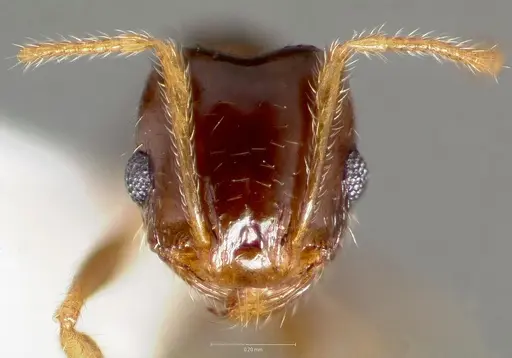
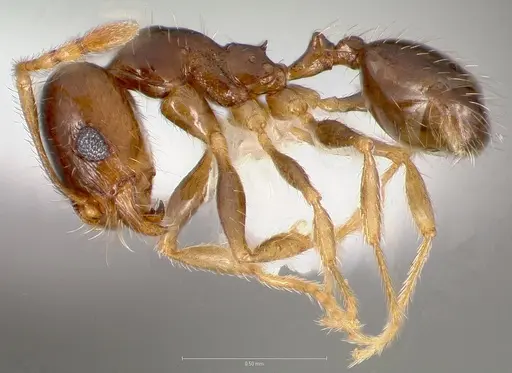
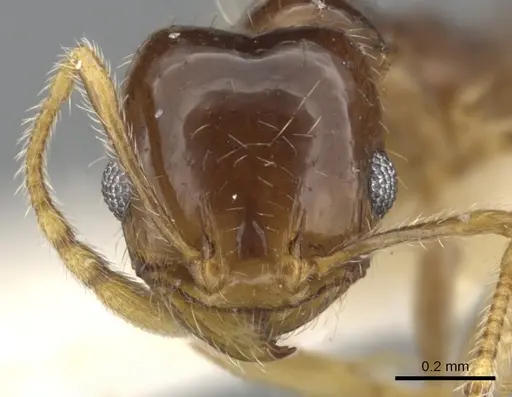
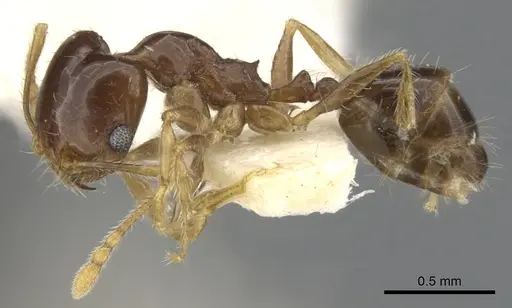
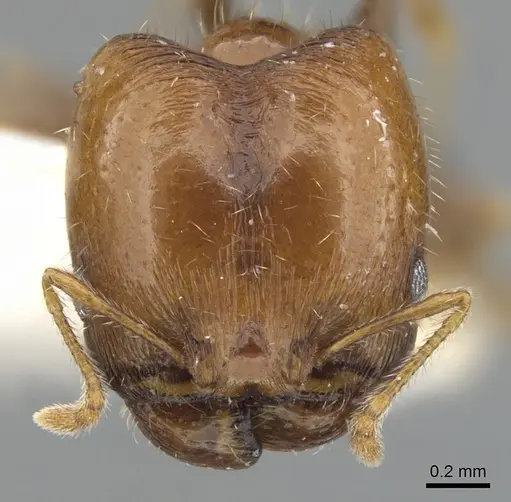
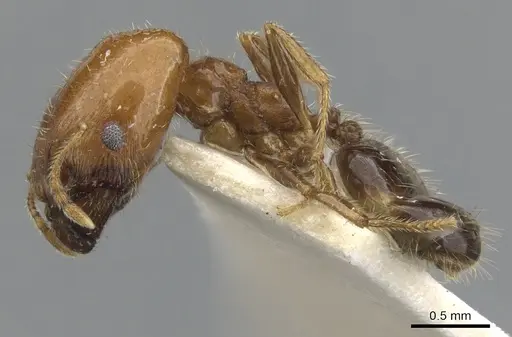
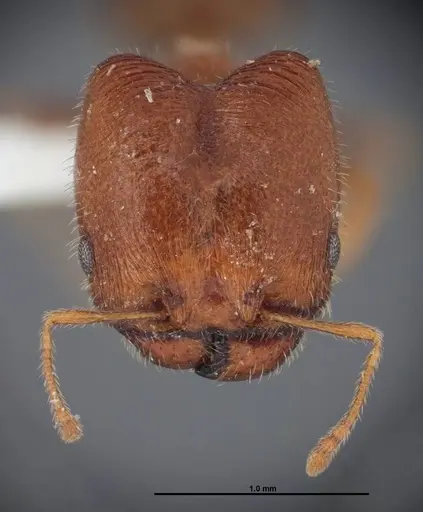
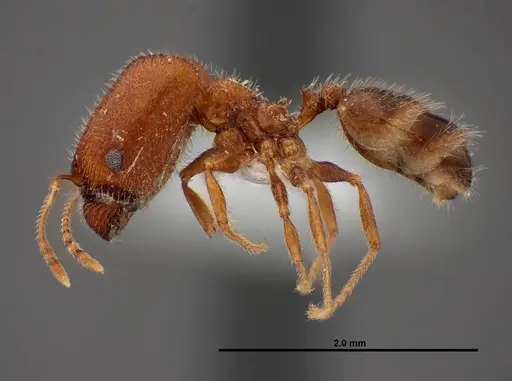
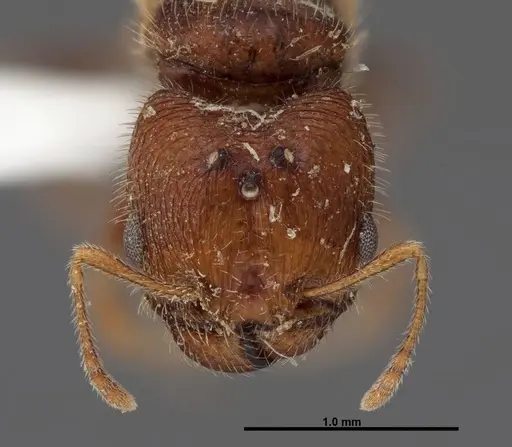
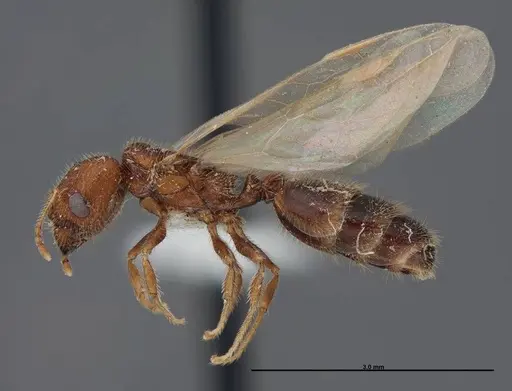
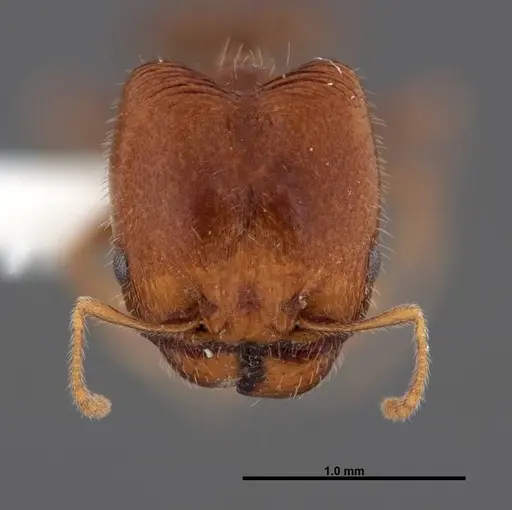
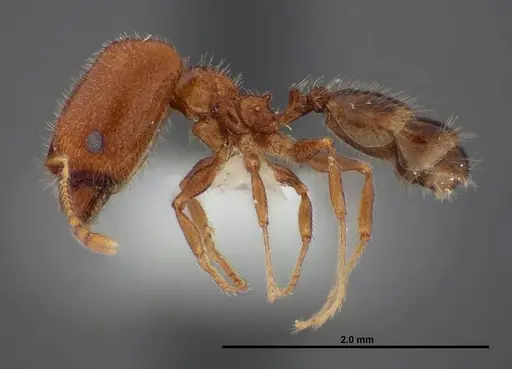
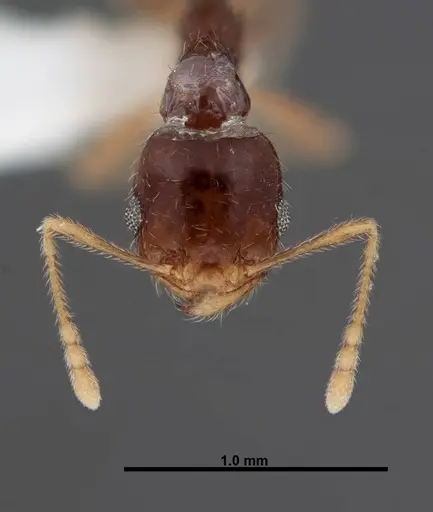
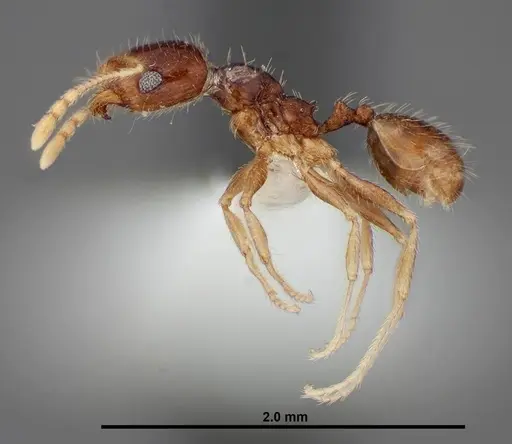
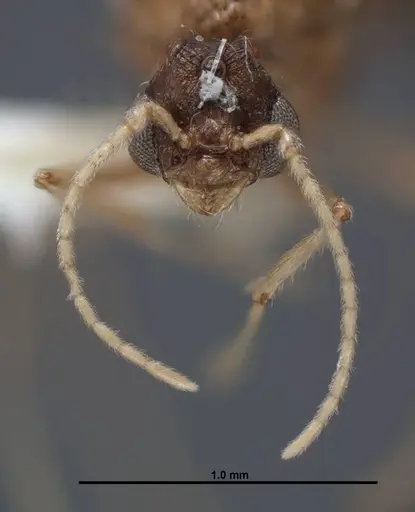
Pheidole creightoni is a small seed-harvesting ant native to the western United States, found in foothill and plateau habitats across northern California, Oregon, Washington, and Nevada[1]. The species belongs to the pilifera complex within the larger pilifera group, and is closely related to Pheidole californica. Workers come in two distinct sizes: majors (soldiers) measure around 1.22mm head width with a broad occiput, while minors are much smaller at around 0.54mm head width with notably large eyes. Majors are light reddish yellow with a plain light brown gaster, while minors are light yellowish brown with dark yellow appendages.
What makes P. creightoni interesting is its seed-harvesting lifestyle. Nests are found in soil with distinctive entrance features, Creighton documented 18 nests at the type locality in Oregon, each surrounded by large rings of chaff (seed debris), confirming that seeds form a major part of their diet. These ants forage in files and have been observed nesting near the much larger ant Veromessor andrei. Nuptial flights occur in late summer, about an hour before sunset.
Quick Summary
- Difficulty: Medium
- Origin & Habitat: Western United States (northern California, Oregon, Washington, Nevada) in foothill or plateau habitats[1]. Nests are earthen soil nests, often found near rocky areas or under stones.
- Colony Type: Colony structure is not directly documented in available research. Most Pheidole species are monogyne (single queen), but this has not been confirmed for P. creightoni specifically.
- Size & Growth:
- Queen: Not directly measured in available literature, estimated based on genus patterns at 5-7mm
- Worker: Majors: 1.22mm HW. Minors: 0.54mm HW.
- Colony: Not directly documented, typical Pheidole colonies reach several hundred to a few thousand workers
- Growth: Moderate, inferred from genus patterns
- Development: 6-10 weeks, estimated based on typical Pheidole development at optimal temperature (Development time is not specifically documented for this species. Pheidole species typically develop from egg to worker in 6-10 weeks depending on temperature.)
- Antkeeping:
- Temperature: Keep at room temperature (20-24°C). No specific thermal studies exist for this species, but related western Nearctic Pheidole species do well in standard indoor temperatures. A gentle gradient allowing workers to self-regulate is ideal.
- Humidity: Standard room humidity (40-60%). These are not moisture-dependent like tropical species, they come from relatively dry western habitats. Provide a water tube but avoid excessive dampness in the nest.
- Diapause: Yes, these ants are native to temperate regions with cold winters. They will need a winter rest period (hibernation) at cool temperatures (5-10°C) for several months, typically from late fall through early spring.
- Nesting: Y-tong (acrylic) nests or plaster nests work well. They are soil-nesting ants, so a nest with some soil-like substrate or moist areas for seed storage is beneficial. Test tubes can work for founding colonies.
- Behavior: These ants are relatively docile and not aggressive toward keepers. As seed harvesters, they forage for seeds and will store them in the nest. Majors use their larger heads to crack seeds. They forage in files (lines), which is characteristic of seed-harvesting species. Escape risk is moderate, minors are small (under 1mm) so fine mesh barriers are recommended. They are not known to sting and pose no danger to humans.
- Common Issues: seed storage can lead to mold if humidity is too high, keep nesting area relatively dry while providing water separately, small minors can escape through standard test tube cotton, use fine mesh barriers or fluon on rim, colonies may be slow to establish initially, patience is needed during founding stage, hibernation failure is common, ensure proper cool period and avoid disturbing dormant colonies, overfeeding protein can cause waste issues, remove uneaten prey promptly
Nest Preferences and Housing
Pheidole creightoni naturally nests in soil, as documented by multiple researchers finding earthen nests in California, Nevada, Oregon, and Washington[1]. The species prefers foothill or plateau habitats, relatively dry, open areas rather than dense forest. In captivity, Y-tong (acrylic) nests work well, as do plaster nests that can hold some moisture without becoming waterlogged. A test tube setup is suitable for founding colonies. Because they are seed harvesters, they benefit from a small area of dry substrate where they can store seeds, though this should be monitored for mold. Avoid overly humid conditions, these ants come from the relatively dry western United States and do not need the high humidity that tropical species require.
Feeding and Diet
Pheidole creightoni is a seed-harvesting ant, as evidenced by the distinctive rings of chaff (seed debris) found around nest entrances in the wild. Seeds form the primary food source, majors use their powerful mandibles to crack and process seeds for the colony. In captivity, offer a variety of seeds appropriate to their small size: millet, chia, flax, and other small seeds work well. They will also accept protein sources. Creighton documented that these ants readily accepted tissue from freshly killed ground squirrels, showing they are opportunistic omnivores. Offer small amounts of protein like fruit flies, small crickets, or mealworm pieces occasionally. Sugar water or honey can be offered but is not a natural food source, seeds and protein are more important for this species.
Temperature and Seasonal Care
These ants are native to the temperate western United States and experience distinct seasons. They do not require high temperatures, standard room temperature (20-24°C) is suitable. No specific thermal studies exist for P. creightoni, but related species in the region do well at typical indoor temperatures. More important is the seasonal cycle: they require a winter dormancy period. In their native range, winters are cold with temperatures regularly dropping below freezing. In captivity, provide hibernation at 5-10°C from late fall through early spring (approximately 3-4 months). This is essential for colony health and triggering spring activity. Do not hibernate at room temperature, this can weaken or kill colonies over time.
Behavior and Colony Structure
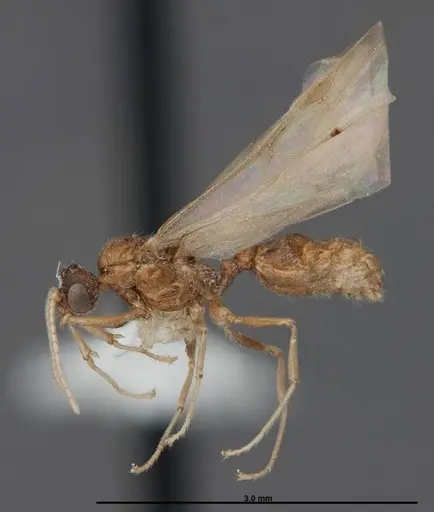
Pheidole creightoni exhibits the classic Pheidole worker dimorphism: small minor workers handle most daily tasks including foraging, while larger major workers (soldiers) specialize in seed cracking and colony defense. They forage in files, organized lines of workers traveling to and from food sources, which is characteristic of seed-harvesting ants. The species is not aggressive toward humans and does not pose a stinging threat. Nuptial flights occur in late summer (August-September), about an hour before sunset. This timing is important to note if you hope to catch or observe mating flights. The colony structure (monogyne vs polygyne) has not been specifically documented, so observing your colony over time will provide the best information on queen numbers.
Growth and Development
Specific development timeline data is not available for P. creightoni, but based on typical Pheidole genus patterns, expect 6-10 weeks from egg to first worker (nanitics) at optimal temperature (around 22-25°C). Initial colonies grow slowly as the queen raises her first brood alone, this is the claustral founding phase. Once nanitics emerge, growth typically accelerates as more workers can forage and care for subsequent broods. Pheidole colonies can eventually reach several thousand workers, though this takes time. The key to successful colony establishment is patience during the founding phase, do not disturb the queen or overfeed during this critical period.
Frequently Asked Questions
How long does it take for Pheidole creightoni to have first workers?
Expect 6-10 weeks from egg to first worker based on typical Pheidole development. The exact timeline is not documented for this specific species, so it may vary. Patience is essential during the founding stage.
What do Pheidole creightoni ants eat?
They are seed harvesters, seeds are their primary food. Offer small seeds like millet, chia, or flax. They also accept protein sources like fruit flies, small crickets, or mealworm pieces. The species has been documented accepting ground squirrel tissue in the wild.
Do Pheidole creightoni ants need hibernation?
Yes. These ants are native to temperate regions with cold winters and require a winter dormancy period. Keep them at 5-10°C for 3-4 months, typically from late fall through early spring.
Are Pheidole creightoni good for beginners?
They are moderate difficulty. The seed-harvesting diet is straightforward, and they are docile. However, the need for hibernation and the slow founding phase require some experience. They are not the easiest species for complete beginners.
What size nest do Pheidole creightoni need?
Y-tong (acrylic) nests or plaster nests work well. They are soil-nesting ants, so a setup with some substrate or a dry chamber for seed storage is beneficial. Test tubes work for founding colonies.
How big do Pheidole creightoni colonies get?
Colony size is not specifically documented, but typical Pheidole species reach several hundred to a few thousand workers. Growth is moderate over time.
When do Pheidole creightoni have nuptial flights?
Nuptial flights occur in August and September, about an hour before sunset. This is late summer in their native range.
Can I keep multiple Pheidole creightoni queens together?
The colony structure (monogyne vs polygyne) has not been documented for this species. It is not recommended to combine unrelated foundress queens, as this often leads to fighting. Start with a single queen for best results.
Why are my Pheidole creightoni dying during hibernation?
Hibernation failures are common issues. Ensure proper temperatures (5-10°C), not room temperature. Avoid disturbing the colony during dormancy. Also check for excessive humidity, which can be harmful. Some colony loss during first hibernation is not uncommon.
What temperature should I keep Pheidole creightoni at?
Standard room temperature (20-24°C) is suitable. No specific thermal studies exist for this species, but this range matches their natural temperate habitat. A gentle temperature gradient allows self-regulation.
How do I identify Pheidole creightoni majors from minors?
Majors (soldiers) have a much larger head (1.22mm width) with a very broad occiput, while minors are tiny (0.54mm head width) with notably large eyes. The major's head is light reddish yellow, minors are yellowish brown.
References

This caresheet is licensed under CC BY-SA 4.0 .
CASENT0005757
View on AntWeb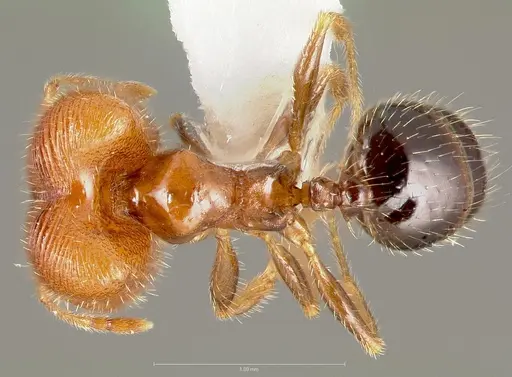
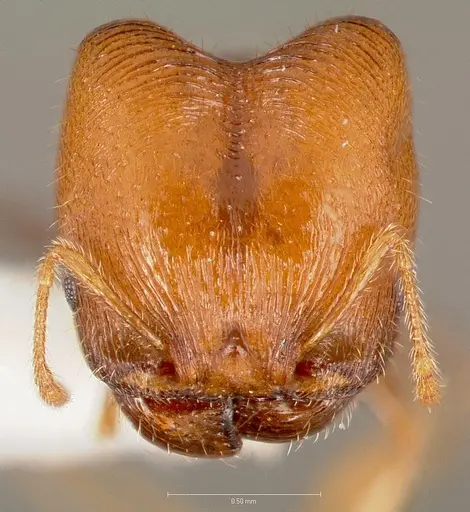
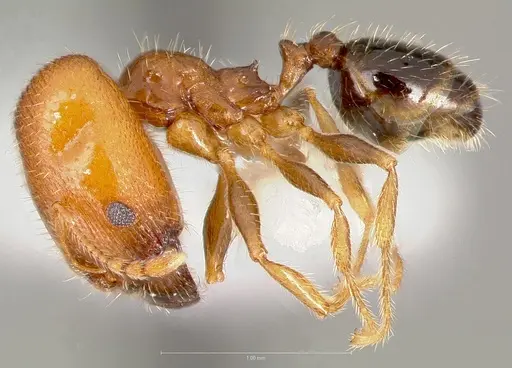
CASENT0005758
View on AntWeb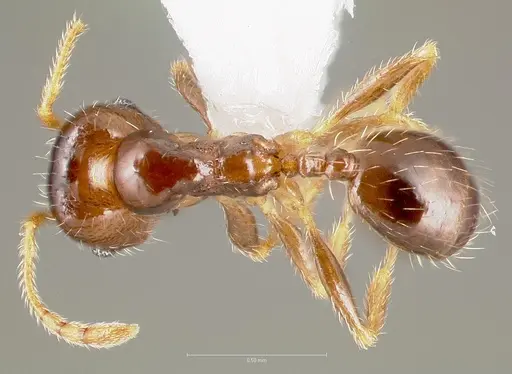
CASENT0901551
View on AntWeb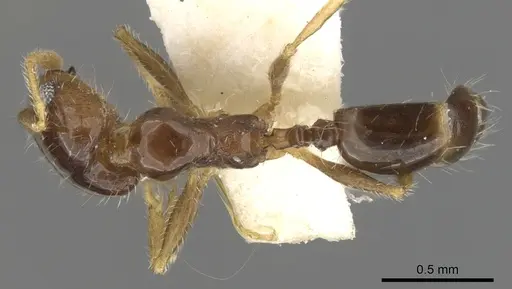
CASENT0901552
View on AntWeb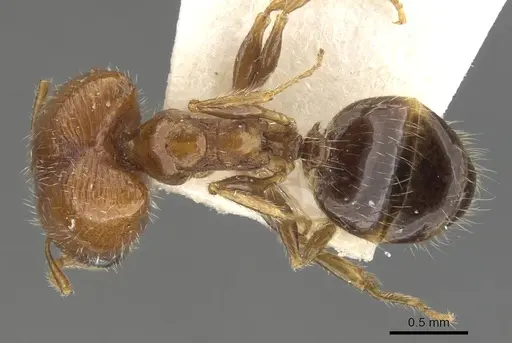
CASENT8368281
View on AntWeb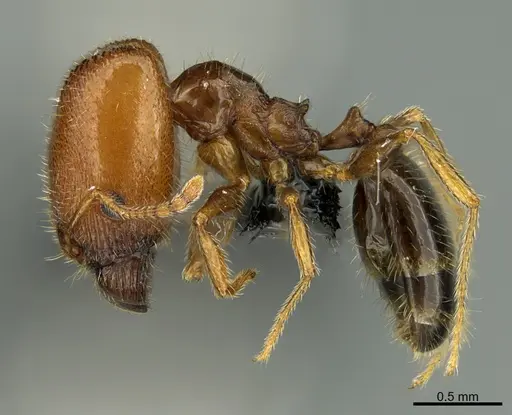
FMNHINS0000062682
View on AntWeb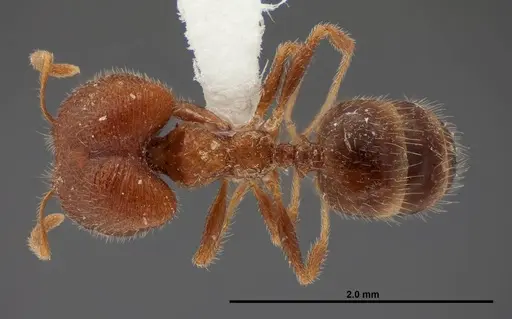
FMNHINS0000062684
View on AntWeb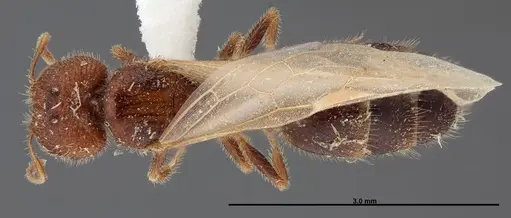
FMNHINS0000062827
View on AntWeb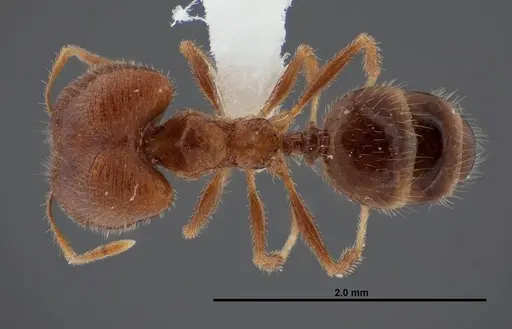
FMNHINS0000062834
View on AntWeb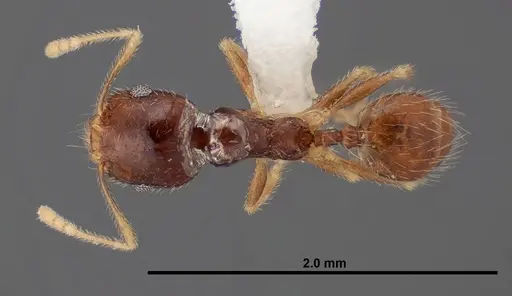
FMNHINS0000083004
View on AntWeb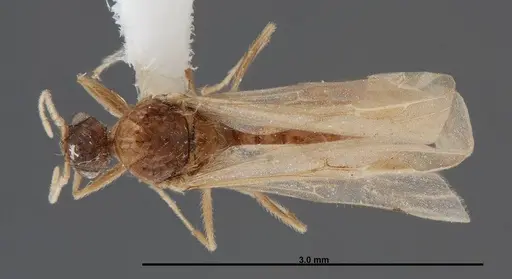
Literature
Loading...Loading products...