

Pheidole crassinoda
- Scientific Name
- Pheidole crassinoda
- Tribe
- Attini
- Subfamily
- Myrmicinae
- Author
- Emery, 1895
- Common Name
- Thick-node House ant
- Distribution
- Found in 9 countries
Pheidole crassinoda Overview
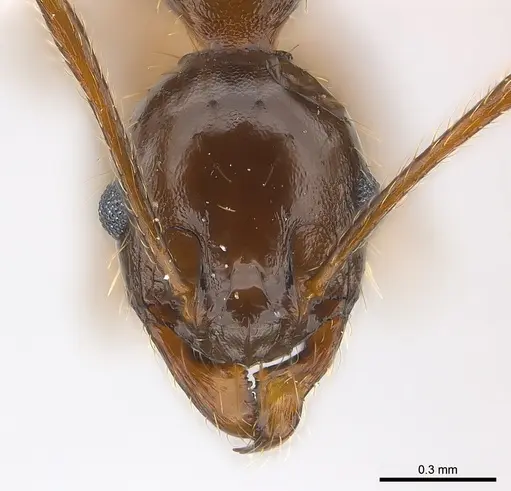
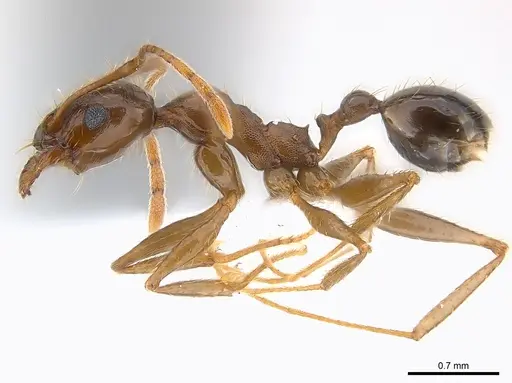
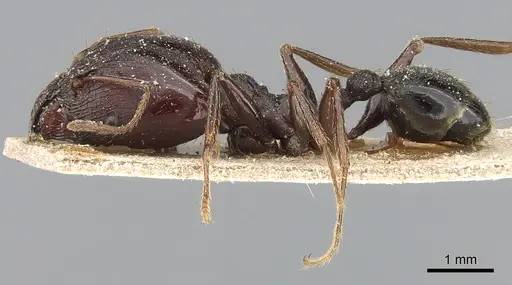
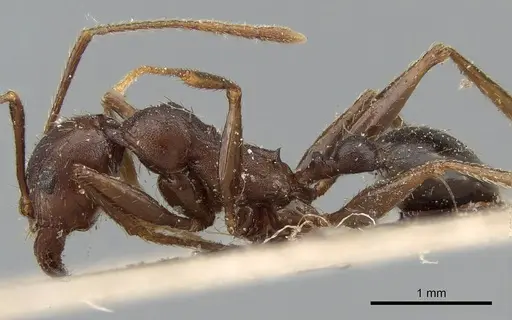
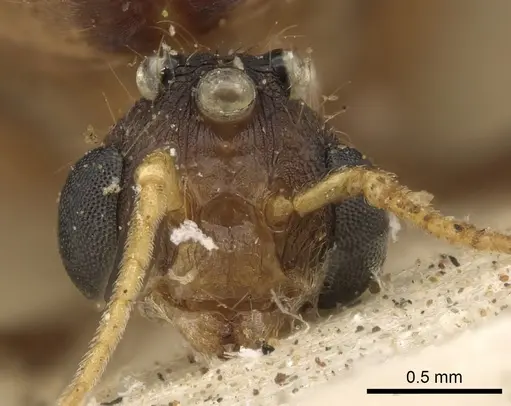
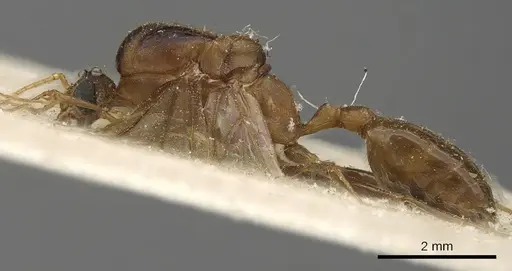
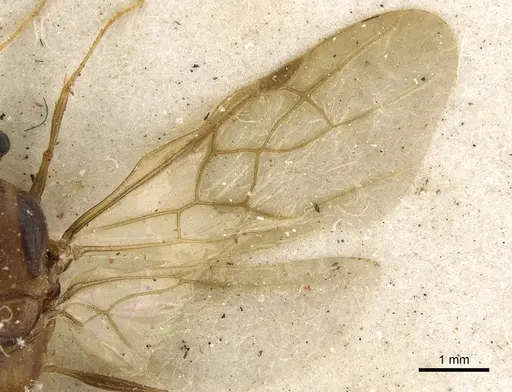
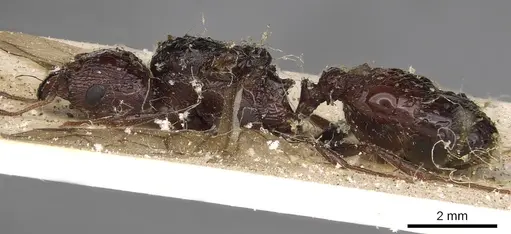
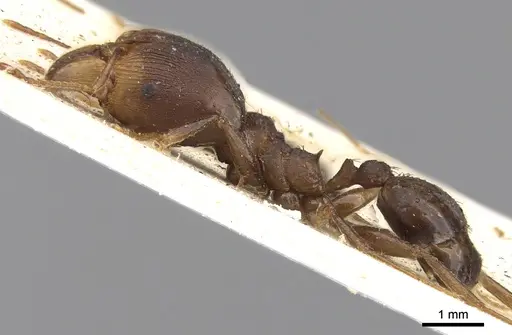
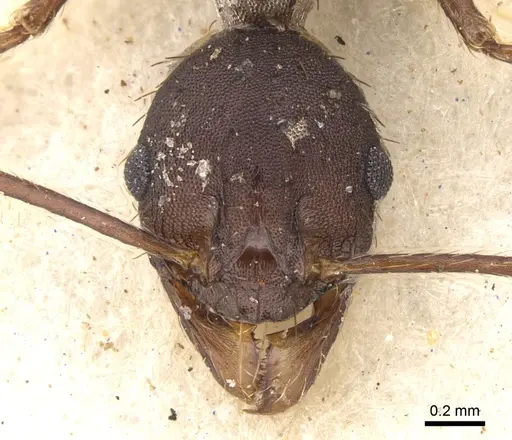
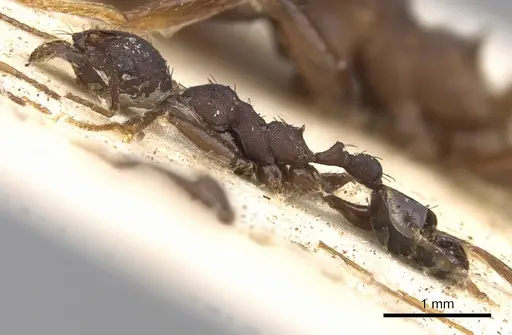
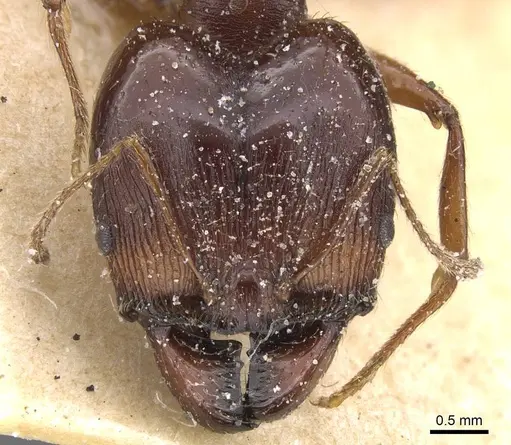
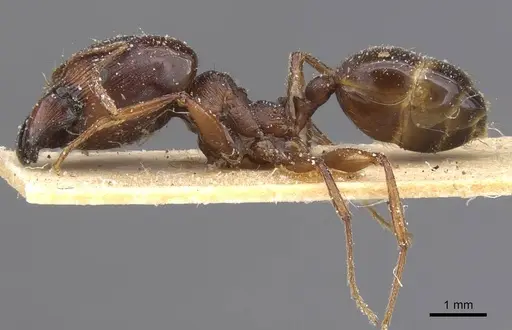
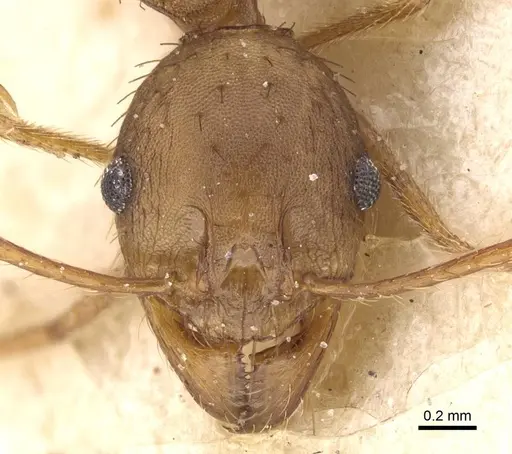
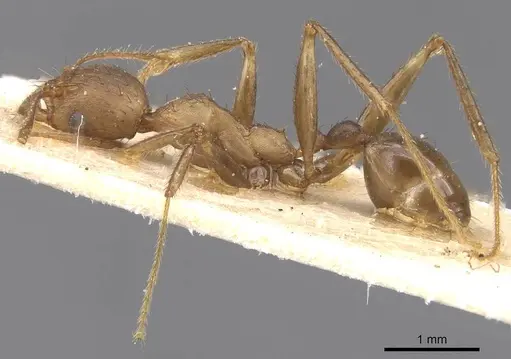
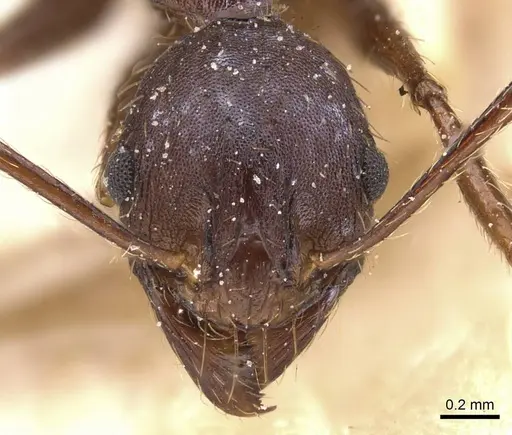
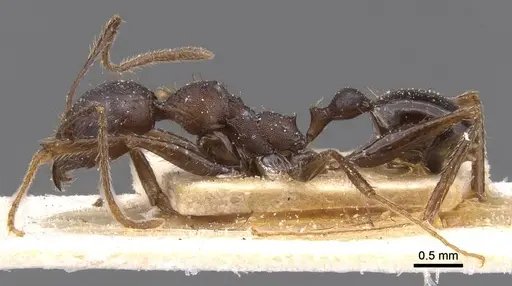
Pheidole crassinoda (commonly known as the Thick-node House ant) is an ant species of the genus Pheidole. It is primarily documented in 9 countries , including Botswana, Ghana, Kenya. Detailed taxonomic data and occurrence records can be further explored via authoritative databases such as AntWeb or the Global Biodiversity Information Facility (GBIF).
Pheidole crassinoda - "Thick-node House ant"
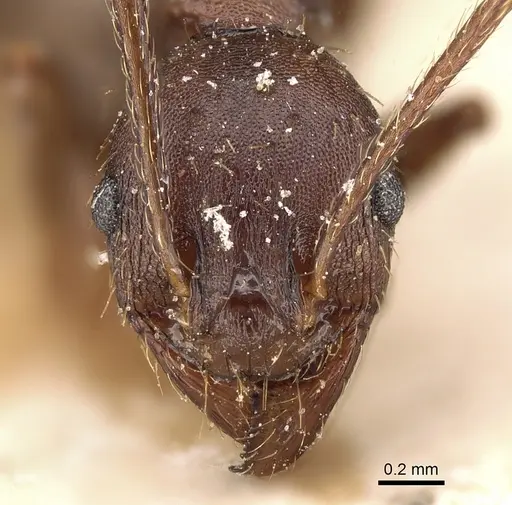
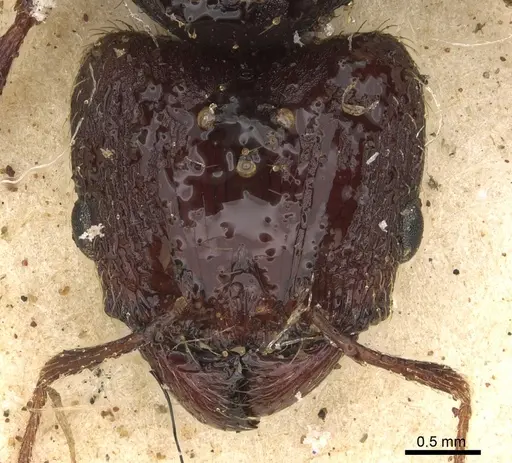
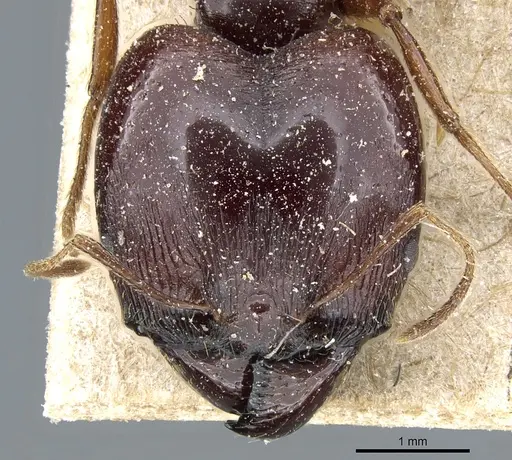
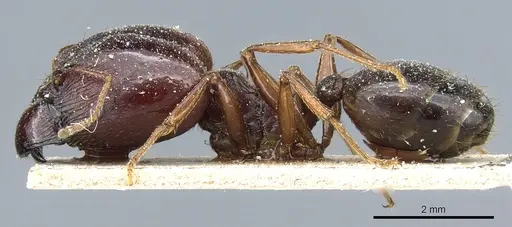
Pheidole crassinoda is a small to medium-sized ant species native to the Afrotropical region, found across countries including South Africa, Kenya, Uganda, Nigeria, Botswana, and Namibia [1]. As with all Pheidole species, they have two worker castes: smaller minor workers and larger major workers (sometimes called soldiers) with notably larger heads. This species belongs to the speculifera species group and is typically found in woodland habitats and agricultural areas like sugar cane plantations [1]. Nests are established in soil, with documented locations in clay banks and under decaying logs [1]. The genus Pheidole is known for its seed-harvesting behavior, though these ants also forage for insects and tend honeydew-producing insects.
Quick Summary
- Difficulty: Easy
- Origin & Habitat: Afrotropical region, found in woodland habitats and sugar cane plantations across southern and eastern Africa (South Africa, Kenya, Uganda, Nigeria, Botswana, Namibia) [1]. Nests in soil at clay banks and under logs [1].
- Colony Type: Likely monogyne (single queen colony) based on typical Pheidole patterns. Pheidole colonies typically have one founding queen that establishes the colony alone.
- Colony: Monogyne
- Founding: Claustral
- Size & Growth:
- Queen: Estimated 8-10mm based on genus typical size
- Worker: Minor workers 2-3mm, major workers 4-6mm based on genus norms
- Colony: Likely several hundred workers based on typical Pheidole colony sizes
- Growth: Moderate
- Development: Estimated 6-8 weeks at warm temperatures based on related Pheidole species (Development time is temperature-dependent, warmer conditions within acceptable range accelerate development)
- Antkeeping:
- Temperature: Keep at 22-26°C (room temperature to warm). As an Afrotropical species, they prefer warmer conditions but can adapt to typical room temperature.
- Humidity: Moderate humidity around 50-60%. Keep nest substrate slightly moist but not waterlogged. Woodland species that tolerate a range of conditions.
- Diapause: Likely minimal or no true diapause. Afrotropical species from warm climates may slow down slightly in cooler months but do not require hibernation.
- Nesting: Will readily accept most standard nest types including test tubes, Y-tong (AAC) nests, plaster nests, and naturalistic setups. They nest in soil in the wild so a substrate-filled formicarium works well. Provide some damp substrate for brood chambers.
- Behavior: Generally peaceful and not aggressive toward keepers. Major workers have large heads but are primarily for seed-cracking and colony defense, not sustained aggression. Foragers are active and will readily explore outworlds. Minor workers handle most daily tasks while majors specialize in seed processing and nest defense. Escape risk is moderate, standard barriers work well for this size class.
- Common Issues: colonies can stall if temperatures drop too low, keep warm, major workers may appear threatening but are not particularly aggressive, don't be alarmed by their displays, overwatering can cause mold issues in nest substrate, slow initial founding phase is normal, queens seal themselves in and may not emerge for weeks, seed-eating species need grit or small particles in their diet to help process hard seeds
Housing and Nest Setup
Pheidole crassinoda adapts well to various captive setups. Test tube setups work perfectly for founding colonies, simply provide a water-filled portion sealed with a cotton plug, and the queen will seal herself into the dry end. Once the colony reaches 20-30 workers, you can transition to a formicarium. Y-tong (AAC) nests are excellent for Pheidole because they provide proper humidity control and dark chambers that ants prefer. Plaster nests and naturalistic setups with soil also work well since this species naturally nests in soil at clay banks and under logs. For the outworld, any standard container works, these ants are moderate in size and don't require elaborate escape prevention like tiny species do. A simple foraging area with a water station and feeding dish is sufficient. [1]
Feeding and Diet
Pheidole crassinoda is a typical Pheidole species that feeds on seeds, insects, and sugar sources. In captivity, offer a varied diet: seeds (millet, chia, flax, cracked sunflower seeds) should be available constantly as these ants are seed-harvesters. Protein sources like small insects (fruit flies, small crickets, mealworms) should be offered 2-3 times per week. Sugar water, honey, or diluted honey water can be offered occasionally, Pheidole species vary in their acceptance of sugar, so observe your colony's preferences. The major workers have enlarged heads designed for seed cracking, so providing some harder seeds gives them something to do. Remove uneaten seeds periodically to prevent mold. [1]
Temperature and Heating
As an Afrotropical species from warm African climates, Pheidole crassinoda prefers temperatures in the 22-26°C range. Room temperature (around 22-24°C) is typically adequate for this species. If your room runs cooler, a heating cable or small heat mat placed on one side of the nest can create a gentle thermal gradient. Place heating under or to one side of the nest rather than directly on it to avoid overheating. At optimal temperatures, brood development proceeds normally. Cooler temperatures slow growth significantly, and prolonged cold can stress or kill colonies. These ants are from regions with minimal seasonal temperature variation, so stable warmth is more important than cycling. [1]
Colony Development and Growth
Pheidole colonies grow through a predictable series of stages. After the queen seals herself in (claustral founding), she lays eggs and tends them using stored fat reserves. First workers (nanitics) are typically smaller than normal workers and emerge within 6-8 weeks under warm conditions. Once nanitics emerge, the queen returns to laying eggs while workers take over all colony maintenance tasks. Colony growth is moderate, you can expect the population to roughly double every few months under good conditions. Major workers typically appear once the colony reaches a certain size threshold, usually when there are 50+ workers. The colony will eventually stabilize at several hundred workers, with the exact maximum depending on conditions and colony health.
Behavior and Temperament
Pheidole crassinoda is a calm, manageable species suitable for antkeepers of all experience levels. They are not aggressive and major workers (soldiers) use their large heads primarily for seed processing and colony defense rather than attacking keepers. When disturbed, they may display by raising their heads or mandibles, but actual biting is rare and not painful due to their size. Workers are active foragers that will readily explore the outworld in search of food. They communicate using chemical trails, you'll see them following established paths once they discover food sources. This species is diurnal to crepuscular, with most activity during daylight hours. They are not prone to escaping like tiny species, but standard barrier methods still work well. [1]
Frequently Asked Questions
How long does it take for Pheidole crassinoda to produce first workers?
Expect first workers (nanitics) to emerge in 6-8 weeks after the queen lays eggs, assuming temperatures around 24-26°C. Cooler temperatures will slow this significantly. The queen is claustral, she seals herself in and raises the first brood alone without foraging.
What do Pheidole crassinoda ants eat?
They eat seeds, small insects, and occasionally sugar sources. Offer a seed mix (millet, chia, cracked sunflower) constantly, protein (fruit flies, small crickets, mealworms) 2-3 times weekly, and you can optionally offer sugar water or honey as a supplement.
What temperature do Pheidole crassinoda need?
Keep them at 22-26°C. Room temperature is typically ideal. They are Afrotropical species from warm African climates and do not tolerate cold well.
Are Pheidole crassinoda good for beginners?
Yes, this is an excellent beginner species. They are hardy, adaptable, peaceful, and don't require special equipment. Their moderate size and straightforward care make them ideal for new antkeepers.
How big do Pheidole crassinoda colonies get?
Mature colonies typically reach several hundred workers. The exact maximum varies, but Pheidole species are not supercolony-forming and usually stabilize at manageable population sizes.
Do Pheidole crassinoda need hibernation?
No. As an Afrotropical species from warm African regions, they do not require hibernation or winter dormancy. Simply maintain stable room temperature year-round.
When should I move my colony to a formicarium?
Move from test tube to formicarium once the colony reaches 20-40 workers. Signs include the test tube becoming crowded, excessive condensation, or the colony spending more time in the foraging area. A Y-tong or plaster nest works well for this species.
Can I keep multiple Pheidole crassinoda queens together?
Pheidole crassinoda is likely monogyne (single queen). Combining unrelated queens is not recommended as they will likely fight. In the wild, colonies are founded by a single queen.
Why are my Pheidole crassinoda dying?
Common causes include: temperatures too cold (below 20°C), mold from overwet substrate, starvation from insufficient protein, or stress from excessive disturbance during founding. Check temperature first, warmth is critical for this Afrotropical species.
References

This caresheet is licensed under CC BY-SA 4.0 .
CASENT0217095
View on AntWeb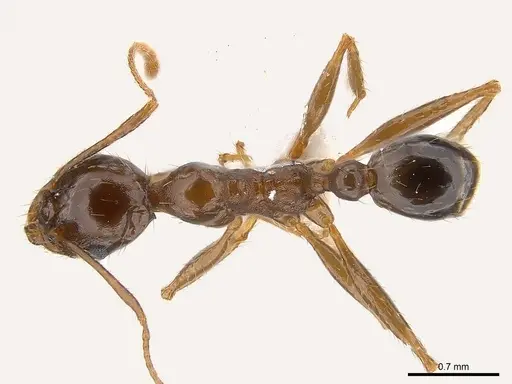
CASENT0217096
View on AntWeb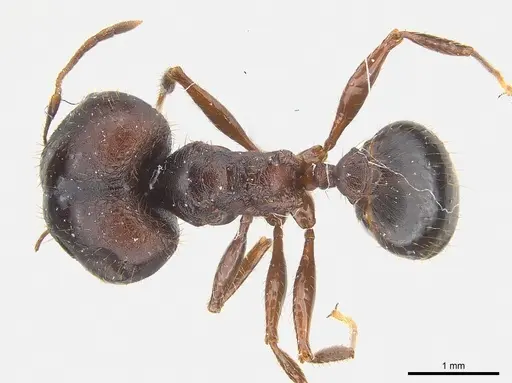
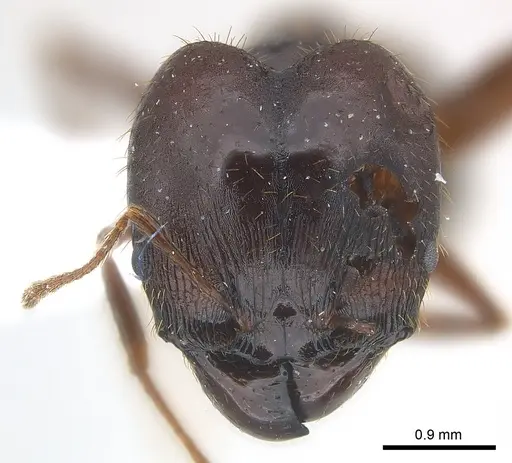
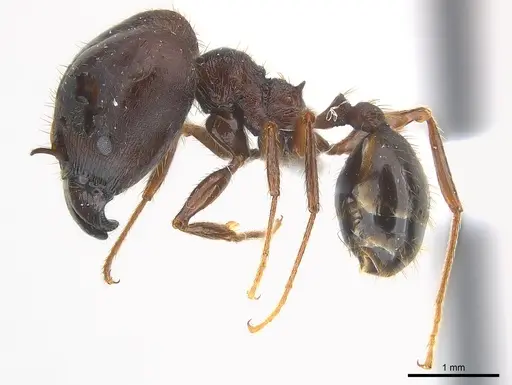
CASENT0281183
View on AntWeb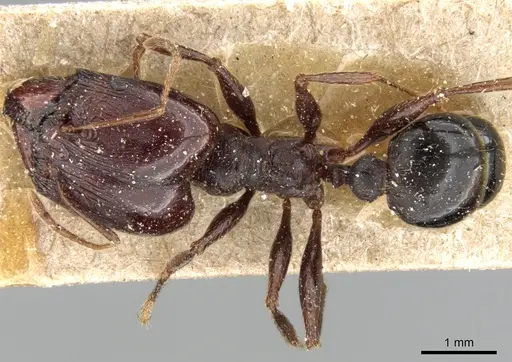
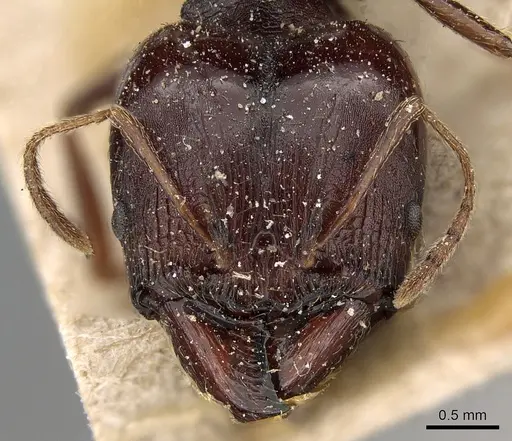
CASENT0281184
View on AntWeb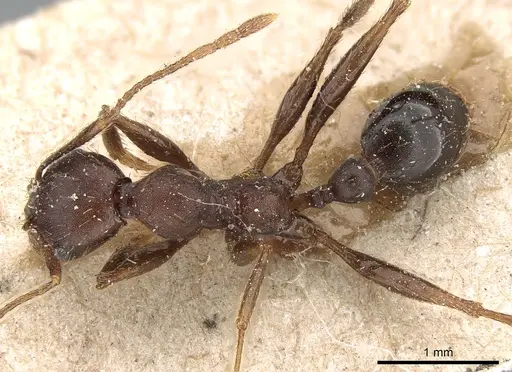
CASENT0901273
View on AntWeb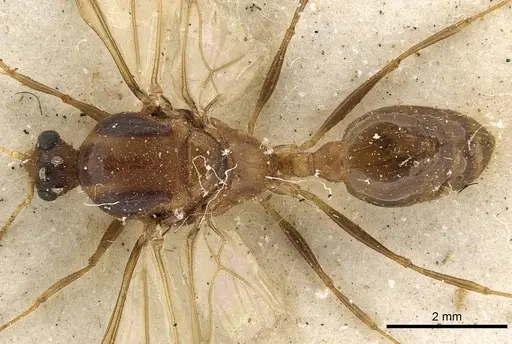
CASENT0901274
View on AntWeb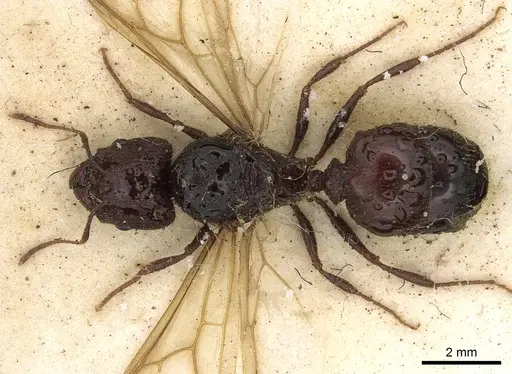
CASENT0904212
View on AntWeb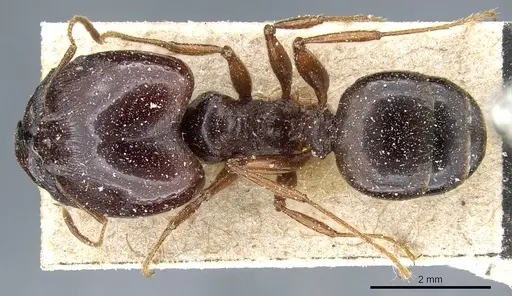
CASENT0904213
View on AntWeb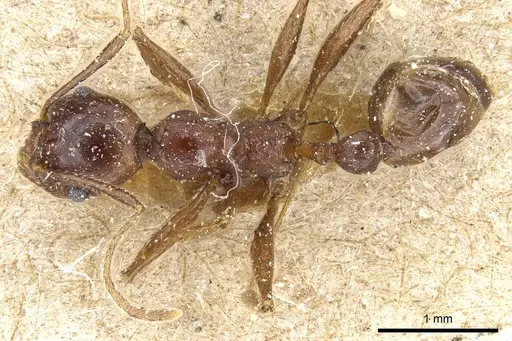
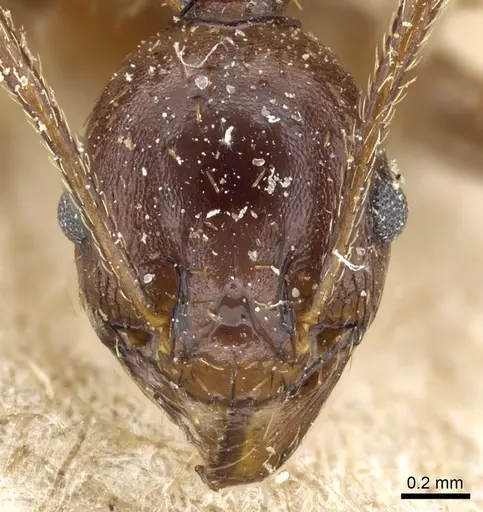
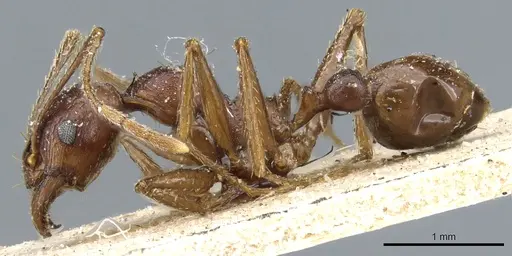
CASENT0906526
View on AntWeb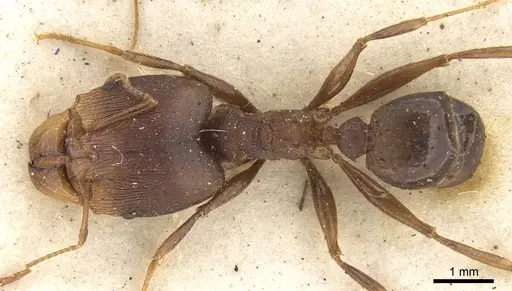
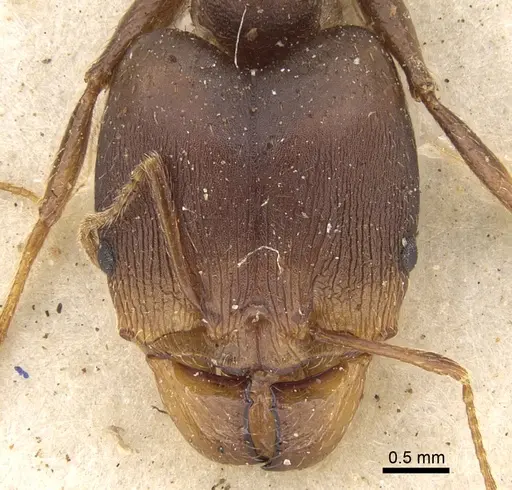
CASENT0906527
View on AntWeb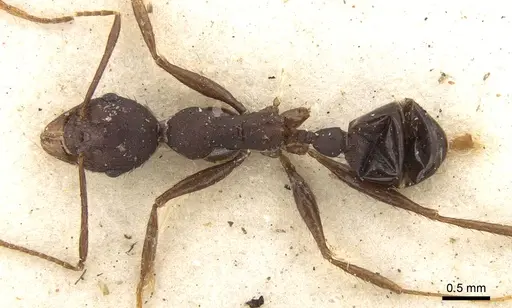
CASENT0913296
View on AntWeb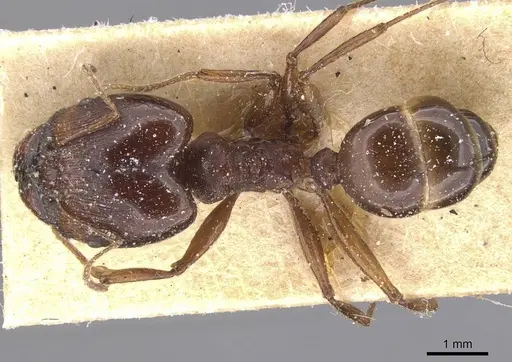
CASENT0913297
View on AntWeb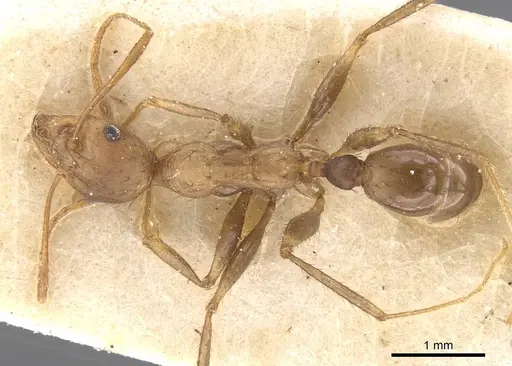
CASENT0913298
View on AntWeb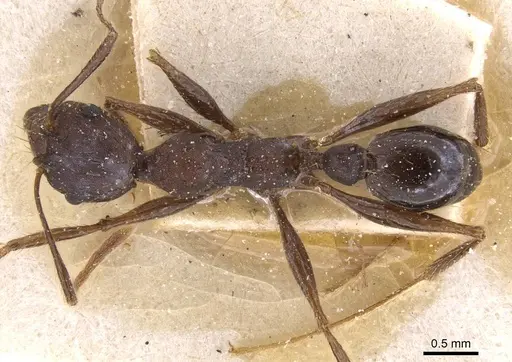
Literature
Loading...Loading products...