

Pheidole cramptoni
- Scientific Name
- Pheidole cramptoni
- Tribe
- Attini
- Subfamily
- Myrmicinae
- Author
- Wheeler, 1916
- Distribution
- Found in 11 countries
Pheidole cramptoni Overview
Pheidole cramptoni is an ant species of the genus Pheidole. It is primarily documented in 11 countries , including Brazil, Costa Rica, Ecuador. Detailed taxonomic data and occurrence records can be further explored via authoritative databases such as AntWeb or the Global Biodiversity Information Facility (GBIF).
Pheidole cramptoni
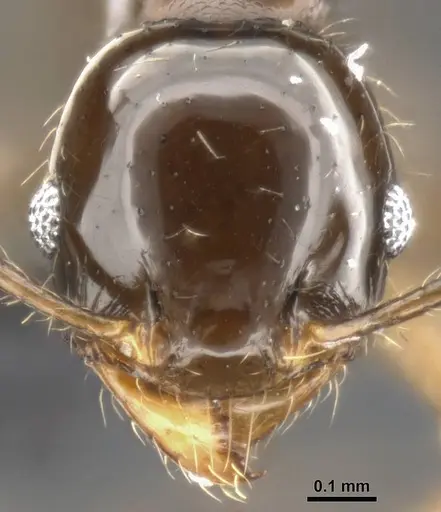
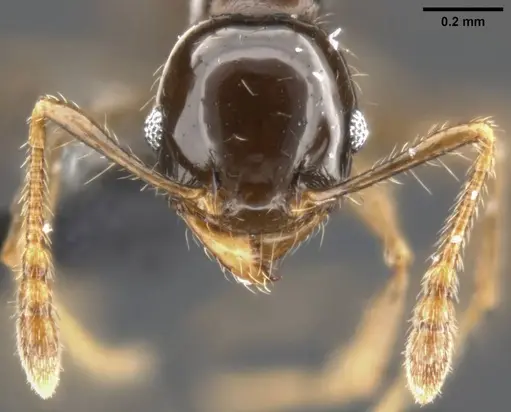
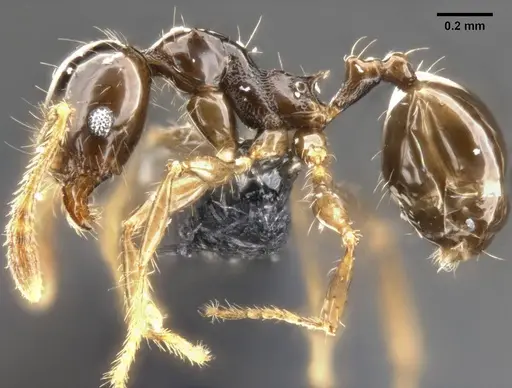
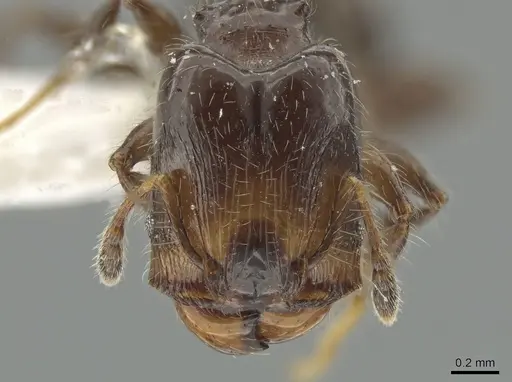
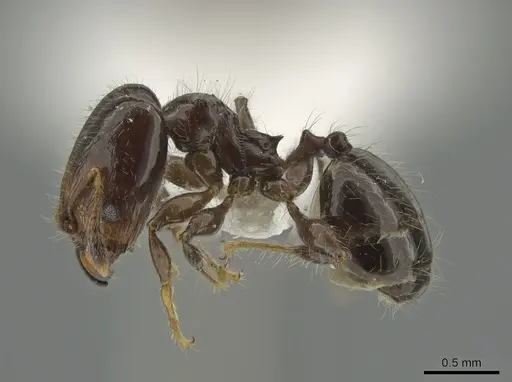
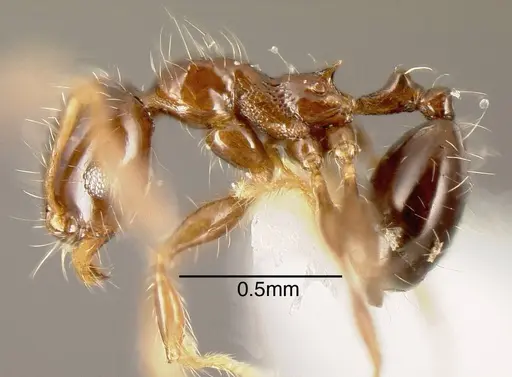
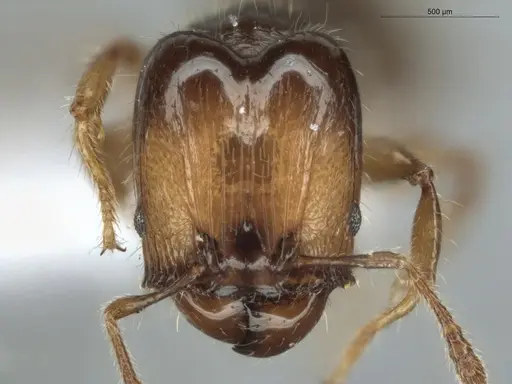
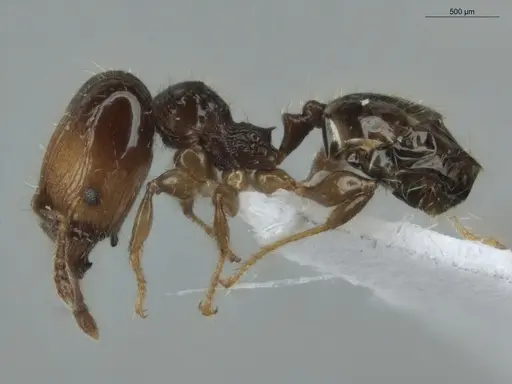
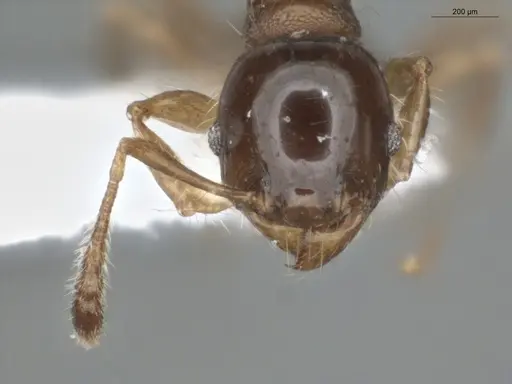
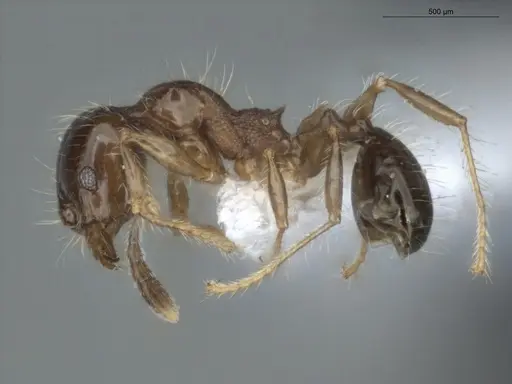
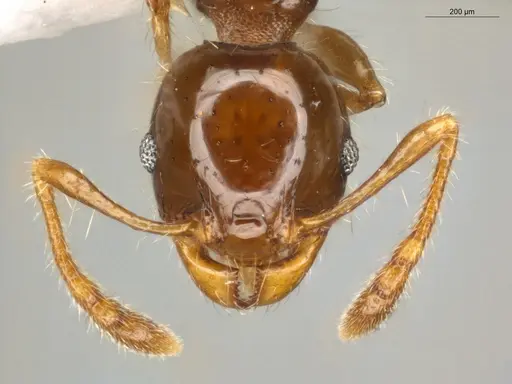
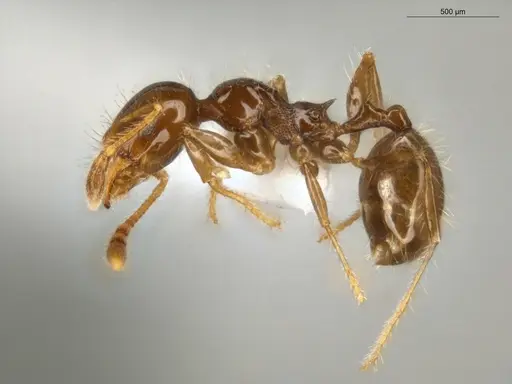
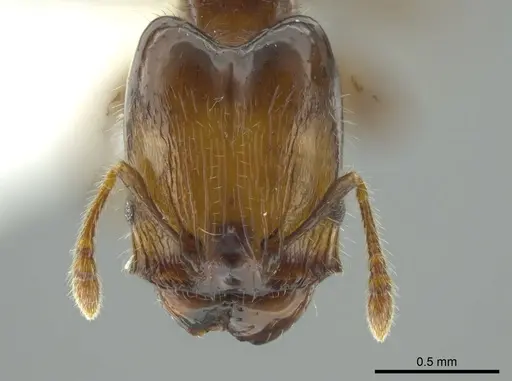
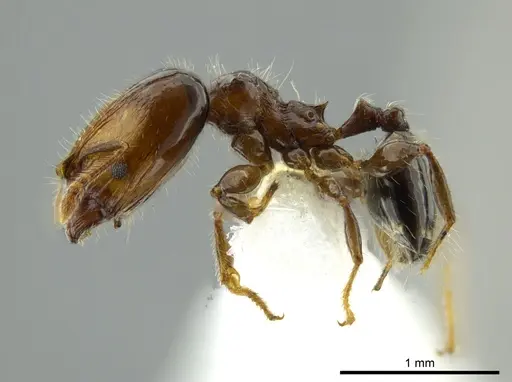
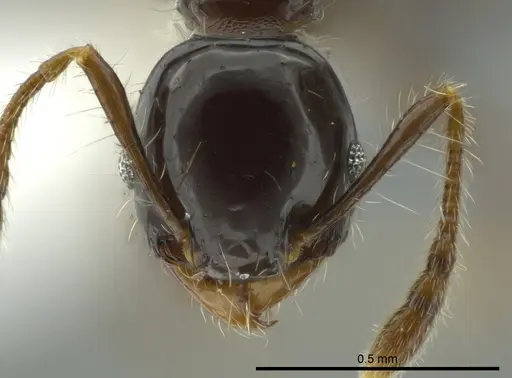
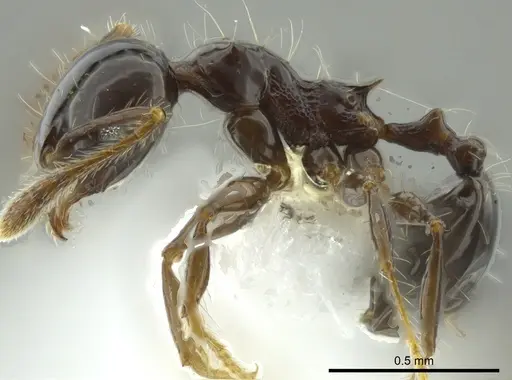
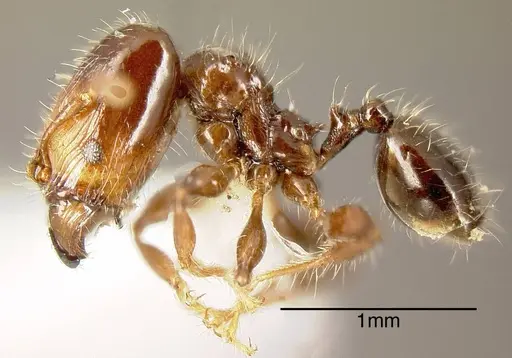
Pheidole cramptoni is a dimorphic ant species native to the Neotropical region, found across Central and South America from Mexico to Brazil. These ants have two worker castes: major workers (soldiers) with distinctive bicolored heads that are yellow in front and yellowish-brown in back, and smaller minor workers that are uniformly yellowish-brown. Majors have frontal lobes that project forward as triangular shapes and very large propodeal spiracles. This species is a rainforest specialist, typically nesting in rotting wood, hollow branches, and the cavities of myrmecophyte plants like Cordia and Piper. Colonies are relatively small and have been found with winged reproductives present in nests from April through November.
Quick Summary
- Difficulty: Medium
- Origin & Habitat: Neotropical rainforest regions of Central and South America, from Mexico to Brazil. Found in primary rainforest on the Costa Rican Atlantic slope, Amazonian Brazil, Ecuador, Peru, Guyana, and Colombia. Nests in rotting cavities of live branches, dead sticks, and hollow plant structures including myrmecophytes of the genera Cordia and Piper [1][2].
- Colony Type: Likely monogyne (single queen colonies) based on typical Pheidole patterns. Colonies contain major and minor workers.
- Colony: Monogyne
- Founding: Claustral
- Size & Growth:
- Queen: Approximately 6-7mm (estimated from genus patterns)
- Worker: Major workers: 0.96mm head width, Minor workers: 0.52mm head width [2]
- Colony: Small to moderate, likely several hundred workers at maturity (typical for Pheidole)
- Growth: Moderate
- Development: Estimated 6-8 weeks at tropical temperatures based on related Pheidole species (Development time is typical for tropical Myrmicinae, faster than temperate species but slower than some highly specialized tropical ants)
- Antkeeping:
- Temperature: Keep at 24-28°C. As a Neotropical rainforest species, they prefer warm, stable conditions. A heating cable on one side of the nest can create a gentle gradient [1].
- Humidity: High humidity is essential, aim for 70-85%. These ants naturally live in damp rainforest environments and rotting wood. Keep the nest substrate consistently moist but not waterlogged. Provide a water reservoir in test tube setups.
- Diapause: No true diapause required. As a tropical species, they do not need hibernation. However, slight temperature reductions during cooler months may be appropriate if room temperature drops naturally.
- Nesting: Naturalistic setups work best, rotting wood cork, cork bark, or plaster nests with moisture chambers. They also accept test tube setups with cotton-plugged water reservoirs. Avoid completely dry environments.
- Behavior: These ants are generalist foragers, actively searching for food both on the ground and in vegetation. Like other Pheidole species, majors defend the colony and help process larger food items while minors handle most foraging and brood care. They are not particularly aggressive but will defend if threatened. Minor workers are small (around 2mm) so escape prevention should be taken seriously, use fine mesh barriers and tight-fitting lids.
- Common Issues: high humidity maintenance is critical, drying out causes colony collapse, small minor workers can escape through standard mesh, use fine mesh barriers, rotting wood nests can mold if overwatered, balance moisture carefully, tropical species may struggle if room temperature drops below 22°C, wild-caught colonies may arrive with parasites or in poor condition
Housing and Nest Setup
Pheidole cramptoni does well in naturalistic setups that mimic its rainforest habitat. The best options include cork bark nests (rotting wood corks work exceptionally well), plaster nests with water chambers, or test tube setups for founding colonies. For test tubes, use a cotton-plugged water reservoir and keep the cotton moist but not dripping. The ants will nest in the darker, more humid end of the setup. For larger colonies, a formicarium with a moisture chamber connected to a foraging area works well. Whatever setup you choose, ensure excellent escape prevention, these are small ants that can squeeze through surprisingly small gaps. [1]
Feeding and Diet
Like most Pheidole species, P. cramptoni is a generalist omnivore. Offer protein sources like small insects (fruit flies, pinhead crickets, small mealworms) and carbohydrate sources like sugar water, honey, or maple syrup. In the wild, they forage for both prey and honeydew from aphids and scale insects. Feed small prey items that minors can handle, they will recruit nestmates to help with larger prey. A protein source twice weekly and constant access to sugar water works well for established colonies. Remove uneaten prey after 24-48 hours to prevent mold. [1]
Temperature and Humidity Requirements
As a Neotropical rainforest species, P. cramptoni requires warm and humid conditions. Keep temperatures in the range of 24-28°C year-round. They can tolerate brief periods slightly above or below this range but prolonged cold will slow or stop brood development. Humidity should be maintained at 70-85%. The nest substrate should feel consistently damp to the touch. In test tube setups, the water reservoir provides humidity, for naturalistic setups, mist the nest area regularly and ensure the moisture chamber is filled. Avoid placing the nest near air conditioning vents or in rooms with temperature fluctuations. [1]
Colony Development and Growth
Pheidole colonies grow through the production of major and minor workers. The first workers (nanitics) will be smaller than normal workers. Once the first major workers appear, the colony enters a growth phase where both worker castes are produced. Colonies remain relatively small compared to some genera, expect a few hundred workers at maximum. Growth rate is moderate, typical for tropical Myrmicinae. The presence of both worker castes is a distinctive feature of Pheidole and one that makes them fascinating to observe as majors specialize in different tasks than minors. [1]
Behavior and Observation
Watching P. cramptoni reveals the classic Pheidole dynamic between major and minor workers. Minor workers handle most foraging, brood care, and nest maintenance. Major workers (soldiers) defend the colony, help process large food items, and may assist with nest entrance guard duties. When you offer food, minor workers will recruit nestmates through pheromone trails, you'll see a trail form within minutes to a food source. Majors will arrive to help tackle larger prey. This division of labor makes them engaging to watch and suitable for keepers who enjoy observing ant behavior. [1]
Frequently Asked Questions
How long does it take for Pheidole cramptoni to produce first workers?
Expect first workers (nanitics) in approximately 6-8 weeks after the queen lays eggs, assuming temperatures around 26°C. This is typical for tropical Pheidole species. The exact timing depends on temperature, warmer conditions speed development while cooler temperatures slow it.
Can I keep Pheidole cramptoni in a test tube?
Yes, test tubes work well for founding colonies. Use a standard test tube with a cotton-plugged water reservoir. Keep the cotton moist and place the tube in a dark, humid location. Once the colony reaches 30-50 workers, consider moving to a naturalistic setup with a foraging area.
What do I feed Pheidole cramptoni?
Offer a varied diet: small insects (fruit flies, pinhead crickets, small mealworms) for protein, and sugar water, honey, or maple syrup for carbohydrates. Feed protein 2-3 times per week and keep sugar water available at all times. Remove uneaten prey after 24 hours.
Are Pheidole cramptoni good for beginners?
They are moderate difficulty, easier than many tropical species because they tolerate a range of conditions, but they do require maintained high humidity which can be challenging. Their small size and need for escape prevention make them better suited for keepers who already have some experience with small ant species.
Do Pheidole cramptoni need hibernation?
No, they do not require hibernation. As a Neotropical species, they expect year-round warm temperatures. Do not attempt to cool them down for winter, maintain temperatures of 24-28°C year-round.
How big do Pheidole cramptoni colonies get?
Colonies typically reach several hundred workers at maturity. This is smaller than many common pet ant species. The presence of major workers (soldiers) makes even smaller colonies appear more impressive.
Why are my Pheidole cramptoni dying?
The most common causes are: drying out (low humidity kills them quickly), temperatures below 22°C, or escape/collection issues. Check that the nest is consistently damp, temperatures are in the 24-28°C range, and that escape prevention is adequate. Wild-caught colonies may also arrive with parasites.
When should I move my colony to a formicarium?
Move from a test tube setup when the colony reaches 30-50 workers and you see the test tube becoming crowded or the water reservoir running low frequently. A naturalistic setup with cork or plaster works well for this species.
Can I keep multiple queens together?
Pheidole cramptoni is likely monogyne (single queen). Combining unrelated queens is not recommended as they likely will fight. If you acquire a wild colony, it will typically have one functional queen.
References

This caresheet is licensed under CC BY-SA 4.0 .
CASENT0282957
View on AntWeb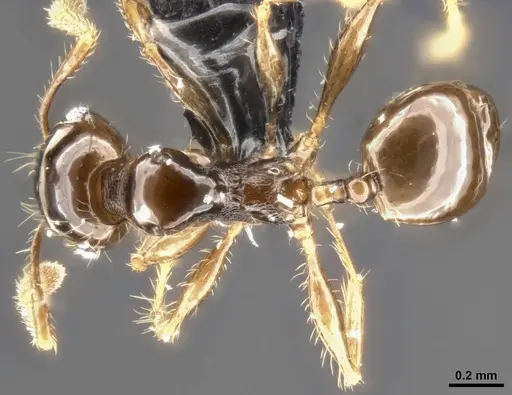
CASENT0629353
View on AntWeb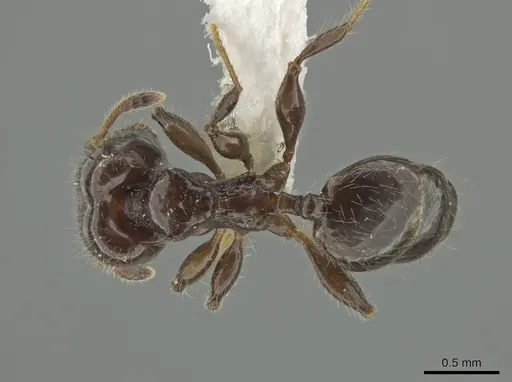
CASENT0635457
View on AntWeb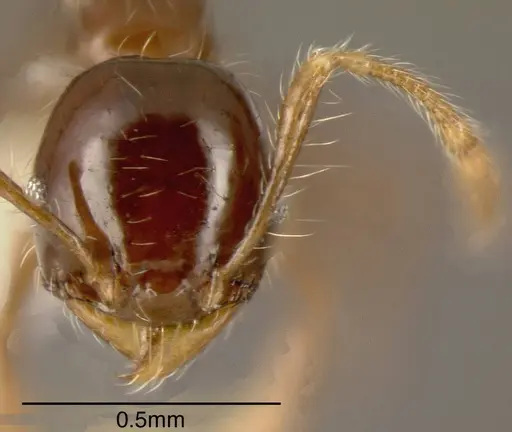
ECOFOG-GAL18-0159-23-S
View on AntWeb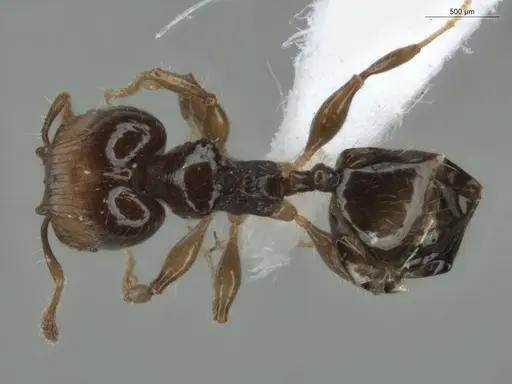
ECOFOG-IT14-0069-44
View on AntWeb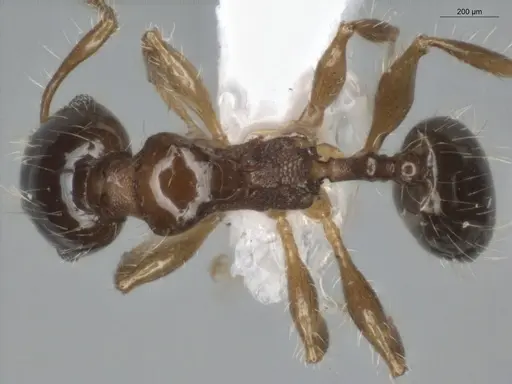
ECOFOG-MI15-0134-26
View on AntWeb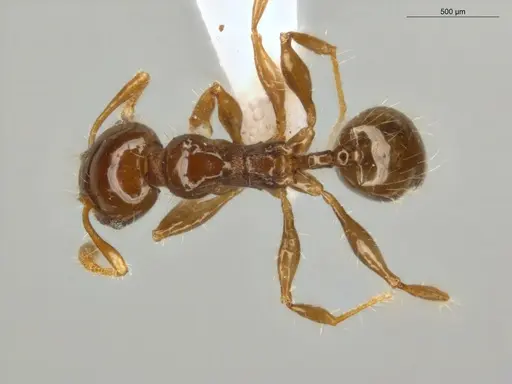
INB0003613109
View on AntWeb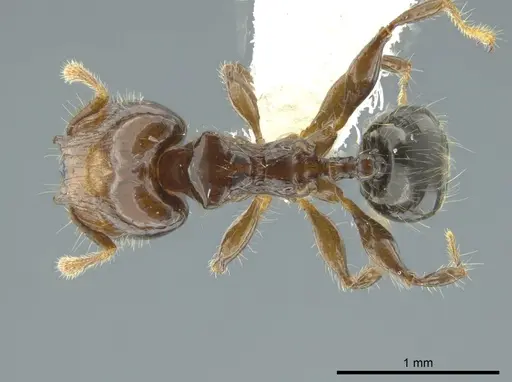
INB0003613114
View on AntWeb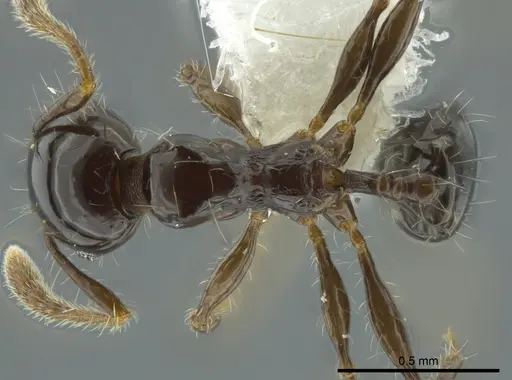
INBIOCRI001282205
View on AntWeb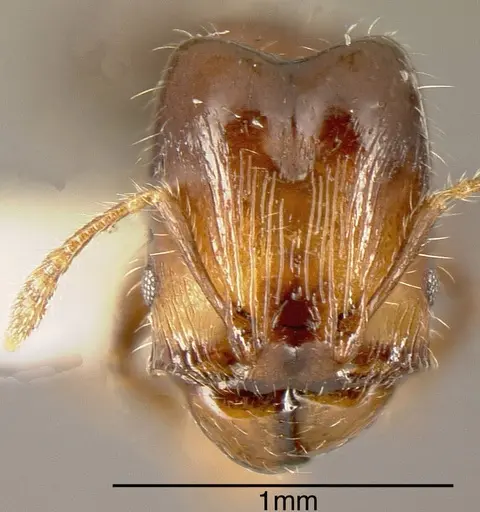
Literature
Loading...Loading products...