

Pheidole coracina
- Scientific Name
- Pheidole coracina
- Tribe
- Attini
- Subfamily
- Myrmicinae
- Author
- Wilson, 2003
- Distribution
- Found in 2 countries
Pheidole coracina Overview
Pheidole coracina is an ant species of the genus Pheidole. It is primarily documented in 2 countries , including Mexico, United States of America. Detailed taxonomic data and occurrence records can be further explored via authoritative databases such as AntWeb or the Global Biodiversity Information Facility (GBIF).
Pheidole coracina
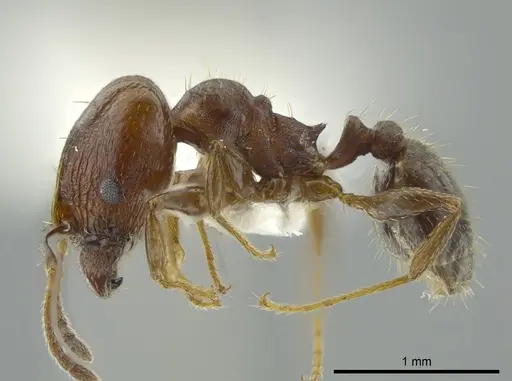
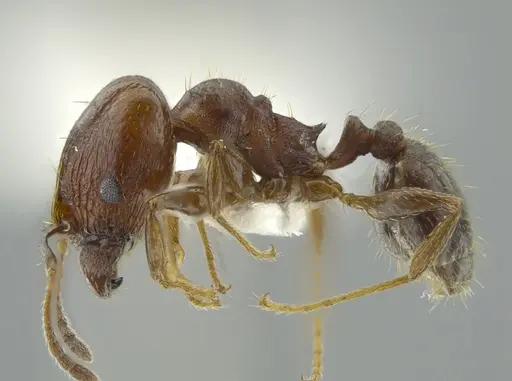
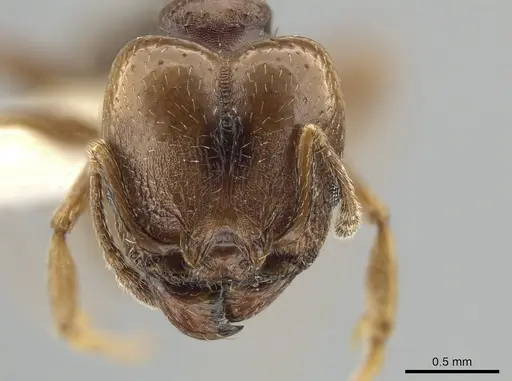
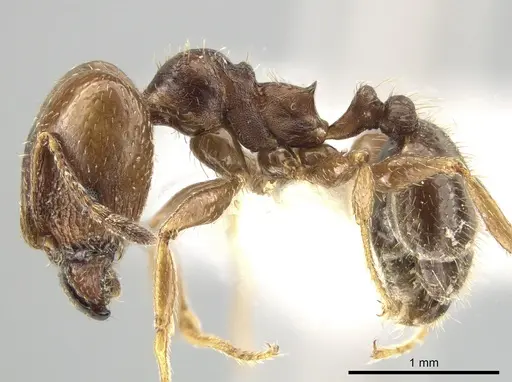
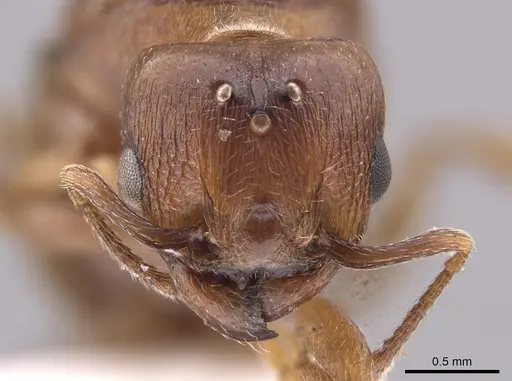
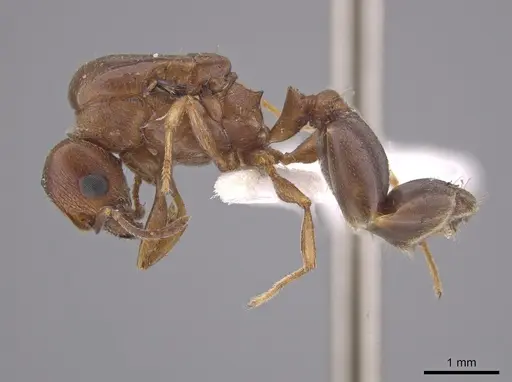
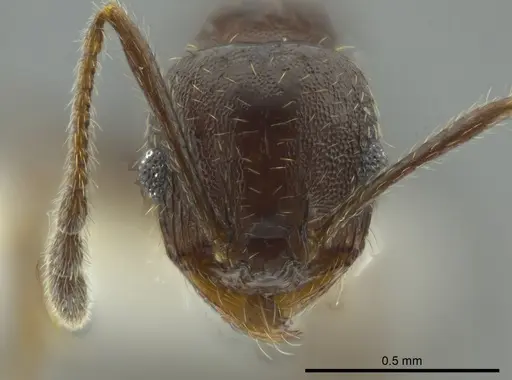
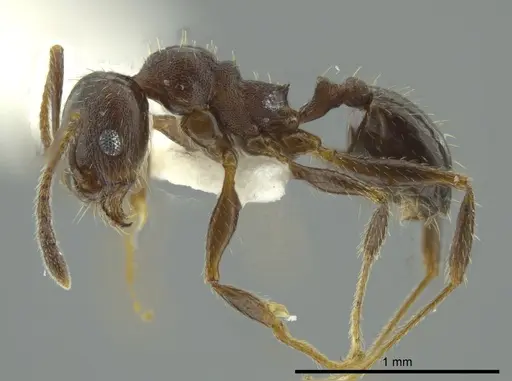
Pheidole coracina is a small ant species native to central Mexico, first described by Wilson in 2003. It belongs to the crassicornis group within the genus Pheidole, which is known for its distinctive caste system featuring large major workers (soldiers) and smaller minor workers. The minor workers are a striking raven-black color, which is where the species name 'coracina' (meaning raven-like) comes from. Major workers have a light reddish-brown body with a medium-brown gaster and a distinctive dark brown spot on the head. This species is only known from its type locality in San Luis Potosí, making it a rare and relatively obscure member of an otherwise widespread and diverse genus [1].
As a Pheidole species, P. coracina exhibits the genus's characteristic dimorphic worker caste system, with major workers serving as defenders and food processors while minors handle most foraging and brood care. The biology of this specific species remains completely undocumented in scientific literature, which means keepers will need to rely on general Pheidole care principles while observing their colony's specific preferences.
Quick Summary
- Difficulty: Medium
- Origin & Habitat: Central Mexico (San Luis Potosí), the only known locality. Found in the Mexican Altiplano region at moderate elevation. Inhabits arid to semi-arid tropical environments with distinct wet and dry seasons [1].
- Colony Type: Likely single-queen (monogyne) based on typical Pheidole patterns, though unconfirmed for this species. Pheidole colonies typically develop distinct major and minor worker castes.
- Size & Growth:
- Queen: Unknown, not described in original description. Based on related species, likely 5-7mm
- Worker: Minor: 0.60mm HW,0.66mm HL [1]. Major: 1.20mm HW,1.24mm HL [1].
- Colony: Unknown for this species. Typical Pheidole colonies reach several hundred to a few thousand workers.
- Growth: Moderate, based on typical Pheidole development patterns
- Development: Estimated 6-8 weeks at optimal temperature based on genus-level data for similar tropical Pheidole species (Development time is estimated from related species, specific data for P. coracina does not exist)
- Antkeeping:
- Temperature: Keep at 22-26°C. Mexican species generally tolerate warmer conditions. Provide a gentle temperature gradient allowing workers to self-regulate [1].
- Humidity: Moderate, aim for 50-60% humidity. Allow substrate to dry partially between waterings. These ants come from a region with seasonal rainfall patterns.
- Diapause: Likely a brief winter slowdown period (2-3 months at 15-18°C) based on central Mexico's climate, though not directly studied for this species.
- Nesting: In captivity, standard test tube setups work well for founding colonies. Once established, they adapt to Y-tong nests, acrylic formicaria, or naturalistic setups with soil substrate. Provide some dry areas within the nest for food storage.
- Behavior: Pheidole coracina will show typical Pheidole behavior, active foraging with minor workers handling most tasks and major workers defending the colony. They are not particularly aggressive toward keepers but majors can deliver mild bites if threatened. Escape risk is moderate, standard barriers work well for this size. Majors are relatively small (1.2mm head width) so they cannot escape through typical formicarium gaps.
- Common Issues: completely undocumented biology means care is based on genus-level assumptions, observe your colony closely, no specific temperature or humidity data exists, start with typical Pheidole ranges and adjust based on colony health, growth rate is unknown so keepers may experience anxiety during slow early development, be patient, no documented diet acceptance, offer varied foods and note what they prefer, this species is extremely rare in the hobby since it's only known from one location in the wild
Housing and Nest Setup
Pheidole coracina can be housed in standard ant keeping setups. For founding colonies, a simple test tube setup with a water reservoir works well, the queen will seal herself in a chamber and raise the first brood alone. Once the colony reaches 20-30 workers, you can consider moving them to a more elaborate formicarium. Y-tong nests, acrylic nests, or naturalistic setups with soil all work for established colonies. Because this species comes from central Mexico, they appreciate some dry space within the nest area alongside moister areas for brood. A small outworld for foraging allows workers to hunt and collect food. Escape prevention should be standard, while not large ants, they are active and may explore gaps in setup [1].
Feeding and Diet
Pheidole species are omnivorous and typically accept both protein and carbohydrate sources. In the wild, they forage for seeds, insects, and honeydew. For captive colonies, offer protein sources like small insects (fruit flies, small mealworms, crickets), and provide sugar sources such as honey water or sugar water. Seeds may also be accepted as Pheidole are known seed collectors. Feed protein 2-3 times per week and keep sugar water available at all times. Remove uneaten prey after 24-48 hours to prevent mold. Since nothing is specifically documented about P. coracina's diet, observe your colony's preferences and adjust accordingly [1].
Temperature and Seasonal Care
As a species from central Mexico, Pheidole coracina prefers warm conditions. Maintain temperatures between 22-26°C for optimal colony development. They can tolerate brief periods outside this range but prolonged cold will slow or stop brood development. During winter months in temperate climates, a brief hibernation period at 15-18°C for 2-3 months may be beneficial, mimicking the cooler dry season in their natural habitat. However, since this species has not been studied in detail, monitor your colony's activity levels, if they remain active, maintaining room temperature (around 20-22°C) year-round is also acceptable. Avoid temperatures below 15°C or above 30°C for extended periods.
Colony Development and Growth
Pheidole colonies are characterized by their dimorphic worker caste system, small minor workers handle most tasks while large major workers (soldiers) develop to defend the colony and process large food items. The timeline from egg to first worker (nanitics) is estimated at 6-8 weeks at optimal temperature based on related species. Initial colonies grow slowly as the queen raises the first brood alone. Once majors begin appearing (typically after the colony reaches 50-100 workers), growth often accelerates. Patience is essential, Pheidole colonies can take several months to establish and may appear stagnant during early stages. Major workers typically appear after the colony is well-established and signal that the colony is maturing.
Handling and Temperament
Pheidole coracina is not considered dangerous to keepers. The major workers can bite if provoked, but their small size (1.2mm head width) means any bite is mild. They are not aggressive toward humans and will typically flee when disturbed rather than attack. The main concern for keepers is ensuring they cannot escape, while not excellent climbers on smooth surfaces, they are persistent explorers. Use standard barrier methods (fluon on rim, tight-fitting lids). When observing your colony, you will see the interesting division of labor between majors and minors, minors handle foraging, brood care, and nest maintenance while majors patrol and defend.
Frequently Asked Questions
How long does it take for Pheidole coracina to produce first workers?
Based on typical Pheidole development, expect first workers (nanitics) in about 6-8 weeks at optimal temperature (22-26°C). The exact timeline for this species is unconfirmed since no biological studies exist.
What do I feed Pheidole coracina?
Offer a varied diet including protein (small insects like fruit flies, pinhead crickets, small mealworms) and carbohydrates (honey water, sugar water). Pheidole species also collect seeds, so you can offer small seeds as enrichment. Keep sugar water available at all times.
Are Pheidole coracina ants dangerous?
No, they are not dangerous to humans. Major workers can deliver a mild bite if handled roughly, but their small size means any sensation is minimal. They are not aggressive toward keepers.
How big do Pheidole coracina colonies get?
The maximum colony size for this specific species is unknown. Based on typical Pheidole patterns, colonies likely reach several hundred to a few thousand workers over several years.
Do Pheidole coracina ants need hibernation?
A brief winter slowdown period (2-3 months at 15-18°C) is likely beneficial given their origin in central Mexico with seasonal climate, but it may not be strictly required if kept at room temperature year-round.
Can I keep multiple Pheidole coracina queens together?
This is unconfirmed for the species. Most Pheidole are single-queen colonies. Unless you have specific information about this species accepting multiple queens, it is not recommended to house multiple foundresses together.
What size nest do Pheidole coracina need?
For founding colonies, a simple test tube with water reservoir works well. Once established (20+ workers), they can be moved to Y-tong nests, acrylic formicaria, or naturalistic setups. They are not large ants so standard-sized chambers are appropriate.
Why is my Pheidole coracina colony growing slowly?
Slow growth is normal for Pheidole during the founding stage. The queen raises first workers alone and initial brood development takes time. As the colony grows and majors appear, growth typically accelerates. Ensure proper temperature (22-26°C), feeding, and humidity, then be patient.
Do Pheidole coracina major workers serve a special purpose?
Yes, in Pheidole species, major workers (soldiers) have specialized roles. They defend the colony, process large food items that minors cannot handle, and may help with nest maintenance. Their large heads contain powerful muscles for biting.
Where is Pheidole coracina found in the wild?
This species is only known from a single location in San Luis Potosí, central Mexico. It was described in 2003 and no additional populations have been documented. This makes them a rare species in the ant keeping hobby.
References

This caresheet is licensed under CC BY-SA 4.0 .
CASENT0627917
View on AntWeb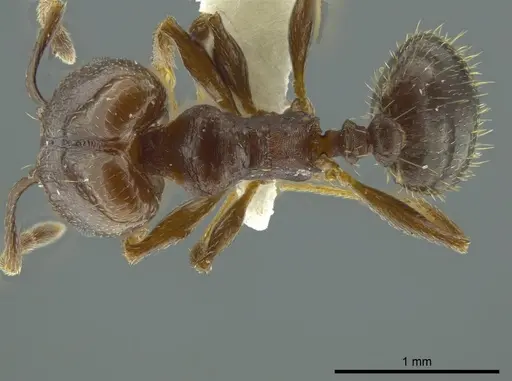
CASENT0643971
View on AntWeb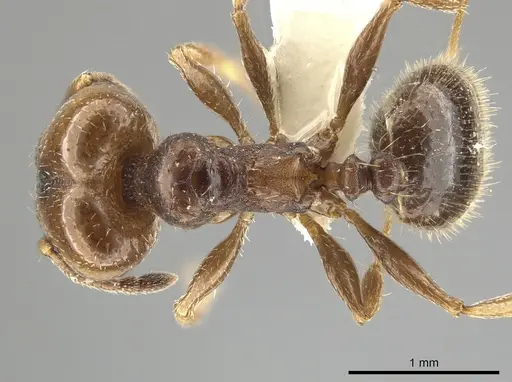
JTLC000010483
View on AntWeb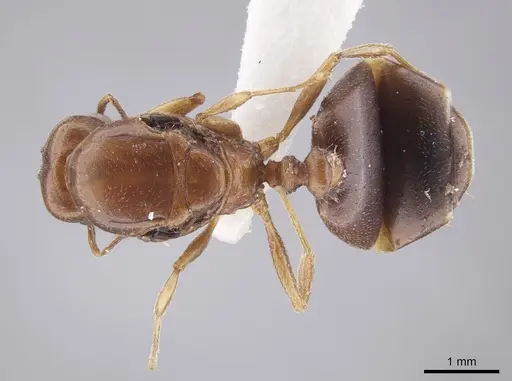
JTLC000016348
View on AntWeb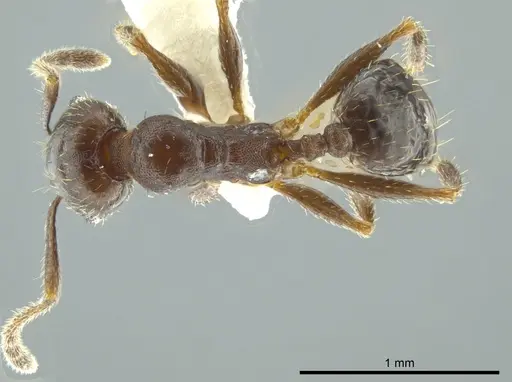
Literature
Loading...Loading products...