

Pheidole coonoorensis
- Scientific Name
- Pheidole coonoorensis
- Tribe
- Attini
- Subfamily
- Myrmicinae
- Author
- Forel, 1902
- Distribution
- Found in 1 countries
Pheidole coonoorensis Overview
Pheidole coonoorensis is an ant species of the genus Pheidole. It is primarily documented in 1 countries , including India. Detailed taxonomic data and occurrence records can be further explored via authoritative databases such as AntWeb or the Global Biodiversity Information Facility (GBIF).
Pheidole coonoorensis
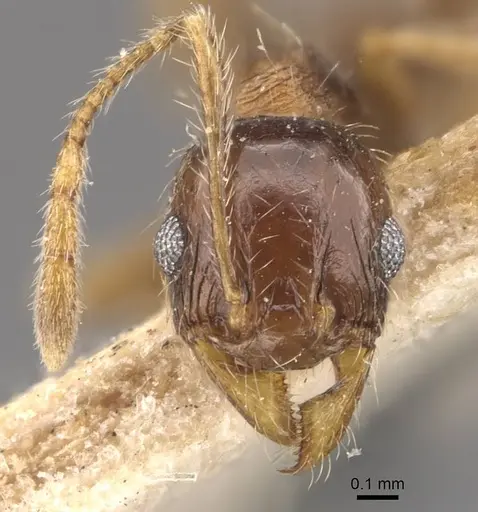
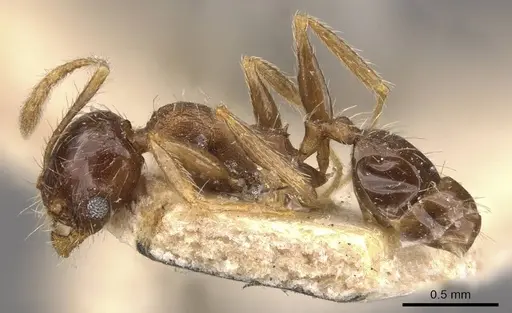
Pheidole coonoorensis is a small big-headed ant species endemic to India, specifically found in Tamil Nadu. Like all Pheidole species, they have two worker castes: larger major workers with distinctive large heads for seed-processing and defense, and smaller minor workers that handle most foraging and brood care. The species was originally described as a variety of Pheidole indica in 1902 before being elevated to full species status in 2004. Majors measure around 1.45mm in head length while minors are much smaller at about 0.61mm. Their body is brown in color. This species represents a poorly studied Indian Pheidole that likely shares care requirements with other members of this widespread genus.
Quick Summary
- Difficulty: Medium
- Origin & Habitat: Endemic to India, specifically recorded from Tamil Nadu in the Indomalaya region [1]. In nature, they likely nest in soil or under stones in tropical to subtropical habitats.
- Colony Type: Likely monogyne (single queen colonies) based on typical Pheidole genus patterns. Pheidole colonies typically have one founding queen that establishes the colony alone.
- Colony: Monogyne
- Founding: Claustral
- Size & Growth:
- Queen: Estimated 5-7mm based on genus patterns for similar-sized Pheidole species
- Worker: Major workers: 1.45mm head length (HL), Minor workers: 0.61mm HL [2][3]
- Colony: Estimated 500-2000 workers based on typical Pheidole colony growth patterns
- Growth: Moderate, Pheidole species typically grow at moderate rates once established
- Development: Estimated 6-8 weeks based on typical Pheidole development at warm temperatures (Development time is estimated from related Pheidole species, specific timing for this species has not been documented)
- Antkeeping:
- Temperature: Keep at 24-28°C. As a tropical Indian species, they prefer warm conditions. A heating cable on one side of the nest creates a suitable gradient.
- Humidity: Maintain moderate to high humidity around 60-80%. Keep the nest substrate slightly moist but not waterlogged. These ants likely prefer conditions similar to other Indian Pheidole species.
- Diapause: Likely minimal or no true diapause, Indian tropical species may slow down slightly during cooler months but do not require hibernation like temperate species
- Nesting: Test tubes work well for founding colonies. Once established, they may accept Y-tong nests, acrylic formicaria, or naturalistic setups with soil. Provide a moisture source.
- Behavior: Typical Pheidole temperament, generally peaceful but majors will defend the colony aggressively if threatened. They are active foragers that search for seeds and protein. Minor workers handle most foraging while majors process seeds and defend the nest. Escape risk is moderate due to their small size, use standard barrier methods.
- Common Issues: small colony size makes them vulnerable to stress, avoid disturbing founding colonies too often, overfeeding can lead to mold problems in test tube setups, minor workers are very small and can escape through standard cotton plugs if not properly sealed, slow initial growth during claustral founding phase can lead keepers to abandon colonies prematurely, wild-caught colonies may contain parasites that can decimate the colony in captivity
Housing and Setup
For founding colonies, a standard test tube setup works well. Fill a test tube with water and plug the wet end with cotton, leaving enough dry space for the queen. Place the queen in the tube and keep it in darkness until she seals the chamber. Once workers emerge (typically 4-8 weeks), you can continue in the test tube or move to a small formicarium. For established colonies, Y-tong nests, acrylic formicaria, or naturalistic setups with soil all work well. Provide a water source and ensure the nest area maintains appropriate humidity.
Feeding and Diet
Pheidole coonoorensis is an omnivorous species that accepts a variety of foods. Offer protein sources such as small insects (fruit flies, pinhead crickets, mealworms), and seeds. Pheidole majors are specialized for seed processing, they use their large heads to crush seeds for the colony. Provide a constant sugar source like sugar water, honey, or diluted honey water. Feed protein 2-3 times per week and ensure sugar water is always available. Remove uneaten food promptly to prevent mold.
Temperature and Humidity
As a tropical species from India, Pheidole coonoorensis prefers warm temperatures around 24-28°C. Use a heating cable or heating mat on one side of the nest to create a temperature gradient, allowing ants to regulate their own temperature. Maintain moderate to high humidity around 60-80% in the nest area. A moist substrate helps maintain humidity, monitor for condensation and mold. Avoid temperatures below 20°C for extended periods.
Colony Development
After the queen seals herself in the test tube, she will lay eggs and tend to the brood without leaving. The first workers (nanitics) are typically smaller than normal workers but will begin foraging once emerged. The colony will grow slowly at first as the queen continues laying eggs and workers take over brood care and foraging. Major workers appear as the colony grows larger, these develop from some larvae receiving more food. A healthy colony can reach several hundred workers within a year under optimal conditions.
Behavior and Defense
Pheidole species are known for their caste system: minor workers handle most daily tasks including foraging, brood care, and nest maintenance, while major workers specialize in seed processing and colony defense. When threatened, majors will use their large mandibles to defend the colony. They are not particularly aggressive toward humans but will bite if handled roughly. Their small size means they can squeeze through small gaps, ensure your setup has proper barriers.
Frequently Asked Questions
How long does it take for Pheidole coonoorensis to have first workers?
Expect first workers (nanitics) to emerge in about 6-8 weeks after the queen lays eggs, assuming temperatures around 24-28°C. This is typical for Pheidole species, though exact timing varies with temperature.
What do Pheidole coonoorensis ants eat?
They are omnivores that accept both protein and carbohydrates. Feed small insects like fruit flies or pinhead crickets, seeds, and provide constant access to sugar water or honey. Majors will process seeds for the colony.
Can I keep multiple Pheidole coonoorensis queens together?
This species is likely monogyne (single queen). Combining unrelated queens is not recommended as they likely will fight. Only keep one queen per colony.
What temperature do Pheidole coonoorensis need?
Keep them warm at 24-28°C. As a tropical Indian species, they prefer these warmer conditions. A heating cable on part of the nest can help maintain optimal temperatures.
How big do Pheidole coonoorensis colonies get?
Based on typical Pheidole growth patterns, colonies can reach several hundred to around 2000 workers at maturity. Growth rate is moderate.
Do Pheidole coonoorensis need hibernation?
As a tropical species from India, they likely do not require true hibernation. They may slow down slightly during cooler months but do not need a cold diapause period.
Are Pheidole coonoorensis good for beginners?
This species is rated as medium difficulty. They are smaller and more sensitive than some common species, but once established, they are relatively straightforward to care for. The main challenges are their small size and slower initial growth.
When should I move my colony to a formicarium?
Move to a formicarium once the test tube becomes crowded or when you see 20+ workers. Make sure the formicarium has appropriate humidity and a water source before transferring.
Why are my Pheidole coonoorensis dying?
Common causes include: temperature too low or too high, humidity extremes (too dry or waterlogged), mold from overfeeding, stress from disturbance during founding, or parasites. Check your conditions and reduce feeding if mold appears.
References

This caresheet is licensed under CC BY-SA 4.0 .
CASENT0907895
View on AntWeb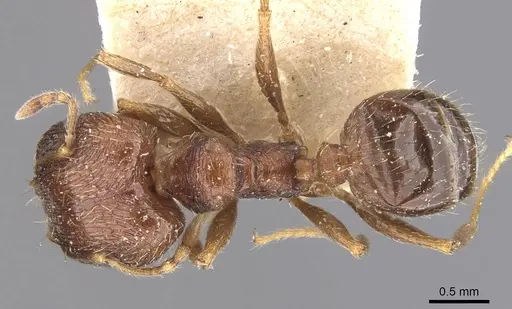
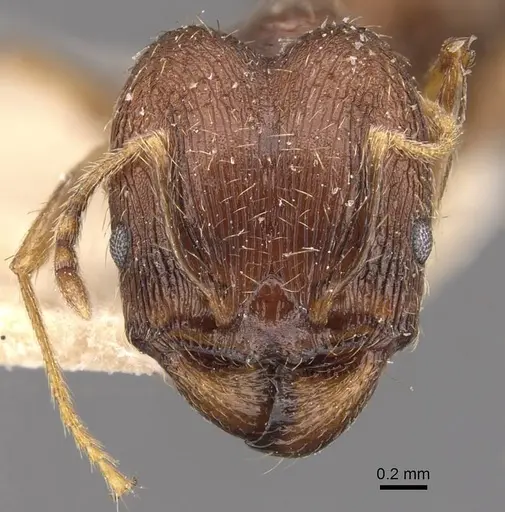
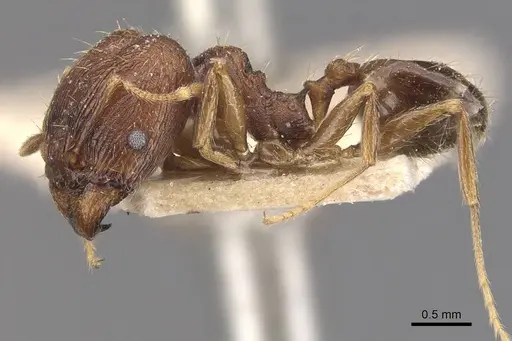
CASENT0907896
View on AntWeb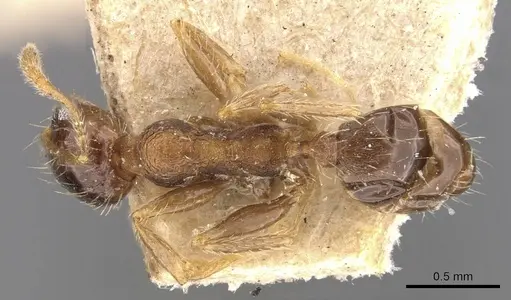
Literature
Loading...Loading products...