

Pheidole colpigaleata
- Scientific Name
- Pheidole colpigaleata
- Tribe
- Attini
- Subfamily
- Myrmicinae
- Author
- Eguchi, 2006
- Distribution
- Found in 1 countries
Pheidole colpigaleata Overview
Pheidole colpigaleata is an ant species of the genus Pheidole. It is primarily documented in 1 countries , including Viet Nam. Detailed taxonomic data and occurrence records can be further explored via authoritative databases such as AntWeb or the Global Biodiversity Information Facility (GBIF).
Pheidole colpigaleata
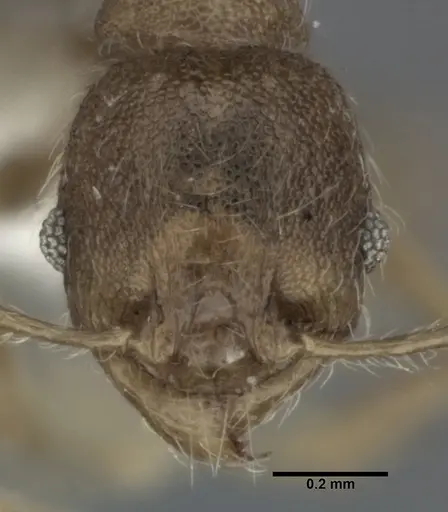
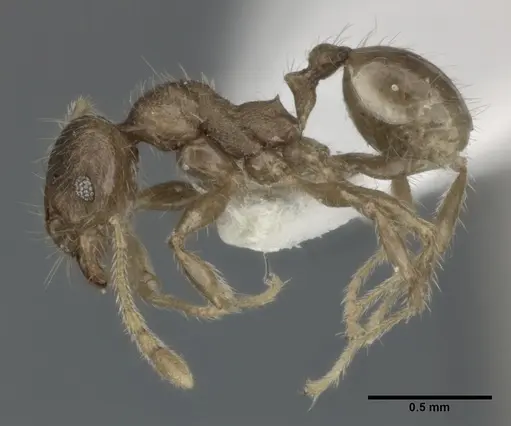
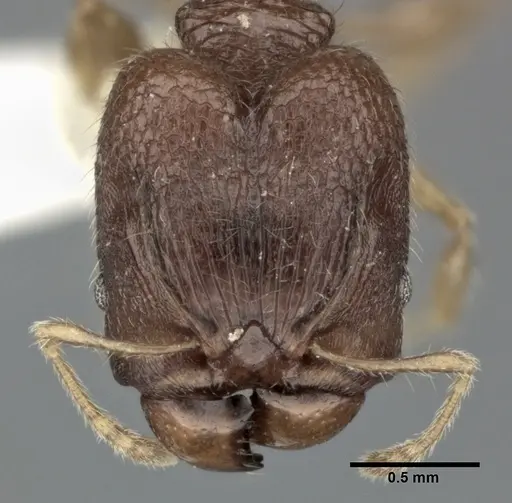
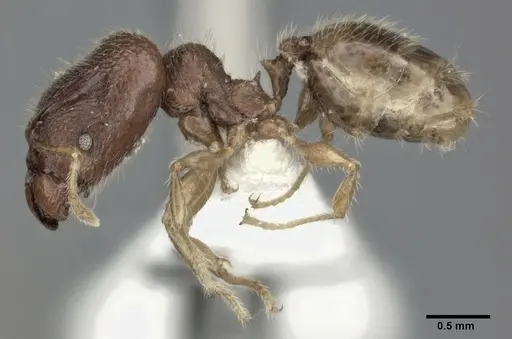
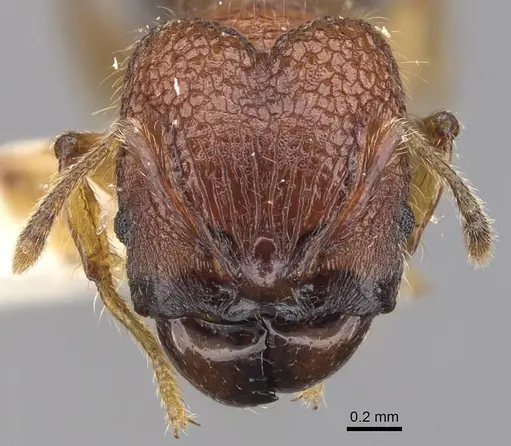
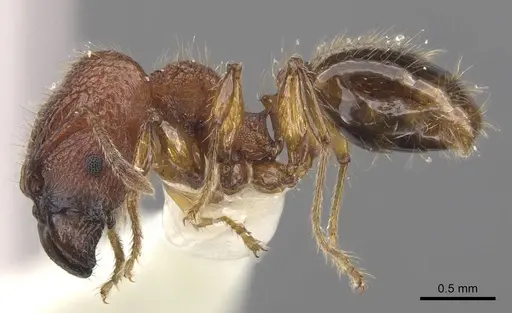
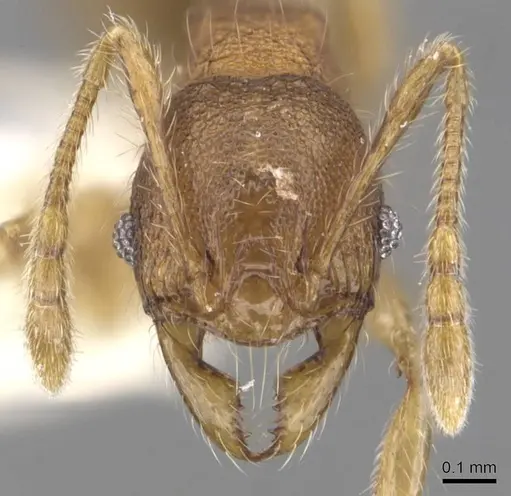
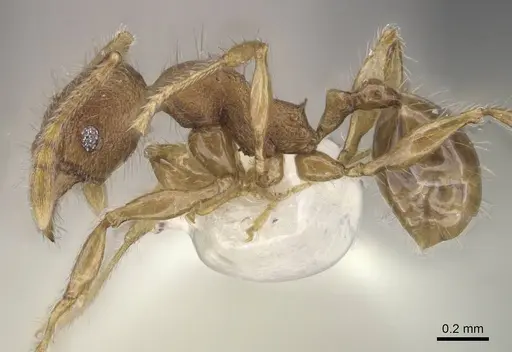
Pheidole colpigaleata is a small ant species native to northern Vietnam, first described by Eguchi in 2006. The genus Pheidole is known for having two distinct worker castes, minor workers and major workers (soldiers). This species features minor workers measuring 0.53-0.58mm with punctured heads and mesosoma, while majors are larger at 1.21-1.29mm with distinctive hypostoma processes and well-developed frontal carinae [1][2]. The species inhabits forests from lowland to hilly areas up to 1200m altitude, nesting in rotting twigs and small wood fragments [3].
One of the most interesting traits of this species is that major workers serve as repletes, they store food in their expanded abdomens to share with the colony, similar to how honey ants store honey. Colonies have also been observed storing many small seeds inside their nests [3]. This seed-storing behavior is unusual among Pheidole species and suggests they may have a more varied diet than typical seed-eating ants.
Quick Summary
- Difficulty: Medium
- Origin & Habitat: Northern Vietnam, specifically Ba Vi, Sa Pa, and Tay Yen Tu areas. They inhabit forest environments from lowland to hilly areas up to approximately 1200 meters altitude [4][3]. In the wild, they nest in rotting twigs and small wood fragments.
- Colony Type: Likely monogyne (single queen) based on typical Pheidole colony structure. Colonies contain distinct minor and major worker castes. Majors function as repletes, storing food in their abdomens to feed the colony during lean times.
- Colony: Monogyne
- Founding: Claustral
- Size & Growth:
- Queen: Unconfirmed, not described in original literature
- Worker: Minor: 0.53-0.58mm head length,0.50-0.54mm head width. Major: 1.21-1.29mm head length,1.16-1.24mm head width [1][2]
- Colony: Unknown, likely several hundred workers based on nesting in small twigs
- Growth: Moderate, typical for Pheidole species
- Development: Estimated 5-8 weeks based on typical Pheidole development patterns at tropical temperatures (Development time is inferred from genus-level data since specific timing for this species has not been documented)
- Antkeeping:
- Temperature: Keep at 24-28°C, they are a tropical forest species from Vietnam that prefers warm, stable conditions [3]
- Humidity: High humidity required (60-80%). These forest-dwelling ants need consistently moist nesting material. Mist regularly and provide a water tube.
- Diapause: Minimal to none, as a tropical species from northern Vietnam, they do not require a true hibernation. However, slight cooling during winter months (down to around 20°C) may be beneficial.
- Nesting: Use nests that mimic their natural habitat, small wooden nests, Y-tong nests with narrow chambers, or test tube setups work well. They prefer tight, enclosed spaces scaled to their tiny size. Rotting wood fragments or cork-based nests replicate their natural nesting in twigs.
- Behavior: These ants are generally peaceful and not aggressive toward keepers. They are active foragers with minors doing most of the foraging while majors stay in the nest as repletes. The minor workers are very small (0.5mm) and can escape through tiny gaps, excellent escape prevention is essential. They show typical Pheidole behavior of recruiting nestmates to food sources. They store seeds and likely tend aphids for honeydew.
- Common Issues: escape prevention is critical, minor workers are extremely tiny and can squeeze through standard barrier setups, high humidity needs can lead to mold if ventilation is poor, slow colony growth may frustrate beginners who overfeed or disturb the nest too often, test tube setups may be too large for founding colonies, use appropriately sized containers, seed-storing behavior means they may ignore fresh protein if they have stored seeds available
Housing and Nest Setup
Pheidole colpigaleata is a tiny ant species that nests naturally in rotting twigs and small wood fragments in Vietnamese forests [3]. For captive care, you should replicate these conditions as closely as possible. Small Y-tong nests with narrow chambers work well, or you can use a test tube setup with appropriately sized containers. The key is providing tight, enclosed spaces, these ants feel secure in cramped quarters and may struggle in large, open formicariums.
Because minor workers are only 0.5mm in size, escape prevention must be excellent. Standard fluon barriers may not be sufficient, use fine mesh on all ventilation holes and ensure all connections are tightly sealed. Even tiny gaps that you wouldn't notice can allow these ants to escape.
Keep the nest humid but not waterlogged. Place a water tube or moisture reservoir connected to the nest area to maintain consistent humidity. These forest-dwelling ants need moisture to survive and develop brood properly.
Feeding and Diet
In the wild, colonies of Pheidole colpigaleata have been observed storing many small seeds inside their nests [3]. This unusual behavior suggests they have a more varied diet than typical Pheidole species. Major workers serve as repletes, they store liquid food in their expanded abdomens and regurgitate it to feed hungry nestmates, similar to honey ants.
For captive feeding, offer a varied diet including: small seeds (millet, sesame, or grass seeds), protein sources (small insects like fruit flies, pinhead crickets, or mealworms), and sugar sources (honey water or sugar water). The seed-storing behavior means they may not immediately accept fresh protein if they have stored seeds available, this is normal behavior.
Feed protein roughly twice weekly, and keep a constant sugar source available. Remove uneaten food after 24-48 hours to prevent mold. Given their tiny size, food items should be appropriately sized, very small pieces that minors can handle.
Temperature and Humidity
As a tropical species from northern Vietnam, Pheidole colpigaleata prefers warm, humid conditions. Keep the nest area at 24-28°C, this is warmer than many temperate ant species require. You can achieve this with a heating cable on one side of the nest (placed on top to avoid evaporating moisture) or a small heat mat.
High humidity is essential. These forest ants need 60-80% humidity to thrive. The nest substrate should feel consistently moist but not waterlogged. You can maintain this with a water tube connected to the nest or by misting regularly. However, balance humidity with adequate ventilation to prevent mold growth.
Unlike temperate species, this ant does not require true hibernation. However, slight seasonal cooling in winter (reducing to around 20°C) may be natural and could benefit colony health. Avoid sudden temperature changes. [3]
Colony Structure and Castes
Pheidole colpigaleata, like all Pheidole species, has two distinct worker castes: minor workers and major workers. The minors are tiny at 0.53-0.58mm head length and do most of the foraging and brood care [1][2]. The majors are much larger at 1.21-1.29mm and serve as specialized repletes, they stay in the nest and store food in their abdomens to feed the colony.
This caste system is efficient: minors handle outside work while majors function as living food storage. When you feed the colony, majors will distend their abdomens with liquid food and later share it with hungry minors and the queen.
Colonies likely start with a single queen (monogyne) based on typical Pheidole behavior. The queen is unconfirmed in size but would be larger than majors. Growth is moderate, expect several months before you see significant numbers of majors.
Growth and Development
Pheidole colony development is typically moderate. While specific egg-to-worker timing for P. colpigaleata has not been documented, typical Pheidole species complete development in 5-8 weeks at optimal temperatures [3]. This means you can expect first workers (nanitics) within 1-2 months of the queen laying her first eggs.
Initial colonies will grow slowly as the queen raises her first brood alone. Once minors emerge, they take over brood care and foraging, allowing the queen to focus on egg production. Major workers appear later in colony development, you may not see majors until the colony has several dozen workers.
The seed-storing behavior observed in wild colonies [3] may develop in captivity as well. This is a sign of a healthy, established colony with good food storage capabilities.
References

This caresheet is licensed under CC BY-SA 4.0 .
CASENT0246116
View on AntWeb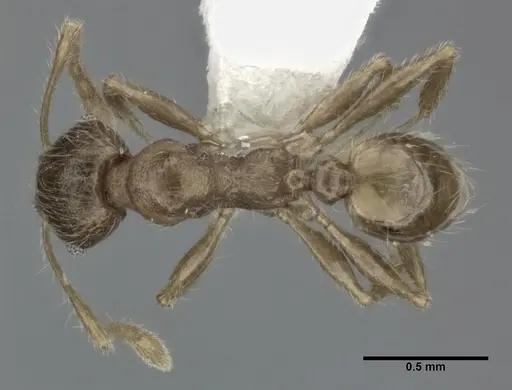
CASENT0246117
View on AntWeb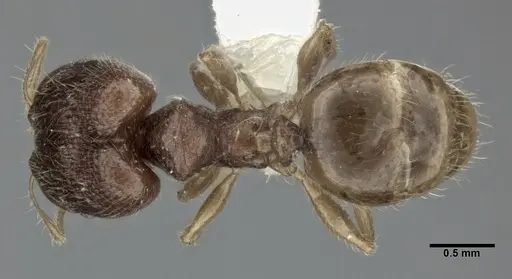
CASENT0905875
View on AntWeb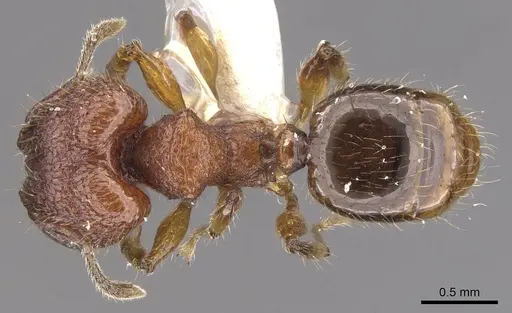
CASENT0905876
View on AntWeb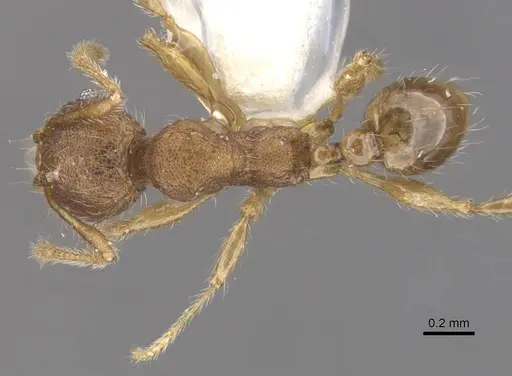
Literature
Loading...Loading products...