

Pheidole citrina
- Scientific Name
- Pheidole citrina
- Tribe
- Attini
- Subfamily
- Myrmicinae
- Author
- Wilson, 2003
- Distribution
- Found in 5 countries
Pheidole citrina Overview
Pheidole citrina is an ant species of the genus Pheidole. It is primarily documented in 5 countries , including Costa Rica, Guatemala, Honduras. Detailed taxonomic data and occurrence records can be further explored via authoritative databases such as AntWeb or the Global Biodiversity Information Facility (GBIF).
Pheidole citrina
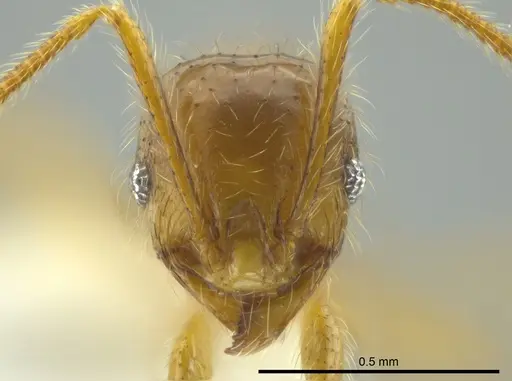
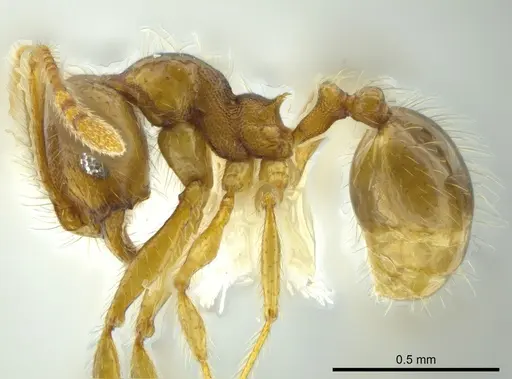
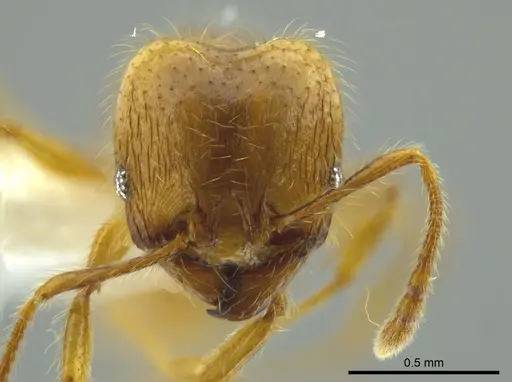
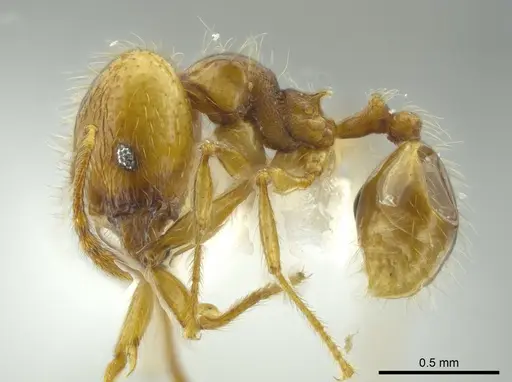
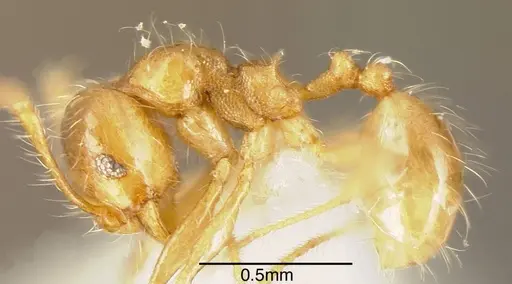
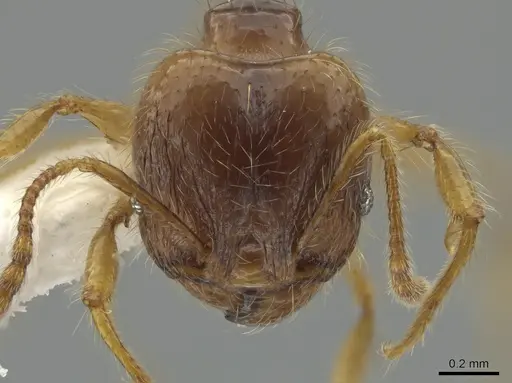
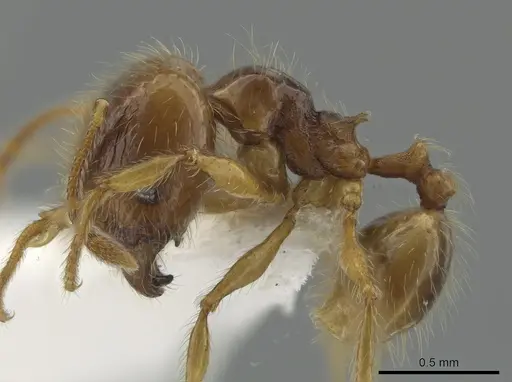
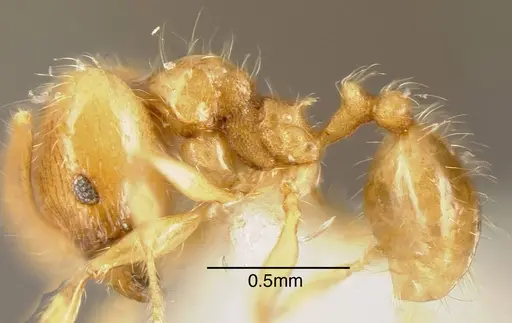
Pheidole citrina is a very small, bright yellow ant belonging to the flavens group. The species was described by Wilson in 2003 from Costa Rica. Major workers have a distinctive strongly curved propodeal spine that appears to have 'melted' backward, along with long scapes that reach the occipital corners of the head. The anterior half of the head has longitudinal carinulae while the posterior half is smooth and shiny. This dimorphic species has major and minor workers, with majors reaching about 0.66mm head width and minors around 0.46mm. The species gets its name from the Latin 'citrina' meaning citron, referring to its yellow coloration. In the wild, they live in wet tropical forests in the leaf litter layer.
Quick Summary
- Difficulty: Medium
- Origin & Habitat: Atlantic lowlands of Costa Rica, also found in Guatemala, Honduras, Mexico, and Nicaragua. In nature they live in wet tropical forests, specifically in leaf litter [1][2].
- Colony Type: Single-queen colonies (monogyne), typical for the genus Pheidole. Colony structure is not extensively documented but follows standard Pheidole patterns.
- Colony: Monogyne
- Founding: Claustral
- Size & Growth:
- Queen: Unknown, not directly measured in available literature. Estimated based on genus patterns at 4-5mm.
- Worker: Major workers: 0.66mm head width (HW). Minor workers: 0.46mm HW.
- Colony: Likely small to moderate, under 500 workers based on typical Pheidole leaf litter species patterns.
- Growth: Moderate, tropical species typically develop faster than temperate species.
- Development: Estimated 4-6 weeks at optimal tropical temperatures (25-28°C), based on typical Pheidole development patterns. (Development time is inferred from genus-level data, as species-specific measurements are not available.)
- Antkeeping:
- Temperature: Keep at 24-28°C. Tropical species require warm, stable conditions. A heating cable on one side of the nest creates a suitable gradient.
- Humidity: High humidity required, think damp tropical forest floor. Keep the nest substrate consistently moist but not waterlogged. Provide a water tube for drinking access.
- Diapause: No, as a tropical species, they do not require hibernation. Maintain warm conditions year-round.
- Nesting: In nature they nest in leaf litter and soil. In captivity, a small test tube setup works well for founding colonies. For established colonies, a small formicarium or naturalistic setup with moist substrate. They prefer tight, confined spaces scaled to their tiny size.
- Behavior: Typical Pheidole behavior, minor workers handle most tasks including foraging and brood care, while majors serve as soldiers for defense and seed processing. They are not aggressive toward keepers but majors can deliver a mild sting if provoked. Their very small size means escape prevention is critical, they can squeeze through tiny gaps. Foraging activity is moderate, with workers actively searching for small prey and sugar sources.
- Common Issues: escape prevention is critical due to their very small size, use fine mesh and tight-fitting lids, tropical humidity requirements can lead to mold if ventilation is poor, slow founding phase may cause beginners to abandon colonies prematurely, overfeeding can lead to mold in small nest setups, wild-caught colonies may contain parasites that can decimate the colony
Nest Preferences
In the wild, Pheidole citrina nests in leaf litter and upper soil layers of wet tropical forests. They prefer confined, humid spaces that stay moist. For captive colonies, a small test tube setup works well for founding queens. The test tube should have a tight water reservoir and be kept in a dark, quiet location during the founding stage. Once the colony reaches 20-30 workers, you can transition to a small formicarium with chambers scaled to their tiny size. A naturalistic setup with moist soil and leaf litter also works well. Avoid tall, open spaces, these small ants feel safer in tight, enclosed areas. Keep the nest humid but ensure some dry areas exist so ants can regulate their moisture exposure. [2][1]
Feeding and Diet
Pheidole citrina is omnivorous like most Pheidole species. They will collect small insects, aphids, and other tiny arthropods in the wild. In captivity, offer small protein sources like fruit flies, pinhead crickets, small mealworms, and other appropriately-sized insects. Sugar sources are readily accepted, you can provide honey water, sugar water, or small drops of honey. Feed protein 2-3 times per week and keep a sugar source available at all times. Remove uneaten food after 24 hours to prevent mold. Their small size means prey items should be tiny, fruit flies are an excellent choice. They are not specialized predators and will readily accept most offered foods.
Temperature and Care
As a tropical species from Costa Rica's wet lowlands, Pheidole citrina requires warm conditions year-round. Keep the nest area at 24-28°C. A heating cable placed on one side of the nest creates a temperature gradient that allows ants to self-regulate. Avoid temperature drops below 22°C, as this can slow development and weaken the colony. Room temperature may be sufficient if your home stays in the low-to-mid 20s°C range. They do not require hibernation or cooling periods. Maintain humidity by keeping the nest substrate moist, a water tube attached to the nest provides drinking water and helps maintain humidity through evaporation. Ensure adequate ventilation to prevent mold while maintaining humidity. [1]
Behavior and Colony Structure
Pheidole citrina is dimorphic, meaning colonies have two worker castes: minor workers handle most daily tasks including foraging, brood care, and nest maintenance, while major workers (soldiers) defend the colony and help process larger food items. This division of labor is efficient and fascinating to observe. Majors have the distinctive curved propodeal spine that helps identify this species. Colonies are not aggressive and rarely bother keepers. However, majors can deliver a mild sting if the colony feels threatened. Their small size makes them quick movers when foraging. Workers use chemical trails to recruit nestmates to food sources. The colony will grow from a founding queen to a moderate-sized colony over several months to a year. [2]
Growth and Development
A newly mated queen will seal herself in a small chamber and lay eggs without leaving to forage, this is claustral founding. She relies on stored fat reserves to survive and feed the first brood. The first workers (nanitics) are typically smaller than normal workers and appear after 4-6 weeks at optimal temperature. After the nanitics emerge, the queen stops caring for brood directly and the workers take over all colony tasks. Growth is moderate, expect the colony to reach 50 workers within a few months under good conditions. The colony will continue growing as long as conditions are suitable. Major workers typically appear once the colony reaches a certain size threshold, usually when there are enough workers to support the energy cost of producing larger individuals.
Frequently Asked Questions
How long does it take for Pheidole citrina to produce first workers?
Expect first workers (nanitics) to emerge in 4-6 weeks at optimal temperature (25-28°C). This timeline is based on typical Pheidole development patterns since species-specific data is not available.
Can I keep Pheidole citrina in a test tube?
Yes, test tubes work well for founding colonies. Use a small test tube with a tight water reservoir. Keep it in a dark, humid location until the colony establishes. Once the colony grows beyond 30-50 workers, consider transitioning to a small formicarium.
What do Pheidole citrina ants eat?
They are omnivorous. Offer small protein sources like fruit flies, tiny crickets, or small mealworms 2-3 times per week. Keep a sugar source available at all times, honey water, sugar water, or small drops of honey work well.
What temperature do Pheidole citrina ants need?
Keep them at 24-28°C. As a tropical species from Costa Rica, they need warm conditions year-round. A heating cable on one side of the nest can help maintain proper temperatures.
How big do Pheidole citrina colonies get?
Based on typical leaf litter Pheidole species, colonies likely reach a few hundred workers at maximum. They are not among the larger Pheidole species.
Do Pheidole citrina ants need hibernation?
No, they do not require hibernation. As a tropical species, maintain warm conditions year-round. Temperature drops below 22°C should be avoided.
Why are my Pheidole citrina ants escaping?
Their very small size means they can squeeze through tiny gaps. Use fine mesh on any ventilation holes, ensure lids fit tightly, and apply barrier gel or fluon around the edges of the outworld. Escape prevention must be excellent for this species.
When should I move my Pheidole citrina colony to a formicarium?
Move them when the test tube becomes crowded, typically around 30-50 workers. Choose a small formicarium with chambers scaled to their tiny size. A naturalistic setup with moist soil also works well.
Are Pheidole citrina ants good for beginners?
They are moderate difficulty. The main challenges are maintaining proper tropical humidity and temperature, plus their tiny size requires excellent escape prevention. They are rewarding once established.
References

This caresheet is licensed under CC BY-SA 4.0 .
CASENT0623856
View on AntWeb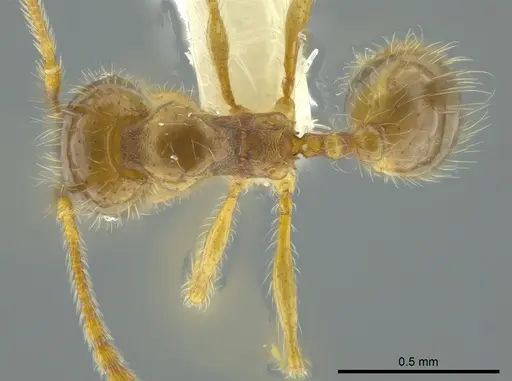
CASENT0624045
View on AntWeb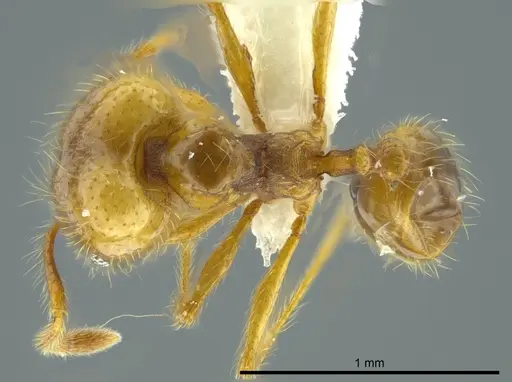
CASENT0635455
View on AntWeb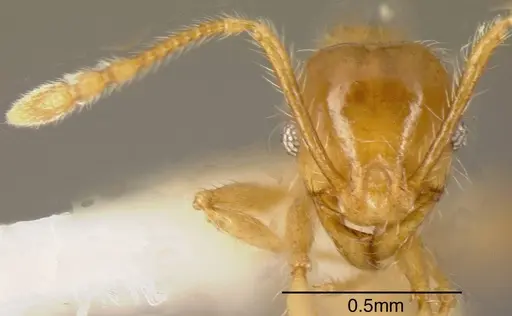
CASENT0635903
View on AntWeb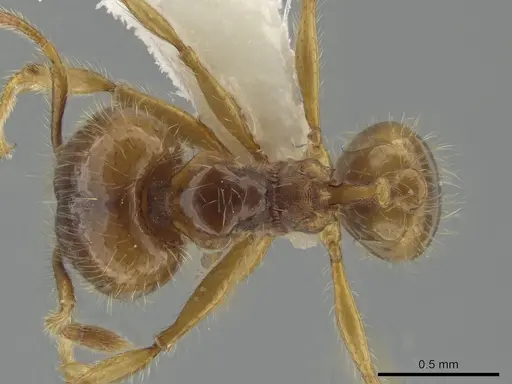
INBIOCRI002281499
View on AntWeb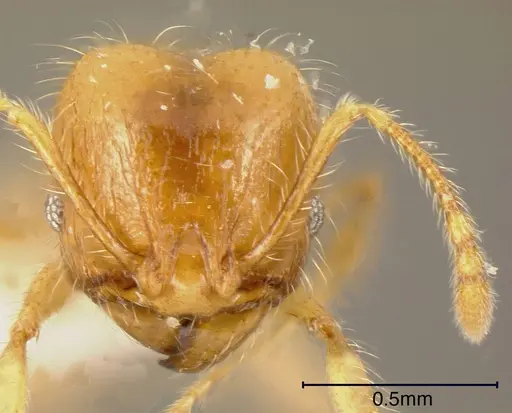
Literature
Loading...Loading products...