

Pheidole chrysops
- Scientific Name
- Pheidole chrysops
- Tribe
- Attini
- Subfamily
- Myrmicinae
- Author
- Wilson, 2003
- Distribution
- Found in 4 countries
Pheidole chrysops Overview
Pheidole chrysops is an ant species of the genus Pheidole. It is primarily documented in 4 countries , including Brazil, Colombia, Ecuador. Detailed taxonomic data and occurrence records can be further explored via authoritative databases such as AntWeb or the Global Biodiversity Information Facility (GBIF).
Pheidole chrysops
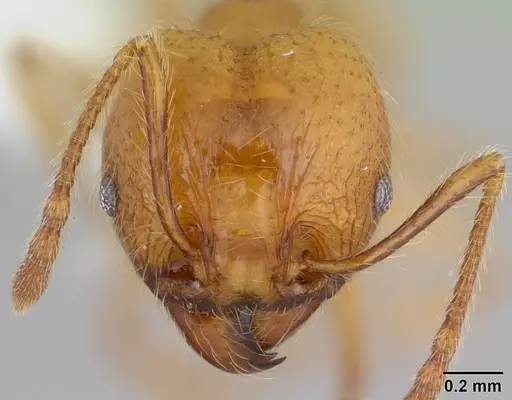
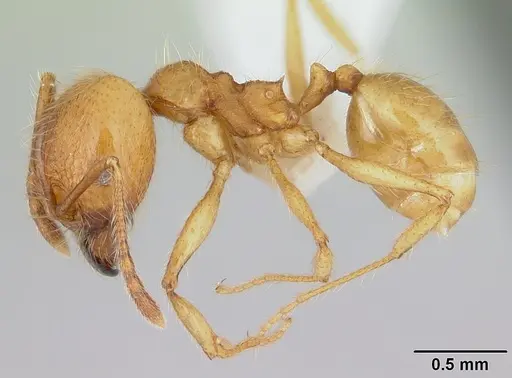
Pheidole chrysops is a small, yellow ant native to the Neotropical region of South America, found in Brazil, Paraguay, and Argentina. The species was described by Wilson in 2003 and is tentatively placed in the diligens group, though it shows ties to the fallax group. Majors are a distinctive dark golden yellow color, while minors are a clear medium yellow. This is a dimorphic species with major workers (around 0.94mm head width) significantly larger than minor workers (around 0.46mm head width). In the wild, colonies have been found nesting in leaf litter in high forest environments [1].
Quick Summary
- Difficulty: Unknown, too little data to assess
- Origin & Habitat: Neotropical region, Brazil, Paraguay, and Argentina. Found in leaf litter in high forests in Paraguay, and in both upland forest (BTF) and flooded forest (Várzea) in Colombia [1][2].
- Colony Type: Colony structure is unconfirmed. Most Pheidole species are monogyne (single queen), but this has not been documented for P. chrysops specifically.
- Size & Growth:
- Queen: Undescribed, no queen measurements available for this species
- Worker: Major workers: HW 0.94mm, HL 0.96mm | Minor workers: HW 0.46mm, HL 0.54mm [1]
- Colony: Unknown, no colony size data available
- Growth: Unknown, no development data available
- Development: Unknown, no direct measurements. Based on typical Pheidole patterns, estimate 6-10 weeks at warm tropical temperatures (This is a poorly studied species with no published development data. Estimates based on related Pheidole species.)
- Antkeeping:
- Temperature: Unconfirmed, likely needs warm conditions similar to other neotropical Pheidole. Start around 24-28°C and observe colony activity. Adjust based on behavior, if workers cluster near heat, increase slightly.
- Humidity: Unconfirmed, forest floor species suggests moderate to high humidity needs. Keep nest substrate moist but not waterlogged, with some drier areas available. Mist occasionally and monitor substrate moisture.
- Diapause: Unknown, neotropical species may not require strong diapause, but may slow down during cooler months. Monitor for seasonal activity changes.
- Nesting: In the wild, colonies nest in leaf litter in forest environments. In captivity, a naturalistic setup with soil or a Y-tong/plaster nest with moisture-retaining substrate works well. Avoid overly dry conditions [1].
- Behavior: Pheidole chrysops is a dimorphic species with distinct major and minor workers. Pheidole species are typically seed-harvesters but also scavenge for insects and other protein sources. Majors defend the colony and help process large food items, while minors handle most foraging and brood care. Escape risk is moderate, these are small ants but not among the tiniest. Use standard escape prevention (Fluon on test tube rims, fine mesh on outworlds). Temperament is typical of Pheidole, generally non-aggressive but will defend if threatened.
- Common Issues: lack of documented care information makes this a challenging species to keep, no established protocols exist, wild-caught colonies may have parasites or diseases that kill them in captivity, very small colony size initially means slow growth and high mortality risk for founding colonies, humidity balance is tricky, too dry causes brood death, too wet causes mold problems
Species Identification and Appearance
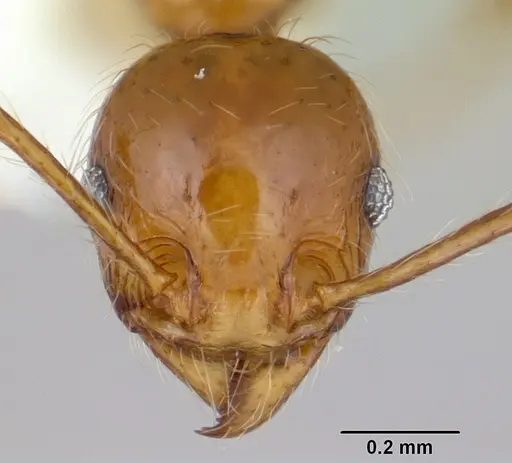
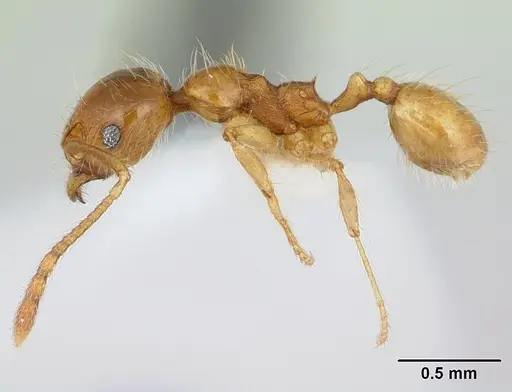
Pheidole chrysops is a small, yellow ant species described by Wilson in 2003. The major workers have a distinctive heart-shaped head and are a dark golden yellow color throughout, this is where the species name 'chrysops' (meaning 'like gold') comes from. Minor workers are a clear medium yellow. The species is tentatively placed in the diligens group but shows similarities to members of the fallax group, including Pheidole aenescens, P. bergi, P. cordiceps, and P. midas. The major workers measure approximately 0.94mm head width, while minors are much smaller at around 0.46mm head width. This size difference is typical of Pheidole, where majors specialize in defense and food processing [1].
Natural Habitat and Distribution
This species is known from the Neotropical region of South America, specifically Brazil, Paraguay, and Argentina. The type specimen was collected from Taperinha, Santarem in Pará, Brazil. In Paraguay, colonies have been found in leaf litter within 'high forests' (upland tropical forest). More recent surveys in Colombia found the species in both upland forest (bosque de tierra firme) and Várzea (seasonally flooded forest), suggesting some flexibility in habitat preferences. This indicates the species prefers damp, shaded forest floor environments with plenty of leaf litter for nesting [1][2].
Housing and Nesting
In captivity, provide conditions that mimic their natural forest floor habitat. A naturalistic setup with moist soil and leaf litter works well, as does a Y-tong or plaster nest that retains humidity. The nest should have chambers scaled to their small size, these are tiny ants, so avoid large, open spaces. Keep the nest substrate consistently moist but not waterlogged. Since they come from forest environments, some ventilation is important to prevent mold while maintaining humidity. A test tube setup can work for founding colonies, but monitor moisture levels carefully as small tubes can flood easily.
Feeding and Diet
Like most Pheidole species, P. chrysops likely has an omnivorous diet typical of seed-harvesting ants. They probably collect seeds and also scavenge for dead insects and other protein sources. In captivity, offer a varied diet including small seeds, protein (like fruit flies, small crickets, or mealworm pieces), and sugar sources (honey water or sugar water). Pheidole majors can handle larger food items than many small ants, so offering appropriately sized prey is beneficial. Feed protein 2-3 times per week and provide constant access to sugar water. Remove uneaten food promptly to prevent mold.
Temperature and Seasonal Care
As a neotropical species from Brazil, Paraguay, and Argentina, this ant likely prefers warmer temperatures. Start around 24-28°C and observe your colony's behavior, if workers are very active and clustering near a heat source, you can adjust accordingly. Unlike temperate species, they likely do not require a true hibernation period, but may show reduced activity during cooler months. Room temperature in most homes (20-24°C) may be acceptable, but warmer conditions likely support better growth. A heating cable on one side of the nest can create a temperature gradient, allowing ants to choose their preferred zone.
Challenges and Considerations
Pheidole chrysops is a poorly documented species in both scientific literature and the antkeeping hobby. There are no established care protocols, and much of what we recommend is inferred from general Pheidole genus behavior and the species' known habitat. This makes the species challenging to keep, you may need to experiment to find what works best for your colony. Additionally, wild-caught colonies may carry parasites or diseases that can cause colony failure in captivity. Start with a small colony or founding queen if available, and monitor closely for problems. The small size of both majors and minors means escape prevention should be taken seriously, use fine mesh and reliable barriers.
Frequently Asked Questions
How long does it take for Pheidole chrysops to go from egg to worker?
This has not been directly documented for P. chrysops. Based on typical Pheidole development patterns, expect approximately 6-10 weeks from egg to first worker at warm tropical temperatures (around 26-28°C). Cooler temperatures will slow development significantly.
What do Pheidole chrysops ants eat?
Like other Pheidole species, they are likely omnivorous, eating small seeds, dead insects, and other protein sources. In captivity, offer a varied diet including small seeds, protein sources like fruit flies or small crickets, and sugar water or honey. Remove uneaten food promptly to prevent mold.
What temperature do Pheidole chrysops need?
Exact requirements are unconfirmed, but as a neotropical species, they likely prefer 24-28°C. Start in this range and adjust based on colony behavior. Room temperature may be acceptable but warmer conditions likely support better growth.
How big do Pheidole chrysops colonies get?
Colony size is unknown for this species, no data has been published. Most Pheidole colonies grow to several hundred to a few thousand workers. Expect moderate colony growth over time.
Is Pheidole chrysops good for beginners?
This species is not recommended for beginners due to the lack of documented care information. There are no established protocols for keeping this species, and much must be inferred from general Pheidole behavior. Consider starting with more common, better-documented species first.
Can I keep multiple Pheidole chrysops queens together?
Colony structure is unconfirmed for this species. Most Pheidole are monogyne (single queen), but some can be polygyne. Without documented information, combining unrelated queens is not recommended, queens may fight.
What kind of nest should I use for Pheidole chrysops?
A naturalistic setup with moist soil and leaf litter works well, matching their natural forest floor habitat. A Y-tong or plaster nest with moisture-retaining substrate is also suitable. Keep the nest humid but well-ventilated to prevent mold.
Do Pheidole chrysops need hibernation?
Diapause requirements are unknown. As a neotropical species from Brazil and Paraguay, they likely do not require a true hibernation but may slow down during cooler months. Monitor for seasonal activity changes.
Why are my Pheidole chrysops dying?
Without documented care information, diagnosing problems is difficult. Common issues include: improper humidity (too dry or too wet), temperature stress, parasites from wild-caught colonies, and stress from inadequate food. Review basic parameters and consider if your colony was wild-caught.
References

This caresheet is licensed under CC BY-SA 4.0 .
CASENT0178010
View on AntWeb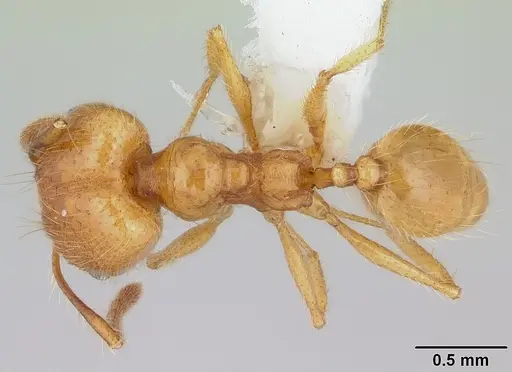
CASENT0178011
View on AntWeb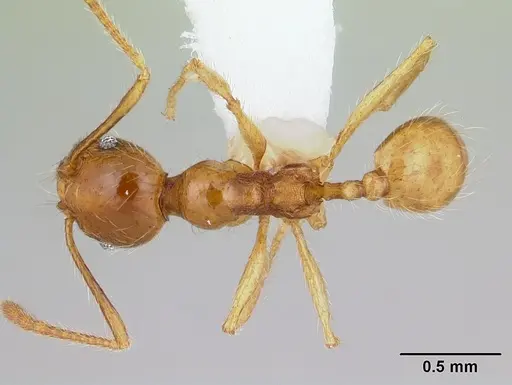
Literature
Loading...Loading products...